
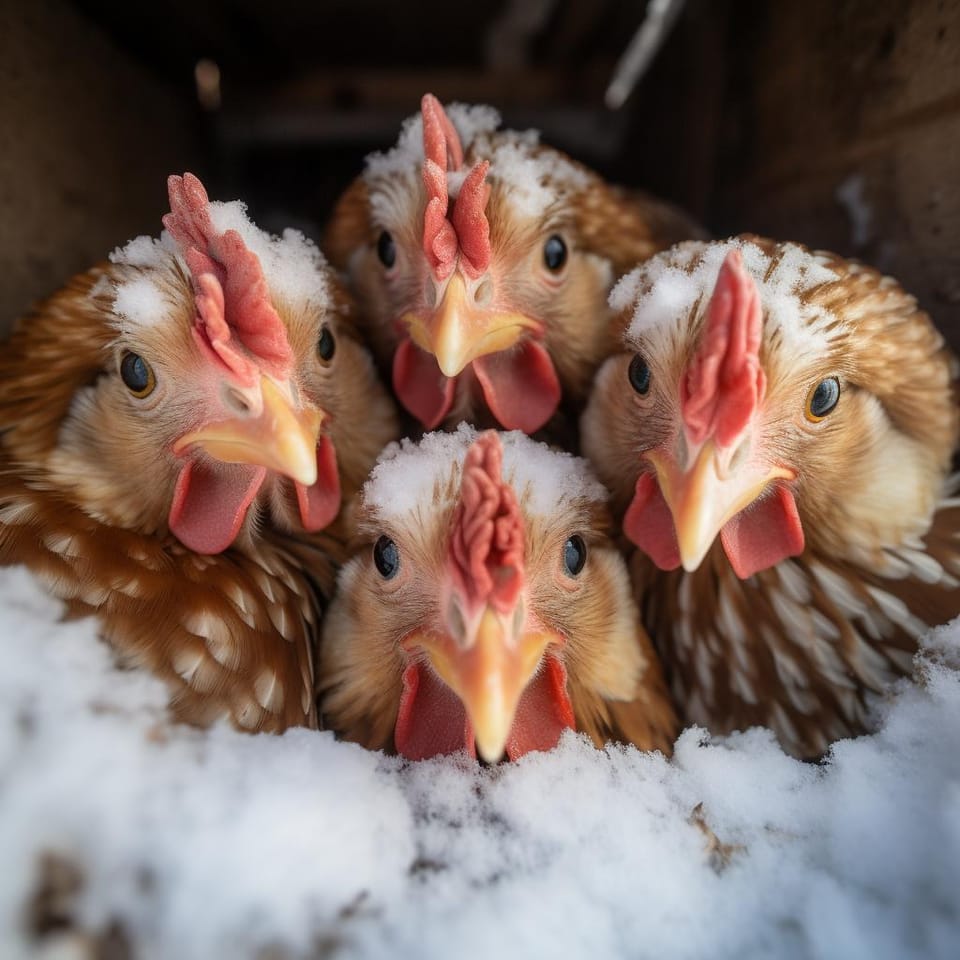

Chickens vs. Chill: How Do They Cope?
As the crystal frost begins to kiss our windows and the world dons a snowy white blanket, we humans find solace in hot cocoa and cozy fires. But what about our feathered friends in the backyard? Can they endure the icy grip of winter as we do? Let's delve into the fascinating world of chickens and cold weather.
Ever wondered how your clucking companions handle the chill? Fret not, for these hardy creatures are more resilient than you might think. In fact, certain chicken breeds for cold climates, like the robust Rhode Island Reds or the fluffy Orpingtons, are built to withstand even the harshest of winters.
However, surviving winter with chickens requires a bit more than relying on their natural resilience. From feeding chickens in cold weather to chicken coop winter preparation, there's a whole checklist of tasks to ensure your flock's health and happiness. So, buckle up, dear reader. Let's embark on this chilly journey together!
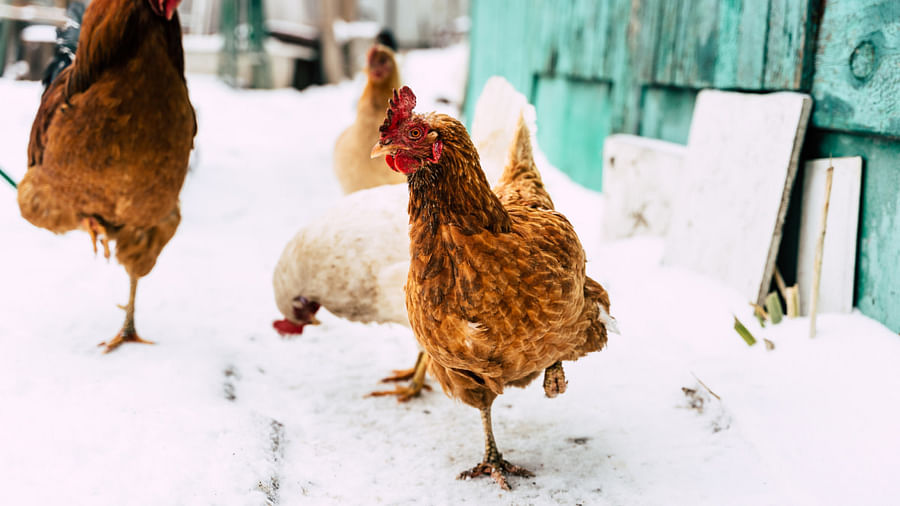
Now that we've discussed how chickens can tolerate cold weather, let's address some common questions you might have about caring for your chickens during winter.
With these answers in mind, let's move on to a more detailed discussion on how to prepare your chickens for the winter season.
Winter is Coming: Is Your Flock Ready? 🐔❄️
As the winter winds begin to whistle, you may find yourself gazing at your feathery friends, wondering, "How on earth will they survive the icy onslaught?" Well, fear not, diligent chicken keeper, for chickens are far hardier than they appear. But, like any creature, they could use a little help from their human friends to weather the winter.
Preparing your chickens for winter involves a thorough understanding of your flock and its needs. Are your hens of a breed that's built for surviving winter with chickens, or are they more suited to sunnier climes? Certain chicken breeds for cold climates, like the robust Rhode Island Reds or the fluffy Buff Orpingtons, can handle the chill better than others. Knowing your flock's breed and its cold tolerance is the first step in effective winter chicken care.
Next, it's time to roll up your sleeves and get to work on chicken coop winter preparation. Your coop should be a fortress against the cold, providing warmth and protection for your flock. Insulation is key here, but remember, ventilation is equally important to prevent moisture buildup, which can lead to frostbite. How to protect chickens in winter isn't just about the physical environment, though. It's also about providing the right nutrition. Feeding chickens in cold weather requires a bit of a diet change. More on that later!
So, are you ready to embark on this journey of raising chickens in winter? With these chicken cold weather tips, you'll be well-equipped to ensure your flock thrives, no matter how low the mercury drops.
Now that we've discussed the necessary steps to prepare your chickens for the winter season, here's a handy checklist to help you remember everything:
Once you've checked all these off, you're ready to move on to gathering the essential winter gear for your chickens.
Winter Survival Kit: Must-Have Gear for Your Chickens
Imagine your chicken coop as a miniature fortress against the harsh winter elements. What gear would you arm it with? Well, let's start with the basics. A heated waterer is a must-have. Chickens, like us, need a constant supply of water, and nothing puts a damper on hydration like a frozen water source.
Next, consider coop insulation. Just as you'd bundle up in a thick coat, your coop needs a layer of insulation to keep the cold at bay. But remember, ventilation is key. You're aiming for a cozy winter cabin vibe, not a stuffy attic.
Lastly, let's talk about roosts. Raised roosts help keep your chickens off the cold ground, but did you know that flat roosts can help protect their feet from frostbite? It's a simple change that can make a world of difference.
Surviving winter with chickens doesn't have to feel like a trek through the Arctic. With the right equipment and a bit of preparation, you'll have a flock of happy, healthy hens all winter long.
Winter Warriors: Essential Gear for Your Chickens' Cold Weather Survival
Feeding Frenzy: What's on Your Chickens' Winter Menu?
As winter descends, your feathered friends need a dietary upgrade to match the chill. Picture this: It's like swapping out your summer salads for hearty stews when the temperature drops. Chickens are no different. They crave more energy to stay warm and maintain their egg production. So, what's the secret sauce?
Protein and carbohydrates, my dear chicken keepers, are your chickens' winter besties. A diet rich in these will keep them clucking happily through the snow. Consider adding corn, oats, and sunflower seeds to their feed. These are like the chicken equivalent of a hot cocoa by the fireside. And who doesn't love that?
Remember, raising chickens in winter is not just about keeping them alive but keeping them thriving. So, here's a challenge for you: Can you turn your chicken coop into a Michelin-starred restaurant this winter?
Winter Chicken Diets: Test Your Knowledge
Let's see how much you know about feeding chickens during the winter season. Choose the best answer for each question.
Learn more about 🐔 Winter Chicken Diets: Test Your Knowledge 🌬️ or discover other Expert Chicken quizzes.
Winter Woes: Common Health Hiccups for Chickens 🐔💊
As the winter chill sets in, our feathered friends find themselves battling a few health challenges. Notably, frostbite can turn a chicken's winter wonderland into a nightmare. It typically targets their combs, wattles, and toes. But how can we prevent this icy menace? A well-insulated coop is your first line of defense, and selecting chicken breeds for cold climates can also be a game-changer.
Another cold-weather culprit is respiratory illness. Ever noticed your flock sounding a bit hoarse or sneezing when the temperature drops? That's likely a cold-weather cough. Boosting their immunity with a balanced diet is key. Remember, feeding chickens in cold weather requires a few tweaks to their menu. High-energy foods like corn and oats help them generate body heat, while supplements like garlic and apple cider vinegar can boost their respiratory health.
Lastly, let's talk about lice and mites. These tiny tormentors love to hunker down in your coop's nooks and crannies during winter. Regular coop cleaning and dusting your chickens with a safe insecticide can help keep these pests at bay. Surviving winter with chickens can be a challenge, but with these winter chicken care tips, you can ensure your flock stays healthy and happy.
Let's delve deeper into the common health problems chickens can face during winter. Here's a video from Dr. Arshad's Veterinary Clinic that discusses natural ways to keep chickens warm and healthy during winter nights.
With these insights from Dr. Arshad, you're better equipped to handle chicken health during winter. Now, let's move on to the management of the chicken coop during the cold season.
Cozy Coops: Managing Your Chicken Home in Winter
As we tuck ourselves into the warmth of our homes during winter, let's not forget our feathered friends braving the cold outdoors. Yes, I'm talking about your chickens! A coop in winter isn't just a chicken home; it becomes a fortress against the icy onslaught. So, how can you ensure they're warm, fed, and healthy?
Firstly, winter chicken care involves maintaining the right temperature. Heat lamps can be a fire risk, but did you know chickens are quite resilient to cold? They fluff up their feathers to trap heat, like their very own down jackets! So, don't overdo the heat, but do focus on ventilation to prevent frostbite. Chicken cold weather tips always stress on ventilation over heat.
Secondly, consider chicken breeds for cold climates. Chickens like the Chantecler or the Rhode Island Red have a history of surviving winter with aplomb. They might just strut around the snow while others huddle for warmth!
Now, let's talk food. Feeding chickens in cold weather requires a higher-calorie diet to help them generate body heat. But remember, nothing replaces fresh water; and it shouldn't be a skating rink! Invest in a heated waterer to prevent freezing.
In the frosty period of winter, your chicken coop management skills will truly be tested. But with these tips, you're now armed to protect your chickens in winter. So, are you ready to face the cold?
Before you go, take a moment to consider this. Winter, a time of stillness and rest, is vital for the land and for our chickens too. As they slow down, so should we. Perhaps it's nature's way of reminding us to take a pause, to reflect. even while we're busy, raising chickens in winter.
Now that we've discussed the general management of your chicken coop during winter, let's delve into the specific steps to winterize your chicken coop. This practical guide will help you ensure your chickens stay healthy and comfortable during the cold months.
Winterizing Your Chicken Coop: A Step-by-Step Guide


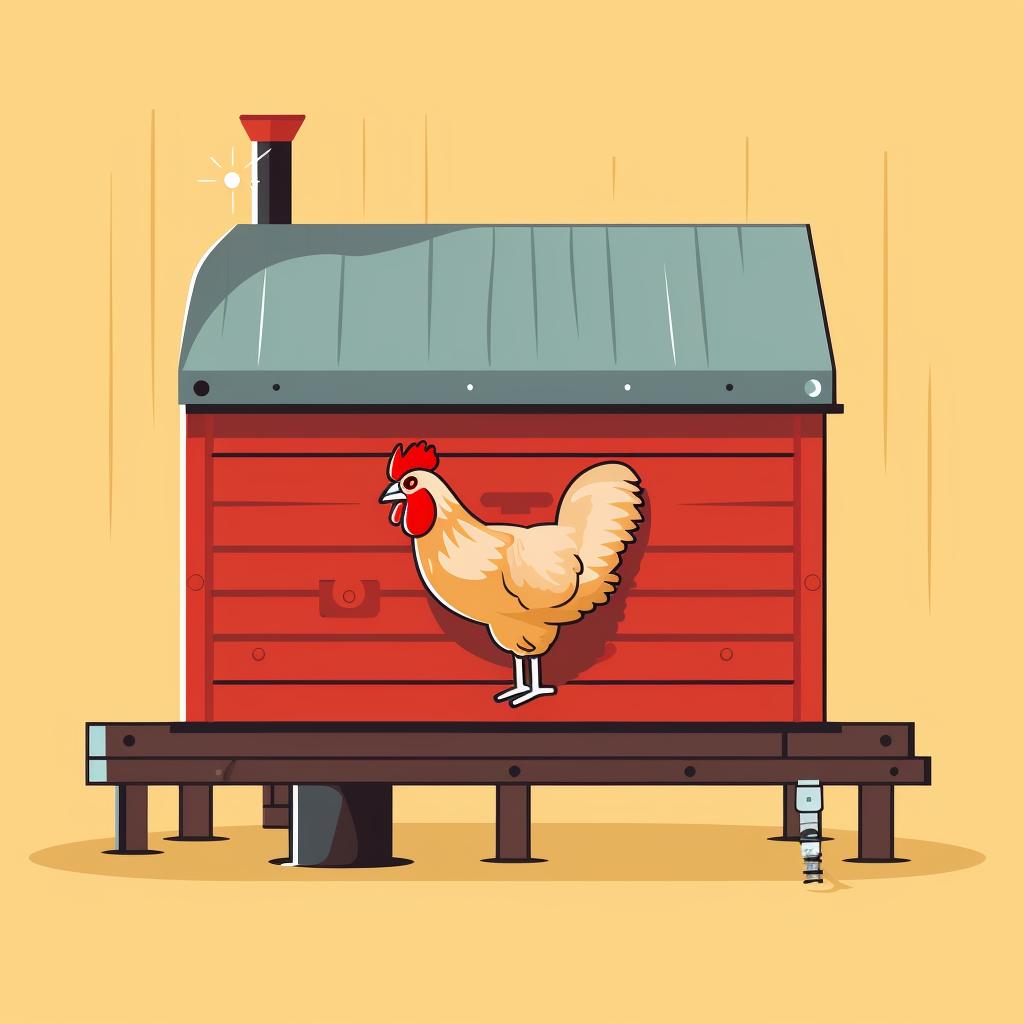
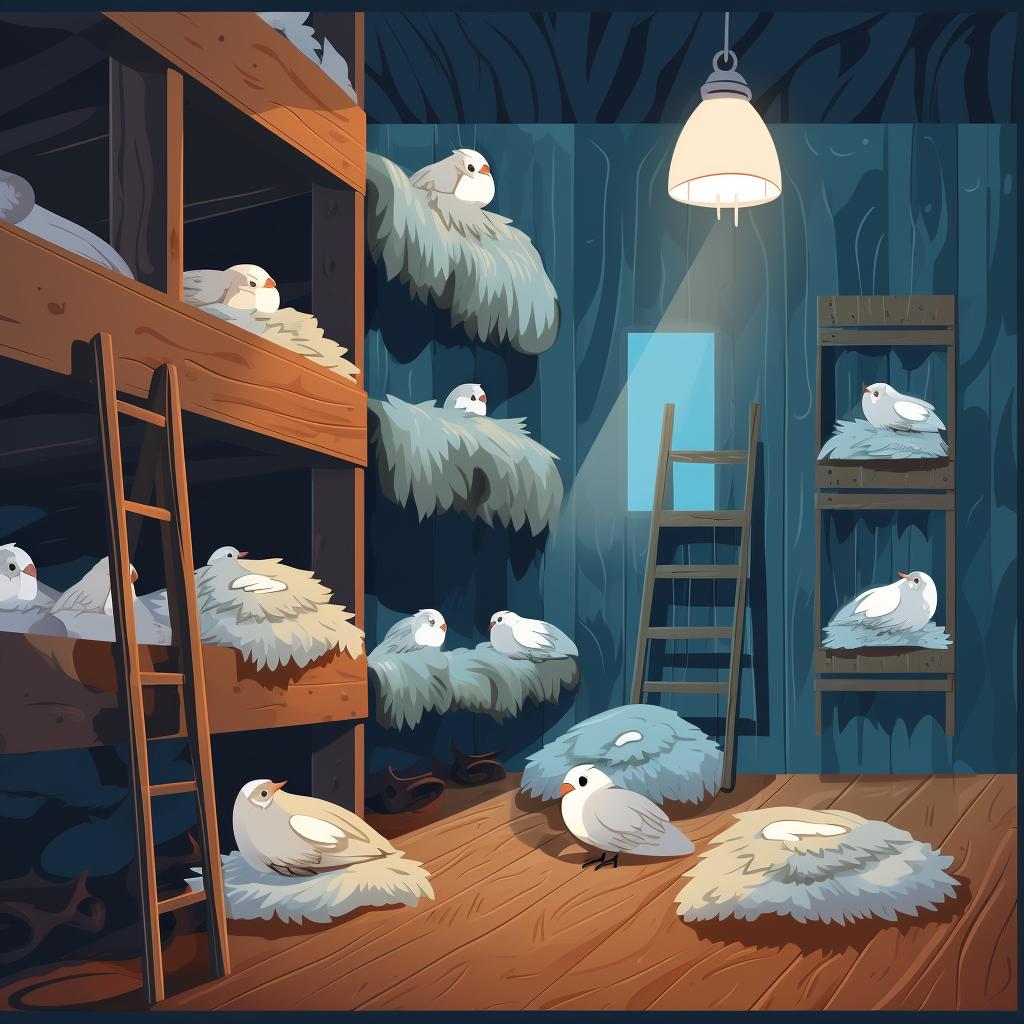

Learn more about 🐔 Winterizing Your Chicken Coop: A Step-by-Step Guide 🌬️ or discover other Expert Chicken guides.
Following these steps will help you prepare your chicken coop for the winter season. Now, we'd love to hear from you. How well have these tips helped your chickens tolerate the cold?
How effective have you found our winter survival tips for your chickens?
We'd love to know how our guide has helped your chickens weather the winter. Please rate the effectiveness of our tips.



No comments yet. Be the first to share your thoughts!