

Get raising chickens right
Black chickens and Polish chickens bring distinct traits to a backyard flock, but their success depends on getting the basics right before you bring home your first bird. Polish chickens are celebrated for their ornate crests and friendly dispositions, while Black chickens—often referring to breeds like the Black Australorp or Black Star—offer reliable, dark-shelled egg production. Raising them together or separately requires a solid foundation in housing, nutrition, and health protocols.
Start by evaluating your local climate and zoning laws. Polish chickens, with their heavy head feathers, are less tolerant of wet, cold conditions than many other breeds. They need a dry, draft-free coop to prevent their crests from matting with ice or mud, which can obscure their vision and lead to injury. Black chickens are generally hardier in colder climates but still require protection from wind and dampness. Check your municipal codes for limits on flock size, rooster restrictions, and setback requirements for coops relative to property lines.
Next, prepare your coop and run. A general rule of thumb is four square feet of indoor space per chicken and ten square feet in an outdoor run. Ensure your coop has secure locking mechanisms to deter predators like raccoons and foxes. Polish chickens are flighty and may try to escape, so consider trimming their wing tips or using a covered run. Provide nesting boxes filled with clean straw or pine shavings, and install roosts at varying heights, keeping in mind that Polish chickens may struggle with high perches due to their heavy head feathers.
Finally, source your birds from reputable hatcheries or local breeders. Ask about the health history of the flock, including vaccination records for Marek’s disease and other common poultry ailments. Young chicks require a heat source for the first few weeks, so have a brooder setup ready with a heat lamp, bedding, and chick starter feed. Investing time in these preparatory steps ensures a healthier, more productive flock for year-round egg production.
Common Mistakes in Raising Black and Polish Chickens
Even experienced keepers make errors when managing breeds with specific needs. Polish chickens require extra attention to their headgear and temperament, while black breeds like Australorps or Black Stars have distinct hardiness and egg-laying patterns. Avoiding these pitfalls ensures consistent year-round production.
Overlooking Head Protection for Polish Hens
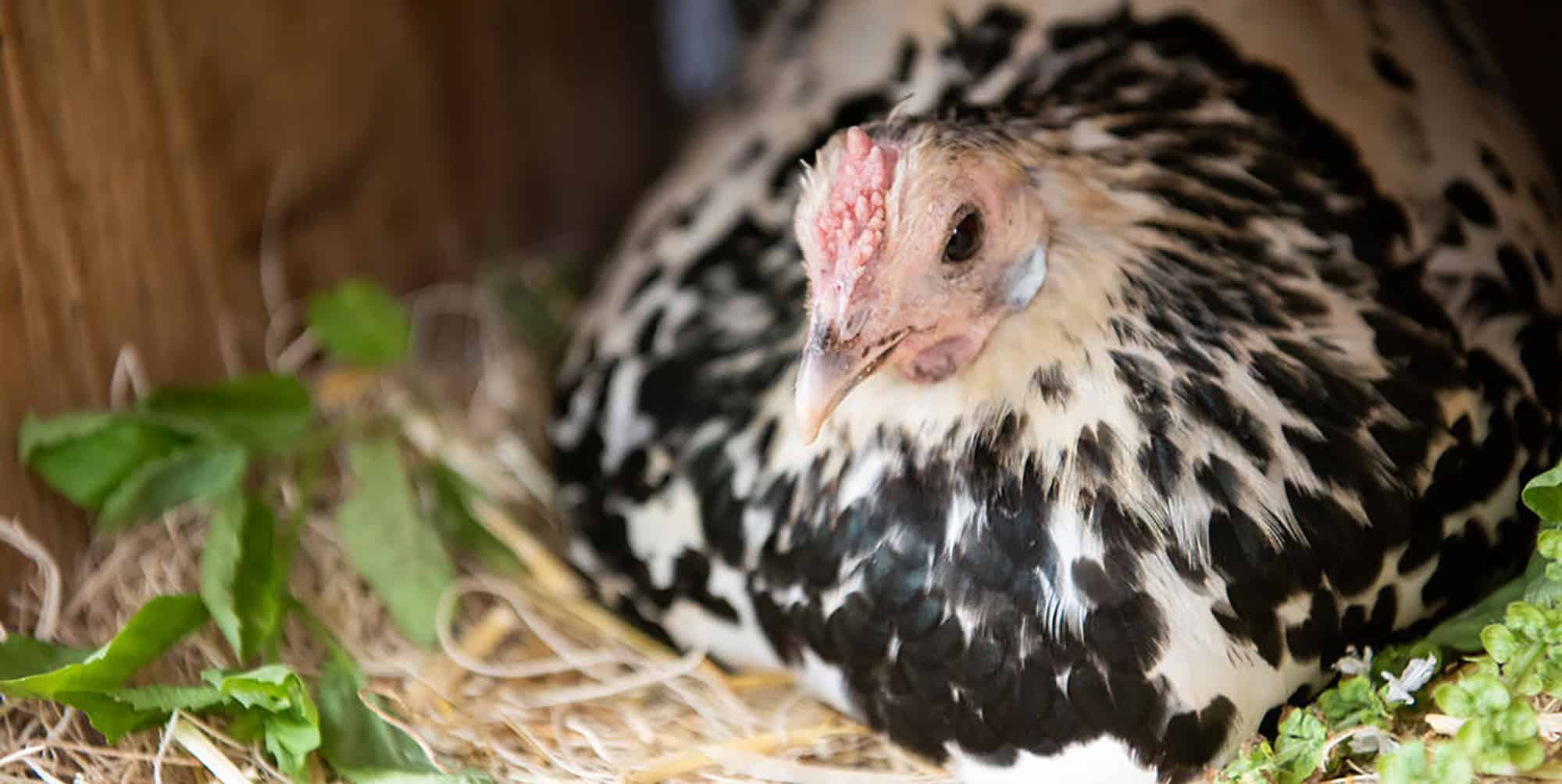
Polish chickens are beautiful but vulnerable. Their large crests of feathers can obstruct their vision, making them easy targets for predators and prone to injury from fence posts or coop fixtures. They also struggle in wet weather, as the feathers around their eyes can mat and hide parasites or cause infections.
Provide low-hanging perches that allow them to retreat without navigating high obstacles. Trim feathers around the eyes if they impair vision. In rainy climates, ensure the coop is exceptionally dry to prevent the crest from becoming a health hazard.
Ignoring Broodiness in Heavy Layers
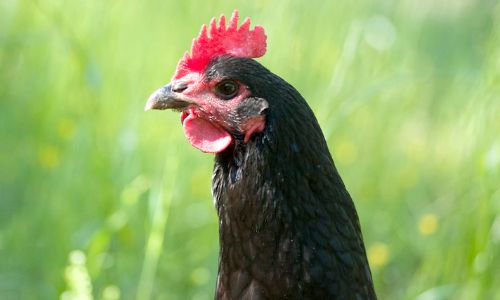
Black breeds, particularly Australorps, are known for their excellent egg production but also have a strong broody instinct. A broody hen stops laying eggs to sit on a nest, attempting to hatch chicks. This behavior can halt your egg supply for weeks or months.
Check nesting boxes daily. If you find a hen sitting for more than 24 hours, remove her and place her in a separate "break-out" pen with no bedding for a few days. This resets her hormones without isolating her for too long. Consistent collection of eggs also helps discourage broodiness.
Inadequate Winter Lighting
To maintain year-round egg production, especially in northern climates, you need supplemental light. Chickens require 14-16 hours of light to stimulate egg production. As days shorten in fall and winter, their laying rate drops.
Add a simple timed light bulb to your coop to extend daylight hours. Place the light so it turns on in the early morning, not late at night, to allow for natural roosting behavior. Never rely on natural light alone if you want consistent winter eggs.
Poor Coop Ventilation
Black feathers absorb heat, making black breeds more susceptible to overheating in summer. Conversely, Polish chickens with their exposed skin under feathers can be sensitive to drafts. The key is balance: good ventilation removes ammonia and moisture without creating direct drafts on roosting birds.
Install vents near the roof peak to let hot, moist air escape. Ensure the coop is dry and well-aired. For Polish hens, avoid placing their roosts directly in the path of incoming cold drafts in winter.
Raising chickens: what to check next
You likely have practical concerns before adding Black or Polish chickens to your flock. These breeds require specific attention to their unique traits—Polish crests and Black chickens' hardiness—to ensure year-round egg production. Here are the most common questions about managing these birds.
Both breeds thrive with consistent care, but their distinct physical traits demand tailored management. Polish chickens need grooming to maintain their vision and hygiene, while Black chickens benefit from the thermal advantages of their plumage. Understanding these differences helps you maximize egg yield throughout the year.
No comments yet. Be the first to share your thoughts!