

Egg Production is Up: 2026 Trends
The news is good for those of us keeping chickens. United States egg production is climbing. According to data released by the USDA’s National Agricultural Statistics Service, February 2026 production totaled 7.17 billion table eggs, a 5 percent increase from the previous year. January 2026 saw a 2 percent rise in production, totaling 7.88 billion eggs.
This increase in egg supply is a positive sign, reflecting both healthy flocks and strong consumer demand. But simply having more eggs available doesn't mean every backyard keeper is reaching their flock’s full potential. Maximizing egg production requires a focused approach to nutrition, and thankfully, our understanding of what chickens need is constantly evolving.
I believe that even small adjustments to feeding practices can yield significant results. We’re seeing improvements in feed formulations, a better understanding of nutrient absorption, and even new ingredients entering the market. It’s an exciting time to be raising chickens and this year, 2026, is shaping up to be a productive one. Let’s look at how you can ensure your hens are contributing to that upward trend.
This article will focus on the latest research regarding chicken nutrition, specifically what you can feed your flock to help them lay more eggs, and lay them consistently. We’ll move beyond the basics of "chicken feed" and explore the specific nutrients, supplements, and emerging technologies that are making a difference.
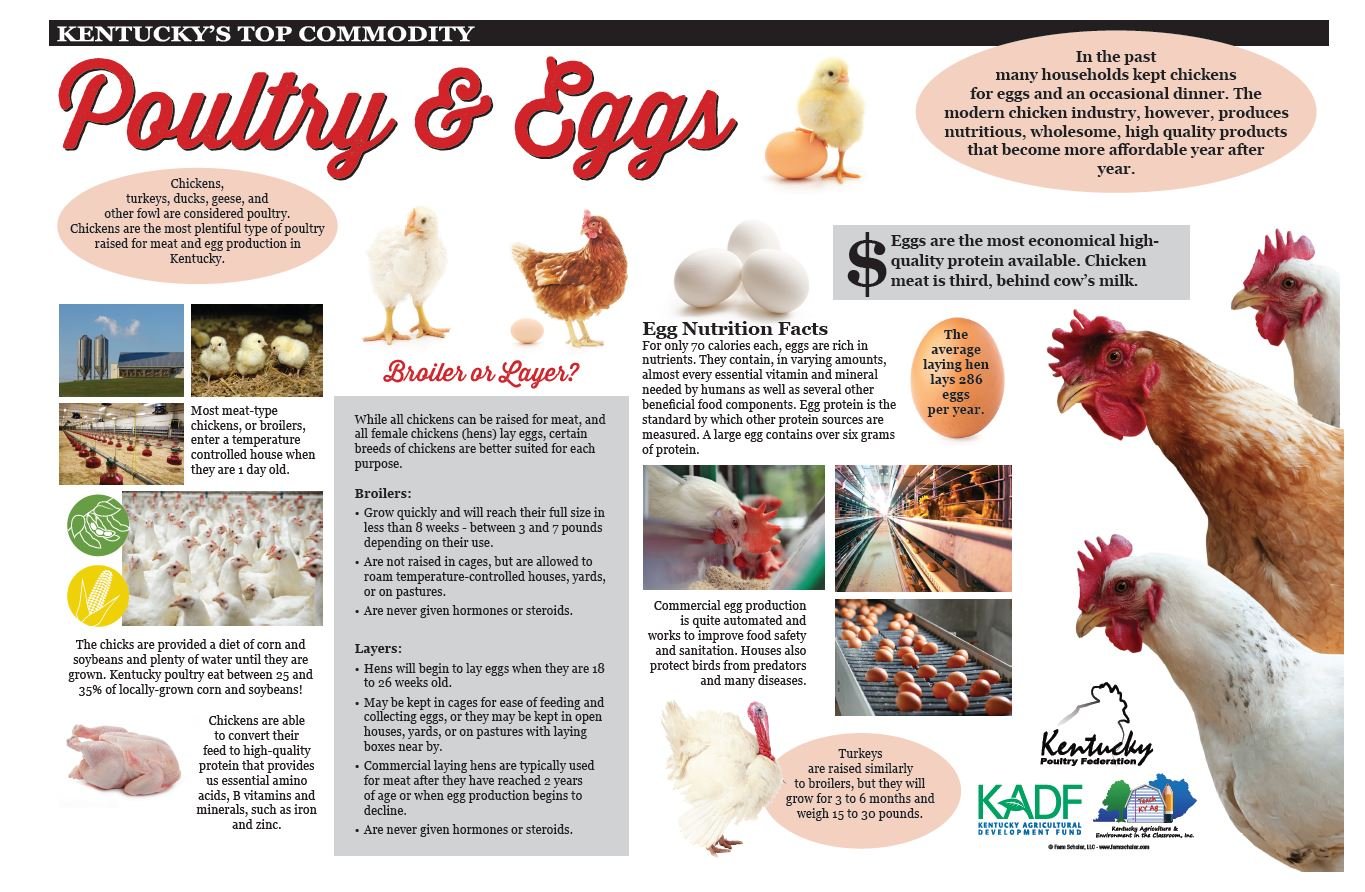
Protein: The Laying Hen Foundation
Protein is absolutely fundamental for egg production. Eggs are, after all, primarily protein! A laying hen needs a significantly higher protein intake than a chick or a growing pullet. Generally, a laying hen requires around 16-18% protein in her diet. However, simply throwing more protein at the problem isn’t always the solution. The quality and digestibility of the protein source matter just as much.
Soybean meal has long been the industry standard for poultry protein, and it remains a good option. However, there’s growing interest in alternative protein sources, especially insect protein. Black soldier fly larvae (BSFL) are gaining popularity due to their high protein content and excellent digestibility. Studies have shown that hens fed a diet supplemented with BSFL can exhibit comparable, or even improved, egg production compared to those fed solely on soybean meal.
It's important to consider the stage of lay when adjusting protein levels. During peak production, hens need consistent protein intake. During molting, when they’re shedding and regrowing feathers, their protein needs increase significantly to support feather development. Reducing protein during molt can prolong the process and negatively impact subsequent egg production.
I’ve found that a balanced approach – a high-quality base feed supplemented with insect protein or other alternative sources – often yields the best results. Don’t be afraid to experiment, but always monitor your hens' condition and egg production closely.
Calcium & Vitamin D: Shell Strength
Beautiful, strong eggshells are a sign of a healthy, well-nourished hen. Calcium is the obvious key ingredient here, but it’s not as simple as just providing a calcium source. The form of calcium is crucial. Oyster shell is generally considered superior to limestone because it’s more readily absorbed by the hen’s digestive system. Providing oyster shell free-choice – meaning allowing hens to consume it as needed – is a good practice.
You can also add calcium to their water, but this is less effective than providing free-choice oyster shell. The calcium can precipitate out of the water, making it unavailable to the hens. Vitamin D is often overlooked, but it’s absolutely essential for calcium absorption. Without adequate Vitamin D, hens can’t properly utilize the calcium they consume, leading to thin-shelled or soft-shelled eggs.
Sunlight is the best natural source of Vitamin D. However, during winter months, or in areas with limited sunlight, supplementation is necessary. Signs of calcium or Vitamin D deficiency include thin shells, soft shells, egg binding, and even skeletal problems in severe cases.
I’ve seen firsthand how a simple Vitamin D supplement can dramatically improve shell quality during the winter. A deficiency is easily corrected, and the benefits are well worth the effort.
- Signs of Calcium/Vitamin D Deficiency: Thin shells
- Soft shells
- Egg binding
- Skeletal problems (severe cases)
Beyond the Basics: Novel Feed Additives
The field of poultry nutrition is constantly evolving, and researchers are continually exploring new feed additives that can boost egg production and improve hen health. Several promising options are emerging, though it’s important to remember that much of the research is still preliminary. Certain algae strains, for example, are showing potential for increasing egg size and improving yolk color.
Prebiotics and probiotics are also gaining traction. These additives promote a healthy gut microbiome, which can enhance nutrient absorption and improve overall immune function. A healthier gut means a more efficient hen, and that translates to more eggs. The efficacy of specific probiotic strains can vary considerably, so choosing a reputable product with documented benefits is important.
Some researchers are even investigating the use of specific types of clay as feed additives. These clays can bind to toxins in the gut, reducing inflammation and improving nutrient absorption. However, the long-term effects of clay supplementation are still being studied.
I’m cautiously optimistic about these novel feed additives. While they’re not a magic bullet, they represent a promising avenue for improving egg production and hen health. Keep an eye on the research and be willing to experiment, but always prioritize the core nutritional needs of your flock.
Fatty Acids & Omega-3 Enrichment
Fats play a vital role in both egg quality and hen health. They provide energy, support hormone production, and contribute to the flavor and texture of the egg. Omega-3 fatty acids are particularly beneficial, both for the hens and for the consumers who eat their eggs. Increasing the omega-3 content of eggs can enhance their nutritional value and appeal to health-conscious consumers.
Flaxseed is a common and affordable way to increase omega-3 levels in eggs. Fish oil is another option, but it can impart a fishy flavor to the eggs if used in excess. Algae is an increasingly popular alternative to fish oil, offering a sustainable and vegetarian-friendly source of omega-3s.
It’s crucial to store fat-containing feed ingredients properly to prevent rancidity. Rancid fats not only reduce the nutritional value of the feed but can also be harmful to the hens. Store feed in a cool, dry place, and use airtight containers. The color of the yolk is also affected by the type of fat in the diet. Higher levels of carotenoids, found in ingredients like marigolds, will result in a deeper orange yolk.
I’ve found that a combination of flaxseed and algae provides a good balance of omega-3s without compromising egg flavor. Monitoring yolk color can be a useful indicator of fat intake and overall hen health.
Omega-3 Source Comparison for Enhanced Egg Production
| Omega-3 Source | Cost | Ease of Use | Impact on Egg Flavor | Sustainability | Potential for Rancidity |
|---|---|---|---|---|---|
| Flaxseed | Medium | High | Low | High | Medium |
| Fish Oil | High | Medium | Medium | Low | High |
| Algae | Medium-High | Medium | Low | Medium | Low |
| Chia Seeds | Medium | High | Low | High | Low |
| Hemp Seeds | Medium-High | Medium | Medium | High | Medium |
| Linseed Meal | Low | High | Low | High | Medium |
Illustrative comparison based on the article research brief. Verify current pricing, limits, and product details in the official docs before relying on it.
Water Quality: Often Overlooked
We often focus on what we feed our chickens, but it’s just as important to consider what they drink. Clean, fresh water is absolutely essential for optimal egg production. Contaminants in the water – bacteria, algae, minerals – can all negatively impact hen health and egg quality. Regularly clean and disinfect waterers to prevent the buildup of harmful organisms.
There are various watering systems available, each with its own pros and cons. Nipple drinkers are hygienic and minimize water waste, but they can be more expensive upfront. Open waterers are simpler and more affordable, but they’re more prone to contamination. Automatic watering systems can save time and effort, but they require a reliable water source and regular maintenance.
Water temperature is also a factor, especially during the winter months. Chickens prefer water that’s around room temperature. Providing heated waterers can encourage them to drink more, which is crucial for maintaining hydration and egg production. A simple DIY solution is to wrap the waterer with insulation.
I always emphasize the importance of water quality to new chicken keepers. It's often the easiest thing to overlook, but it can have a huge impact on your flock’s health and productivity.
Breed-Specific Nutritional Needs
Not all chickens are created equal, and their nutritional needs can vary significantly depending on their breed. Larger breeds, such as Brahmas and Jersey Giants, generally require more protein and calories than smaller breeds like Leghorns. Heritage breeds, known for their foraging abilities, may thrive on a more natural, less processed diet.
Some breeds are naturally more prolific layers than others. Leghorns, for example, are renowned for their high egg production, while Silkies are known for laying fewer eggs but being excellent mothers. Polish chickens, with their unique head feathering, can sometimes have difficulty accessing feeders and waterers, requiring special attention to ensure they’re getting enough to eat and drink.
Black chickens, like the Ayam Cemani, are known for their striking dark plumage and can sometimes be more sensitive to dietary changes. It’s important to introduce new feed ingredients gradually to avoid digestive upset. Understanding the specific characteristics of your breed can help you tailor their diet to optimize their health and egg production.
I’ve learned over the years that observing your hens closely and adjusting their diet accordingly is the best approach. Each flock is unique, and what works for one breed may not work for another.
Troubleshooting Low Egg Counts
If you’re doing everything "right’ and still not getting the egg production you expect, don"t panic. There are several potential causes of low egg counts. Stress is a major factor. Changes in the environment, the introduction of new flock members, or even predator pressure can all disrupt laying. Illness and parasites can also reduce egg production.
Age is another consideration. Egg production naturally declines as hens get older. Seasonal changes can also play a role, with production typically decreasing during the shorter days of winter. Ensure your hens are getting enough light and a balanced diet during this time.
Carefully observe your hens for any signs of illness or parasites. Check for pale combs, ruffled feathers, or changes in droppings. If you suspect a health problem, consult with a veterinarian. You can find more information on common chicken illnesses on Expert Chicken, like our article on coccidiosis.
Don’t underestimate the power of observation. A careful assessment of your flock’s environment, behavior, and health can often pinpoint the cause of low egg production and help you get your hens back on track.

No comments yet. Be the first to share your thoughts!