
Get Polish chickens right
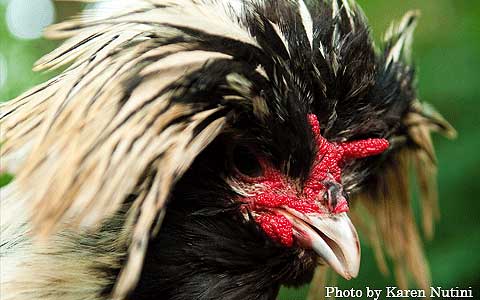
Before you welcome Polish chickens into your backyard, it helps to understand what you are actually signing up for. These birds are visually striking but require a specific approach to care. Their defining feature—a large, feathered crest—is also their biggest vulnerability. If you treat them like standard backyard hens, you will likely end up with injured birds or poor welfare outcomes.
Check your coop setup
The crest covers their eyes and ears, making Polish chickens nearly blind in their immediate vicinity and highly sensitive to drafts. You need a dry, warm coop that protects them from rain and wind. Because they cannot see well, the environment must be predictable. Remove any sharp edges or protruding hardware cloth that could snag their feathers. A smooth, obstacle-free path to the roost and nesting boxes is essential to prevent head injuries.
Plan for predator protection
Polish chickens are notoriously poor at spotting predators. Their crest blocks their peripheral vision, and they often freeze when threatened rather than fleeing. This makes them high-risk targets for hawks, raccoons, and dogs. You must provide secure housing with small hardware cloth, not chicken wire, which predators can tear through. Supervised free-ranging is risky unless your yard is fully enclosed with predator-proof fencing. Many owners find it safer to keep them in a secure run during the day.
Expect moderate egg production
While Polish chickens were historically bred for egg production in France and England, their modern utility is limited. They are not high-volume layers. You can expect around 150-200 white or cream-colored eggs per year. The eggs are medium-sized, but the hens go broody frequently, which interrupts laying. If your primary goal is a steady supply of table eggs, you may need to supplement your flock with more productive breeds like Leghorns or Rhode Island Reds.
Understand their temperament
Polish chickens are generally docile and friendly, making them good for families with children. They are not aggressive and often enjoy being handled. However, their visibility issues mean they can be easily bullied by more assertive breeds. If you mix them with other chickens, choose gentle companions and ensure there are multiple feeding stations so the Polish hens can eat without being chased away. They are not noisy birds, which is a benefit for suburban settings, but they do not have much to say beyond occasional clucks.
How to raise Polish chickens
Polish chickens are a distinct breed known for their large, feathered crests and friendly personalities. They originated in Spain and were later popularized in France and England, where they were prized for both egg production and their unique appearance. Raising them requires a bit more attention to detail than standard backyard breeds, particularly regarding predator protection and nest management.
Choose the right variety
The breed comes in several color variations, including White Crested, Buff, and Black. While the crest size and feather density can vary slightly between color strains, the care requirements remain largely the same. When selecting your flock, prioritize birds with well-formed crests and clear eyes, as heavy feathering can sometimes obscure vision, making them more vulnerable to predators.
Set up a secure coop
Their distinctive headgear makes them targets for predators like hawks, raccoons, and even house cats. Their crests can also trap moisture, leading to frostbite in cold climates or fungal infections in humid environments. Build a coop with smooth interior surfaces to prevent crests from snagging on rough wood, and ensure the ventilation is adequate to keep feathers dry. Use low roosts or ramps to make it easier for them to get on and off without risking injury to their heads.
Manage their nutrition
Polish chickens have the same dietary needs as other backyard breeds, but their crest feathers are made of keratin, the same protein found in hair and nails. Provide a high-quality layer feed with 16-18% protein to support both egg production and feather health. Supplement with calcium sources like crushed oyster shells to ensure strong eggshells, as they can lay up to 200 eggs per year depending on the variety.
Handle with care
Their crests are not just decorative; they are sensitive and can cause discomfort if pulled or tangled. When handling them, support their body gently and avoid grabbing the crest. If their crest feathers become matted or dirty, you may need to trim them slightly for hygiene, but be careful not to cut too short. Regularly check for mites or lice hidden in the dense head feathers, as these pests can hide from view in the crest.
Monitor egg production
Polish chickens are moderate to good layers, producing white or cream-colored eggs. Their egg production can slow down in winter due to cold stress, so keep their coop warm and dry. Because their crests can sometimes interfere with sitting on eggs, they are not always reliable brooders. If you plan to hatch chicks, consider using a brooder box or a different broody breed to raise the Polish chicks.
Maintain hygiene
Regularly clean their living space to prevent ammonia buildup, which can irritate their eyes. The feathers around their eyes can trap dust and droppings, leading to infections. Keep their run dry and provide clean water daily. Consider trimming the feathers around their eyes and beaks if necessary to ensure they can see and eat properly.
Build a checklist
-
Install smooth roosts to prevent crest snagging
-
Provide high-protein feed for feather health
-
Check for mites in head feathers monthly
-
Trim eye feathers if vision is obstructed
-
Keep coop dry to prevent frostbite
Common Polish Chicken Mistakes to Avoid
Polish chickens are striking, but their unique anatomy and temperament make them prone to specific care errors. New owners often treat them like standard heritage breeds, leading to preventable health issues and stress. Understanding their distinct needs prevents poor outcomes and keeps your flock happy.
Neglecting Crest Maintenance
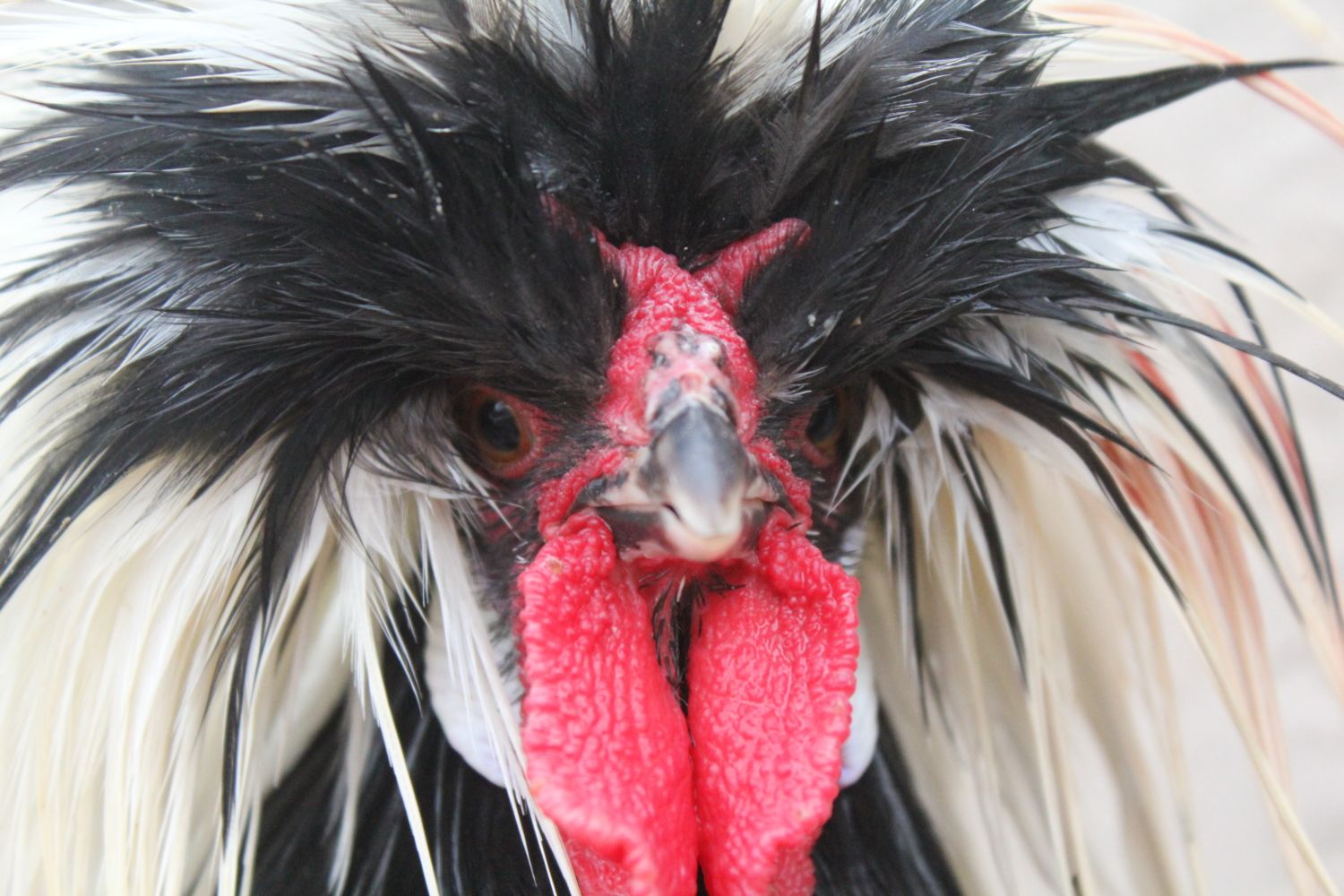
The most frequent mistake is ignoring the crest. Feathers grow continuously and can curl over the eyes, causing blindness, infection, or inability to eat and drink. Regular trimming is mandatory, not optional.
Trim the crest every few weeks using blunt-tipped scissors. Cut carefully to avoid the skin. If the feathers are matted with poop or mud, trim them out immediately to prevent bacterial growth. Keep the area clean and dry.
Improper Housing Setup
Polish chickens are poor fliers but excellent climbers. They often get stuck in high roosts or fall and injure themselves. Standard chicken coops with high, narrow roosts are dangerous for them.
Provide low, wide roosts made of 2x4 lumber with the flat side up. This gives them better balance and reduces foot injuries. Ensure the coop is draft-free but well-ventilated, as they prefer dry, warm conditions. Avoid wire flooring, which can cause bumblefoot.
Inadequate Predator Protection
Because their vision is impaired, Polish chickens are easy targets for predators. They may not spot a hawk or fox until it is too late. Relying on standard run covers is often insufficient.
Use hardware cloth instead of chicken wire, which predators can tear through. Run covers must be secure, with no gaps. Consider a covered run or supervised free-ranging time. Their lack of flight response means they cannot escape quickly, so proactive protection is essential.
Polish chickens: what to check next
Before adding Polish chickens to your flock, it helps to know how they perform in a backyard setting. These birds are visually striking, but their care requirements differ from standard breeds. Here are the most common questions about keeping them.
Their unique crest requires extra attention regarding vision and predator protection, but their calm nature and quiet demeanor often outweigh the maintenance needs for hobbyists.
Work through to Raising Polish Chickens
No comments yet. Be the first to share your thoughts!