
Raising chickens budget
The cost of raising chickens extends far beyond the initial purchase price. While a single pullet might seem affordable, the real expense lies in setup, feed, and health maintenance. Understanding these tradeoffs helps you plan for a sustainable flock rather than a financial burden.
Initial Setup Costs
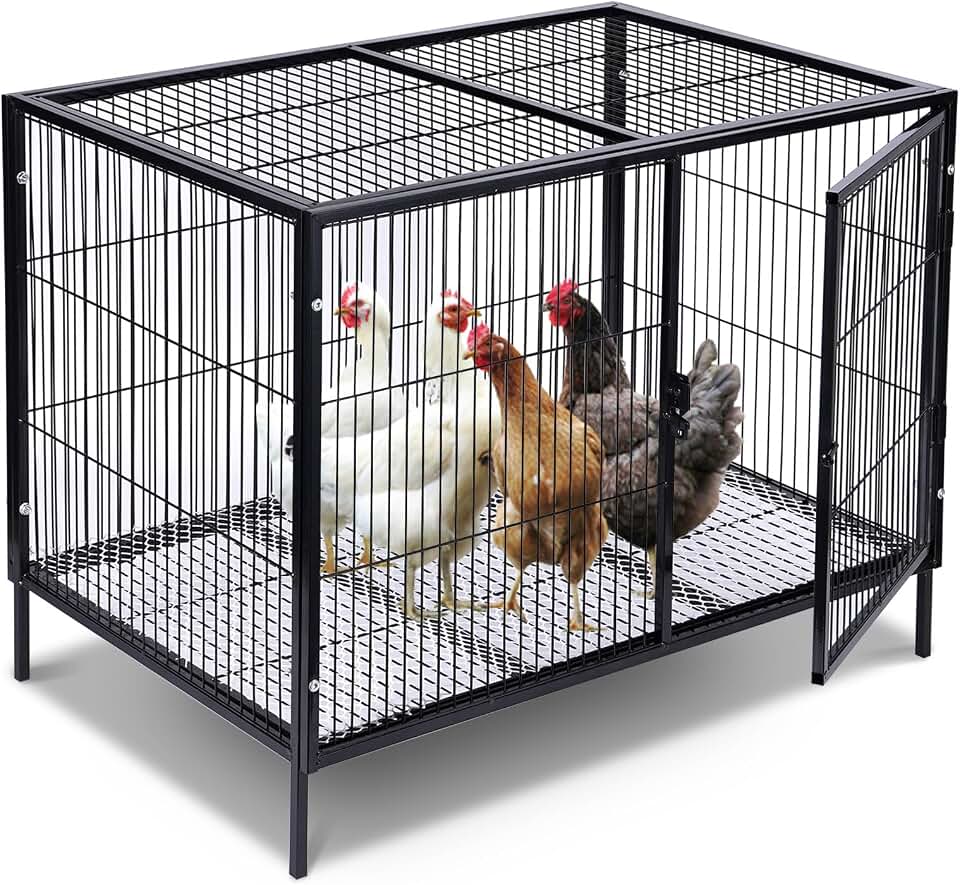
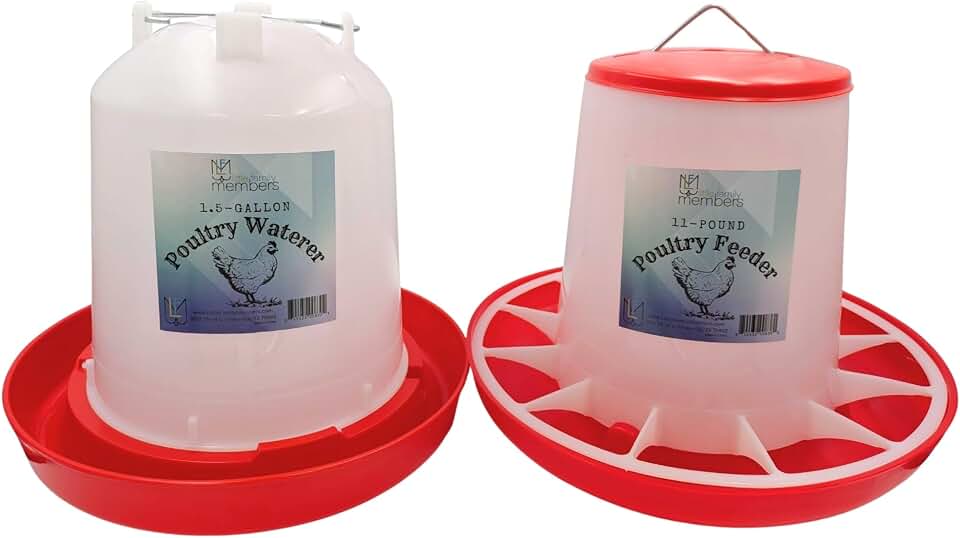
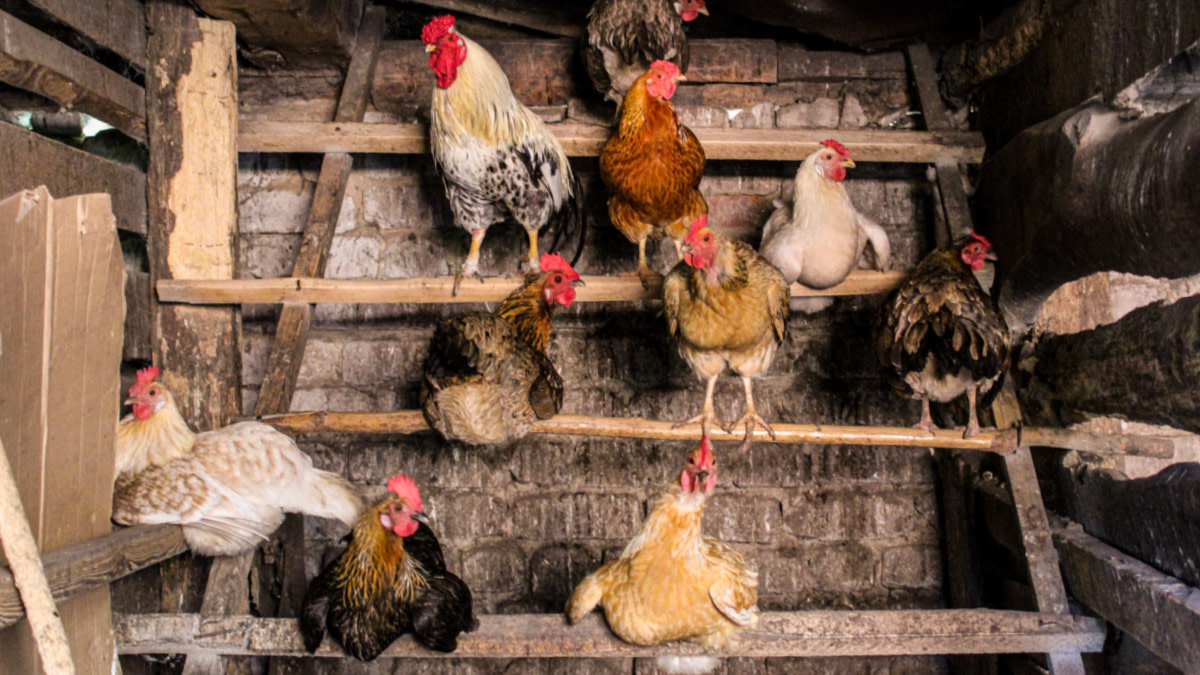
Before buying a single bird, you need a secure coop and run. A basic, predator-proof coop for three to four hens typically costs between $200 and $400 if built from scratch using treated lumber. If you buy pre-made, expect to pay $300–$600. Essential accessories include nesting boxes, roosting bars, and feeders. Budget an additional $50–$100 for bedding, waterers, and heat lamps if you live in a cold climate.
Ongoing Feed and Care
Chickens consume about 1/4 pound of feed per day. For a small flock, this means roughly 25–30 pounds of layer feed monthly. A 50-pound bag costs $20–$30, so expect $40–$60 per month in feed alone. Black Australorps and Polish chickens are efficient foragers, which can slightly reduce feed costs, but Blue-Egg layers like Ameraucanas often have higher metabolic rates. Regular health checks and occasional vet visits add an unpredictable but necessary layer to your annual budget.
Price vs. age choices that change the plan
Buying day-old chicks is the cheapest option ($3–$6 each), but it requires brooders, heat lamps, and weeks of intensive care. Pullets (young hens nearing laying age) cost $15–$25 each but are ready to lay in weeks. Mature hens ($30–$50) lay immediately but may have unknown health histories. For beginners, pullets offer the best balance of cost and convenience, skipping the fragile chick stage while avoiding the premium of older birds.

As an Amazon Associate, we may earn from qualifying purchases.
Shortlist real options
Choosing the right chickens comes down to matching your goals with the breed's natural habits. We focused on three distinct categories that consistently appear in beginner recommendations: the reliable egg-layer, the ornamental showbird, and the unique blue-egg specialist.
Black Australorps are the workhorses of the backyard flock. They are calm, cold-hardy, and famous for laying over 250 large brown eggs a year. If your main goal is breakfast eggs without fuss, this is the safest starting point. They handle confinement well and are generally friendly with children.
Polish chickens are the eye-catchers of the coop. Their massive, feathered crests make them unmistakable, but that crest can block their vision, making them vulnerable to predators and bullying. They are not prolific layers, but they are gentle and entertaining to watch. They require a secure, predator-proof coop and a lower-ranking position in the pecking order.
The Ameraucana and its cousin, the Easter Egger, are the go-to breeds for blue eggs. While true Ameraucanas are a standardized breed with strict color requirements, Easter Eggers are mixed-breed birds that carry the blue-egg gene. They lay a rainbow of pastel shells—blue, green, and sometimes olive. They are hardy foragers and generally robust, though their egg production is moderate compared to Australorps.
Breed comparison
The table below breaks down the core tradeoffs. Use it to decide which trait matters most to your specific setup.
| Breed | Egg Color | Lay Rate | Temperament | Best For |
|---|---|---|---|---|
| Black Australorp | Brown | 250+/year | Calm, docile | High egg yield |
| Polish | White | 150-200/year | Gentle, skittish | Ornamental value |
| Ameraucana | Blue | 150-200/year | Active, curious | Unique eggs |
| Easter Egger | Blue/Green | 200+/year | Hardy, friendly | Beginner variety |
Inspect the expensive parts
to Raising Chickens works best as a clear sequence: define the constraint, compare the realistic options, test the tradeoff, and choose the path with the fewest hidden costs. That order keeps the advice usable instead of decorative. After each step, pause long enough to check whether the recommendation still fits the reader's actual situation. If it depends on perfect timing, unusual access, or a best-case budget, include a simpler fallback.

Ownership costs (h2)
The purchase price of a chick or adult hen is only the entry fee. The real cost of raising chickens lies in the daily inputs: feed, bedding, and unexpected vet bills. Black Australorps, Polish chickens, and Blue Egg Layer hybrids vary in feed efficiency and hardiness, which directly impacts your monthly budget.
Feed is your largest recurring expense. A standard laying hen eats roughly 1/4 pound of feed per day. While specialty feeds for black or blue-egg breeds exist, a high-quality commercial layer pellet is usually sufficient and more cost-effective. Avoid switching to premium "show" feeds unless you are breeding for exhibition. The savings from bulk buying feed often outweigh the convenience of small bags.
Bedding costs depend on your local availability. Pine shavings are the standard, but straw or hemp can be cheaper alternatives if sourced locally. Polish chickens, with their crest feathers, require extra attention to keep their eyes clean and dry, potentially increasing bedding waste or cleaning time. Factor in a small buffer for seasonal changes; winter heating lamps or extra insulation add to the utility bill.
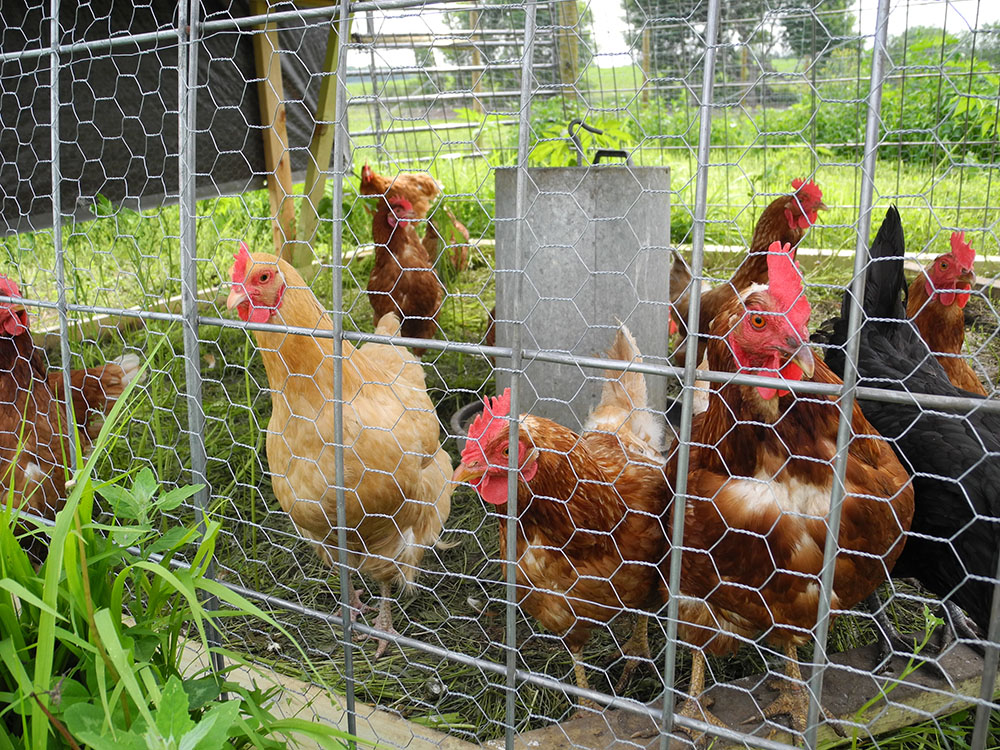
Maintenance surprises often come from predator proofing. A cheap coop that fails to keep out raccoons or hawks will cost you in lost birds and increased security upgrades. Invest in hardware cloth, not just chicken wire, from the start. This upfront cost prevents the emotional and financial loss of replacing flocks.


As an Amazon Associate, we may earn from qualifying purchases.
Raising chickens: what to check next
Choosing the right black, Polish, or blue-egg breed is only the first step. Practical concerns about space, temperament, and egg production often determine whether a flock thrives or struggles. Here are the most common hurdles beginners face when starting with these specific varieties.
Do Polish chickens lay as many eggs as other breeds?
Polish chickens are primarily ornamental, so their egg production is moderate rather than high. Expect around 150 to 200 small white eggs per year, with a notable drop during winter or when they are molting. Their large crests can obstruct their vision, making them vulnerable to predators and slower to find food. They are gentle and curious but not the most efficient layers for a serious egg supply.
Will black feathered breeds like Ayam Cemani lay dark eggs?
No, black feathered breeds typically lay cream, brown, or white eggs. The Ayam Cemani, for example, is famous for its black skin and bones but lays small, off-white eggs. If you want dark blue or green eggs, you need breeds with the oocyan gene, such as the Ameraucana or Araucana, which lay blue eggs regardless of their feather color. Black feathering does not influence eggshell pigment.
Are blue-egg layers good for beginners?
Yes, breeds like the Easter Egger and Ameraucana are excellent for beginners. They are known for being hardy, cold-resistant, and generally friendly. Their most distinct advantage is the unique blue or green egg color, which adds variety to your collection. However, they can be slightly more flighty than standard brown-egg layers like the Rhode Island Red, so secure fencing is essential.
How long do these breeds take to start laying eggs?
Most standard laying breeds, including black and blue-egg varieties, begin producing eggs at around 18 to 22 weeks of age. Polish chickens may take slightly longer, often starting at 5 to 6 months. Peak production occurs in the first two years, after which egg numbers gradually decline. Consistent lighting and nutrition are critical to maintaining steady production during this period.
No comments yet. Be the first to share your thoughts!