

Polish chickens: more than just a crest
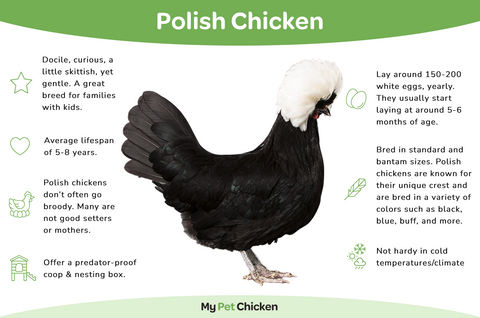
Polish chickens are statement birds. Their crest of feathers gives them a perpetually surprised look that stands out in a backyard flock. While Rhode Island Reds are the standard, I've seen a shift toward these more unusual breeds despite the extra work they require.
These aren’t chickens you’ll find at every farm supply store. Polish chickens have a history rooted in European royalty – they were favorites in French and Dutch courts, and their elegant appearance reflects that heritage. They originated in the Netherlands, with influences from other European breeds. Their crests weren’t initially as large as they are today; selective breeding has emphasized this characteristic over time.
Let’s be upfront: Polish chickens come with a higher price tag. Expect to pay significantly more for Polish chicks compared to common breeds. This isn't just about rarity; their breeding and the care needed for these delicate birds contribute to the cost. This is a breed for someone who is prepared to invest, both financially and in terms of dedicated care.
The reality of blue egg breeds
Blue eggs are the main reason people buy these birds. The color comes from the oocyan gene, which produces biliverdin during the laying process. This pigment tints the entire shell, not just the surface.
Several breeds carry this gene, each with its own nuances. Easter Eggers, a hybrid breed, are perhaps the most well-known, and their eggs can range from pale blue to green, sometimes even pinkish. Cream Legbars are a true breed known for consistently laying a beautiful shade of blue. Ameraucanas, often confused with Easter Eggers, also lay blue eggs, but generally have a more consistent color and distinct breed characteristics.
It’s easy to fall into the trap of thinking "fancy’ only means egg color, but that"s not the whole story. Breed characteristics, rarity, and even temperament play a role. Some blue egg layers have beautiful plumage or unique comb styles, making them desirable additions to a flock. The rise in popularity has also driven up the price for some of the rarer color variations.
Caring for Polish chickens
Polish chickens are often described as docile and gentle, and that can be true. However, they're also known to be somewhat flighty and easily startled. Their large crests significantly impair their vision, making them vulnerable to predators and requiring a carefully managed environment. They simply can’t see well enough to easily avoid danger.
This limited vision dictates a lot of their care requirements. They need protection from rain, as a wet crest can be very uncomfortable and even lead to illness. A secure run is absolutely essential – they won’t spot a predator approaching like other breeds. I’ve found it helpful to keep them separate during feeding time, as they can be easily bullied by more assertive chickens.
Speaking from experience, the crest needs occasional cleaning to prevent matting and debris buildup. Regular health checks are important, paying close attention to their eyes and the skin under their crest. Providing low-hanging perches and ramps is also helpful, as their vision makes navigating heights challenging. They really do require a dedicated owner who understands their specific needs.
Here's a quick checklist to keep in mind when caring for Polish chickens:
- Build a predator-proof run with a solid roof.
- Protect from rain and harsh weather.
- Keep a dry dust bath available to stop the crest from getting greasy.
- Monitor for bullying from other chickens.
- Regularly check for and clean the crest.
Blue egg layer personalities
When it comes to personality, blue egg layers aren't a monolith. Easter Eggers are generally known for being friendly, curious, and adaptable – often making them a good choice for beginners. They tend to integrate well into existing flocks. Cream Legbars, on the other hand, can be more independent and somewhat aloof. They’re intelligent but not necessarily cuddly.
Ameraucanas fall somewhere in between, generally being docile but also having a bit of a sassy streak. However, remember that personality can vary significantly within a breed. Genetics play a role, but so does individual temperament and early socialization. You’ll find shy Easter Eggers and outgoing Cream Legbars.
Like any chicken, blue egg layers can exhibit behavioral issues if their needs aren’t met. Boredom can lead to feather picking, while overcrowding can cause stress and aggression. Providing plenty of space, enrichment, and a balanced diet is crucial. Don’t assume that because a breed is known for being friendly, every individual will be. A little observation goes a long way.
Egg production expectations
Let’s talk numbers. Polish chickens aren’t known for being prolific layers. You can typically expect around 80-100 eggs per year, although some individuals may lay slightly more or less. This is considerably lower than many other breeds, and it's a factor to consider if egg production is your primary goal.
Blue egg layers offer a much wider range of production rates. Cream Legbars are consistent layers, often producing 200+ eggs per year. Ameraucanas typically lay around 150-180 eggs. Easter Eggers are the most variable – some may lay upwards of 200 eggs, while others might only lay 100-150. It really depends on the individual hen and her genetics.
Expect these numbers to drop in the winter or as the hens age. If you aren't hitting these targets, check your protein levels; these breeds are more sensitive to feed quality than a standard production hybrid.
Polish, Cream Legbar, and Easter Egger Comparison (2026)
| Breed | Egg Color | Egg Production (eggs/year) | Temperament | Care Difficulty | Approximate Chick Cost (2026) |
|---|---|---|---|---|---|
| Polish | White | Generally less than 100 | Can be docile, but often flighty and easily startled | High - Requires specialized care for crest feathering | $8 - $15+ |
| Cream Legbar | Blue | 200 - 280+ | Active, friendly, and generally docile | Moderate - Requires attention to prevent feather picking | $10 - $20+ |
| Easter Egger | Various shades of blue, green, olive | 150 - 250+ | Generally docile and friendly, but can vary | Low to Moderate - Relatively hardy and adaptable | $5 - $15+ |
| Polish (Bearded) | White | Generally less than 100 | Similar to standard Polish - can be docile, but often flighty | High - Bearded varieties require extra attention to keep facial feathers clean | $10 - $20+ |
| Cream Legbar (Autosexing) | Blue | 200 - 280+ | Known for being calm and friendly | Moderate - Autosexing doesn't reduce care needs, but can help with flock management | $12 - $25+ |
| Easter Egger (Mixed Breed) | Various shades of blue, green, olive | 150 - 250+ | Variable - temperament depends on parentage | Low to Moderate - Hardiness varies depending on breeding | $5 - $10+ |
Illustrative comparison based on the article research brief. Verify current pricing, limits, and product details in the official docs before relying on it.
Polish Chicken Chicks Price Prediction 2026
Bull / Base / Bear scenario analysis
| Timeframe | Bull Case | Base Case | Bear Case | Key Driver |
|---|---|---|---|---|
| 1 Month | $28-32 | $18-26 | $12-20 | Spring breeding season demand surge |
| 3 Months | $32-38 | $20-28 | $14-22 | Peak backyard poultry season and show circuit activity |
| 6 Months | $35-42 | $22-30 | $16-24 | Premium breed market consolidation and supply constraints |
| 1 Year | $40-48 | $25-35 | $18-28 | Inflation impact and specialty genetics breeding programs |
Price Prediction Summary
Polish chicken chick prices are expected to experience moderate growth driven by sustained premium breed demand, seasonal breeding patterns, and inflationary pressures. The ornamental poultry market shows resilience with collectors and show enthusiasts maintaining strong interest despite economic headwinds.
Key Factors Affecting Polish Chicken Chicks Stock Price
- Seasonal breeding demand cycles
- Premium genetics availability and breeding stock quality
- Inflationary pressure on feed and transportation costs
- Competition from alternative ornamental breeds and blue egg layers
Disclaimer: Predictions are speculative and not financial advice. Stock price predictions are based on current market analysis and may vary significantly due to market volatility, economic conditions, and other unpredictable factors. Always do your own research before making investment decisions.
Essential Gear for Your Polish & Blue Egg Layer Chickens

Easy-to-clean plastic construction · Secure and weatherproof design · Suitable for large flocks
This coop offers a secure, easy-to-maintain, and weather-resistant environment for your premium chickens.

Automatic treadle design reduces waste · Rainproof construction · 25lb capacity
This feeder helps prevent waste and protects feed from the elements, ensuring your flock always has access to clean food.

Solar-powered and rechargeable · Timer and light sensor operation · Remote control functionality
Automate coop access with this versatile door, offering convenience and enhanced security for your birds.
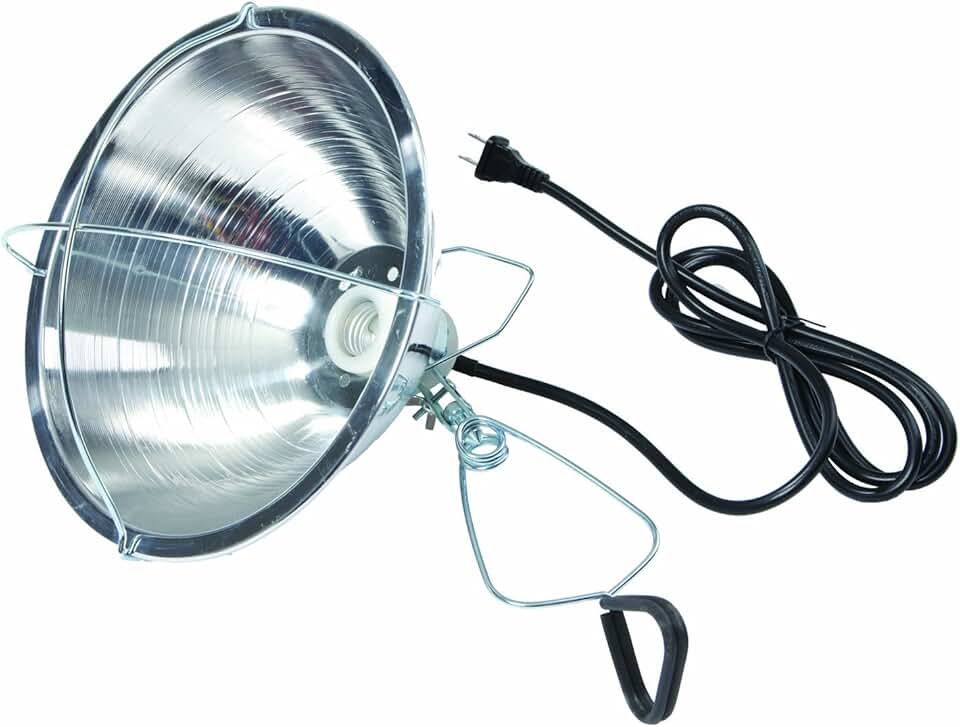
Provides essential heat for baby chicks · 10.5-inch reflector size · 250-watt capacity
This heat lamp is crucial for maintaining the optimal temperature for young chicks, ensuring their healthy development.

No-waste treadle design · Rat and rodent-proof construction · Galvanized steel for durability
This feeder provides a hygienic, waste-reducing, and secure feeding solution that keeps pests away from your flock's food.
As an Amazon Associate I earn from qualifying purchases. Prices may vary.

No comments yet. Be the first to share your thoughts!