

Start with the right Polish variety
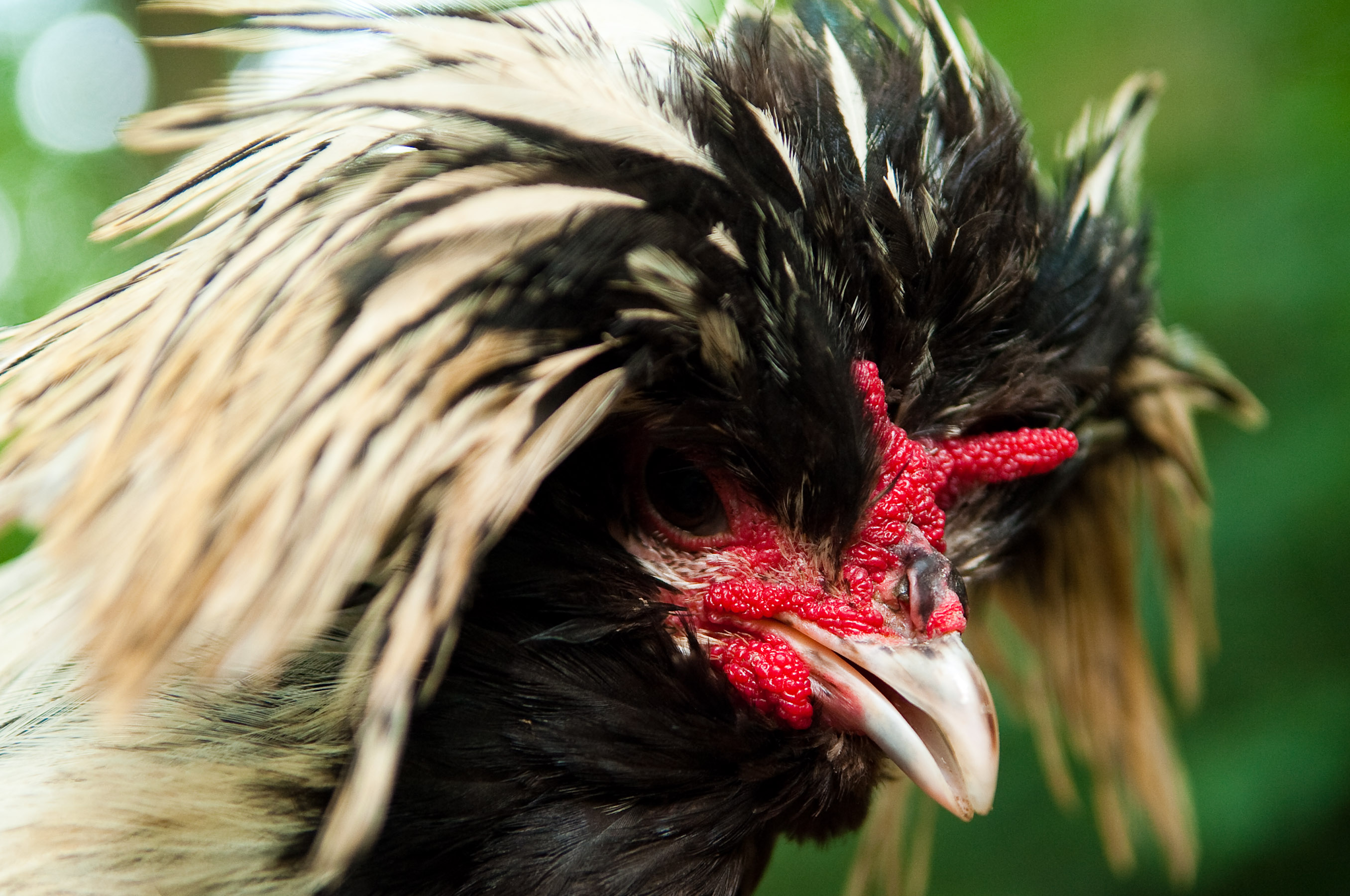
Polish chickens are prized for their distinctive "top hats," but not all varieties lay eggs with equal consistency. The breed’s ornamental heritage often means some lines prioritize crest size and plumage over production. To balance aesthetic appeal with reliable egg laying, you need to select robust lines that have been bred for temperament and fertility rather than show rings alone.
Choosing the right sub-breed is your first step toward a manageable flock. Some varieties are hardier and more consistent layers than others, making them better suited for backyard keepers who want both beauty and utility.
White Crested Black Polish
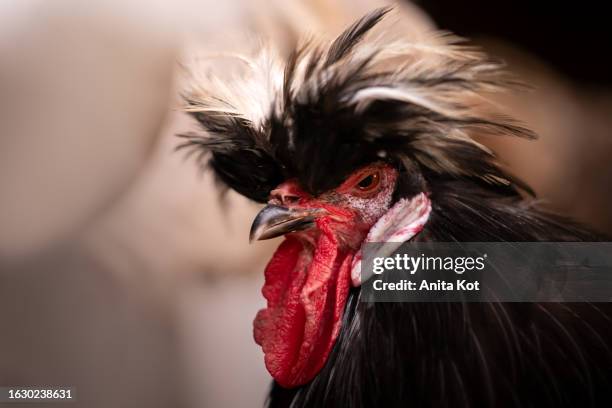
The White Crested Black Polish is one of the most recognizable varieties. These chickens have black bodies with a stark white crest and beard. They are known for being calm and friendly, which makes them easier to manage than some of the more flighty varieties. Egg production is moderate, typically yielding around 150-200 small white eggs per year. Their robust nature makes them a solid choice for beginners who want the classic Polish look without excessive hassle.
Buff Laced Polish
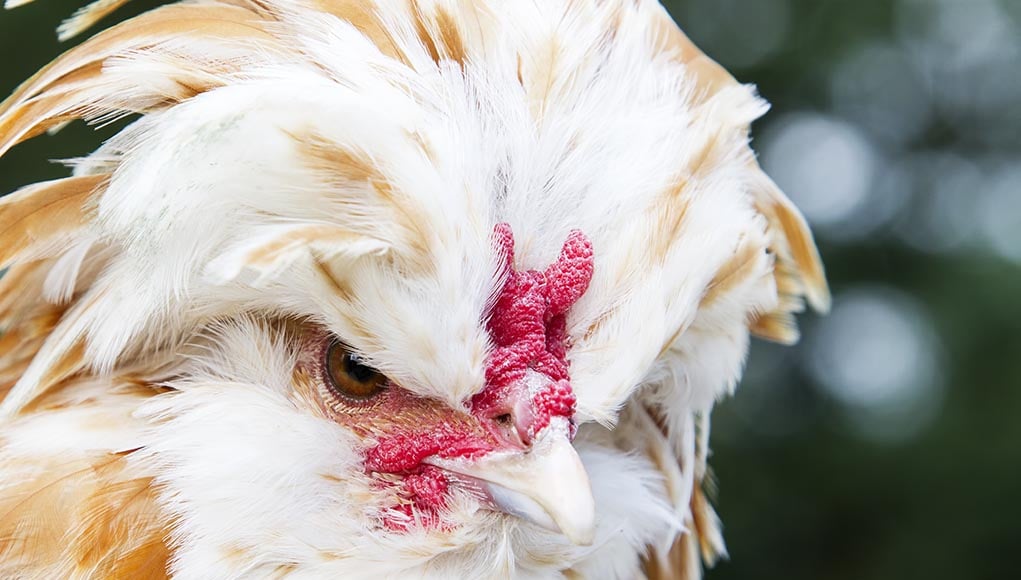
Buff Laced Polish chickens feature a golden-buff body with black lacing on each feather, creating a striking pattern. This variety is often considered slightly more reliable in terms of laying consistency compared to some of the rarer show lines. They lay small to medium brown eggs, averaging 150-180 per year. Buff Laced birds are generally hardy and adapt well to backyard environments, offering a good balance between their ornamental appearance and practical egg production.
Choosing a Robust Line
When sourcing Polish chickens, prioritize hatcheries or breeders who test their birds for laying performance, not just conformation. Avoid birds from purely ornamental shows if consistent egg production is your goal. Look for breeders who can provide data on the hen's annual output and temperament. A bird bred for production will be less likely to succumb to the stressors that often plague purely ornamental lines, ensuring your flock remains productive and healthy.
Modify the coop to protect the crest
Polish chickens carry a large, feathery crest that sits directly above their eyes. This feature makes them vulnerable to debris, moisture, and injury if the housing isn’t adapted. Standard coop setups often trap dirt, dust, or bedding material in that plumage, leading to skin issues or blindness. You need to adjust the interior to keep the crest clean and dry.
Lower and smooth the roosts
Wild chickens naturally seek high perches, but Polish chickens struggle to climb and balance on standard-height roosts. More importantly, their crests catch on rough wood or wire, causing breakage. Install roosts that are lower to the ground—about two feet off the floor. Sand every surface until it is perfectly smooth. Avoid metal roosts, which can be too slippery or cold. This allows them to rest comfortably without their heads getting tangled in the perch.
Choose open-front feeders and waterers
Standard feeders often have narrow openings that force chickens to push their faces deep inside. For Polish chickens, this pushes feed and dust directly into the crest feathers. Use open-front troughs or hang feeders that allow the bird to peck from the side without burying their head. Position these stations at a height where the bird can reach the food without stretching their neck upward, which keeps the crest away from the bowl’s rim.
Install wide, low entry points
The distinctive crest can act like a parachute or a snag point in narrow doorways. If the entrance is too small or high, Polish chickens may hesitate to enter, leaving them exposed to predators or weather. Widen the coop door and lower the threshold. Consider adding a ramp if the entrance is elevated. This ensures they can enter and exit freely without their head getting stuck or their feathers damaged by scraping against the frame.
Add ventilation above the roost line
Moisture is the biggest enemy of a Polish chicken’s health. When humidity rises, the dense crest holds water against the skin, creating a breeding ground for mites and bacteria. Ensure the coop has adequate ventilation near the roof peak, well above where the birds roost. This draws moist air out without creating a draft on the birds themselves. Keep the bedding dry and change it regularly to maintain a clean environment for their unique headgear.
Daily grooming and health checks for Polish chickens
The distinctive crest of Polish chickens is a double-edged sword: it gives the breed its unique charm but creates a high-maintenance hygiene challenge. Because the feathers grow directly from the skull and often obscure the eyes, dirt, feces, and moisture can easily accumulate underneath. This trapped debris creates a breeding ground for lice and mites, which thrive in dark, humid environments. A daily visual check is the most effective way to prevent infestations before they take hold.
Start your routine by gently parting the feathers under the crest. Look closely at the skin and the base of the feathers. You are looking for signs of red mites, which appear as tiny moving specks, or lice eggs (nits) glued to the feather shafts. If you see debris, use a soft, damp cloth or a cotton pad to wipe the area clean. Ensure the skin is completely dry before letting the bird back into the flock to prevent fungal growth.
In addition to the crest, check the vent area and under the wings during your daily inspection. Polish chickens are prone to feather loss around the vent if they become soiled, which can attract flies. Keep the area clean and trim any excess feathers if necessary. A healthy Polish chicken should have bright, clear eyes (once the crest is pushed back) and clean, dry plumage. Catching health issues early through this routine ensures your birds remain productive layers and show-ready birds.
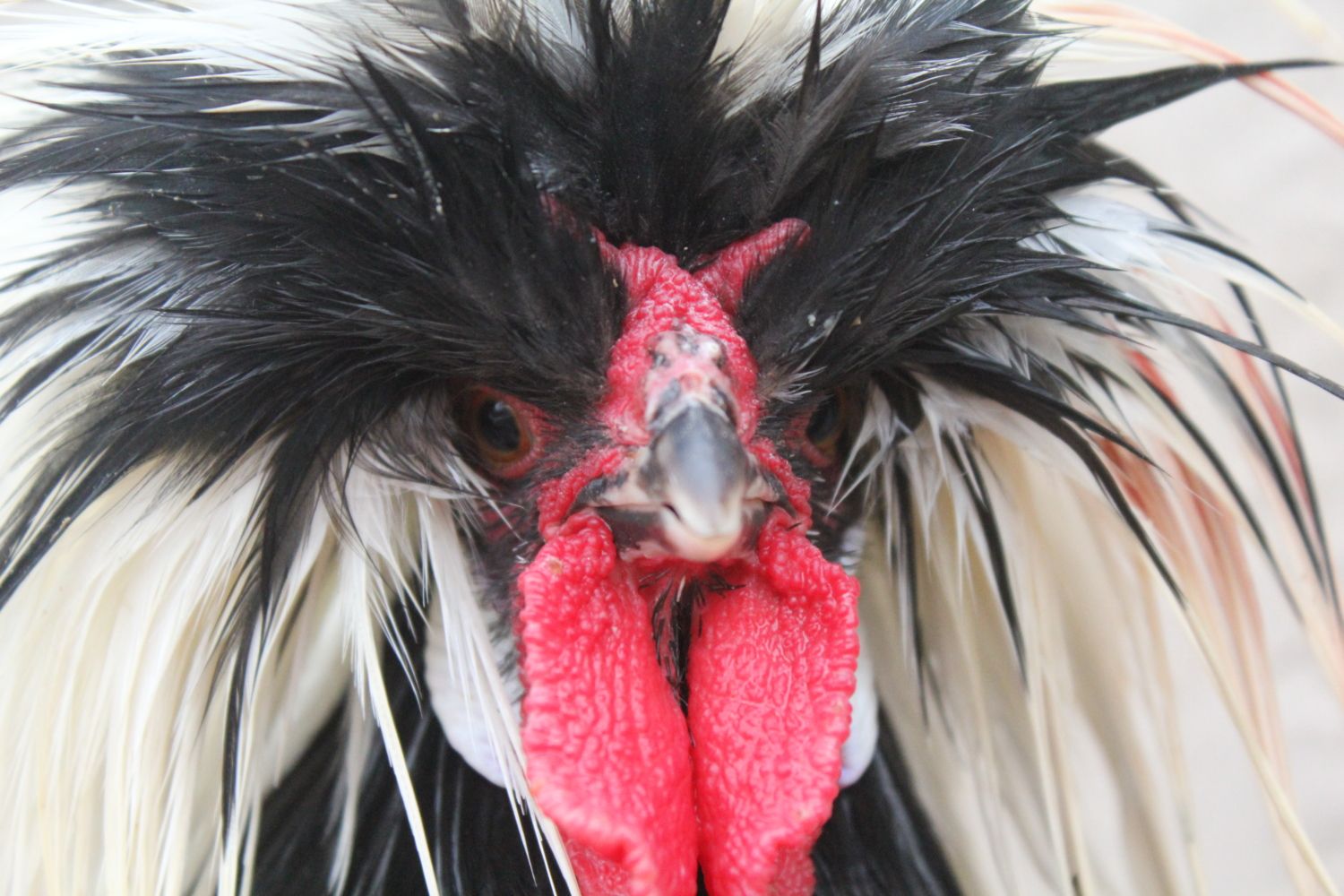
Gently use your fingers to separate the feathers under the crest. Do not pull the skin; simply lift the feathers to expose the scalp underneath. This allows you to see the skin clearly without causing discomfort to the bird.
Look for tiny moving insects (lice or mites) or small white eggs attached to feather shafts. Check for dried feces or mud clumps that might be trapping moisture against the skin. These are the primary indicators that a cleaning is needed.
If debris is present, use a soft cloth dampened with warm water to gently wipe the area. For stubborn dirt, a small amount of bird-safe antiseptic solution can be used. Avoid getting water in the bird's eyes or ears.
Once cleaned, use a dry towel or a hair dryer on a cool, low setting to ensure the skin and feathers are completely dry. Gently fluff the feathers back into their natural position to keep the bird comfortable and ready for the day.
Optimize feed and supplements for eggs
Polish chickens are medium-sized birds, with hens typically weighing between 4 and 5 pounds. This smaller frame means they have lower total caloric needs than larger breeds, but their egg production demands a higher concentration of nutrients. To maintain consistent laying, you must prioritize nutrient density over volume.
1. Select a High-Quality Layer Feed
Start with a commercial layer feed containing 16-18% protein. This baseline supports muscle maintenance and egg formation. Avoid switching brands frequently, as sudden changes can stress the digestive system and temporarily halt production. Polish chickens are not particularly selective eaters, so a standard, reputable brand is sufficient.
2. Provide a Separate Calcium Source
Eggshell formation requires significant calcium. If Polish hens are forced to compete for calcium in their main feed, they may not get enough, leading to thin shells or egg binding. Offer crushed oyster shell or limestone grit in a separate dish. This allows each bird to self-regulate her intake based on her individual needs.
3. Ensure Constant Access to Fresh Water
Water is the primary component of an egg. A laying hen drinks roughly twice as much water as she eats feed. Dehydration causes an immediate drop in production. Check waterers daily, especially in summer, to ensure they are clean and full. Polish chickens can be slower drinkers due to their crests, so use nipple drinkers or wide-mouthed containers to prevent their feathers from getting wet.
4. Limit Treats to Less Than 10%
Treats like scratch grains, vegetables, or mealworms are enjoyable but nutritionally incomplete. If treats make up more than 10% of their diet, they will skip their balanced layer feed, leading to deficiencies. Offer treats in the late afternoon after they have finished their main meals. This ensures their nutritional needs are met before any "dessert" is consumed.
-
Provide 16-18% protein layer feed daily
-
Offer crushed oyster shell in a separate dish
-
Check water levels and cleanliness twice daily
-
Limit treats to under 10% of total intake
Common mistakes new owners make
Polish chickens are docile and visually striking, but their unique crest creates specific care requirements that often trip up first-time keepers. Overlooking these needs leads to stress, injury, or poor egg production.
Overcrowding and bullying
Polish chickens are gentle and rarely assert dominance in a flock. When kept in tight spaces, more aggressive breeds easily bully them away from feeders and waterers. This stress suppresses their immune system and reduces egg output. Maintain at least 4 square feet per bird in the coop and 10 square feet in the run to ensure equal access to resources.
Ignoring vision impairment
Their large, fluffy crests often obscure their field of vision, making them poor judges of distance and obstacles. They frequently walk into fences, get their combs tangled in wire, or fail to spot approaching predators. Trim their crests regularly to keep their eyes clear and inspect their coop for any sharp edges or wires they might not see.
Improper handling
While friendly, Polish chickens are fragile due to their heavy head feathers and often lighter bone structure. Rough handling can cause injury or panic. Always support their body and legs when picking them up, and avoid grabbing them by the crest. This gentle approach builds trust and keeps the flock calm during routine checks.
Frequently asked questions about Polish chickens
Polish chickens are a distinctive breed, but they come with specific trade-offs for egg production. Here are the answers to the most common questions about raising them.
No comments yet. Be the first to share your thoughts!