
The Coop of Tomorrow
Backyard chicken keeping is experiencing a genuine boom. More and more people are discovering the joys of fresh eggs and the satisfaction of a self-sufficient lifestyle. But let’s be honest, traditional chicken coops are…well, traditional. They require consistent maintenance, offer limited security, and don’t exactly scream "modern convenience."
That's where AI-powered chicken coops come in. These aren’t just incremental improvements; they represent a fundamental shift in how we care for our flocks. They promise increased safety from predators, more efficient resource management, and a significant reduction in the daily workload for chicken keepers. It’s about peace of mind, knowing your birds are safe and comfortable even when you’re not around.
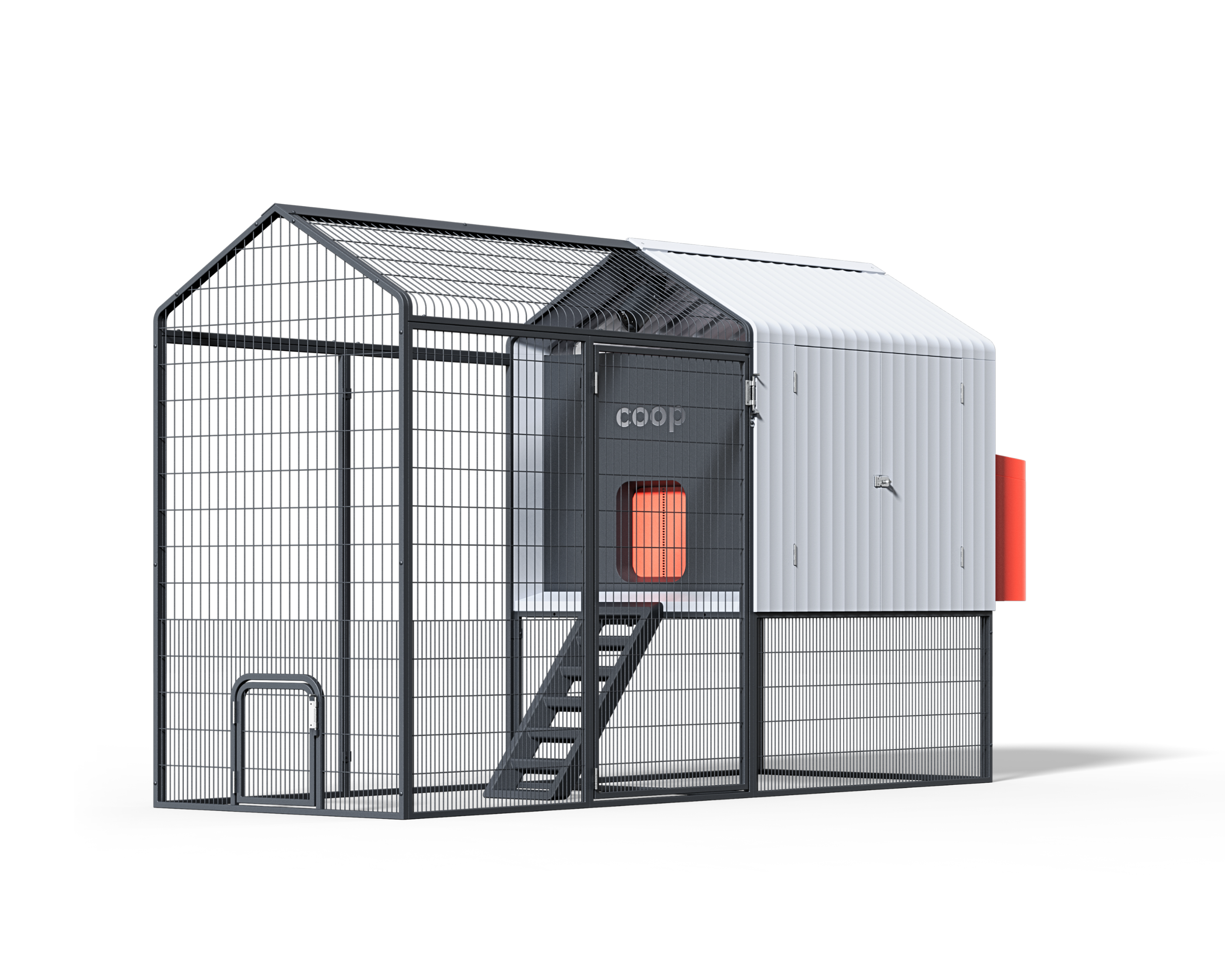
Smart Coop is currently making significant strides in this space. They’re one of the companies leading the charge, integrating technology into all aspects of the chicken-keeping experience. We’re seeing a real move towards a more connected and intelligent approach to raising chickens, and 2026 looks like a pivotal year for this technology.

What Problems Do Smart Coops Solve?
Traditional chicken keeping presents a unique set of challenges. Perhaps the most pressing is predator control. A single raccoon, fox, or hawk can decimate a flock overnight. Securing a coop against these persistent threats requires constant vigilance and often substantial investment in hardware cloth and reinforced construction.
Beyond predators, maintaining a consistent environment is a constant battle. Chickens are sensitive to temperature fluctuations, and both extreme heat and cold can negatively impact egg production and even their health. Cleaning is another time-consuming task, and a dirty coop can quickly become a breeding ground for disease.
Then there’s the issue of monitoring flock health. Identifying a sick chicken early on can be the difference between a minor ailment and a widespread outbreak. But it takes a keen eye and a lot of experience to spot subtle changes in behavior or appearance. All of these issues add up, taking a toll on both the chickens’ well-being and the owner’s time and peace of mind. A raccoon isn't a theoretical problem – a determined one can dismantle a poorly secured coop in a matter of hours.
AI-Powered Features: A Deep Dive
The core of a smart coop lies in its automated features. Many systems, like those offered by Smart Coop, include automated door control. This can be programmed to open and close at specific times, or triggered by ambient light levels, ensuring your chickens are safely secured at night and free to roam during the day. This removes a crucial daily task and adds a layer of security.
Climate control is another significant feature. Some smart coops incorporate heating and cooling systems that automatically adjust to maintain a comfortable temperature inside, protecting your flock from the elements. Remote monitoring via integrated cameras allows you to check on your chickens from anywhere with an internet connection. You can see what's happening in the coop in real-time, providing an extra sense of security.
Automated feeding and watering systems are also common, ensuring your chickens always have access to fresh food and water. But where the "smart’ really comes in is the integration of AI. Smart Coop, for example, utilizes ‘Coop AI ChickenBot" – a user interface that seems designed to simplify control and monitoring. The AI analyzes camera footage to detect potential predators, unusual chicken behavior, and even potential health issues. While the specifics of the algorithms are proprietary, the goal is to provide proactive alerts and insights.
The AI isn’t just passively observing. It’s learning and adapting to your flock’s specific needs. It can recognize individual birds, track their activity levels, and identify anomalies that might indicate a problem. This level of insight was simply impossible with traditional chicken keeping.
- Automated door control (light or time triggered)
- Climate control (heating/cooling)
- Remote monitoring via camera
- Automated feeding/watering
Health Monitoring and Early Warning Systems
One of the most promising applications of AI in chicken keeping is health monitoring. Traditional methods rely on visual inspection, which can be unreliable, especially in the early stages of illness. AI-powered systems can analyze a wealth of data to identify subtle changes that might indicate a problem.
Computer vision is key here. The AI can analyze footage of your chickens to assess their gait, feather condition, and overall behavior. Are they moving normally? Are their feathers ruffled? Are they interacting with the other chickens as usual? Deviations from the norm can be flagged for your attention. It’s about catching problems before they become serious.
Changes in egg production can also be an early indicator of illness or stress. Smart coops can track egg laying patterns and alert you to any significant drops in production. While I’m not sure if current systems can reliably detect early signs of specific diseases like coccidiosis, the potential is certainly there. The ability to proactively identify and address health issues could dramatically improve flock health and reduce losses.
Cost and Setup: What to Expect
Let’s be realistic: smart coops are not cheap. You’re paying for the technology, the automation, and the peace of mind. While pricing varies depending on the size and features, you can expect to pay significantly more than for a traditional coop. Based on current market offerings, a smart coop capable of housing 4-6 chickens could easily range from $1,500 to $4,000 or more.
The cost breakdown typically includes the coop itself, any necessary installation fees (if you’re not comfortable with DIY), and potentially ongoing subscription fees for software updates or cloud storage. Some systems may also require additional hardware, such as sensors or cameras.
The setup process also varies. Some smart coops are designed for relatively easy DIY assembly, while others may require professional installation. Consider your own technical skills and comfort level when making a decision. It’s important to factor in the time commitment involved, as well as the potential for unforeseen challenges.
Chicken Coop Comparison: Traditional vs. Automated vs. AI-Powered (Projected 2026)
| Feature | Traditional Coop | Basic Automated Coop | AI-Powered Coop |
|---|---|---|---|
| Upfront Cost | Lowest | Moderate | Highest |
| Ongoing Maintenance | High - Daily cleaning, manual checks | Moderate - Reduced cleaning frequency, some automated tasks | Low - Automated cleaning, predictive maintenance alerts |
| Security | Moderate - Reliant on physical locks and owner vigilance | Improved - Automatic door control, potential for remote monitoring | High - Advanced intrusion detection, remote alerts, potential integration with security systems |
| Convenience | Low - Requires significant daily time commitment | Moderate - Simplifies some tasks like door operation and ventilation | High - Fully automated operation, remote control and monitoring via smartphone/tablet |
| Health Monitoring | Manual Observation - Owner responsible for identifying health issues | Limited - May include temperature/humidity sensors | Advanced - Behavioral monitoring, early disease detection through AI analysis, alerts for potential health concerns |
| Data Privacy | Not Applicable - No data collection | Basic - Data related to door/ventilation schedules may be stored | Considerations - Data on flock behavior, health, and environment is collected; requires robust security measures and transparent data policies |
| Environmental Control | Manual - Owner adjusts ventilation and temperature | Automated - Automatic ventilation and temperature control based on pre-set parameters | Intelligent - AI-driven optimization of environmental conditions for optimal chicken health and egg production |
Illustrative comparison based on the article research brief. Verify current pricing, limits, and product details in the official docs before relying on it.
Privacy and Security Concerns
The inclusion of cameras in the coop raises legitimate privacy concerns. Who has access to the footage? How is the data stored and protected? These are important questions to ask before investing in a smart coop. You need to understand the manufacturer’s data privacy policies and ensure they align with your own values.
Data security is another concern. Could a hacker gain access to your coop’s system and potentially compromise its security features? While manufacturers are taking steps to mitigate these risks, it’s important to be aware of the potential vulnerabilities. Strong passwords, regular software updates, and a secure home Wi-Fi network are all essential.
It’s also worth considering the potential for unintended consequences. For example, the constant monitoring could disrupt the chickens’ natural behavior or create stress. Finding a balance between security and privacy is crucial. Transparency from manufacturers about data usage and security protocols is paramount.
The 2026 Outlook: What's on the Horizon?
Looking ahead to 2026 and beyond, the future of smart coops is incredibly exciting. We can expect to see even more sophisticated AI algorithms that can provide increasingly accurate and personalized insights into flock health and behavior. Integration with other smart home devices is also likely, allowing you to control your coop alongside your lights, thermostat, and security system.
Predictive analytics is another area with huge potential. Imagine a system that can anticipate your chickens’ needs based on historical data and environmental factors. For example, it could predict an increased risk of heat stress during a heatwave and automatically adjust the coop’s cooling system. The potential for open-source platforms and DIY smart coop projects is also growing.
I believe we’ll see a shift towards more modular and customizable systems, allowing chicken keepers to tailor their coops to their specific needs and budgets. The cost of smart coop technology will likely decrease over time, making it more accessible to a wider range of people. Ultimately, the goal is to create a truly intelligent and responsive chicken keeping experience.
Finding Smart Coops and Resources
If you’re interested in learning more about smart coops or purchasing one, Smart Coop is a great place to start: My Pet Chicken also carries the Smart Coop and offers a wide range of chicken-keeping supplies:
There are also numerous online communities and forums where chicken keepers discuss smart coop technology and share their experiences. Backyard Chickens () is a popular and active forum. These resources can provide valuable insights and help you make an informed decision.



No comments yet. Be the first to share your thoughts!