
The feed foundation
Egg production is a direct result of what goes into the beak. If a hen only eats kitchen scraps, she won't have the raw materials to build a strong shell or a consistent yolk. I've found that focusing on specific nutrient ratios is more effective than just keeping their bellies full.
We often talk about breeds and coop setups, but those things only get you so far. A hen in a perfect coop, but with a poor diet, won’t lay as well as a hen with a simpler setup but excellent nutrition. The foundation of egg production is a balanced diet providing adequate protein, carbohydrates, fats, vitamins, and minerals. It isn’t about filling their bellies; it’s about fueling their bodies to create eggs.
I’ve seen firsthand how a simple change in feed can dramatically improve a flock’s performance. It’s not always glamorous, but it’s consistently the most effective thing you can do. Remember, a happy hen is a productive hen, and that happiness starts with the right food. We’ll move beyond just "chicken feed" and look at the specifics that make a real difference.
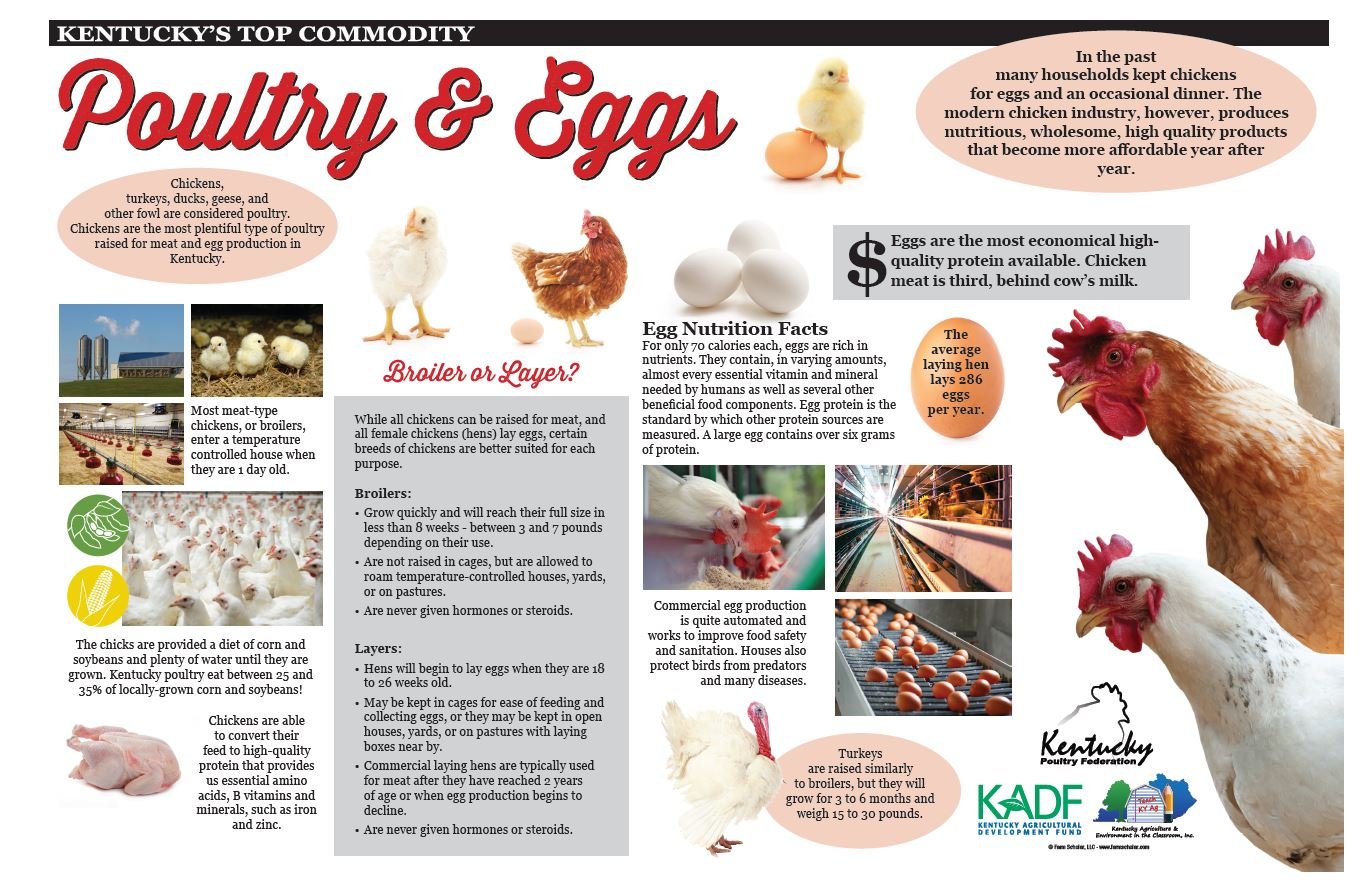
Choosing a core layer pellet
Standard layer pellets are the easiest way to ensure your hens get what they need. I look for bags with 16% to 18% protein and at least 3.5% calcium. If you go cheaper, you usually see it in the eggs—thin shells that crack before you can get them to the kitchen.
Different life stages require different formulations. Pullets (young hens before laying) need a grower feed with lower calcium to support bone development, generally around 14-16% protein. Once they start laying, switching to a layer feed is essential. Older hens, as their laying rate declines, can benefit from a "senior" layer feed with slightly reduced protein and increased fiber. Failing to adjust the feed as their needs change is a common mistake I see.
Organic versus conventional layer feed is a common debate. Organic feeds are free from synthetic pesticides and fertilizers, which appeals to many owners. However, they can be more expensive and may not always offer a significant nutritional advantage. I recommend researching brands and reading ingredient lists carefully, regardless of whether you choose organic or conventional. Purina and Nutrena are two brands I’ve consistently found to be reliable, but there are many others.
Supplements for better shells
Layer pellets provide a good base, but supplementing can really elevate your hens' egg production. Calcium is often the first thing people think of, and for good reason. Oyster shell or limestone are excellent additions, especially during peak laying. Providing it free-choice allows hens to self-regulate their intake. Don't just dump a bag of oyster shell in the coop, though; offer it in a separate container.
Protein boosts can be beneficial, particularly during molting or times of stress. Black oil sunflower seeds (BOSS) are a fantastic source of protein and healthy fats. Mealworms are another popular option, though they can be expensive. Grit – small stones or sand – is also essential for digestion, as chickens don’t have teeth to break down food. They need grit to grind up their food in the gizzard.
However, moderation is key. Too much protein can lead to kidney issues, and too much calcium can cause shell abnormalities. I’ve learned through trial and error that a little goes a long way. A handful of BOSS or mealworms a few times a week is usually sufficient. Observe your hens; if they're leaving a lot of supplement uneaten, they likely don't need it.
Here's a quick reference for supplemental feeding:
• Oyster Shell/Limestone: Free-choice, for calcium • Black Oil Sunflower Seeds: 1-2 tablespoons per hen, per week, for protein • Mealworms: A small handful a few times a week, for protein and enrichment • Grit: Always available, especially if hens don’t have access to a dirt area
- Oyster shell or limestone: Keep this in a separate dish so they can eat it when they feel a deficiency.
- Black oil sunflower seeds: Give them about a tablespoon each week for a protein hit.
- Mealworms: A small handful a few times a week, for protein and enrichment
- Grit: Always available, especially if hens don’t have access to a dirt area
Supplemental Feed Options for Enhanced Egg Production
| Supplemental Feed | Protein Content | Calcium Content | Fat Content | Impact on Egg Production |
|---|---|---|---|---|
| Oyster Shell | Low | Very High | Low | Strengthens eggshells, prevents thin shells. Best used for laying hens. |
| Sunflower Seeds | Moderate | Low | High | Supports feather health and provides energy. Can contribute to richer yolk color. |
| Mealworms | High | Low | Moderate | Excellent protein source, particularly valuable during molting or winter. Boosts overall hen health and egg quality. |
| Flaxseed | Moderate | Low | Moderate | Rich in Omega-3 fatty acids, improving egg nutritional value and potentially yolk color. |
| Black Oil Sunflower Seeds (BOSS) | Moderate | Low | Higher | Good energy source, promotes healthy plumage, and can improve yolk color. More palatable than standard sunflower seeds. |
| Dried Kelp | Moderate | Moderate | Low | Provides trace minerals and supports overall health. May contribute to stronger shells and improved egg quality. |
| Pumpkin Seeds | Moderate | Low | Moderate | Good source of nutrients and may help with parasite control. Contributes to overall hen health. |
Qualitative comparison based on the article research brief. Confirm current product details in the official docs before making implementation choices.
Kitchen Scraps: Smart Additions
Chickens are notorious for being garbage disposals, but not everything you toss in the kitchen is safe or beneficial for them. According to Purina and Grubbly Farms, many vegetables like lettuce, beets, broccoli, carrots, kale, and cucumbers are perfectly fine. Fruits such as apples, blueberries, strawberries, and watermelon can be offered in moderation. Herbs like lavender, mint, and oregano can even add variety and potential health benefits.
However, there's a definite 'no' list. Avocado pits and skins are toxic to chickens. Chocolate, onions, garlic, and anything moldy should be strictly avoided. Cooked bones can splinter and cause internal damage. Dairy products can upset their digestive systems. It’s always better to err on the side of caution; if you’re unsure, don’t feed it to your chickens.
Personally, I find watermelon rinds are a huge hit, especially during hot weather. Blueberries are another favorite, and they add a nice color to the yolks. I also regularly give them leftover cooked vegetables, like steamed broccoli. The key is to offer scraps as a supplement, not a replacement for their layer feed. They shouldn’t make up more than 10-15% of their daily intake.
Seasonal Adjustments: Winter & Heat
A chicken's dietary needs aren't static; they change with the seasons. In winter, chickens need more energy to stay warm, so increasing their fat and carbohydrate intake is crucial. Adding cracked corn or black oil sunflower seeds to their feed can help. Ensuring access to unfrozen water is also paramount—a heated waterer is a worthwhile investment. Foraging opportunities are reduced in winter, so you’ll need to compensate with more feed.
During hot weather, chickens need to stay hydrated. Providing cool, fresh water is essential, and adding electrolytes can help replenish those lost through panting. Watermelon and other watery fruits and vegetables can also contribute to hydration. Avoid feeding them heavy meals during the hottest part of the day, as digestion generates heat. Recognize the signs of heat stress – panting, wings spread, lethargy – and move them to a cooler area.
I’ve noticed that hens tend to eat less during extreme heat, so ensuring they’re still getting enough nutrients is important. Offering smaller, more frequent meals can help. Providing shade and ventilation is just as important as adjusting their diet. A well-managed coop with seasonal adjustments will significantly improve egg production year-round.
Water: Often Overlooked, Always Essential
It’s easy to get caught up in what chickens eat, but water is just as crucial. Clean, fresh water should be available at all times. Chickens drink a significant amount of water, especially during hot weather, and dehydration can quickly lead to reduced egg production and health problems. I always recommend having multiple water sources to ensure accessibility.
Water temperature can also impact intake. In winter, using a heated waterer prevents freezing. In summer, providing cool water can encourage them to drink more. Adding electrolytes to the water during times of stress—heat, molting, illness—can help replenish lost nutrients and support their immune system.
I prefer using nipple waterers, as they help keep the water clean and reduce spillage. However, traditional waterers work fine too, as long as they’re cleaned regularly to prevent algae growth and bacterial contamination.

No comments yet. Be the first to share your thoughts!