

Spot the crest problems
The most immediate issue with polish chickens is that their headgear often blocks their vision. This isn't just an aesthetic quirk; it's a physical hazard. When the crest grows too long, it completely obscures the bird's eyes, turning the coop into a maze of invisible obstacles. You might notice your flock bumping into walls, struggling to find the roost, or failing to locate feeders and waterers.
Debris accumulation is the second major symptom. The dense feathers around the eyes trap dust, manure, and bedding material. If left unchecked, this buildup can lead to infections or further impair vision. Regular checks are essential. Look closely at the face for matted feathers or crusty eyes. If the bird seems hesitant to move or is frequently blinking, the crest is likely the culprit.
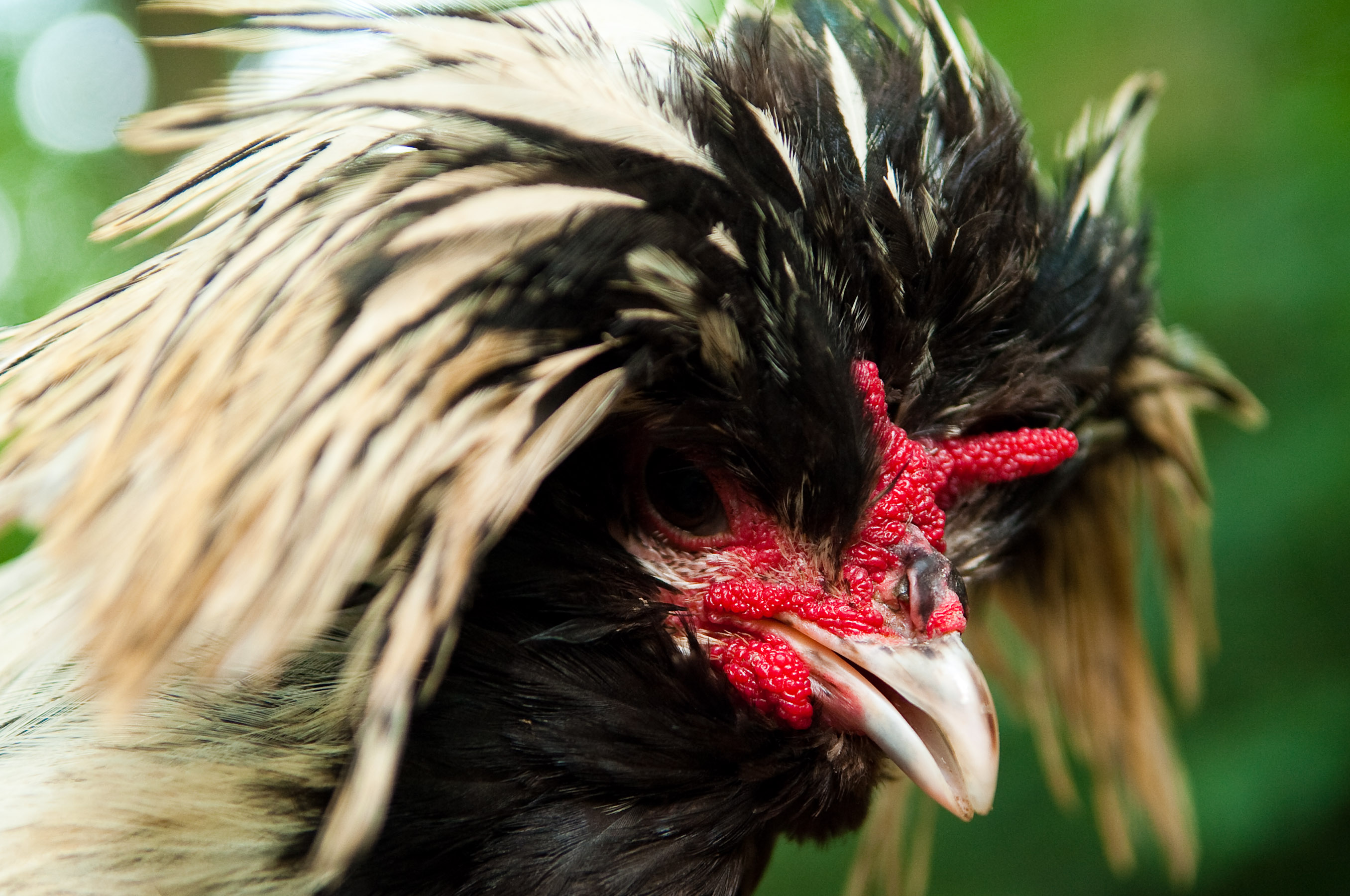
Addressing these problems requires a proactive approach. Trim the feathers around the eyes every few weeks to restore sight. Clean the area gently to remove any trapped debris. By keeping the crest manageable, you ensure your birds can eat, drink, and socialize without fear or confusion.
Trim feathers safely
The large, flowing crest that defines polish chickens is beautiful but often becomes a liability. When feathers grow over the eyes, your birds can’t see predators, food, or water, leading to dehydration, starvation, or injury from coop hazards. They also become vulnerable to bullying because they cannot defend themselves or join the flock in the run. Regular trimming is not just cosmetic; it is a necessary health intervention to restore their vision and safety.
Before you begin, gather blunt-tipped grooming scissors, a helper, and a towel. Choose a calm time of day, such as after the birds have settled for the night or during a quiet afternoon. Having a helper is critical because even the most docile polish chicken will struggle if they feel blind or trapped. One person should gently but firmly hold the bird against their chest, ensuring the head is stable and the body is secure.
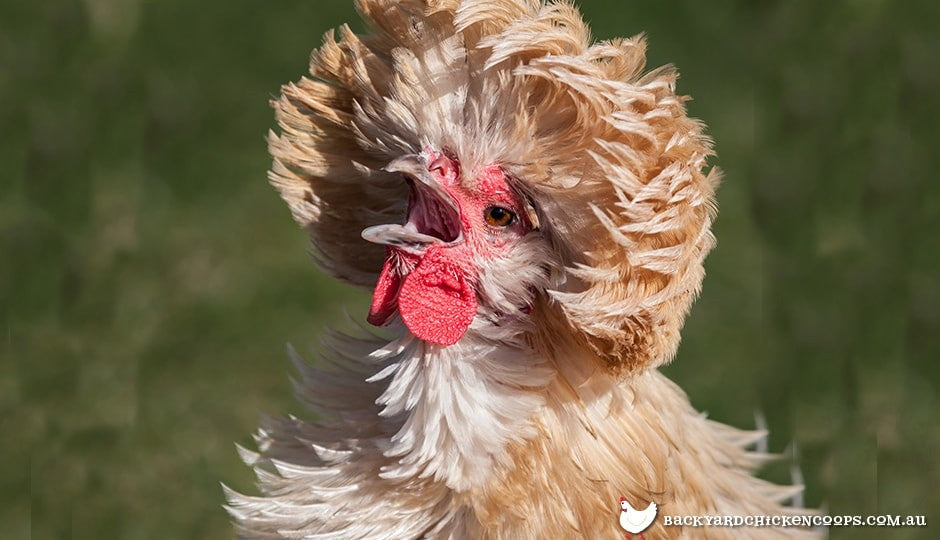
Place the chicken on a stable surface or your lap. Wrap the bird gently in a towel if necessary to limit wing movement, but leave the head accessible. Your helper should support the bird's body while you focus entirely on the head. This restraint prevents sudden jerks that could lead to accidental cuts or stress injuries.
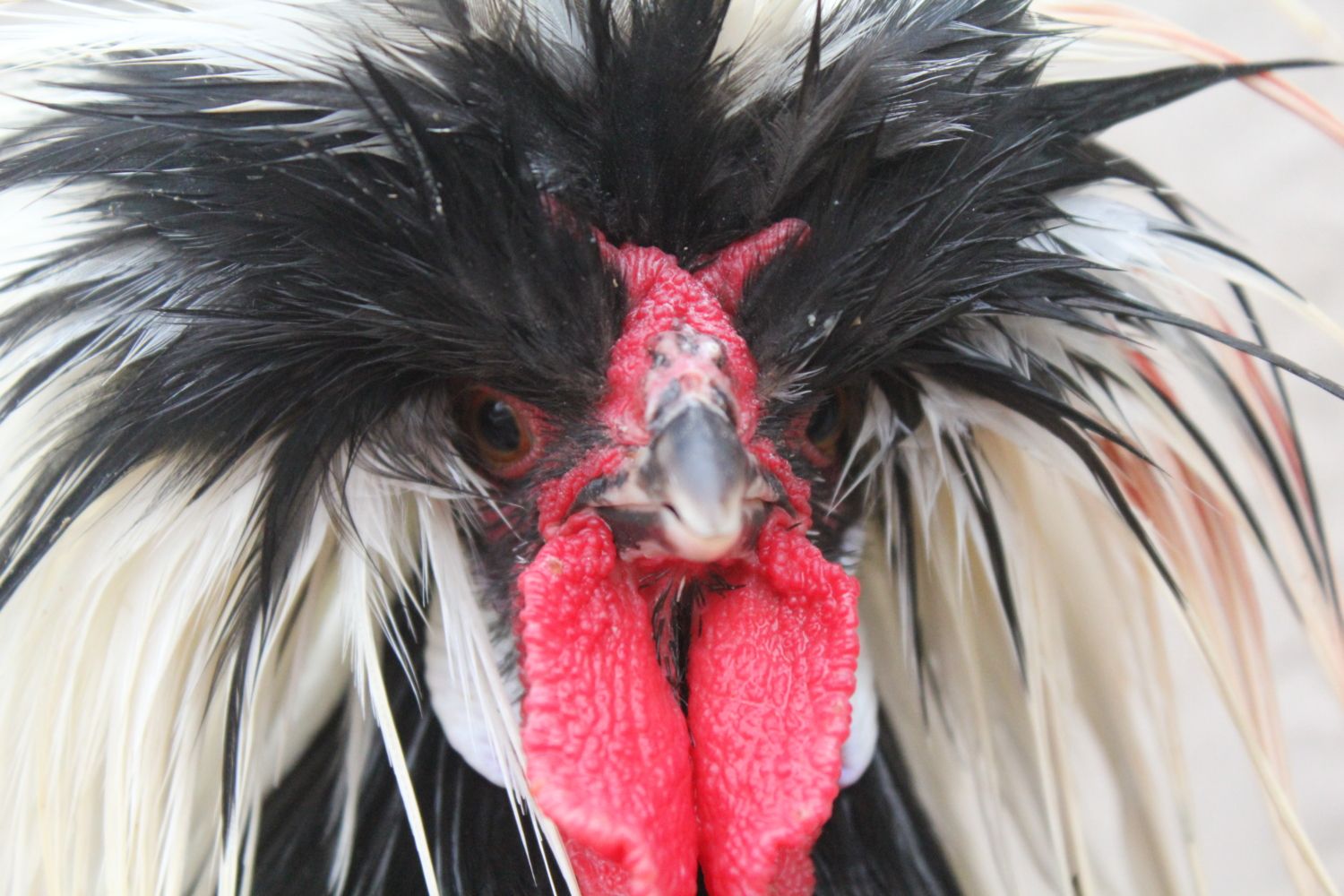
Use your fingers to gently lift and separate the crest feathers around the eye area. You need to see the actual eyelid and the surrounding skin clearly. Do not pull the feathers; simply lift them out of the way. If the crest is matted, use a fine-toothed comb lightly before trimming to ensure you are cutting clean hair, not pulling out skin.
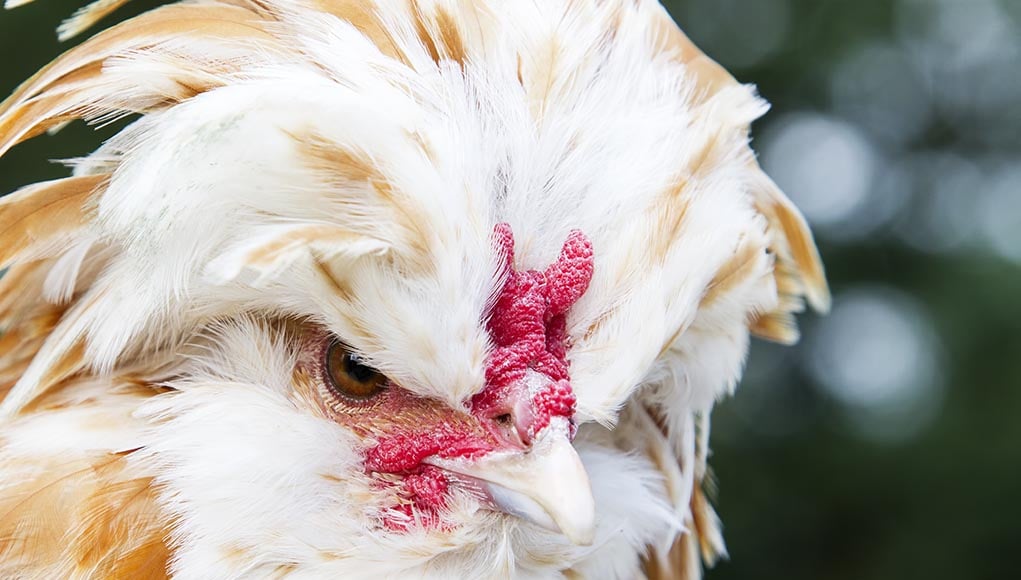
Using blunt-tipped scissors, cut the feathers that hang over the eye. Keep the blades parallel to the brow ridge, cutting only the excess length. Never point the scissors toward the eye itself. It is safer to cut slightly shorter than longer; you can always trim more later, but you cannot reattach feathers. Aim for a length that keeps the eyes fully visible and unobstructed.
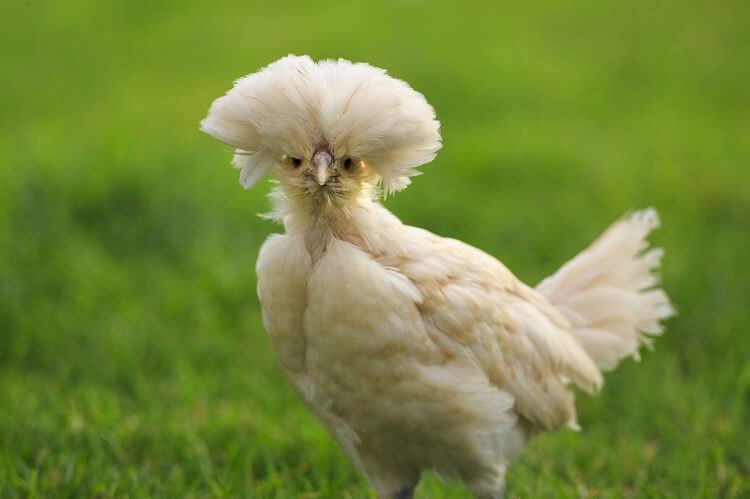
Once both eyes are clear, step back and observe the bird. Ensure the cut is balanced so the crest does not look uneven. Gently release the bird and watch for a moment to confirm they are blinking normally and looking around without hesitation. If the bird seems distressed or continues to have vision issues, re-evaluate the trim for any remaining stray feathers.
After the trim, monitor the bird closely for the next few hours. Polish chickens may act confused or disoriented until they adjust to their restored field of vision. Ensure they can find the roosting bar and water source without difficulty. Regular maintenance every few weeks will prevent the crest from becoming a hazard again, keeping your flock healthy and happy.
Adjust the coop setup
Polish chickens face a unique set of challenges in the flock: their heavy crests obstruct vision, and their docile temperament makes them vulnerable to bullying. Without intervention, these birds often end up at the bottom of the pecking order, unable to find feed or water before others do, or suffering injuries from aggressive pecking at their exposed heads.
To keep your Polish chickens safe and healthy, the coop environment must be modified to compensate for their limited sightlines and gentle nature. Standard coop setups favor fast, aggressive birds. By lowering perches, widening feeders, and adding visual barriers, you create a space where crested birds can navigate without bumping into objects or being ambushed.
Coop Modifications for Limited Vision
The primary goal is to reduce the need for sharp eyesight. Polish chickens often walk into walls or miss roosting bars because they cannot see the ground clearly. Lowering roosting bars to 12-18 inches allows them to hop up and down easily without judging distance. Wide, accessible feeders ensure they can eat without head-bobbing into other birds.
| Feature | Standard Coop Setup | Polish-Friendly Modification |
|---|---|---|
| Roosting Bars | 2-4 feet high | 12-18 inches high |
| Feeders | Narrow troughs | Wide, shallow pans |
| Perch Spacing | Minimal space | Extra width per bird |
| Lighting | Standard overhead | Soft, diffused light |
| Nesting Boxes | Standard height | Lower entrance or ramp |
Preventing Bullying and Injury
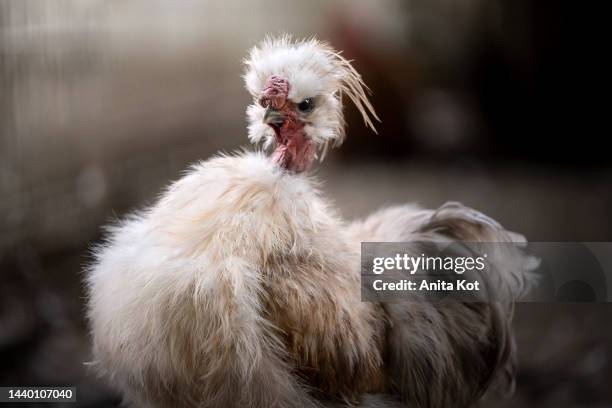
Bullying often starts with pecking at the crest, which can cause bleeding and infection. To prevent this, provide ample space so birds don't feel trapped. Adding visual barriers like hanging bales of hay or dividing the run into smaller sections reduces the ability of aggressive birds to chase and corner Polish chickens.
Regular head trimming is also essential. Keeping the crest trimmed back prevents it from becoming matted with dirt or feces, which attracts flies and invites pecking. A clean, trimmed head is less likely to be targeted by flock mates, allowing your Polish chickens to integrate peacefully into the group.
Manage flock dynamics
Polish chickens often find themselves at the bottom of the pecking order, not because they are weak, but because their defining feature—the crest—blinds them. When feathers cover their eyes, these birds cannot see an attacker coming. This visibility issue creates a specific set of behavioral symptoms: you may notice a Polish hen being constantly harassed, missing out on food, or standing frozen while more assertive breeds assert dominance.
The root cause is physical, not temperamental. While Polish chickens are generally docile and friendly, their lack of peripheral vision makes them vulnerable in mixed flocks. Aggressive breeds, such as Rhode Island Reds or certain gamebird mixes, will quickly identify this weakness. Without the ability to spot a peck coming from the side or behind, the Polish bird becomes an easy target for bullying, leading to stress, feather loss, and potential injury.
To protect your flock, you must manage the environment to compensate for their vision. First, separate feeding stations are essential. Place food and water in quiet, low-traffic corners where dominant birds cannot loiter and intimidate. This ensures your Polish chickens can eat and drink without fear. If bullying persists, consider keeping them in a separate run during peak activity hours, or use a larger coop with multiple hiding spots to reduce confrontation.
Adding visual aids to the flock can also help. Some keepers trim the feathers around the eyes to improve visibility, though this requires regular maintenance. Alternatively, providing ample space and enrichment reduces overall flock tension. By understanding that their vulnerability stems from their crest, you can create a safer environment where your Polish chickens thrive alongside more assertive breeds.
Check egg production
It is easy to expect a Polish hen to behave like a Rhode Island Red, but that expectation often leads to disappointment. These birds were bred primarily for their show quality plumage rather than agricultural output. While they are heritage birds with a history of productivity, their modern role is often more ornamental. Understanding their actual laying habits helps manage expectations and prevents unnecessary worry when the nest box stays empty.
The Reality of White Eggs
Polish hens lay small to medium white eggs. This is their only consistent contribution to the flock’s productivity. The eggs are not significantly different in taste or quality from other breeds, but the shell color is distinct. If you are collecting brown or tinted eggs, they are not coming from your Polish hens.
Production levels are moderate at best. A healthy hen might lay 150 to 200 eggs per year, which is less than high-yield commercial breeds. They often slow down or stop completely during the winter months or when the weather turns hot. This is normal behavior for crested breeds that prioritize feather maintenance over constant egg laying.
Low Broodiness
One of the most frustrating aspects for new owners is that Polish chickens rarely go broody. While some might see this as a downside, it can be a significant advantage. You do not need to constantly interrupt their laying cycle to break their broodiness, which can halt egg production for weeks. However, this trait also means you cannot rely on them to hatch and raise chicks naturally. If you want to expand your flock, you will need an incubator or a foster hen from another breed.
Managing Expectations
If your Polish hens have stopped laying, do not immediately assume they are sick. Check their vision and social standing first. Bullying can cause stress that halts production, and their impaired vision makes them vulnerable to pecking by more aggressive breeds. Ensure they are getting enough calcium and protein to support eggshell formation. If they are healthy and comfortable, the low output is simply part of their nature. Enjoy them for their unique appearance and friendly demeanor, not for their egg-laying capacity.
Polish chicken care checklist
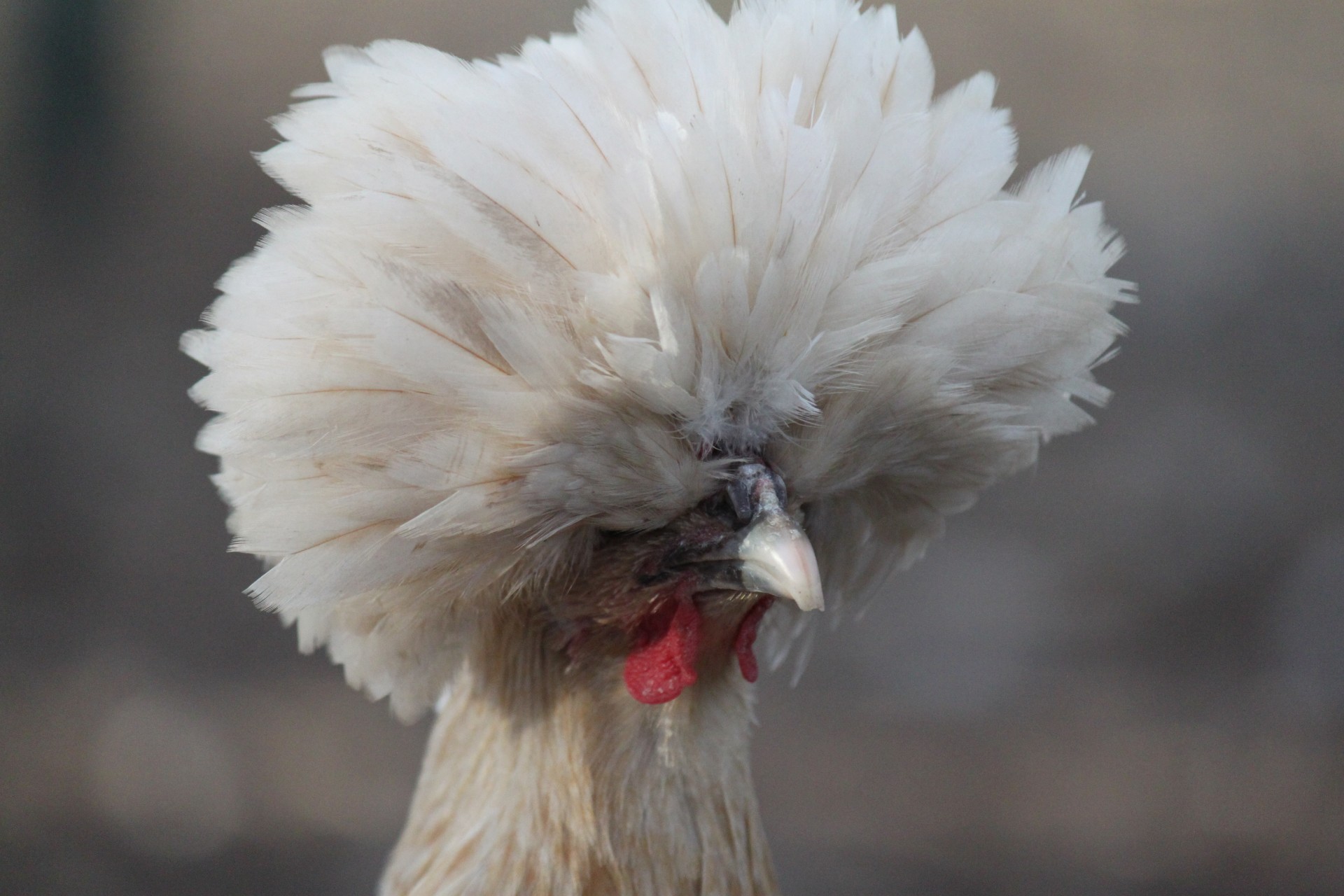
Polish chickens often face vision blockage and bullying because their feathers obscure sight. A daily crest check prevents these issues before they start.
Daily checks
- Inspect the crest: Look for dirt or matted feathers blocking the eyes. Trim carefully with blunt-tipped scissors if needed.
- Check for bullying: Watch for feather picking on the head or neck. Isolated birds may need a separate run.
- Verify water and feed: Ensure clean water is available. Polish chickens are poor foragers and may miss food on the ground.
Weekly maintenance
- Clean the coop: Remove droppings and replace bedding. Polish chickens prefer dry, clean environments to prevent respiratory issues.
- Trim the crest: If the crest grows too large, trim it every few weeks to maintain vision. This is essential for their safety.
- Inspect the beak: Check for overgrown beaks or mites. Polish chickens are docile and may not defend themselves against pests.
Monthly tasks
- Deep clean the coop: Scrub surfaces with a safe disinfectant. This prevents the buildup of bacteria and parasites.
- Check the run: Ensure the enclosure is secure. Polish chickens are slow and may struggle to escape predators or aggressive flock members.
- Health assessment: Weigh the bird and check for signs of illness. Polish chickens are prone to respiratory issues, so monitor breathing closely.
-
Check crest for eye blockage
-
Inspect for bullying or feather picking
-
Verify water and feed availability
-
Clean coop and replace bedding
-
Trim crest if vision is impaired
-
Check beak for mites or overgrowth
-
Deep clean coop monthly
-
Secure run against predators
Polish chicken care: what to check next
Polish chickens are excellent birds for children interested in showing poultry due to their flashy appearance and docile temperament, but they come with unique care requirements that differ from standard breeds. Understanding their specific needs helps prevent common health issues and ensures they thrive in your flock.
Addressing these common concerns early ensures your Polish chickens remain healthy and productive members of your backyard flock.
No comments yet. Be the first to share your thoughts!