
The Egg Price Shock of '26
Egg prices have been on a rollercoaster, haven't they? We saw the dramatic spikes of 2022 and early 2023, followed by a bit of relief. But the situation remains precarious, and frankly, I think a lot of people are bracing for another increase. The USDA reported in April 2026 that wholesale egg prices had dipped to $0.21 per dozen, a welcome change after the highs, but this decrease shouldn’t lull anyone into a false sense of security.
Underlying factors—like ongoing avian influenza outbreaks and concentrated supply chains—haven't disappeared. The Lowering Egg Prices Act of 2025 aimed to address some of these issues, but its impact has been limited. While the Act sought to increase competition and transparency in the egg market, the fundamental vulnerabilities remain. It’s a band-aid on a much larger problem.
Owning a flock is about more than saving a few dollars; it is about food security. Having your own supply is a direct way to opt out of the commercial market's price swings. I've found that while it isn't a magic fix for every budget, it provides a level of independence that a grocery store can't match.
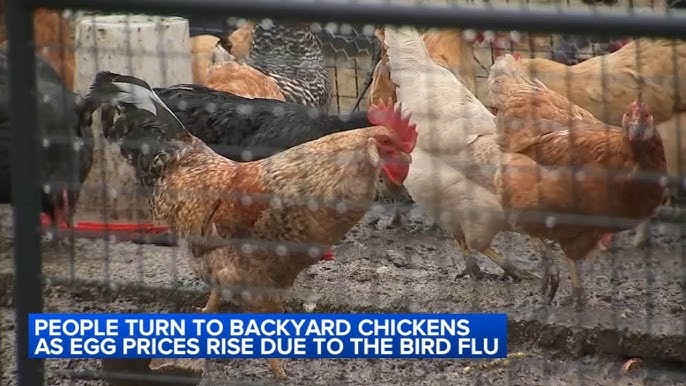
The reasons for high prices
The biggest culprit, without a doubt, is Highly Pathogenic Avian Influenza (HPAI). The outbreaks of 2022 and 2023 decimated the laying hen population, leading to significant supply disruptions. While vaccination efforts are underway, HPAI is proving to be a persistent threat, and new outbreaks continue to occur. This ongoing risk keeps prices elevated.
Beyond the disease itself, supply chain issues continue to play a role. Transportation costs, labor shortages, and processing bottlenecks all add to the final price of eggs. And let’s not forget feed costs. The price of corn and soybeans, key ingredients in chicken feed, fluctuates with global markets and weather patterns, directly impacting the cost of production.
Finally, the consolidation of the egg industry is a significant factor. A relatively small number of companies control a large percentage of the egg supply, which limits competition and gives them more power to set prices. A recent YouTube video highlighted increases in egg supply in Texas, reporting an average price of $2.50 a dozen, but that’s a temporary fix. Supply increases are cyclical, and we're likely to see prices climb again as the underlying issues aren't being addressed.
Calculating the cost offset
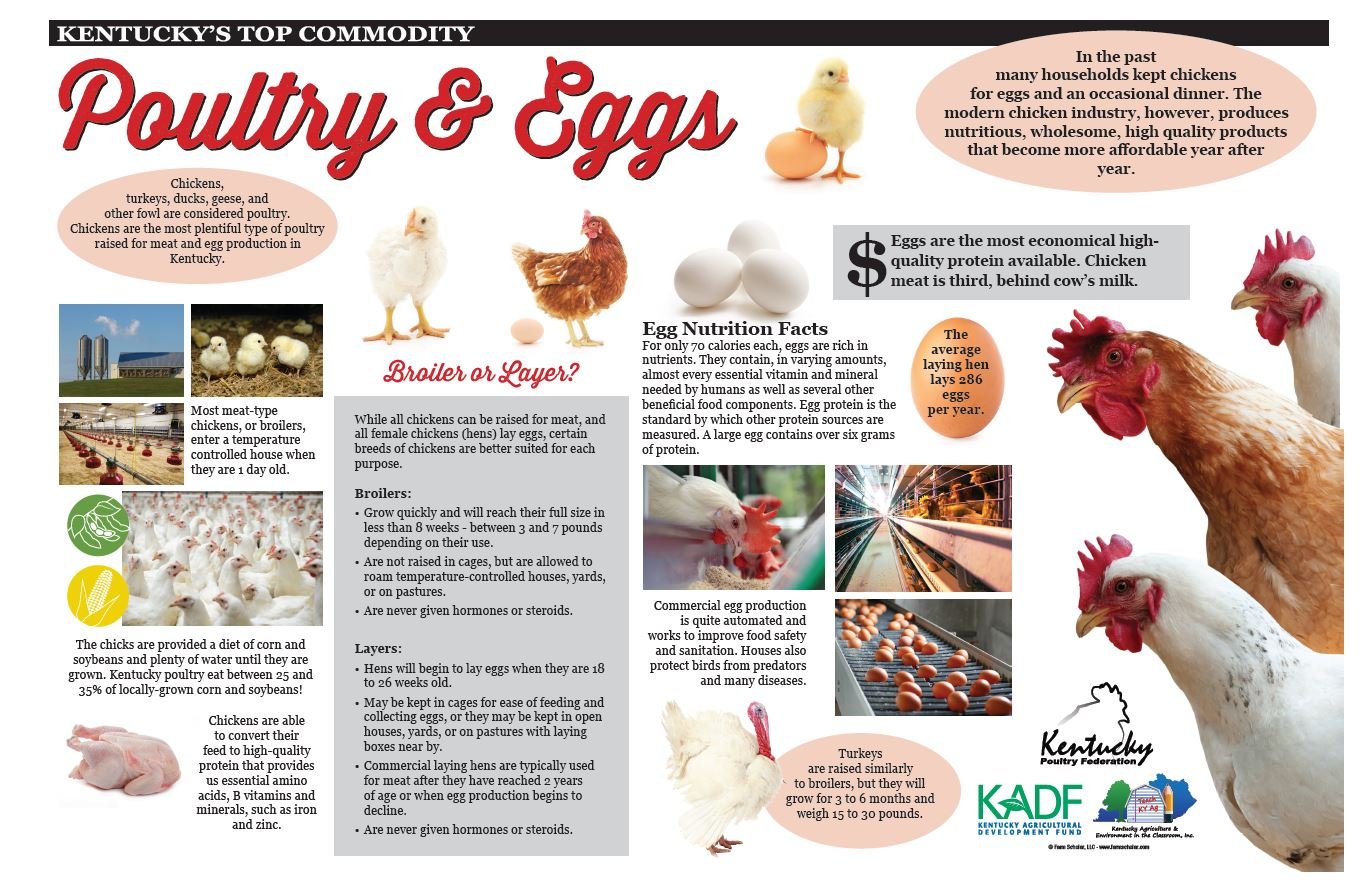
Let’s talk numbers. A healthy laying hen can produce around 5-7 eggs per week, depending on the breed, age, and time of year. Let’s assume an average of 6 eggs per week. If a dozen eggs currently costs $3.00 in your area (check your local grocery store!), then each hen is producing roughly $1.50 worth of eggs per week. That adds up to $78 per year per hen.
A small flock of three hens offsets about $234 in annual egg costs. If you have six hens, that is $468 back in your pocket every year. These savings are real for heavy egg-consuming households, though you have to weigh this against the daily cost of keeping the birds alive.
Those costs include feed (the biggest expense), coop maintenance, bedding, and potential veterinary care. A 50-pound bag of layer feed currently costs around $25-$35, depending on the brand and ingredients. You’ll also need to budget for things like grit, oyster shell (for strong eggshells), and occasional treats. Realistically, you can expect to spend around $100-$200 per hen per year on feed and supplies, but careful management can lower that cost.
Startup Costs: Coop, Chickens, and More
The initial investment can be the biggest hurdle. A basic, pre-built coop for 2-4 chickens can range from $200 to $500. A larger, more elaborate coop with a run could easily cost $1000 or more. You can save money by building your own coop, but that requires time, skills, and materials. Don’t underestimate the time commitment of a DIY build.
The cost of the chickens themselves will vary depending on the breed and where you purchase them. Chicks typically cost $3-$8 each, while started pullets (young hens ready to lay) cost $20-$50 each. Pullets are more expensive upfront, but they start laying eggs sooner, providing a quicker return on investment.
Other essential supplies include feeders ($15-$30), waterers ($10-$25), bedding ($10-$20 per bag), and potentially fencing to protect your flock from predators. Expect to spend between $300 and $800 to get started, depending on your choices. Remember to factor in the cost of transportation if you’re picking up chicks or pullets from a breeder.
Comparing egg production by breed
Not all chickens are created equal when it comes to egg production. Leghorns are known for being prolific layers, producing over 300 eggs per year. Rhode Island Reds are also excellent layers, averaging around 250-300 eggs per year. Orpingtons are good layers, but they’re more known for their docile temperament and fluffy feathers, producing around 180-200 eggs per year.
Easter Eggers are a popular choice for those who want colorful eggs – they lay eggs in shades of blue, green, and pink. They typically lay around 150-200 eggs per year. If you’re looking for something a little different, consider Polish chickens. They’re visually striking with their feathered crests, but they’re not as productive layers (around 100-150 eggs per year) and require more care.
Even black chickens, like Black Copper Marans, have their appeal. They lay dark brown eggs and are relatively hardy. They produce around 150-200 eggs per year. Ultimately, the best breed for you will depend on your priorities – egg production, temperament, appearance, and climate.
- Leghorns produce over 300 eggs a year.
- Rhode Island Red: 250-300 eggs/year
- Orpington: 180-200 eggs/year
- Easter Egger: 150-200 eggs/year
- Polish: 100-150 eggs/year
- Black Copper Marans: 150-200 eggs/year
Legalities and Logistics: Can You Even Have Chickens?
Before you invest in chickens, check your local zoning regulations and HOA restrictions. Many municipalities have ordinances that prohibit or restrict backyard chickens. You may need a permit, and there may be limits on the number of chickens you can keep. Failing to comply with these regulations can result in fines or having to rehome your flock.
Chickens need adequate space to roam and forage. A general rule of thumb is at least 4 square feet of coop space per chicken and 8-10 square feet of outdoor run space per chicken. Predator protection is also crucial. Raccoons, foxes, hawks, and even dogs can pose a threat to your flock. Secure fencing and a sturdy coop are essential.
Proper sanitation is vital for preventing disease. Regularly clean the coop and run, and provide fresh water and feed. Biosecurity measures, such as washing your hands after handling chickens and preventing contact with wild birds, can help protect your flock from illness. Finding chickens for sale locally can be done through reputable breeders, hatcheries, or farm supply stores.
Popular Chicken Breeds for Egg Production & Suitability
| Breed | Average Eggs Per Year | Temperament | Climate Suitability | Space Requirements |
|---|---|---|---|---|
| Rhode Island Red | 200-300 | Docile, friendly | Cold Hardy | 4-6 sq ft per bird |
| Leghorn (White) | 280-320 | Active, can be flighty | Heat Tolerant | 3-4 sq ft per bird |
| Plymouth Rock (Barred) | 200-280 | Docile, gentle | Cold Hardy | 4-6 sq ft per bird |
| Australorp | 250-300 | Docile, quiet | Cold Hardy, adaptable | 4-6 sq ft per bird |
| Orpington (Buff) | 175-200 | Docile, friendly | Cold Hardy | 6-8 sq ft per bird |
| Sussex (Speckled) | 200-250 | Docile, curious | Adaptable | 4-6 sq ft per bird |
| Easter Egger | 150-200 | Generally docile, varies | Adaptable | 4-6 sq ft per bird |
Illustrative comparison based on the article research brief. Verify current pricing, limits, and product details in the official docs before relying on it.
Is a Flock Right for *You*?
Raising chickens is a rewarding experience, but it’s not without its challenges. It requires a daily commitment to feeding, watering, and egg collecting. Coop cleaning is also a regular chore. You need to be prepared to deal with potential problems, such as illness, predators, and escaped chickens.
Consider your lifestyle. Are you home often enough to care for chickens? Are you willing to learn about chicken health and behavior? Are you comfortable with the mess and noise that come with keeping livestock? If you’re looking for a low-maintenance pet, chickens probably aren’t the right choice. But if you’re willing to put in the effort, a backyard flock can provide a steady supply of fresh eggs and a lot of enjoyment.

No comments yet. Be the first to share your thoughts!