
What Makes Polish Chickens Unique
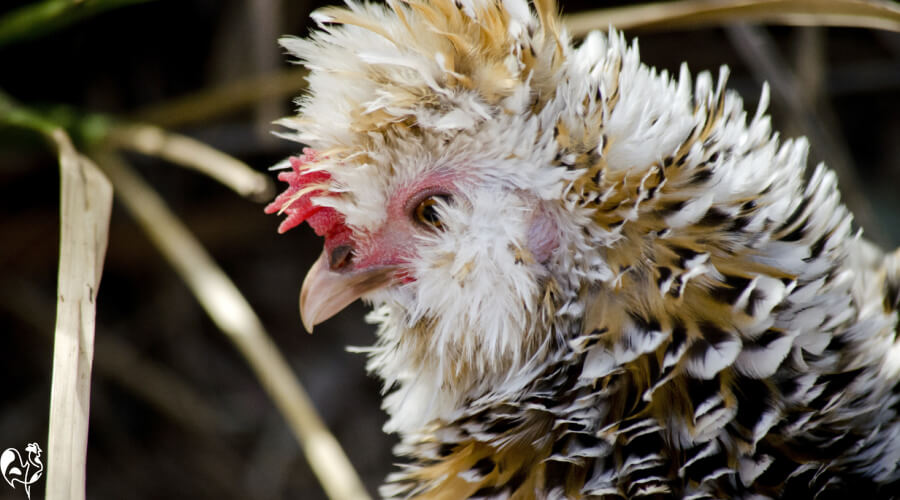
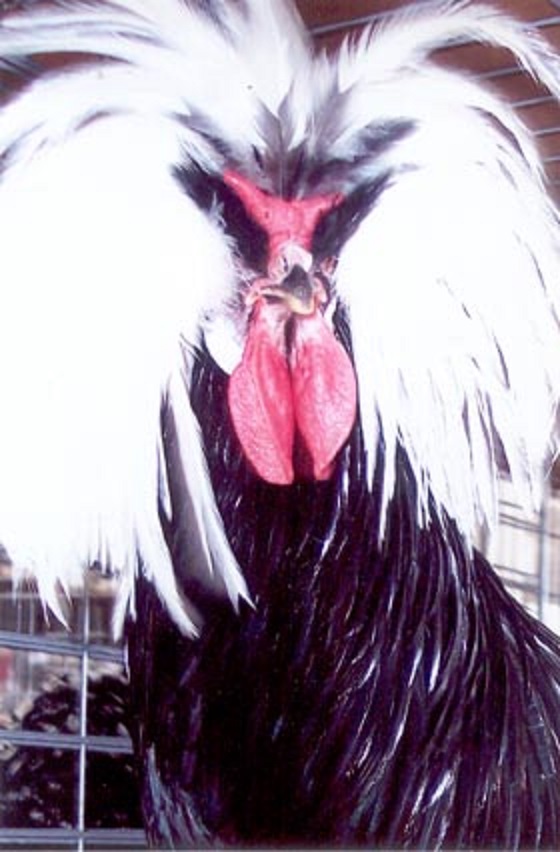
Polish chickens are a distinctive breed known for the large, fluffy crest of feathers on their heads. These feathers can look like a feather duster or a powdered wig, depending on the variety. The breed gets its name from the resemblance to the feathered caps worn by the Polish army in the 1700s. While they originated in continental Europe, they became popular in England and France for their egg-laying capabilities before becoming prized for their ornamental appearance.
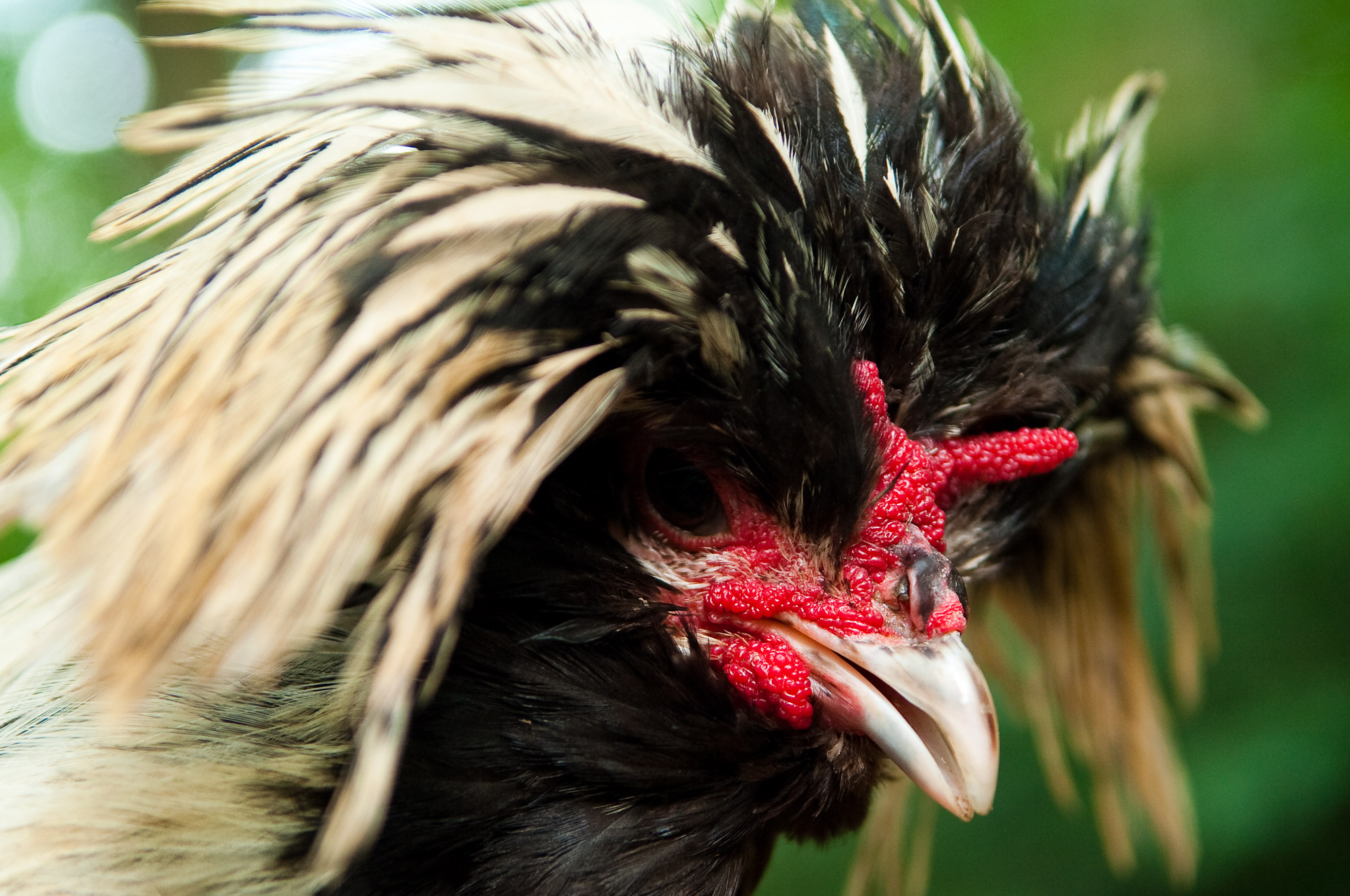
These birds are classified as a Continental breed in poultry shows. They are relatively small; hens typically weigh around 4.5 pounds, while roosters can reach 6 pounds. Despite their small size, they are active foragers and good layers of white eggs. However, their unique head structure requires specific care. The crest feathers can obstruct their vision, making them vulnerable to predators and less aware of their surroundings. They also prefer dry, warm climates, as moisture can mat their head feathers and lead to health issues.
Set up the right coop
Polish chickens are visually striking but physically vulnerable. Their large, feathered crests obstruct their peripheral vision and trap moisture, making them easy targets for predators and prone to health issues. Building a coop for this breed requires more than standard dimensions; it demands specific safety modifications to compensate for their blind spots and comfort needs.
Their heavy crests make balancing on narrow, rough surfaces difficult. Install wide, smooth wooden roosts (2x4s with the flat side up) at a lower height than you would for standard breeds. This reduces the risk of falls and prevents their feathers from getting caught on splinters or rough edges.
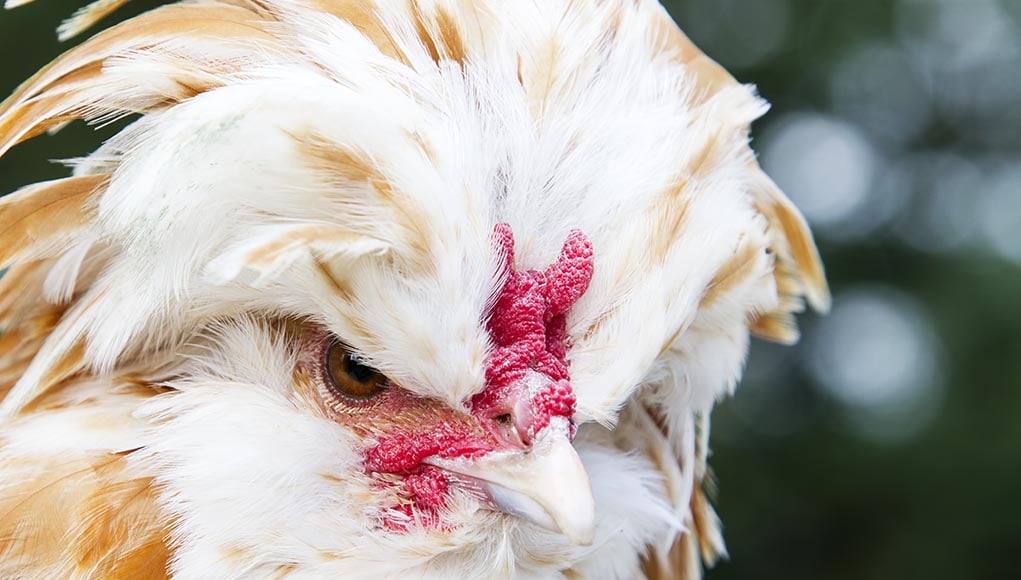
Polish hens are often heavier-bodied relative to their height, and their crests can get tangled in small openings. Use nesting boxes with wide entrances and lower thresholds. Line them with soft straw to keep the crest clean and dry, as damp feathers in the nest can lead to frostbite or matting.
Predators like raccoons are opportunistic, but Polish chickens are also clumsy. They frequently bump into objects because they cannot see to the side. Inspect the interior of the coop and run for any exposed screws, wire staples, or sharp wire edges. Trim these flush or cover them to prevent accidental injuries to their sensitive eyes and crests.
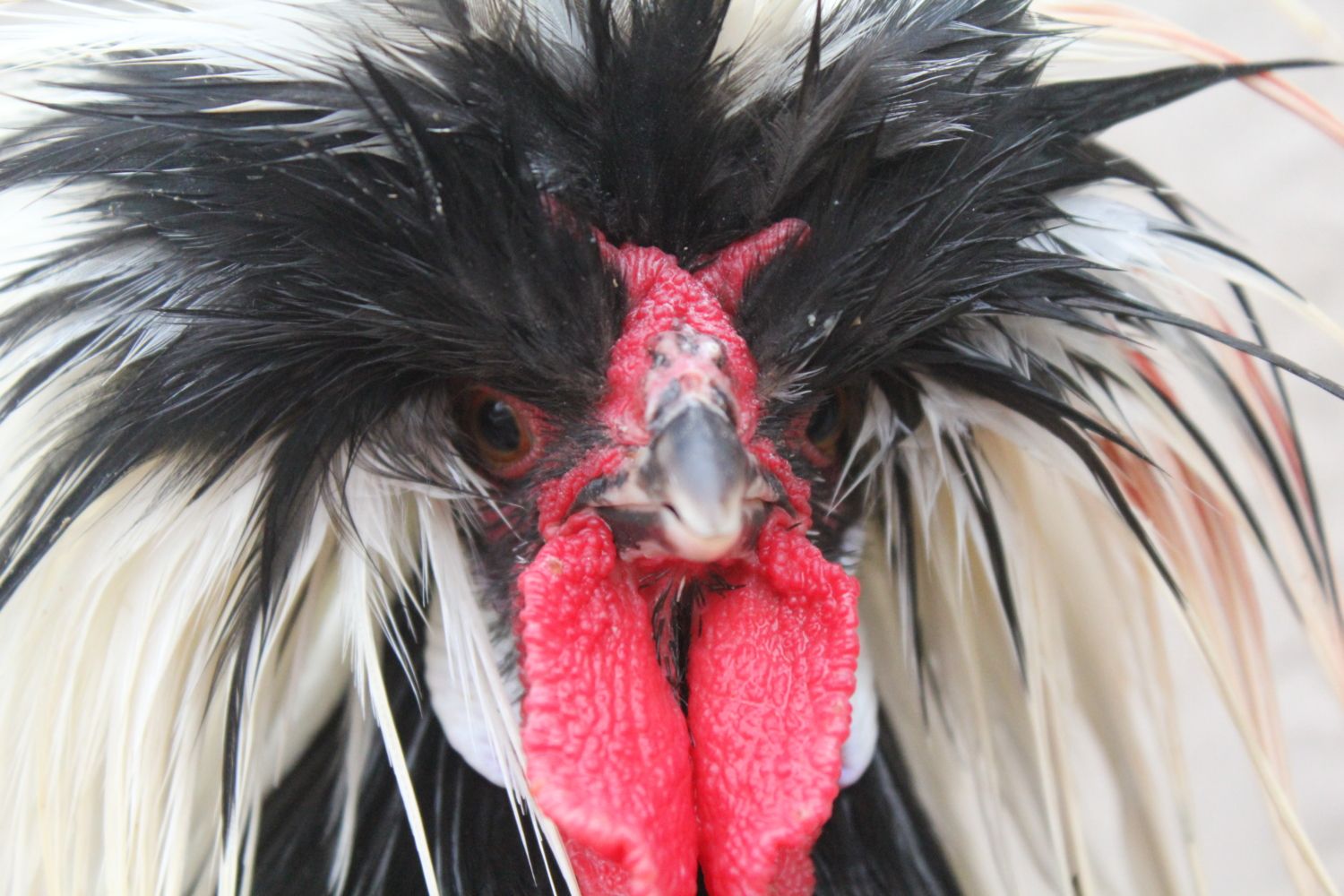
Because they cannot see predators approaching from the side or behind, Polish chickens are easy prey. Never let them free-range without supervision in an unsecured area. Build a fully enclosed run with hardware cloth (not just chicken wire) to keep out digging predators and provide a safe zone where they can forage without immediate danger.
A secure environment is only half the battle. The physical structure must also facilitate easy maintenance. Their crests act like sponges, trapping dust, feces, and moisture. Ensure the coop has excellent ventilation to keep the air dry, which helps prevent the crest feathers from becoming matted or developing bacterial issues. Regular cleaning of the nesting boxes and roosts is essential to keep their living space sanitary.
Note: While Polish chickens are docile and great for show, their vulnerability means they should not be the first birds you introduce to a mixed flock. They often get bullied by more aggressive breeds due to their poor vision. If keeping them with other chickens, choose gentle companions and monitor interactions closely.
By prioritizing visibility and safety in the coop design, you create a space where Polish chickens can thrive despite their unique physical limitations.
Manage the crest daily
Raising Polish Chickens works best as a clear sequence: define the constraint, compare the realistic options, test the tradeoff, and choose the path with the fewest hidden costs. That order keeps the advice usable instead of decorative. After each step, pause long enough to check whether the recommendation still fits the reader's actual situation. If it depends on perfect timing, unusual access, or a best-case budget, include a simpler fallback.
Expect moderate egg yields
Polish chickens are not the heavy-duty production machines you might find in a commercial farm. When raising Polish chickens, you should expect moderate egg yields that prioritize quality and breed preservation over sheer volume. Understanding their specific laying patterns helps you plan for breakfast tables without disappointment.
These hens typically produce small to medium-sized eggs. The shells are bright, clean, and white, offering a classic look that many backyard flockers appreciate. While the size may be smaller than standard brown eggs, the taste is often described as rich and creamy, making them excellent for baking and scrambling.
Seasonal variations play a significant role in their output. Like most breeds, Polish hens lay most actively during the spring and summer months when daylight hours are long. In winter, production usually drops significantly unless you provide supplemental lighting. Their distinctive head feathers can also obscure their vision, sometimes causing them to skip laying in poor weather or when they feel stressed by predators.
Patience is key. A healthy Polish hen might lay 100 to 150 eggs per year, which is less than a Leghorn but more than many purely ornamental breeds. This steady, moderate pace means you get a consistent supply of eggs throughout the active season, rather than a massive surplus that requires preservation or sharing.
Handle common health issues
Polish chickens are prone to specific health challenges driven by their unique anatomy. Their large, fan-shaped crests can obstruct vision, leading to stress and predator vulnerability, while also trapping moisture and parasites. Addressing these issues requires a proactive routine focused on crest maintenance and environmental security.
Manage vision and crest hygiene
The crest is the primary health vector for this breed. Hair or feathers growing over the eyes cause chronic stress, making birds easy targets for predators and aggressive flock mates. Regularly trim the feathers around the eyes to restore visibility. This simple task prevents "creep blindness" and reduces bullying within the coop.
The crest also acts as a sponge for moisture and a hiding spot for pests. Check for mites and lice weekly, paying close attention to the base of the skull where the crest attaches. Keep the coop dry and clean to discourage infestations. If you spot pests, treat the bird and the environment immediately using poultry-safe remedies.
Secure the coop against predators
Because Polish chickens cannot see well, they are often the first to fall victim to predators like hawks, raccoons, or foxes. They may not hear or see an approaching threat until it is too late. Secure your coop with hardware cloth, not just chicken wire, to prevent predators from reaching in.
Consider using a covered run or overhead netting to protect them from aerial predators. If your flock is free-ranging, supervise them closely, especially during dawn and dusk when visibility is lowest. Adding a rooster who can spot danger may help, but never rely on him to compensate for the hens' impaired vision.
Watch for respiratory issues
High humidity combined with dust from bedding can trigger respiratory problems in Polish chickens. Their compromised vision makes it harder for them to avoid dusty areas or escape poor air quality. Ensure your coop has adequate ventilation to reduce ammonia buildup and dust levels.
If you notice sneezing, wheezing, or discharge from the eyes or nose, isolate the bird immediately. Consult a veterinarian for appropriate treatment. Early intervention prevents the spread of infection to the rest of the flock.
-
Trim feathers around eyes weekly to ensure clear vision
-
Inspect crest base for mites and lice during weekly checks
-
Secure coop with hardware cloth and overhead netting
-
Maintain dry, well-ventilated coop to prevent respiratory issues
Polish Chicken FAQs
Polish chickens are distinct in appearance and care needs. Here are answers to common questions about keeping this breed.
No comments yet. Be the first to share your thoughts!