

Start with the right breed choice
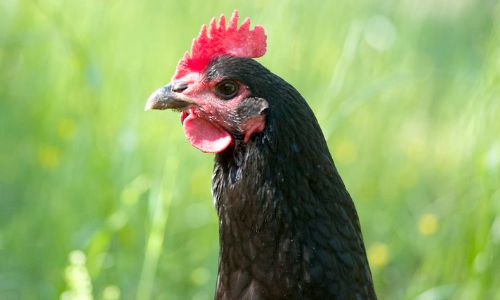
Choosing between Black and Polish chickens requires matching their distinct physical traits to your flock’s needs. Black breeds, such as Plymouth Rocks or Rhode Island Reds, are known for their calm temperament, hardiness, and consistent egg-laying. They are practical workhorses for the backyard flock, thriving in various climates and requiring minimal special care.
Polish chickens, with their distinctive crests of feathers, are a different proposition. Their head plumage can obstruct their vision, making them more susceptible to predators and less aware of their surroundings. While they are often flighty and require lower perches to prevent injury, they lay white eggs and add significant visual interest to any coop.
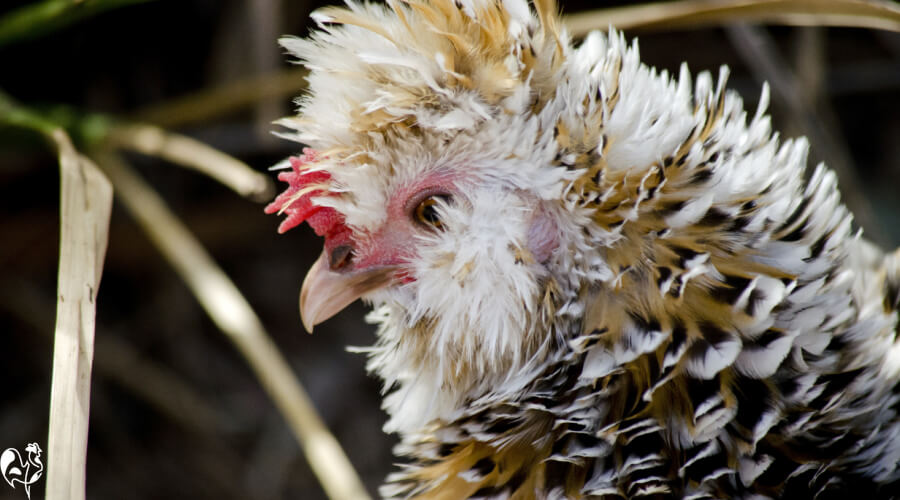
When deciding, consider your primary goal. If you prioritize reliable egg production and easy management, black breeds are the safer bet. If you value unique aesthetics and don’t mind extra vigilance regarding their vision and safety, Polish chickens offer a rewarding, if more delicate, experience.
Prepare the coop and run safely
Before bringing your chickens home, ensure the coop and run are fully assembled, secure, and sanitized. The environment must be predator-proof, weather-resistant, and sized appropriately for the number of birds. Polish chickens, in particular, need lower roosting bars to accommodate their crests and prevent injury during landing.
Feed for peak egg production
Feeding your flock correctly is the single most effective way to ensure consistent egg quality and quantity. For Black and Polish breeds, this means balancing general laying requirements with the specific biological needs of each bird. While Black breeds are reliable producers, Polish hens often lay fewer eggs and require careful nutrient management to support their health and shell production.
Protein for growth and maintenance
Young chickens need higher protein levels to build muscle and feathers before they reach laying age. Once hens begin producing eggs, their diet must shift to support the energy demands of shell formation and yolk development. A standard layer feed containing 16-18% protein is generally sufficient for most laying hens, including Black breeds. Polish hens, who may lay less frequently, do not necessarily need lower protein, but their overall intake should be monitored to prevent obesity, which can further reduce egg output.
Calcium for strong shells
Calcium is non-negotiable for layer hens. A lack of calcium results in thin-shelled or shell-less eggs and can lead to serious health issues like egg binding. Provide free-choice oyster shell or crushed limestone in a separate feeder. This allows hens to self-regulate their intake based on their individual needs. Polish hens, in particular, may benefit from consistent access to calcium supplements due to their potentially slower laying cycles and the physical stress of their distinctive head crests on their overall health.
Grit and fresh water
Digestion relies on grit, which helps hens grind food in their gizzard since they lack teeth. Offer insoluble grit if your birds do not have free access to sand or small stones. Fresh, clean water is equally critical; dehydration can stop egg production almost immediately. Check waterers daily, especially in hot weather, to ensure constant availability.
-
Provide 16-18% protein layer feed
-
Offer free-choice oyster shell for calcium
-
Supply insoluble grit for digestion
-
Ensure fresh water is available daily
Manage health and hygiene daily
Daily health checks are the backbone of a productive flock. Start with a visual inspection of each bird as they move through their morning routine. Look for signs of distress, such as lethargy, fluffed feathers, or labored breathing. Check their comb and wattles for pale color, which can indicate anemia, and ensure their eyes and nostrils are clear of discharge.
For Polish chickens, crest management requires specific attention. Their large head feathers can obscure vision, leading to missed predators or inability to find feed. More critically, the dense crest traps moisture, creating a breeding ground for mites and bacteria. Use a soft-bristled brush to gently part the feathers and check for debris or parasites. If the crest becomes matted with dirt or droppings, carefully trim the affected feathers to maintain hygiene and visibility.
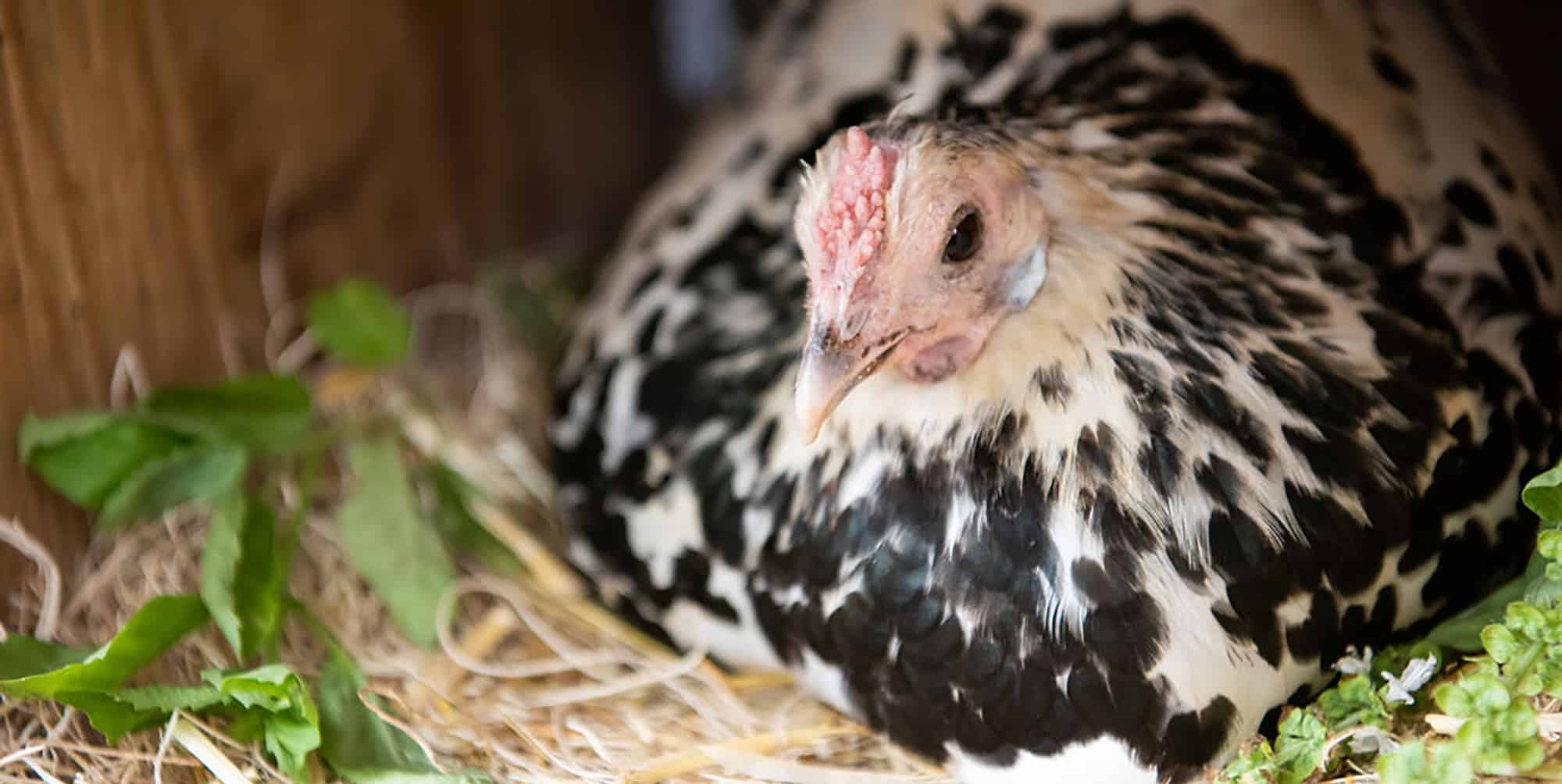
Maintain a clean coop environment to prevent disease spread. Remove wet bedding immediately and replace it with fresh, dry material. Scrape manure from roosts and clean waterers and feeders daily to prevent bacterial growth. A clean environment reduces stress and keeps your flock healthy, ensuring they remain active and productive.
Common mistakes new owners make
Black and Polish chickens require specific management strategies that differ from standard backyard breeds. New owners often apply generic chicken-keeping advice, which can lead to health issues or loss of birds. Focus on these three critical areas to prevent failure.
Overlooking predator protection
Polish chickens have a large, fluffy crest that significantly obstructs their peripheral vision. This makes them unable to spot hawks, raccoons, or dogs until it is too late. Standard open runs are not sufficient. You must provide a fully covered run or supervise free-ranging time strictly. The University of Minnesota Extension notes that secure housing is essential for protecting birds from weather and predators [src-8]. Without overhead protection, your Polish birds are easy targets.
Ignoring crest hygiene and mites
The dense feathers around a Polish chicken’s head trap moisture, dirt, and feces. This environment is ideal for mites and lice, which thrive in dark, protected spaces. If you do not check the crest regularly, infestations can spread to the rest of the flock. Use a fine-toothed comb to gently part the feathers and inspect the skin. Keep the area clean and dry to prevent bacterial infections and maintain your bird’s ability to see.
Underestimating broodiness
Black Australorp hens are known for being excellent layers, but they can also become broody (wanting to sit on eggs to hatch them). Broodiness stops egg production and can lead to weight loss if the hen refuses to eat or drink. If a hen sits on the nest for more than two days, remove her and place her in a "broody breaker" cage for 24 hours to reset her hormones. This simple intervention keeps your flock productive.
No comments yet. Be the first to share your thoughts!