

Fancy chickens that lay blue eggs
These birds blend ornamental beauty with practical egg production. The breeds listed here are selected for their distinct plumage, calm temperament, and reliable lay of blue or green-shelled eggs. We prioritized heritage lines that maintain their color and structure, ensuring you get chickens that are both visually striking and productive.
The selection process focused on three core criteria: egg shell color, breed stability, and availability through reputable hatcheries. We excluded hybrids that lose their blue egg trait in subsequent generations. Each breed was evaluated for hardiness and ease of care, ensuring they suit backyard keepers who value aesthetics without sacrificing utility.
While some fancy breeds are kept primarily for show, these ten options strike a balance. They offer the ornamental flair of high-end poultry while delivering a consistent supply of unique eggs. This guide helps you choose the right breed based on your climate, space, and aesthetic preferences.
10 2026 guide: Top 10 Fancy Chickens That Lay Blue Eggs & How to Raise Them
This roundup identifies the top fancy chicken breeds that lay blue eggs, focusing on practical care requirements and breed-specific traits. We evaluate each option for hardiness, temperament, and egg consistency to help you choose the right bird for your flock.
1. Ameraucana breed overview and egg quality
Ameraucanas are the reliable standard-bearers for true blue eggs, distinct from the often-confused Easter Eggers. Their pea comb and slate-gray legs signal pure genetics, ensuring consistent egg color without the green or olive tints seen in hybrids. These birds are calm, hardy, and excellent foragers, making them a low-maintenance choice for backyard flocks seeking consistent, vibrant blue shells.

2. Araucana breed traits and tufted features
The Araucana is the original source of the blue egg gene, recognizable by its distinctive ear tufts and lack of a tail. While their laying rate is modest compared to commercial breeds, their unique appearance and rich, creamier blue shell color make them a prized show bird. They require careful breeding management to maintain the lethal gene balance, rewarding keepers with truly unique poultry.

3. Cream Legbar breed temperament and laying rate
Cream Legbars combine the blue egg trait with a sex-linkable gene, allowing you to identify pullets at hatch by their yellow stripes. They are active, independent foragers with a calm demeanor, producing a steady stream of medium-to-large blue eggs. Their autosexing capability makes them an efficient choice for beginners who want to avoid roosters and enjoy consistent production.

4. Dongxiang blue layer origin and hardiness
Originating from China, the Dongxiang blue layer is a dual-purpose breed prized for its exceptional cold hardiness and unique slate-blue egg color. Unlike Western breeds, these birds are compact and highly adaptable to harsh climates, making them ideal for growers in northern regions. Their meat is also flavorful, offering a practical advantage for homesteaders seeking self-sufficiency.
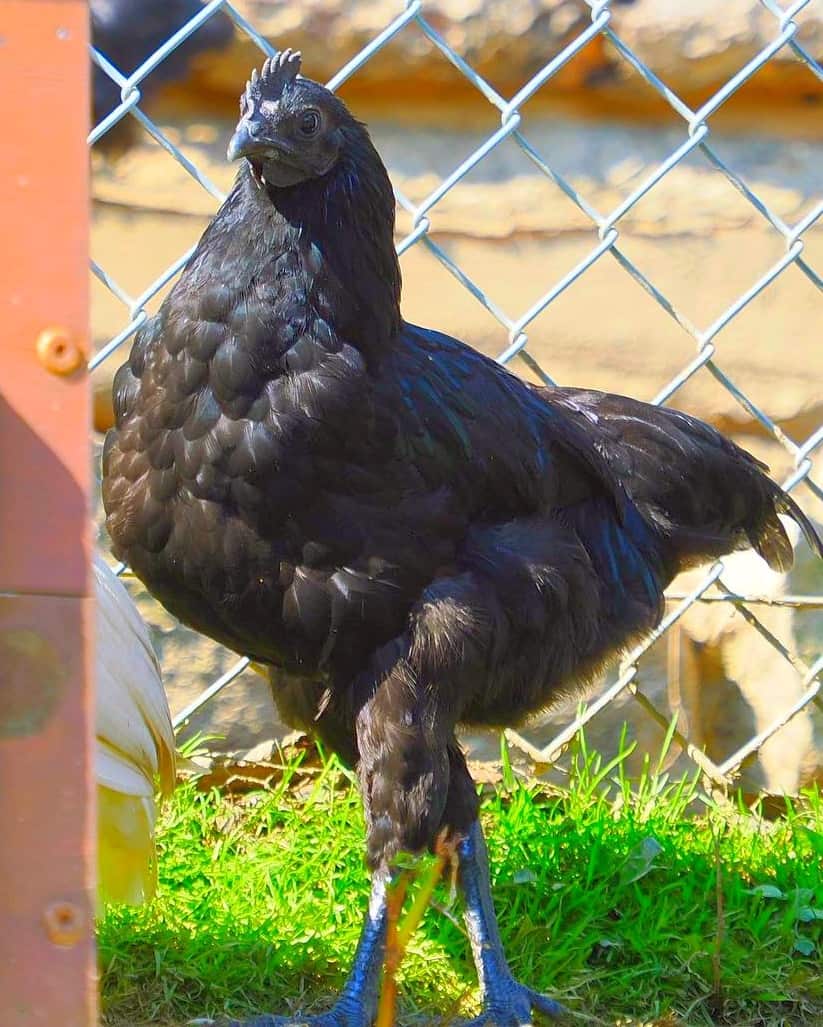
5. Olive Egger hybrid genetics and egg color
Olive Eggers are not a pure breed but a hybrid cross, typically combining a blue egg layer like an Ameraucana with a brown layer like a Marans. This genetic mix results in distinctive olive or moss-green eggs, offering a unique twist on the blue egg theme. Their temperament varies based on parentage, but they are generally robust and reliable layers.

6. Whiting True Blue Legbar identification tips
The Whiting True Blue Legbar combines auto-sexing genetics with true blue egg production, distinguishing it from other blue layers. Look for the distinct barring pattern on chicks to sex them at hatch. Adults feature a single comb and clean legs, making them efficient foragers. Their consistent laying rate and unique identification traits make them a standout choice for breeders seeking genetic purity without the need for manual sexing.
7. Easter Egger variability in egg shades
Easter Eggers are hybrid chickens, not a standardized breed, resulting in unpredictable egg colors ranging from pale yellow to deep olive. While they lay blue eggs, the shade varies significantly between individual hens and even across different clutches. This genetic lottery makes them ideal for backyard flocks seeking color diversity rather than uniformity. Their hardiness and friendly demeanor often outweigh the lack of breed standardization for casual keepers.

8. Naked Neck blue layer heat tolerance
The Naked Neck, or Turken, features a distinctive featherless neck that aids in thermoregulation, making it exceptionally heat-tolerant. While not a pure blue-layer breed, certain lines produce blue-tinted eggs. Their reduced feather mass lowers feed costs in summer and reduces pest issues. This practical trait, combined with a calm disposition, makes them a resilient choice for warm climates where standard breeds might struggle with heat stress.
9. Polish chicken blue egg rarity and care
Polish chickens are renowned for their extravagant head feathers, which often obscure their vision and require regular trimming. While primarily ornamental, some Polish lines lay pale blue or cream-colored eggs, though production is low. Their delicate nature and vulnerability to predators due to poor sight demand secure housing. Keeping them is a commitment to aesthetics and gentle handling rather than efficient egg production.

10. Faverolles blue variant temperament and cold resistance
Faverolles are heavy, docile chickens with feathered feet and beards, known for exceptional cold hardiness. While the standard variety lays cream or tinted eggs, selective breeding has produced rare blue-egg variants. Their gentle nature makes them suitable for families and mixed flocks. The heavy feathering on their legs provides insulation against frostbite, allowing them to thrive in harsh winter conditions where other breeds might falter.

Pick the right fit
Choosing a fancy blue-egg layer means balancing your aesthetic goals with practical backyard constraints. Not every ornamental breed handles cold winters or confined spaces equally well. Use these steps to narrow your options before buying chicks.
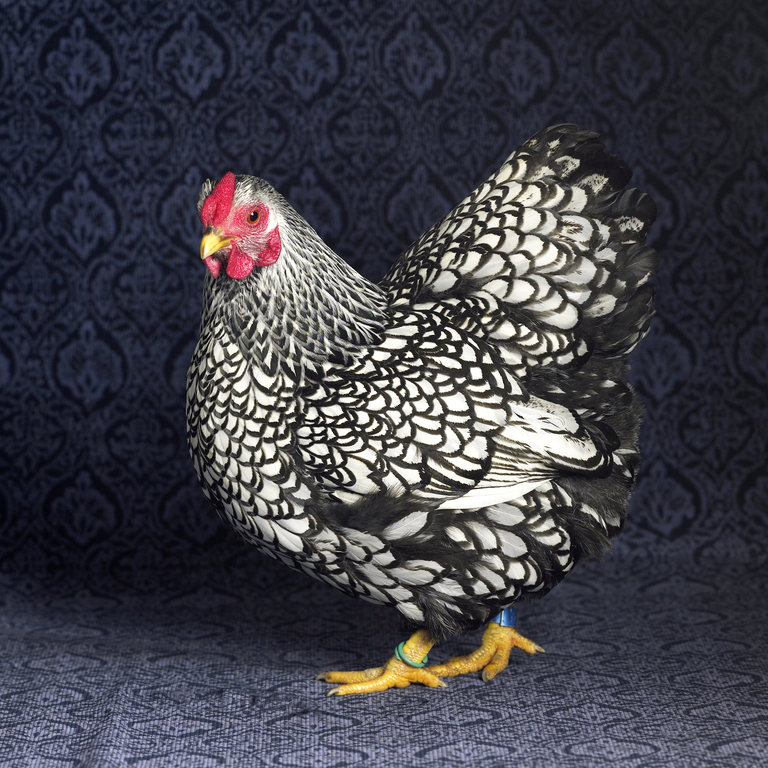
Breeds like the Andalusian thrive in mild weather but can suffer in freezing temperatures. If you live in a region with harsh winters, prioritize heritage breeds known for cold hardiness, such as the Ameraucana, which retains better body heat and consistent laying habits in the cold.
Fancy breeds often have larger combs and more active temperaments than standard layers. Ensure your coop has adequate ventilation to protect those combs from frostbite, and verify that your local ordinances allow for the specific noise level or flock size these ornamental birds may produce.
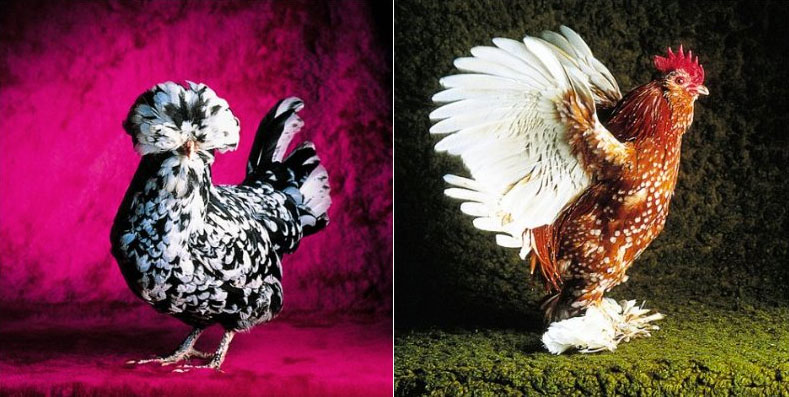
Many hatcheries sell "blue-egg layers" that are actually mixed breeds with unpredictable egg colors. Buy from reputable breeders who guarantee purebred status for traits like the Araucana's distinctive ear tufts or the Cream Legbar's auto-sexing capabilities to ensure you get the specific fancy traits you want.



As an Amazon Associate, we may earn from qualifying purchases.
A small comparison of the top contenders helps visualize the trade-offs:
| Breed | Egg Color | Cold Hardiness | Temperament |
|---|---|---|---|
| Andalusian | Light Blue | Low | Flighty |
| Ameraucana | Blue | High | Calm |
| Araucana | Blue-Green | Medium | Active |
| Cream Legbar | Blue | High | Friendly |
Focus on the breed that matches your daily routine and environment rather than just the rarity of the egg color. The right fit ensures your fancy flock remains healthy and productive for years.
FAQ: Fancy Chickens That Lay Blue Eggs
What are those fancy chickens called?
Chickens that lay blue eggs are primarily Araucanas, Ameraucanas, and Easter Eggers. Araucanas are a rare, heritage breed with distinct ear tufts and no tail. Ameraucanas are a standardized breed that laid blue eggs but have beards and muffs instead of ear tufts. Easter Eggers are mixed-breed chickens that carry the blue-egg gene but vary in appearance. While Araucanas and Ameraucanas lay exclusively blue eggs, Easter Eggers can lay blue, green, or olive eggs.
Do fancy chickens lay eggs?
Yes, fancy chickens lay eggs, though their primary value is often ornamental rather than commercial. Breeds like the Polish or Silkie lay fewer eggs than production breeds like Leghorns. However, blue-egg layers like the Ameraucana and Easter Egger are decent layers, producing 200-250 eggs per year. Their eggs are smaller and the shells are more fragile than standard white or brown eggs, but they remain a consistent part of the flock’s output.
What is the most luxurious chicken?
The Ayam Cemani is widely considered the most luxurious chicken due to its striking all-black appearance, a condition called fibromelanosis. Every part of the bird, including its skin, meat, and bones, is black. This rarity and unique appearance make them expensive and highly sought after by collectors. Their eggs are creamy or pale green, not blue, but their visual impact sets them apart as the pinnacle of exotic poultry.
What is the prettiest breed of chicken?
Beauty is subjective, but the Silkie is often cited as the prettiest due to its fluffy, fur-like feathers and gentle temperament. They come in multiple colors, including white, black, and blue. The Polish chicken is another contender, known for its massive, fan-shaped crest of feathers that covers its eyes. Both breeds are popular in backyard flocks for their unique looks and friendly nature, making them favorites among fancy chicken enthusiasts.
No comments yet. Be the first to share your thoughts!