
Heat waves and your flock
Summers are getting hotter. NOAA data shows a steady climb in average temperatures, which is dangerous for backyard flocks. Heat stress starts with lethargy and panting, but it can kill a bird in a single afternoon if you aren't watching.
Chickens don’t sweat, so they rely on other methods to regulate their body temperature – primarily through their combs and by radiating heat from their feathers. When temperatures soar, these mechanisms can be overwhelmed. That’s where breed selection comes in. Some breeds are simply better equipped to handle increasing heat, possessing physical characteristics that help them stay cool. This isn’t about waiting to see what happens; proactive planning is essential for a healthy flock.
Choosing the right breed is a start, but shade and ventilation are just as vital. I've found that even the hardiest Mediterranean breeds fail if the coop design traps hot air.
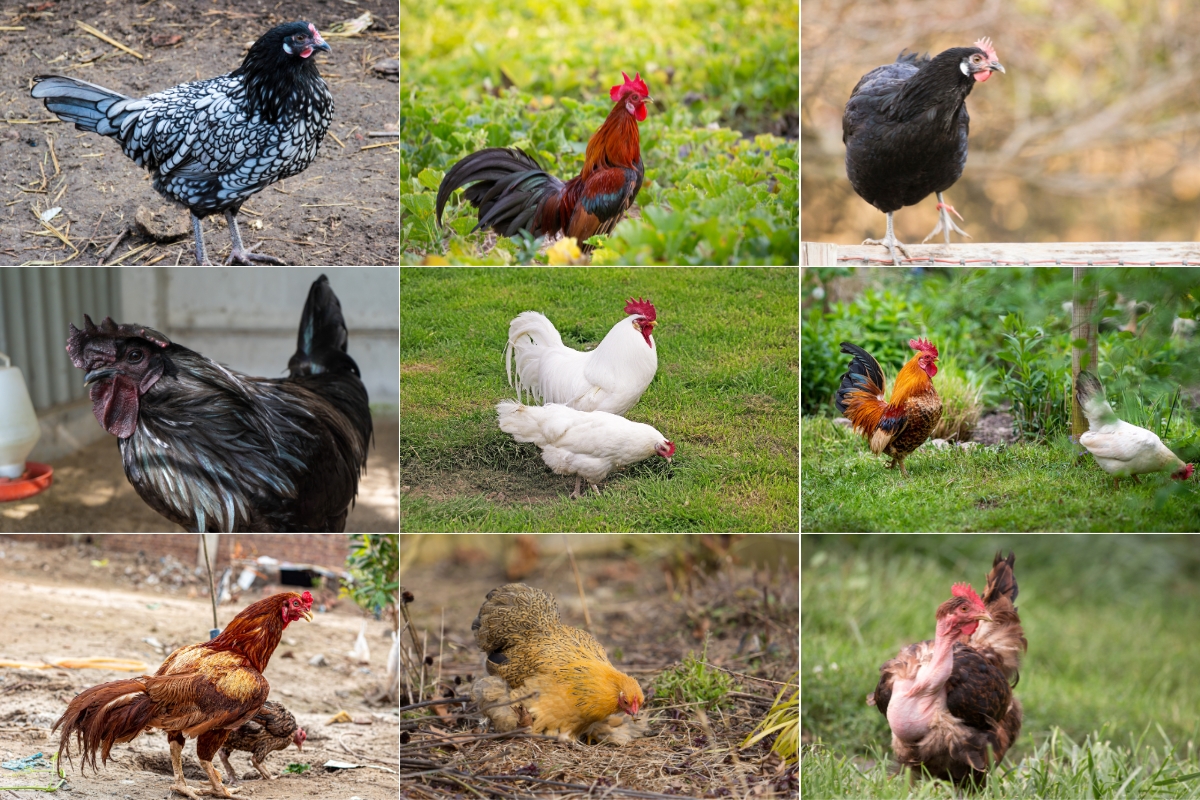
Seven breeds for 2026
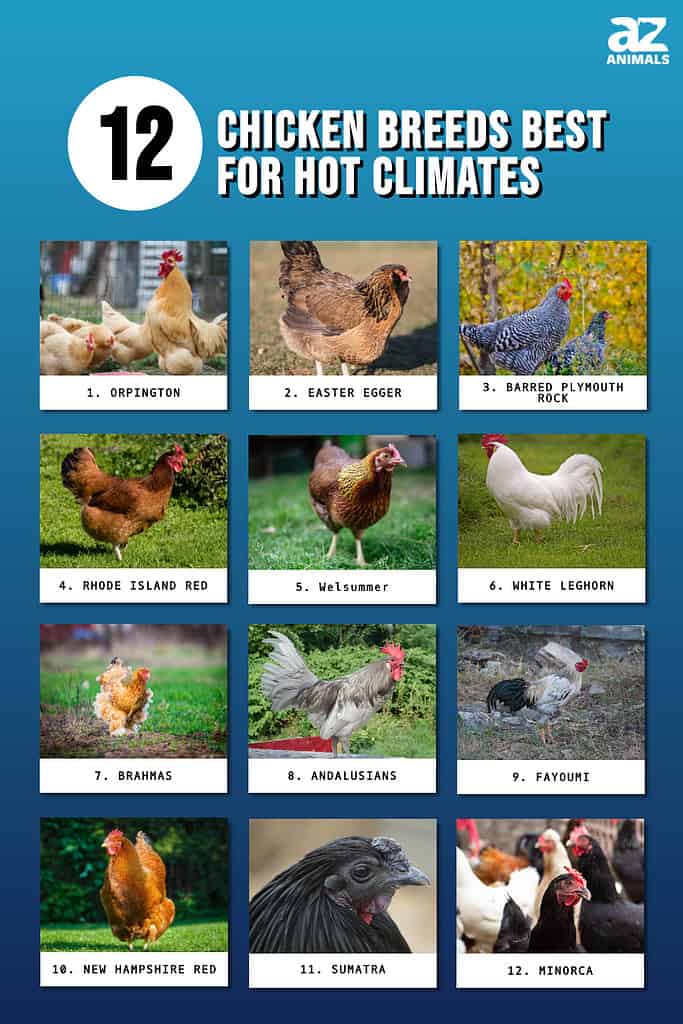
Choosing the right breed is the first step towards a heat-resilient flock. Here are seven breeds that consistently perform well in warmer climates, and why. These aren't just 'good enough' breeds, they’re the ones I recommend to people serious about keeping their chickens thriving.
1. White Leghorn: Originating in Italy, Leghorns are renowned for their high egg production (around 280-320 white eggs per year, according to My Pet Chicken) and remarkable heat tolerance. Their small body size and large comb help them dissipate heat efficiently. They are active foragers, but can be a bit flighty and aren’t known for being particularly broody.
2. Rhode Island Red: A classic American breed, Rhode Island Reds are known for their hardiness and dual-purpose nature. They lay around 200-250 brown eggs a year and handle heat well due to their relatively loose feathering. They are generally docile and make good backyard chickens, but they can become pushy in a flock.
3. Andalusian: This Spanish breed is striking in appearance and surprisingly heat-tolerant. They lay around 180-200 white eggs annually. Andalusians are known for their tight feathering, which might seem counterintuitive, but their active foraging behavior and ability to seek out shade help them stay cool. They can be a bit independent and require a secure run.
4. Minorca: Another Mediterranean breed, Minorcas are large, elegant chickens that lay a substantial number of large, white eggs – upwards of 200 per year. Their large comb and loose feathering contribute to their heat tolerance. They're generally calm but can be assertive within a flock.
5. Penedesenca: Hailing from Spain, Penedesencas are a less common breed, but incredibly well-suited for warm climates. They lay around 180-200 eggs per year and are known for their dark plumage and robust health. They are active foragers and adapt well to free-range environments.
6. Egyptian Fayoumi: As the name suggests, this breed originates from Egypt and is exceptionally heat-tolerant. They are smaller-bodied birds that lay around 150-180 small, white eggs annually. Fayoumis are very active and flighty, requiring a secure enclosure. They’re not known for being particularly friendly.
7. Nalu Chicken: Developed in Hawaii, the Nalu chicken is specifically bred for tropical climates. They are a crossbreed, developed by Shama Koelsch, focusing on heat tolerance and parasite resistance. Nalu chickens have a unique comb structure – a smaller, more compact comb – which helps reduce heat stress. They lay around 200-250 eggs a year and are known for their calm temperament.
How combs and feathers regulate temperature
It's not just about which breed, but why certain breeds are better at handling heat. A large comb is a key factor. Think of it as a radiator – the larger the surface area, the more efficiently the chicken can dissipate heat. Blood flows through the comb, and as it's exposed to the air, it cools down, helping to regulate the bird’s overall body temperature.
Feathering type also plays a significant role. Loose feathering – where the feathers aren’t tightly packed – allows for better air circulation, promoting cooling. Conversely, tight feathering can trap heat. However, it’s not always a simple trade-off; tight feathering can also provide protection from sunburn. It's about finding a balance.
The color of the feathers is also worth considering. Dark plumage absorbs more sunlight, which can be a disadvantage in intense heat. But melanin, the pigment that gives feathers their dark color, also provides protection from harmful UV rays. This is where breeds like Black Australorps can be surprisingly resilient – the melanin acts as a natural sunscreen.
The black chicken myth
People often ask if black chickens are actually cooler. The theory is that melanin protects their skin from UV damage, but dark feathers also soak up more heat. In my experience, it's a wash.
Black chickens can certainly benefit from the UV protection offered by melanin, especially in areas with intense sunlight. However, dark plumage also absorbs more heat. So, without adequate shade, a black chicken can actually overheat more quickly than a lighter-colored bird. There isn’t a ton of peer-reviewed research on this specific topic, making it difficult to draw definitive conclusions.
Breeds like Black Australorps and Black Copper Marans are popular choices, and they can thrive in warmer climates, but it's crucial to provide them with plenty of shade and access to cool water. It's not the color alone that makes them heat-tolerant; it’s a combination of genetics, management, and environmental factors.
Heat Tolerance by Plumage Color
| Plumage Color | UV Protection | Heat Absorption | Ventilation Needs | Overall Heat Tolerance |
|---|---|---|---|---|
| White | High | Low | Low | High |
| Light Brown | Medium | Medium | Medium | Medium |
| Dark Brown | Medium | High | Medium | Medium |
| Black | Low | High | High | Low |
| Patterned | Medium | Medium | Medium | Medium |
Illustrative comparison based on the article research brief. Verify current pricing, limits, and product details in the official docs before relying on it.
Keeping birds cool in the sun
Even the most heat-tolerant breed will struggle without proper management. Providing ample shade is paramount. This could be in the form of trees, shrubs, or a shaded run covered with shade cloth. Ensure the shade covers a significant portion of their enclosure, allowing them to escape the direct sun throughout the day.
Fresh, cool water is absolutely essential. Chickens drink more water in hot weather, so check their waterers frequently and refill them as needed. Consider adding ice cubes to the water to keep it cool. Ventilation is also crucial. Ensure their coop is well-ventilated to allow for air circulation, but avoid drafts.
Don’t forget about dust bathing! Chickens use dust baths to regulate their body temperature and control parasites. Provide a designated dust bathing area with loose, dry soil. Avoid transporting chickens during the hottest part of the day, and consider using electrolyte supplements to help them stay hydrated. Frozen treats, like berries or vegetables frozen in ice, can also provide a refreshing boost.
Blue egg layers
Many chicken keepers are fascinated by blue egg-laying breeds like Easter Eggers, Cream Legbars, and Ameraucanas. But do these breeds have any special considerations when it comes to heat tolerance? The short answer is, not really. The gene responsible for blue eggshells doesn’t inherently affect a chicken’s ability to handle heat.
Heat tolerance is primarily determined by physical characteristics like comb size and feathering type, as we’ve discussed. Blue egg layers generally have average comb sizes and varying degrees of feathering, so their heat tolerance will be similar to other breeds with comparable traits. They require the same level of care and management as any other breed during hot weather – shade, water, and ventilation are essential.
Where to buy
If you want to add these to your flock, My Pet Chicken is a reliable hatchery that carries most of these breeds. Local breeders are also worth a look, especially if they've already acclimated their birds to your local climate.
Availability and shipping restrictions can vary, so it’s important to check with the hatchery or breeder directly. Always prioritize sourcing chicks from reputable sources to ensure genetic health and breed purity. A healthy start is essential for a thriving flock.
Essential Gear for Keeping Your Chickens Cool in the Heat
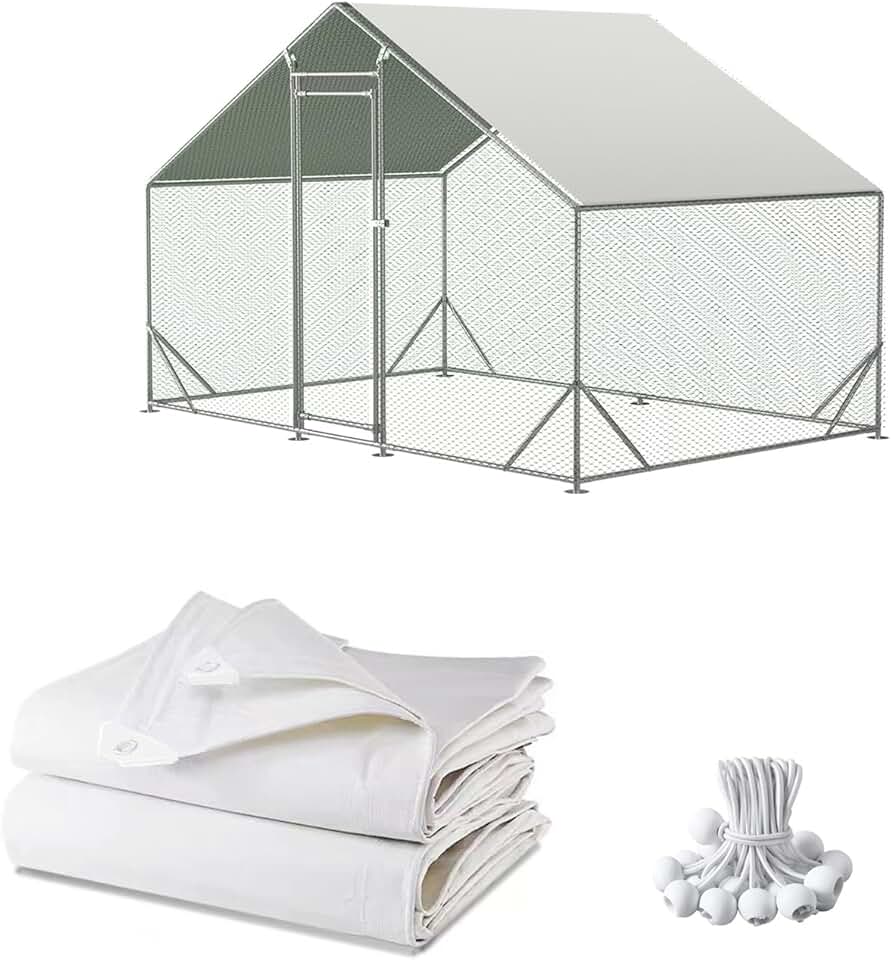
Waterproof and UV-resistant material · Designed for large chicken coops and walk-in runs · Includes ball bungees for secure attachment
This cover provides essential protection from sun and rain, helping to keep the coop environment cooler and drier.

Leak-resistant mist hose kit · Includes 26ft line and 7 brass nozzles · Designed for poultry heat relief
This misting system offers a direct cooling solution for your flock during heatwaves, helping to prevent heat stress.

Electrolyte and probiotic supplement · Provides hydration support · Suitable for chickens, ducks, turkeys, and waterfowl
This supplement helps maintain hydration and gut health, crucial for birds experiencing heat-related stress.

Privacy screen for outdoor fencing · Provides shade and wind protection · Includes reinforced bindings and brass grommets
This versatile screen can be used to create shaded areas in runs and offer protection from harsh winds, contributing to a more comfortable environment.
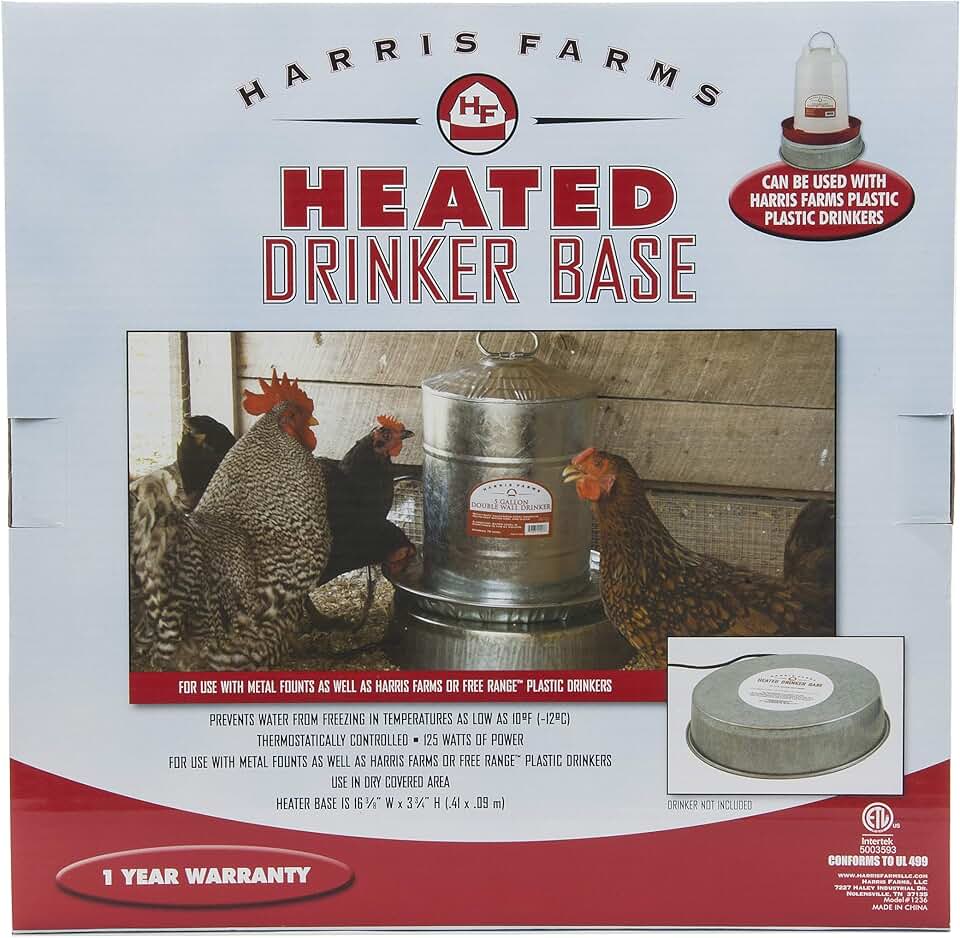
Heated base for poultry drinker · Prevents water from freezing · Designed for chicken coop accessories
While primarily for winter, a heated base can also help maintain optimal water temperature, preventing it from becoming excessively warm in extreme heat, thus encouraging consumption.
As an Amazon Associate I earn from qualifying purchases. Prices may vary.


No comments yet. Be the first to share your thoughts!