

The Rise of the 'Gram Chicken
Chickens are having a moment. It’s not a new phenomenon, people have kept chickens for practical reasons for centuries, but the reasons have shifted. What started as a backyard eggs-and-meat project has blossomed into a full-blown aesthetic pursuit, fueled by social media. Platforms like Instagram, TikTok, and Pinterest are saturated with images of fluffy chicks, beautifully designed coops, and, increasingly, uniquely patterned and colored chickens.
The demand for unusual breeds is higher than ever. People aren’t just looking for egg producers; they’re looking for feathered companions that photograph well and offer something different. This isn’t about maximizing efficiency, it’s about curating a lifestyle, and chickens have become a surprising centerpiece for many. It’s a trend that’s accelerating, and breeders are responding with increasingly elaborate and visually striking birds.
We've seen this happen with other animals – designer dogs, fancy goldfish – but the chicken's accessibility and relatively low maintenance make it an appealing option. A beautiful chicken can be a talking point, a source of joy, and a surprisingly effective way to build an online following. It's a fascinating shift in how we perceive and interact with these animals.
Polish Chickens: A History of Flair
Polish chickens are instantly recognizable, and not for their egg-laying prowess. Their flamboyant crests, a profusion of feathers atop their heads, are the defining feature of this ancient breed. The exact origins are somewhat murky – there’s very little documentation on the early days of these birds – but most sources point to Holland, with potential roots in breeds from the Netherlands and Germany.
Historically, Polish chickens weren’t valued for practical reasons. They weren’t particularly good layers, and their crests likely interfered with their vision. Instead, they were ornamental birds, kept for their striking appearance. They were popular in European courts and were often depicted in paintings and tapestries as symbols of status and extravagance. They were, essentially, the showpieces of the poultry world.
Today, Polish chickens retain that ornamental appeal. They are generally gentle and docile birds, often quite tame and friendly with their keepers (mypetchicken.com, chickenscratchny.com). However, prospective owners should be aware that their crests can obstruct their vision, making them vulnerable to predators and requiring extra care. They aren’t necessarily good chickens, they’re just… striking. Hoover's Hatchery consistently highlights their unique look and gentle temperament.
It’s also important to note that Polish chickens aren’t prolific egg layers. Expect around 80-100 eggs per year, which is considerably less than many other common breeds. They’re a commitment to aesthetics, not to breakfast.
Blue Egg Layers: Beyond the Brown
For years, chicken eggs came in shades of brown and white. Then came the blue egg revolution. The ability to collect a basket of robin’s-egg-blue eggs has become a coveted status symbol for many backyard chicken keepers. This isn't just about aesthetics, though. It’s about the novelty, the surprise, and the conversation starter that a blue egg provides.
The secret to blue eggs lies in a gene called the Oocyan gene. This gene isn't about pigment; it affects the production of biliverdin, a bile pigment that colors the eggshell. Chickens without the Oocyan gene lay brown or white eggs. The presence of the gene results in a blue shell.
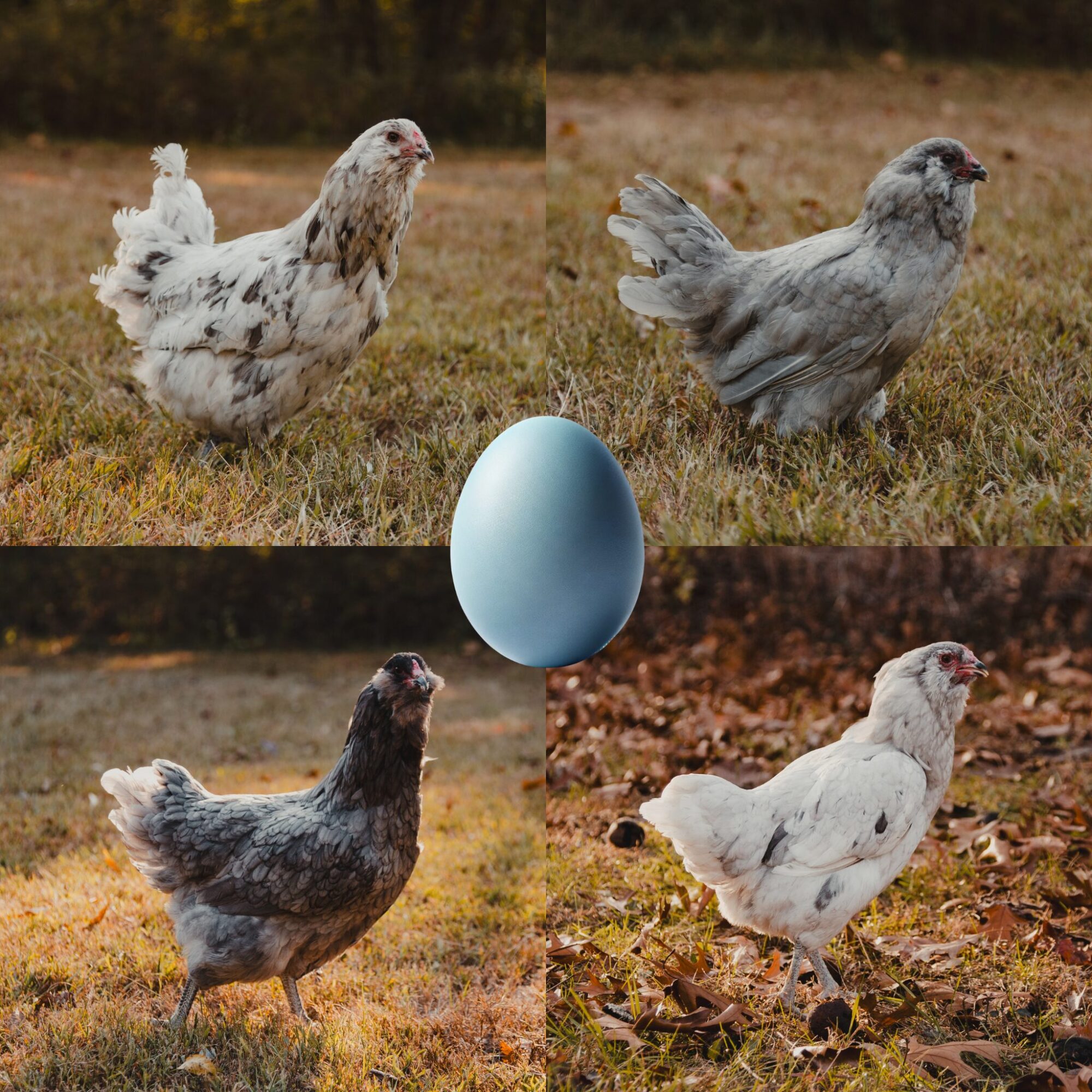
Several breeds are known for laying blue eggs. Ameraucanas are a popular choice, bred specifically for their blue eggs. Easter Eggers, however, are a bit more complicated. 'Easter Egger' isn’t a breed itself, but rather a mix of breeds carrying the Oocyan gene. This means their eggs can range in color from pale green to blue to even olive. Cream Legbars are another reliable blue egg layer, and are known for being auto-sexing – meaning you can tell the sex of a chick based on its coloring at hatch.
The color variations within these breeds are fascinating. Factors like diet, hen age, and individual genetics can influence the shade of blue. Some hens consistently lay vibrant turquoise eggs, while others produce a more muted, pastel blue. It's part of the fun—a little bit of mystery with every egg.
Polish vs. Blue Egg Layers: A Side-by-Side
Choosing between a Polish chicken and a blue egg layer often comes down to priorities. Both offer something unique, but they cater to different desires. Polish chickens are all about visual impact – a walking, talking, feathered sculpture. Blue egg layers, on the other hand, offer a functional benefit alongside their aesthetic appeal: colorful eggs.
In terms of temperament, both tend to be relatively gentle. Polish chickens are known for their docile nature, but their limited vision can make them easily startled. Blue egg layers can be a bit more flighty and independent, requiring secure housing to prevent escapes. Egg production is a clear differentiator: Polish chickens lay relatively few eggs, while blue egg layers can provide a decent supply, especially breeds like Cream Legbars.
Hardiness is another factor. Polish chickens prefer a dry, warm climate and are heat tolerant if provided with shade (livestockconservancy.org). They don’t do as well in cold, wet weather, as their crests can become waterlogged and cause illness. Blue egg layers are generally more adaptable to various climates, though they still require adequate shelter. Space requirements are similar for both, but Polish chickens need extra protection from the elements.
It's crucial to be honest about the downsides. Polish chickens are prone to vision issues and require regular crest cleaning to prevent infections. Blue egg layers, especially Easter Eggers, can be unpredictable in terms of egg color and temperament. Neither breed is necessarily 'easy' – they both require dedicated care and attention.
Polish Chickens vs. Blue Egg Layers: A Comparative Overview
| Feature | Polish | Blue Egg Layers |
|---|---|---|
| Temperament | Gentle and Docile | Generally Calm |
| Egg Production | Moderate | Good |
| Hardiness | Low to Moderate | Moderate |
| Space Needs | Moderate | Moderate |
| Climate | Best in temperate climates, susceptible to cold/wet | Adaptable, but prefer moderate climates |
| Visual Obstructions | Significant (crest limits vision) | Minimal |
| Social Media Appeal | High (unique appearance) | High (egg color and breed variety) |
Illustrative comparison based on the article research brief. Verify current pricing, limits, and product details in the official docs before relying on it.
2026 Breed Predictions: What’s Trending?
Looking ahead to 2026, I anticipate continued interest in both Polish chickens and blue egg layers, but with some specific variations gaining prominence. Within the Polish breed, crosses with Silkies are becoming increasingly popular. These crosses combine the dramatic crest of the Polish with the fluffy plumage of the Silkie, creating an exceptionally eye-catching bird.
For blue egg layers, I expect to see rising popularity of specific Easter Egger color combinations. Olive eggers, which lay greenish-olive eggs, are already gaining traction, and I predict this will continue. Breeders are actively working to refine these color genetics, and we'll likely see more consistent and vibrant olive egg production in the coming years.
I also foresee interest in unusual mutations and crosses. Breeders are always experimenting, and it wouldn't surprise me to see new combinations of breeds emerge that produce unique egg colors or feather patterns. The demand for the 'Instagrammable' chicken will continue to drive innovation in breeding.
Care Considerations: Beyond the Photo Op
A beautiful chicken is only as good as its health and well-being. Polish chickens, with their elaborate crests, require extra care to prevent moisture buildup and potential infections. Keeping their crests dry, especially during wet weather, is essential. Regular cleaning and trimming may be necessary. They also benefit from a dust bath area to help keep their feathers clean.
Blue egg layers, while generally hardy, need secure housing. They are known to be more prone to flying than some other breeds, so a fully enclosed run is crucial to prevent escapes. Providing plenty of enrichment, like branches to perch on and dust bathing areas, will also keep them happy and healthy.
Both breeds can be susceptible to common chicken ailments like mites and lice. Regular health checks and preventative treatments are important. It’s also crucial to provide a balanced diet and clean water. Remember, these birds are more than just pretty faces – they deserve proper care and attention.
- Protect Polish chicken crests from wet weather.
- Provide secure housing for blue egg layers.
- Regularly check for mites and lice.
- Offer a balanced diet and clean water.
Where to Find Your Feathered Friend
Finding Polish chickens and blue egg layers requires some research. Reputable hatcheries like Hoover's Hatchery are a good starting point, offering a variety of breeds and shipping chicks across the country. Local breeders are another excellent option, allowing you to see the birds in person and.
There are pros and cons to buying chicks versus adult birds. Chicks are less expensive, but require more care and attention. Adult birds are already established and may be laying eggs, but they can be more expensive and may not adapt as easily to a new environment.
Don’t overlook the possibility of rescuing chickens. Many local animal shelters and rescue organizations have chickens available for adoption. This is a rewarding way to give a deserving bird a loving home. Supporting ethical breeders and rescues ensures the well-being of these beautiful creatures.
- Hoover's Hatchery
- Local breeders
- Animal shelters and rescue organizations
Essential Coop Accessories for Polish and Blue Egg Layers

Heated base prevents water from freezing in cold temperatures. · Designed for use with double-wall metal founts. · 125W heating element provides efficient warmth.
This heated base ensures your flock always has access to unfrozen water, even in the coldest weather.
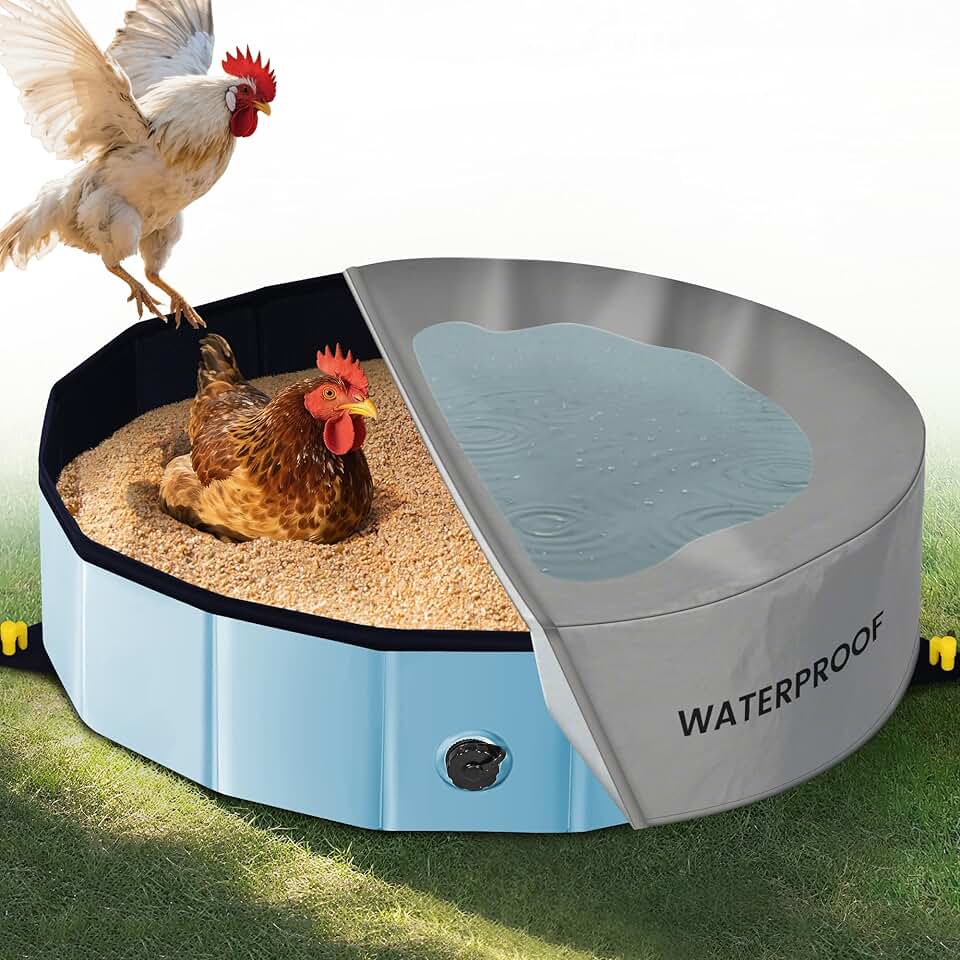
Large 32-inch diameter provides ample space for dust bathing. · Foldable design for easy storage and portability. · Can also be used as a shallow pool for ducks.
A dust bath is essential for poultry hygiene, and this tub offers a convenient and spacious solution for your birds.

Protects hen's back and wings from aggressive roosters during mating. · Adjustable strap ensures a secure and comfortable fit. · Made from durable material for long-lasting use.
These saddles offer protection for hens, preventing injuries and feather loss, promoting their overall well-being.

Provides 20.73 square feet of spacious outdoor run area. · Durable construction for secure enclosure. · Suitable for chicks, ducks, and rabbits.
This large coop extension offers ample space for your unique breeds to explore and exercise safely outdoors.
As an Amazon Associate I earn from qualifying purchases. Prices may vary.
No comments yet. Be the first to share your thoughts!