

Choosing the right coop
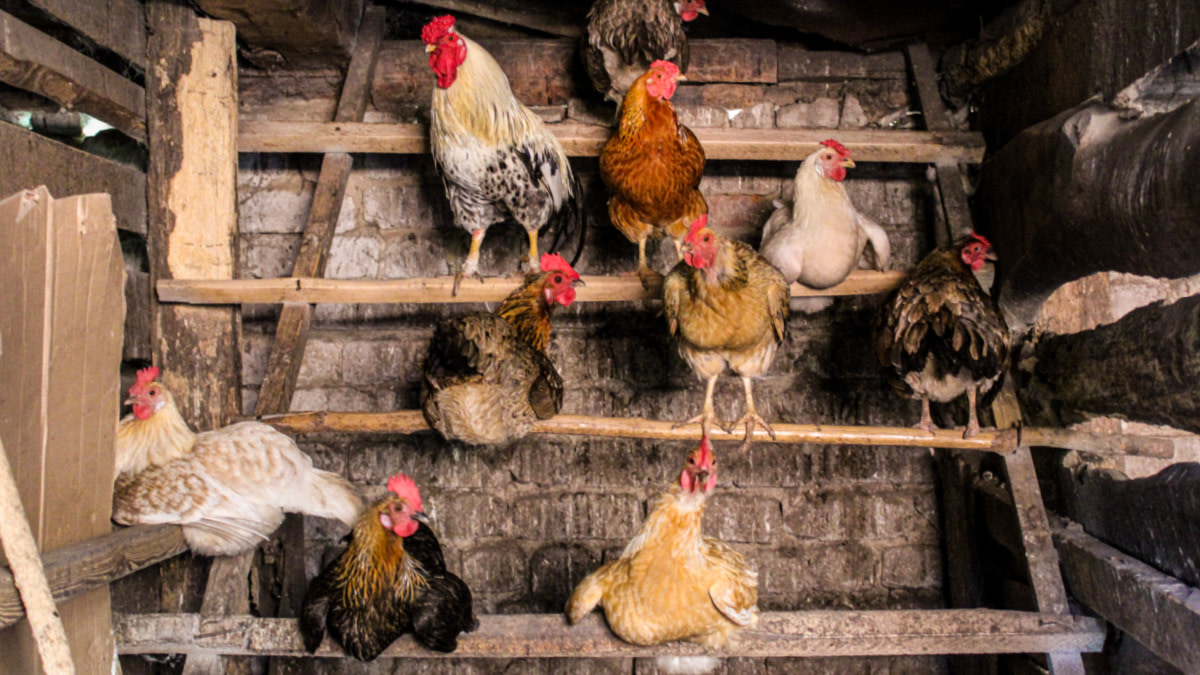
A backyard chicken coop is more than just a shelter; it is the primary defense against predators and the control center for your flock’s climate comfort. Selecting the right model requires balancing capacity, insulation, and security features that match your local environment. The wrong choice can lead to drafty winters, overheated summers, or vulnerable entry points for raccoons and foxes.
When evaluating options, focus on the structural integrity of the materials and the ease of cleaning. A coop that is difficult to maintain will eventually be neglected, compromising the health of your birds. Look for designs that offer ample ventilation near the roofline to release heat and moisture without creating cold drafts at bird level.
The following comparison highlights three distinct coop styles, ranging from portable runs to permanent structures, to help you decide which fits your space and flock size.
| Coop Type | Capacity | Insulation | Predator Protection |
|---|---|---|---|
| Portable A-Frame | 2-4 birds | Low (seasonal use) | Moderate (wire mesh only) |
| Wheeled Doghouse Style | 4-6 birds | Moderate (wood siding) | High (solid walls) |
| Permanent Wooden Coop | 6-10+ birds | High (optional foam/ventilation) | Very High (reinforced frame) |
Essential feeders and waterers
The right chicken feeder and waterer do more than dispense food; they act as the first line of defense against waste, pests, and disease. Poorly designed containers allow chickens to scratch out expensive feed, turn water into muddy sludge, or invite rats and wild birds into the coop. Selecting equipment that minimizes these losses is just as important as the quality of the feed itself.
Gravity-fed systems are the most common choice for backyard flocks because they maintain a constant supply without manual refilling. However, not all gravity feeders are created equal. Look for models with narrow, adjustable ports that prevent birds from reaching in and scratching out feed. The goal is to let chickens eat at their own pace while keeping the bulk of the feed protected inside the reservoir.
Waterers present a similar challenge. Chickens are messy drinkers and will often stand in their water, contaminating it with bedding and droppings. Nipple waterers offer a hygienic solution by delivering water only when a beak presses the pin, keeping the rest of the system dry. For those who prefer open bowls, choose models with a wide base and a narrow rim to prevent chickens from perching on the edge and fouling the water.
Choosing durable, easy-to-clean materials like stainless steel or heavy-duty plastic extends the life of your equipment and simplifies maintenance. Avoid cheap, thin plastic that cracks in freezing temperatures or degrades under UV exposure. A well-built feeder or waterer is a one-time investment that pays for itself in reduced waste and lower veterinary bills.


As an Amazon Associate, we may earn from qualifying purchases.
Bedding and litter options
Choosing the right bedding for your backyard flock involves balancing absorbency, dust control, and how often you need to clean the coop. The right material keeps ammonia levels low and reduces respiratory issues, while the wrong choice can create a muddy, smelly mess in minutes.
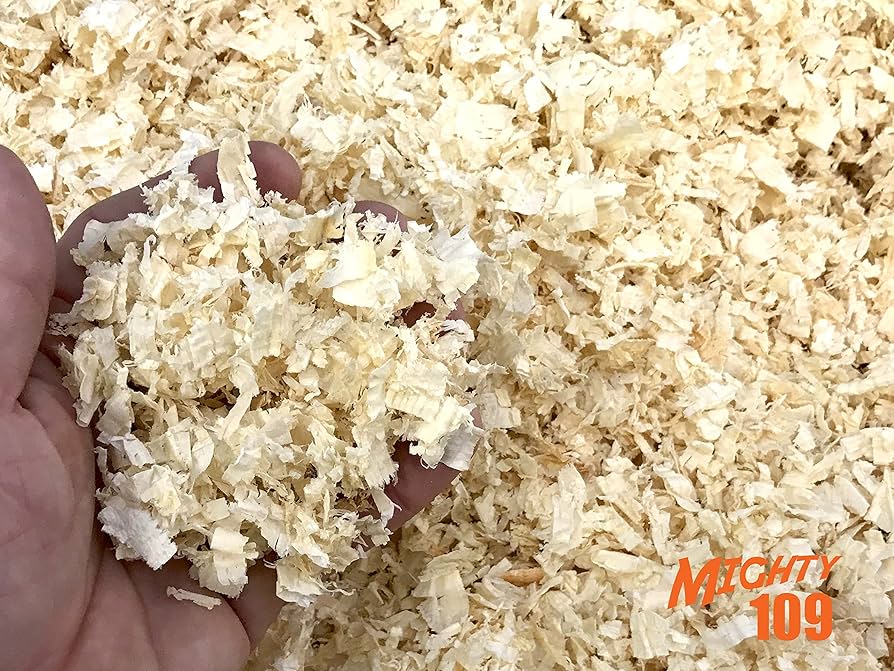
Pine shavings remain the gold standard for most keepers. They absorb moisture well, are relatively inexpensive, and are easy to scoop. However, not all pine is created equal. Lower-quality shavings can be dusty, which irritates a chicken's sensitive lungs. Look for products labeled "dust-extracted" to ensure a cleaner environment for your birds.
Straw is another common option, particularly for winter insulation. It traps heat effectively but breaks down quickly when wet, requiring more frequent changes. Hemp bedding is a premium alternative that offers superior absorbency and lasts longer than straw, though it comes at a higher price point. For those prioritizing ease of cleaning, larger wood pellets are highly absorbent and create less dust, but they require a deep-litter method to manage properly.


As an Amazon Associate, we may earn from qualifying purchases.
Health and care tools
Use this section to make the Best Expert Chicken Supplies for Backyard Flocks decision easier to compare in real life, not just on paper. Start with the reader's actual constraint, then separate must-have requirements from details that are merely nice to have. A practical choice should survive normal use, maintenance, timing, and budget. If a recommendation only works in an ideal situation, call that out plainly and give the reader a fallback path.
The simplest way to use this section is to write down the must-have criteria first, then compare each option against those criteria before weighing nice-to-have features.
No comments yet. Be the first to share your thoughts!