

The Automated Coop: A 2026 Snapshot
Backyard chicken keeping is more popular than ever, and people want easier ways to manage their flocks. Beyond just fresh eggs, keepers seek a streamlined, less labor-intensive experience. By 2026, truly smart coops powered by artificial intelligence are becoming common. These aren't just automated systems; they're learning systems designed to optimize flock management.
The goal is to reduce the workload for chicken keepers while improving bird health and well-being, ultimately increasing egg production. This technology augments, rather than replaces, the human element. We're moving beyond simple timer-controlled coop doors.
The market is still evolving. Automated doors and basic sensors are available, but true AI integration is emerging. The potential is significant. Imagine a system that monitors temperature and humidity, predicts potential health issues before they become visible, and adjusts feeding schedules based on individual bird needs. This is the direction things are heading.
It's important to be realistic: smart coops require initial investment and a willingness to learn new technologies. For those willing to embrace the change, the benefits could be substantial. The technology is becoming more sophisticated, and prices are gradually decreasing, making it accessible to more chicken enthusiasts.
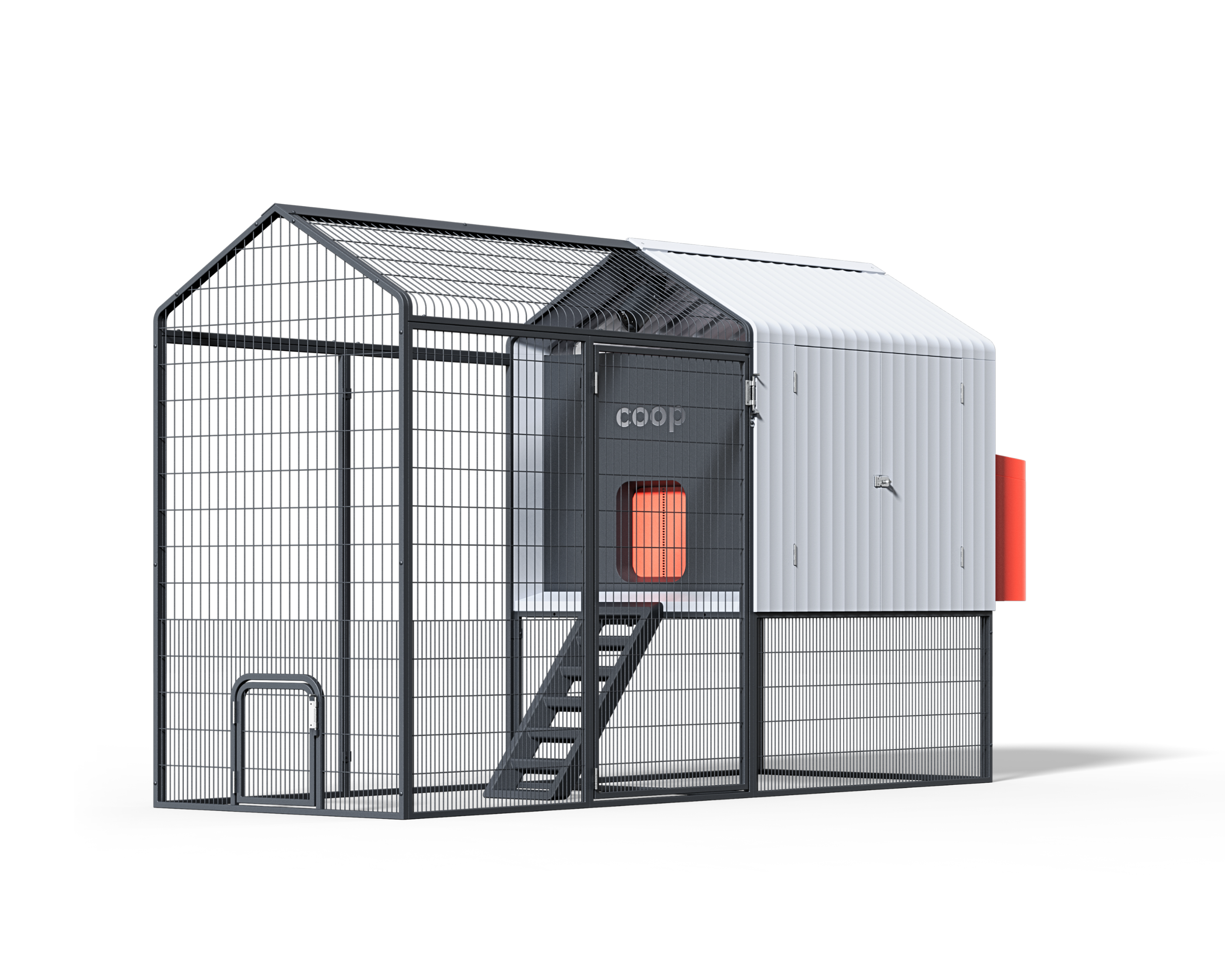
Smart Coop Features: What’s Available Now?
As of late 2023 and early 2024, the foundation for AI-powered coops is in place. Automated doors are the most common feature, offering convenience and security. These doors operate on timers, light sensors, or geofencing, allowing remote control via a smartphone app. Omlet offers various Eglu models with automated door options.
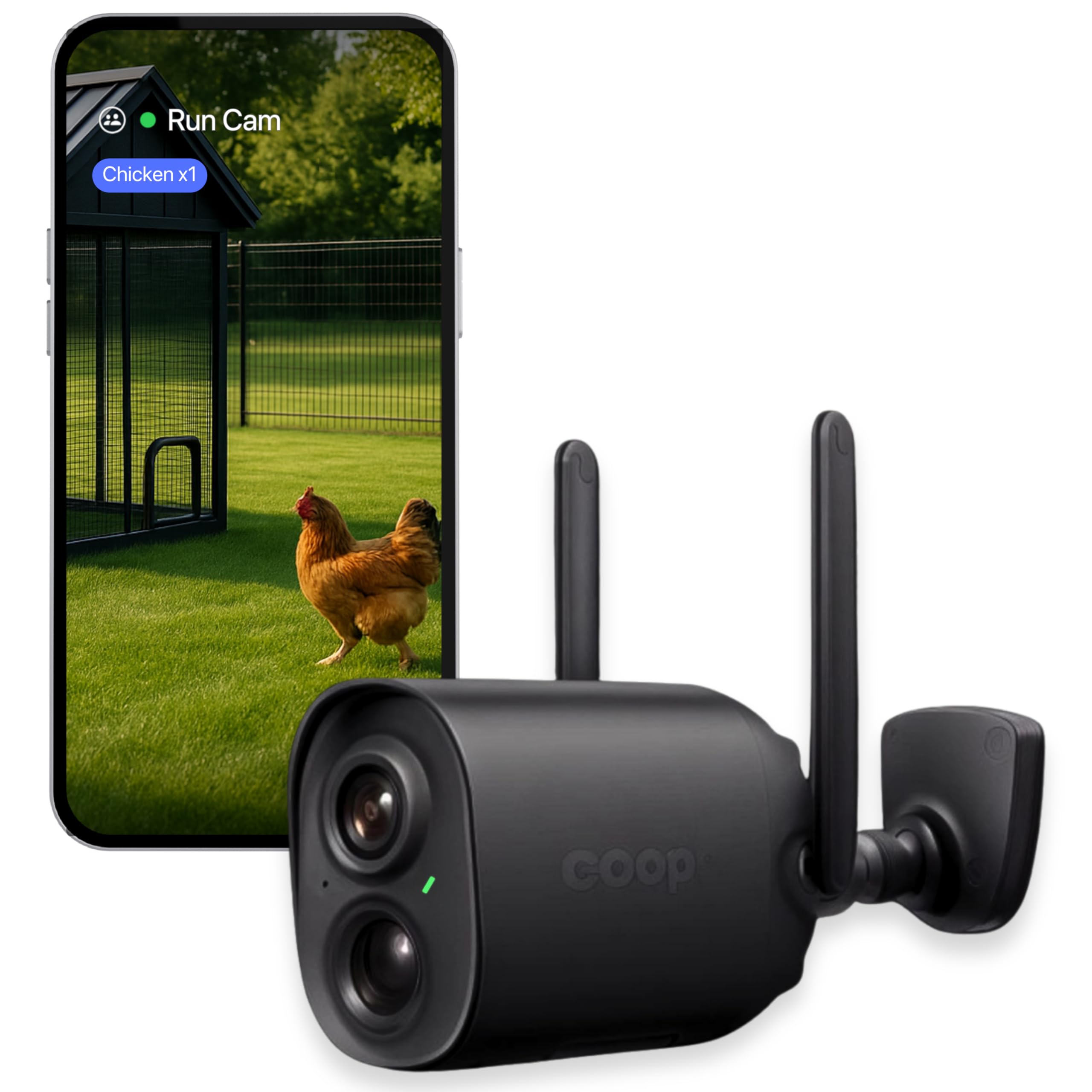
Temperature and humidity control are also becoming standard. Many coops include sensors that monitor these conditions and trigger ventilation or heating systems to maintain a comfortable environment for the chickens, especially during extreme weather. Remote monitoring is another key feature, with integrated cameras and sensors providing real-time data on coop conditions and chicken activity.
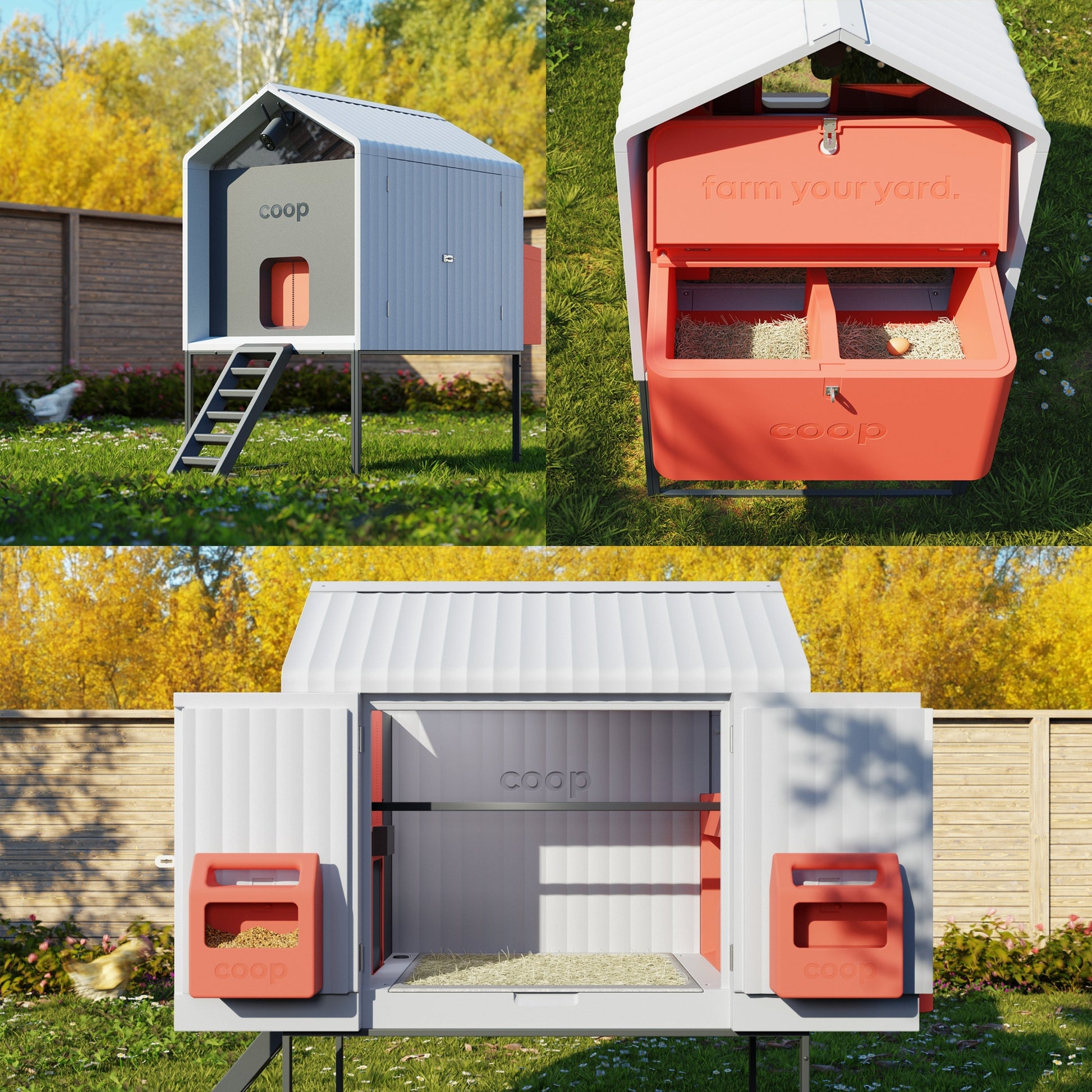
Automated feeding and watering systems are gaining traction. These systems dispense feed and water on a schedule, reducing daily chores. Some systems offer portion control, preventing overfeeding and waste. Smart.coop.farm offers a range of automated coop features.
These features, while valuable, are largely based on pre-programmed rules. They react to environmental changes but don’t necessarily learn from them. This is where the AI component comes into play, which we'll explore next. It's a step up from automating tasks; it's about intelligent management.
- Automated Doors: Timer, light, or geofencing controlled access
- Temperature/Humidity Control: Sensors and automated ventilation/heating
- Remote Monitoring: Cameras and sensors for real-time data
- Automated Feeding/Watering: Scheduled dispensing with portion control
Smart Coop Features vs. Traditional Coop Management
| Feature | Traditional Coop Effort | Smart Coop Effort | Relative Cost | Reliability |
|---|---|---|---|---|
| Automated Door | Manual operation, timed by owner | Automated opening/closing based on light levels or schedule | Medium | Medium |
| Temperature Control | Requires manual adjustments – adding/removing ventilation, providing shade/heat sources | Automated ventilation, heating, and cooling systems with sensor monitoring | High | Medium |
| Remote Monitoring | Requires physical check-ins for security and health assessment | Real-time video feed, sensor data (temperature, humidity, light) accessible remotely | Medium | Medium |
| Automated Feeding/Watering | Daily manual filling of feeders and waterers | Automated dispensing of feed and water based on pre-set schedules or sensor levels | Medium to High | Medium |
| Predator Detection | Reliance on secure coop construction and owner observation | Motion sensors and alerts to potential predator activity | Medium | Low to Medium |
| Egg Collection | Daily manual egg collection | Some systems offer automated egg collection (though less common) | High | Low |
Illustrative comparison based on the article research brief. Verify current pricing, limits, and product details in the official docs before relying on it.
AI Steps In: Beyond Automation
AI moves beyond simple automation to analyze data and make informed decisions. Predictive health monitoring is a prime example. AI algorithms can analyze chicken behavior—activity levels, vocalizations, even subtle gait changes—to identify early signs of illness. This allows intervention before a health problem becomes serious, potentially saving lives and reducing vet bills.
AI can optimize feeding schedules for specific bird needs. Traditional schedules are often based on averages, but AI can tailor feeding to each bird, considering factors like weather, age, breed, and egg production. This leads to improved growth rates, better egg quality, and reduced feed waste. The system could increase protein intake during colder months or when hens are actively laying.
Predator detection is becoming increasingly sophisticated. AI-powered cameras use image recognition to identify potential predators—foxes, raccoons, hawks—and alert owners to their presence. Some systems automatically activate deterrents, such as lights or sounds, to scare away intruders. No system is foolproof, and a vigilant owner is still the best defense.
Fully autonomous coop management is not yet here, but the building blocks are falling into place. The key is AI's ability to learn and adapt over time, constantly refining its algorithms based on collected data. This is a significant departure from traditional automation, which relies on fixed rules and pre-programmed responses.
Health Monitoring: Early Warning Systems
AI can revolutionize chicken health monitoring. Sensors track metrics like activity levels, roosting time, vocalization patterns, and subtle body temperature changes. By analyzing this data, AI establishes a baseline of 'normal' behavior for each individual chicken.
When a chicken deviates from normal behavior, the AI system flags it as an anomaly, alerting the owner to a potential health issue. This early warning system is invaluable, allowing intervention before a minor problem escalates into a serious illness. For example, a sudden decrease in activity level could indicate a respiratory infection, while changes in vocalizations might suggest stress or discomfort.
However, there are challenges to overcome. Data accuracy is crucial, and sensors must be calibrated correctly to ensure reliable readings. Data privacy is also a concern, as the system collects sensitive information about your flock. It’s important to choose a system that prioritizes data security and offers robust privacy controls. The quality of the AI algorithm itself is also paramount.
A step-by-step approach to implementing a health monitoring system might involve: 1) Installing sensors in the coop. 2) Establishing a baseline for each chicken. 3) Regularly reviewing alerts and investigating anomalies. 4) Providing feedback to the AI system to improve its accuracy. 5) Consulting with a veterinarian when necessary. This is a tool to aid in management, not replace veterinary care.
Feeding & Egg Production: Data-Driven Efficiency
AI can optimize feeding schedules to maximize egg production while minimizing waste. The system can factor in a multitude of variables, including the time of year, weather conditions, individual chicken weight and age, and current egg production rates. During colder months, for example, chickens require more calories to maintain their body temperature, so the AI might increase the amount of feed dispensed.
AI can also adjust the composition of the feed based on egg quality metrics. If the system detects a decline in eggshell strength, it might increase the calcium content of the feed. Similarly, it could adjust the protein levels to optimize egg size and yolk color. This level of precision is simply not possible with traditional feeding methods.
It's important to be realistic about the current capabilities. We're not yet at the point where AI can perfectly predict egg production or tailor feed to the individual needs of every chicken. However, the technology is rapidly improving, and we can expect to see more sophisticated systems in the coming years. The data input is key; the more information the system has, the more accurate its predictions will be.
The potential savings in feed costs alone could justify the investment in a smart coop. Reducing feed waste and optimizing egg production can significantly improve the profitability of a backyard flock. Plus, healthier chickens are more productive chickens, leading to a more sustainable and enjoyable experience.
Security & Predator Protection: Smarter Safeguards
AI-powered cameras and sensors can significantly enhance coop security. These systems can use image recognition to identify potential predators – foxes, raccoons, hawks, even neighborhood dogs – and alert you to their presence via smartphone notifications. Some systems can even differentiate between harmless animals and actual threats, reducing false alarms.
Automated door locking and unlocking based on time of day and predator activity is another valuable feature. The system can automatically close the coop door at dusk and open it at dawn, ensuring that your chickens are always protected. If a predator is detected during the night, the door can remain locked until the threat has passed.
Deterrent systems, such as flashing lights and loud sounds, can also be integrated into the security system. These systems can be triggered automatically when a predator is detected, scaring it away before it can harm your chickens. However, it’s important to note that AI isn’t foolproof. Predators can sometimes outsmart the system, so it’s essential to maintain a vigilant watch.
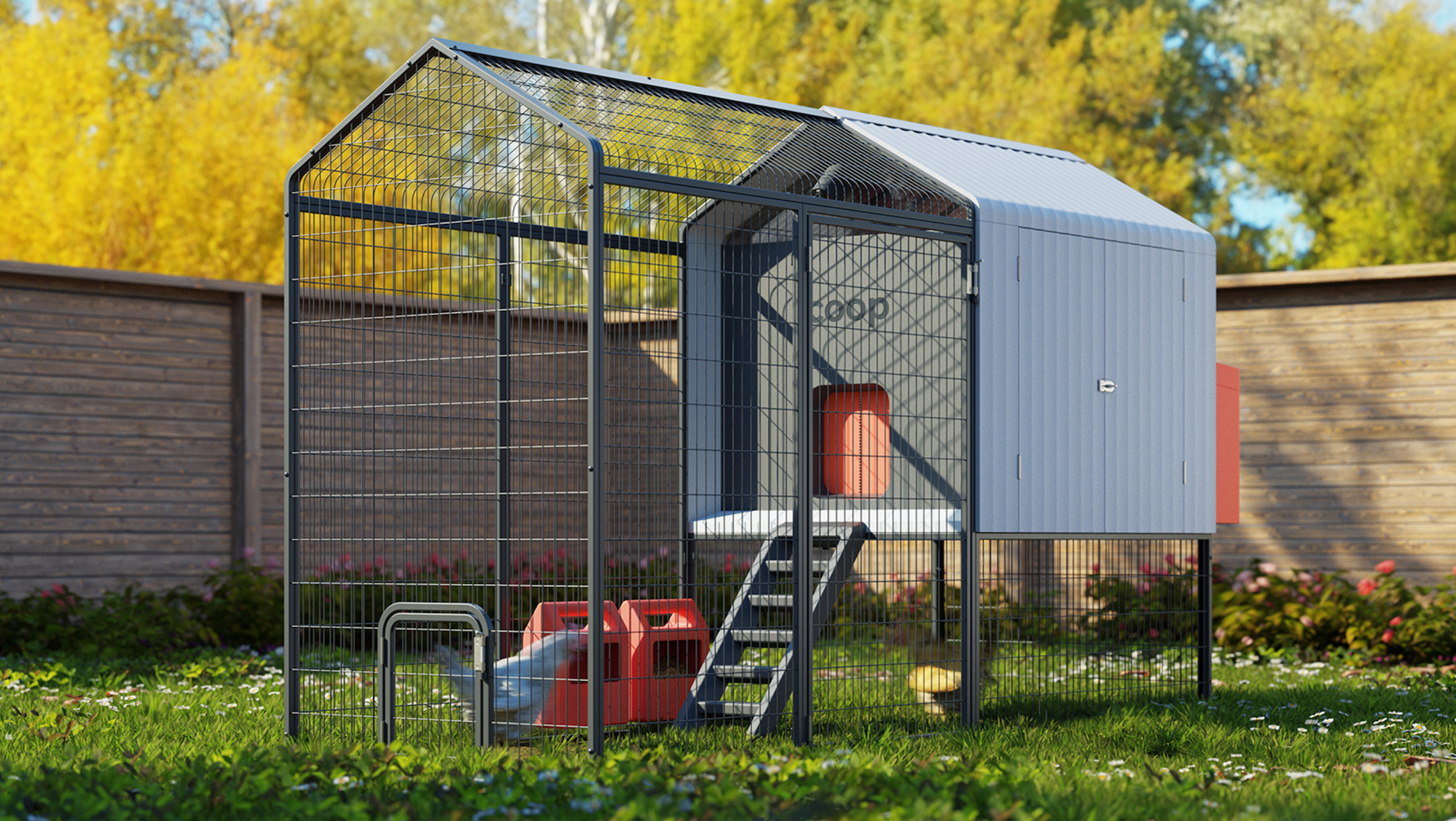
While technology can help, a well-designed coop with sturdy construction and secure fencing is still the first line of defense. AI-powered security systems should be viewed as a supplement to, not a replacement for, good physical security practices. It’s about layering your defenses to create a more secure environment for your flock.
Cost & Setup: Is It Worth the Investment?
The cost of a smart coop can vary widely depending on the features and complexity of the system. A basic automated door can cost around $100-$300, while a fully integrated AI-powered system can easily exceed $1,000. The coop itself will add to the cost, with prices ranging from a few hundred dollars for a simple model to several thousand for a high-end, predator-proof structure. Smart.coop.farm and Omlet both offer a range of options at different price points.
Ongoing costs include data plans for remote monitoring, maintenance of sensors and automated systems, and potential software subscription fees. These costs can add up over time, so it’s important to factor them into your budget. However, you might also see savings in reduced feed waste, fewer vet bills, and increased egg production.
The technical skills required for setup and maintenance also vary. Some systems are relatively easy to install and operate, while others require more advanced technical knowledge. If you’re not comfortable with technology, you might need to hire a professional to help with the setup. The level of integration with existing smart home systems can also impact the complexity of the setup.
Ultimately, the decision of whether or not to invest in a smart coop depends on your individual needs and priorities. If you’re a busy person who wants to minimize the workload of chicken keeping, or if you’re concerned about the health and safety of your flock, a smart coop might be a worthwhile investment. But if you’re on a tight budget or you enjoy the hands-on aspect of chicken keeping, a traditional coop might be a better choice.
The Future of the Smart Coop
Looking ahead, the future of AI-powered coop management is bright. We can expect to see even greater integration with smart home ecosystems, allowing you to control your coop from the same app you use to manage your lights, thermostat, and security system. Personalized chicken care recommendations, tailored to the specific needs of your flock, will become more common.
Automated egg collection is another potential advancement. Imagine a system that automatically collects eggs as they’re laid, reducing the risk of breakage and contamination. AI could also be used to grade eggs based on size, shape, and quality, providing valuable data for optimizing breeding programs.
I believe the biggest impact will be in preventative health. The ability to detect health issues early on, before they become visible, will dramatically improve the well-being of chickens and reduce the need for costly veterinary care. The data collected by these systems will also provide valuable insights into chicken behavior and health, leading to more effective management practices.
There are challenges to overcome, of course. Data privacy and security remain paramount concerns. And the cost of these technologies needs to come down to make them accessible to a wider range of chicken keepers. But the potential benefits are too significant to ignore. The smart coop is not just a technological novelty; it’s a glimpse into the future of sustainable and humane animal husbandry.

No comments yet. Be the first to share your thoughts!