

How much space do chickens need per bird?
The standard rule for backyard chicken coop space is 2 to 3 square feet per bird inside the coop, and 8 to 10 square feet per bird in the outdoor run. These numbers are the bare minimum to keep your flock healthy and prevent behavioral issues like feather picking or aggression.
However, more space is almost always better. Chickens are active animals that need room to stretch, scratch, and establish a pecking order without feeling crowded. When space is tight, stress levels rise, which can lead to illness and reduced egg production.
"I let my birds free range on about .5 acres. They go into the coop at night and i secure them before dark. They use every bit of the space."
— r/BackYardChickens
Many experienced keepers argue that the "10 square feet per bird" rule for runs is often too conservative for active breeds. If you have the land, providing more room allows your chickens to exhibit natural foraging behaviors, which improves their overall well-being and reduces the workload for you in terms of cleaning and maintenance.
Coop space per tradeoffs
Choosing the right square footage isn't just about meeting a minimum standard; it's about balancing bird health, maintenance effort, and property constraints. The "10 square feet per bird" rule for run space and "4 square feet per bird" for coop space are baseline starting points, not hard limits. Your specific flock size, breed, and local climate will dictate whether you need to stretch those numbers or if you can safely stay closer to the minimum.
The most common mistake is underestimating how much space birds actually want versus what they can tolerate. While a chicken can physically fit in a cramped coop, behavioral issues like feather picking and aggression spike when birds are forced into close quarters. Conversely, providing excessive space without adequate shelter can lead to weather-related stress. You are trading off between strict efficiency and long-term flock harmony.
| Factor | Minimum Standard | Comfortable Target | Tradeoff |
|---|---|---|---|
| Coop Floor Space | 2-3 sq ft/bird | 4 sq ft/bird | Less cleaning frequency vs. higher build cost |
| Run Space | 10 sq ft/bird | 15-25 sq ft/bird | Less mud/disease vs. more fencing materials |
| Perch Space | 6-8 inches/bird | 10 inches/bird | Tighter roosting vs. reduced aggression |
| Ventilation | N/A | High airflow | Draft risk vs. ammonia buildup |
Larger breeds like Orpingtons or Jersey Giants need significantly more room than bantams. If you are raising standard-sized birds, doubling the minimum coop space is often worth the extra footprint. For run space, the difference between 10 and 25 square feet per bird is the difference between a muddy patch and a functional outdoor area. This extra room allows birds to scratch, dust bathe, and establish a natural pecking order without constant conflict.
Community feedback consistently highlights that ventilation and perch spacing are just as critical as floor area. A well-ventilated coop with slightly less floor space is often healthier than a tightly sealed, spacious one. Similarly, providing ample perch space (6-8 inches per bird) prevents birds from fighting for the best sleeping spots, which is a leading cause of injury in smaller coops.
The consensus among experienced keepers is that more space is almost always better, provided you can manage the maintenance. If your property allows, err on the side of more run space. It reduces the frequency of deep cleaning, minimizes disease transmission, and keeps your birds happier. Remember, you are building a home for living creatures, not just a storage unit for eggs.
How to calculate the right space for your flock
Finding the right space for backyard chickens isn't just about meeting a minimum code requirement; it's about balancing bird health with your available yard. Too little room leads to pecking, stress, and dirt that turns into mud. Too much space might feel like wasted yard real estate. The goal is to find the sweet spot where your chickens are active, clean, and happy without turning your garden into a dust bowl.
Start by looking at your permanent setup. The coop is where they sleep and lay eggs, so it needs to be tight but comfortable. Aim for 2 to 3 square feet per bird inside the coop. This is a hard limit; overcrowding here invites disease and keeps the air stale. If you are housing larger breeds like Jersey Giants or Orpingtons, lean toward the higher end of that range. Their heavier bodies need a bit more floor space to move without bumping into neighbors.
Next, look at the run. This is the fenced outdoor area attached to the coop. The general rule of thumb is 8 to 10 square feet per bird. This number is a baseline for birds that spend most of their day in the run. If you plan to let them free-range, you can reduce the run size slightly, but don't eliminate it entirely. A run provides a safe, predator-proof zone for bad weather or when you can't supervise them. Think of the run as their living room and the coop as their bedroom.
Finally, consider your local climate and your birds' personalities. In rainy climates, a smaller run will turn into a swamp faster, so give them more ground to keep the dry spots dry. In hot, dry areas, shade becomes the limiting factor, not just square footage. Watch your birds. If they are constantly huddled together or picking at each other's feathers, you need more space. If they are spread out, scratching, and dust bathing, you've got it right.

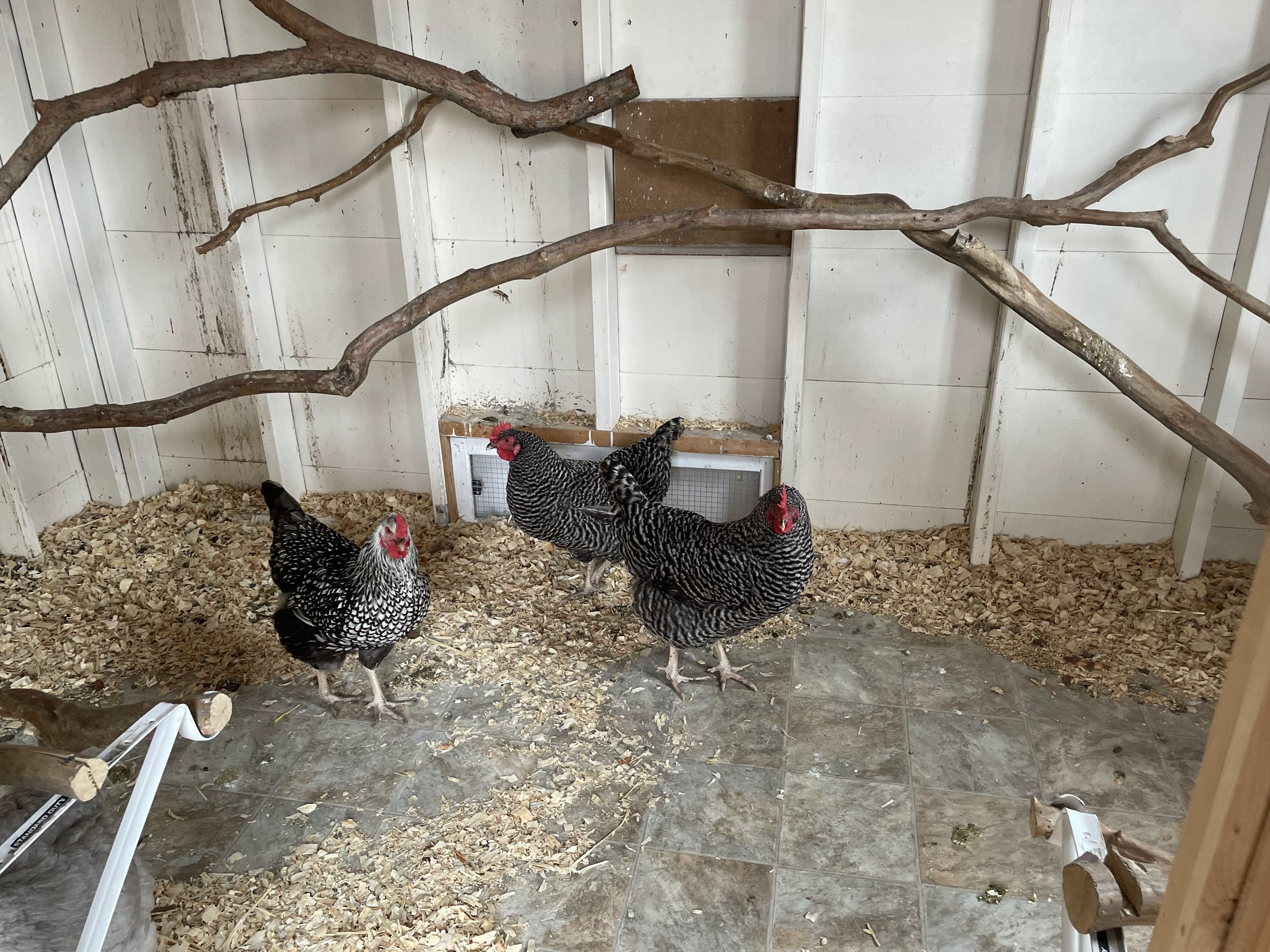
Calculate the floor area. Divide by your flock size to ensure at least 2-3 square feet per bird. This is non-negotiable for health.
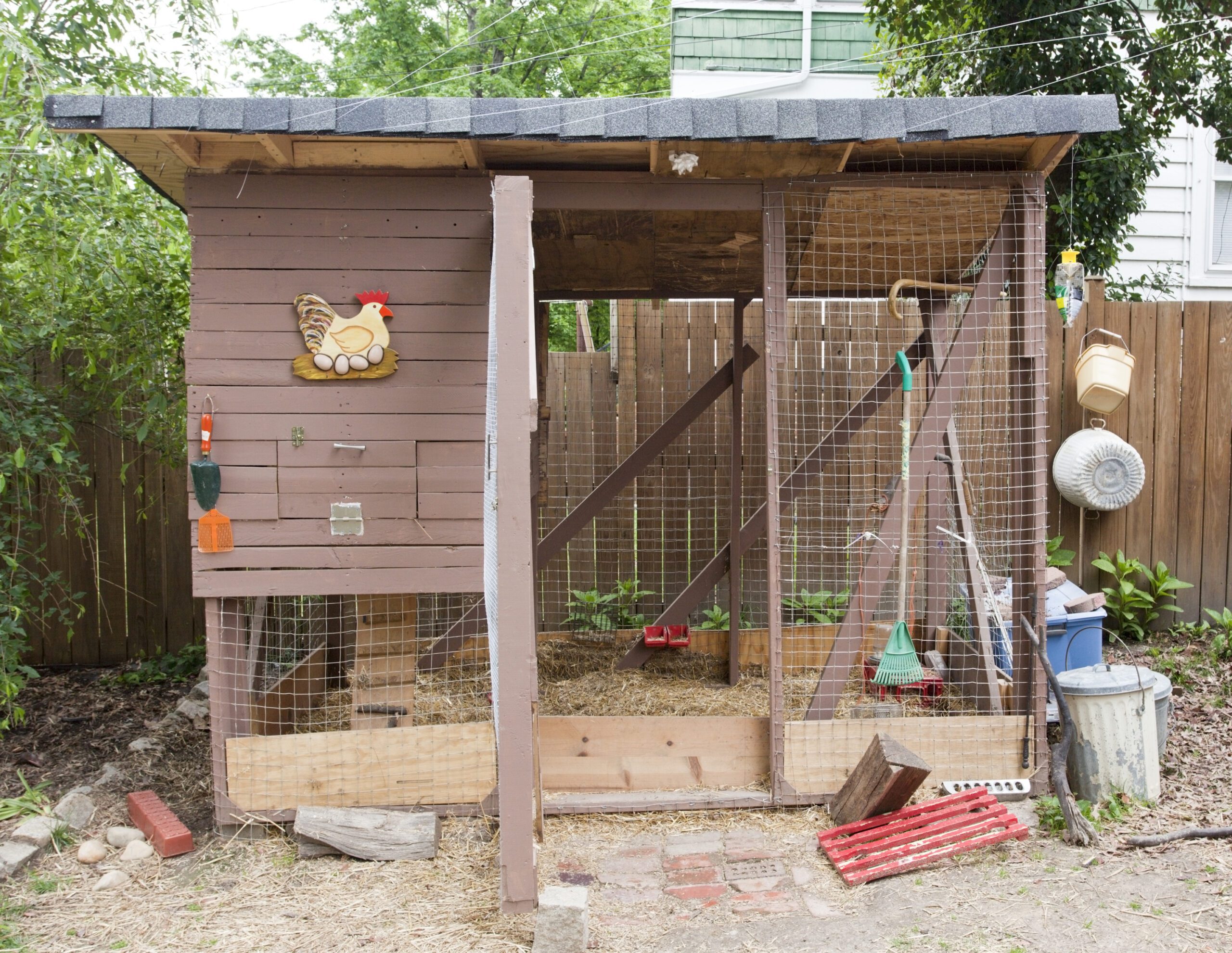
Measure the fenced outdoor space. Aim for 8-10 square feet per bird. Add more if you have large breeds or live in a wet climate.
If birds have access to a yard, reduce run space slightly. However, always keep a secure run for nights and bad weather.
Observe behavior. Feather picking, aggression, or constant huddling means you need more space. Adjust as your flock grows.
Common misconceptions about backyard chicken space
Many guides repeat the same rule of thumb without context: 10 square feet of run space per bird. While this number appears in official poultry care sheets, it often serves as a bare minimum for confined flocks rather than a target for happy, healthy birds. Treating this figure as a hard requirement can lead to overcrowded runs, increased stress, and faster disease transmission.
The reality is that chickens have different spatial needs depending on their lifestyle. Birds that free-range for part of the day require significantly less enclosed run space than those kept in confinement all day. A flock with access to a half-acre yard will thrive in a smaller coop and run setup, whereas fully confined birds need ample room to scratch, dust bathe, and establish a social hierarchy without constant conflict.
Reddit users and community forums frequently highlight this gap between textbook recommendations and practical experience. One common thread suggests that 8 to 10 square feet is sufficient only if the birds are secured at night and have other options for movement. Ignoring these nuances can result in a setup that meets legal minimums but fails to support the birds’ natural behaviors.
When evaluating your space, look beyond the square footage. Consider the layout of your run, the availability of enrichment, and the time your birds spend outside the enclosure. A well-designed, smaller run with plenty of vertical space and foraging opportunities can be more effective than a larger, barren dirt patch. Prioritize quality of movement over arbitrary square footage metrics.
Chicken coop space per bird questions
Getting the square footage right prevents aggression, disease, and feather pecking before they start. Most backyard keepers aim for four square feet inside the coop and eight square feet in the run for standard breeds. Large breeds like Jersey Giants need double that to avoid crowding. If your birds free-range on half an acre or more, you can often reduce the indoor space to two or three square feet per bird, provided they have room to roam during the day.
Roosting space is just as critical as floor area. Chickens need six to eight inches of perch space per bird to sleep comfortably. Place these roosts at least 18 inches off the floor so the birds can jump down without injuring their legs. If you skip this detail, the birds will compete for the best sleeping spots, leading to stress and dropped eggs.
The run is where your flock spends most of its waking hours. While some sources suggest eight to ten square feet per bird, many keepers find that more is always better. A cramped run turns to mud quickly, which spreads bacteria and parasites. If you can’t provide a massive run, consider rotating your flock between different grassy areas or using a mobile coop to keep the ground fresh.
No comments yet. Be the first to share your thoughts!