

Choose breeds for yield, not just looks
Prioritize production breeds like Australorps or Rhode Island Reds for consistent egg counts. Polish chickens, while visually striking, often lay fewer eggs due to vision obstruction and stress. Select birds with clean legs and clear eyes to ensure health and vitality.
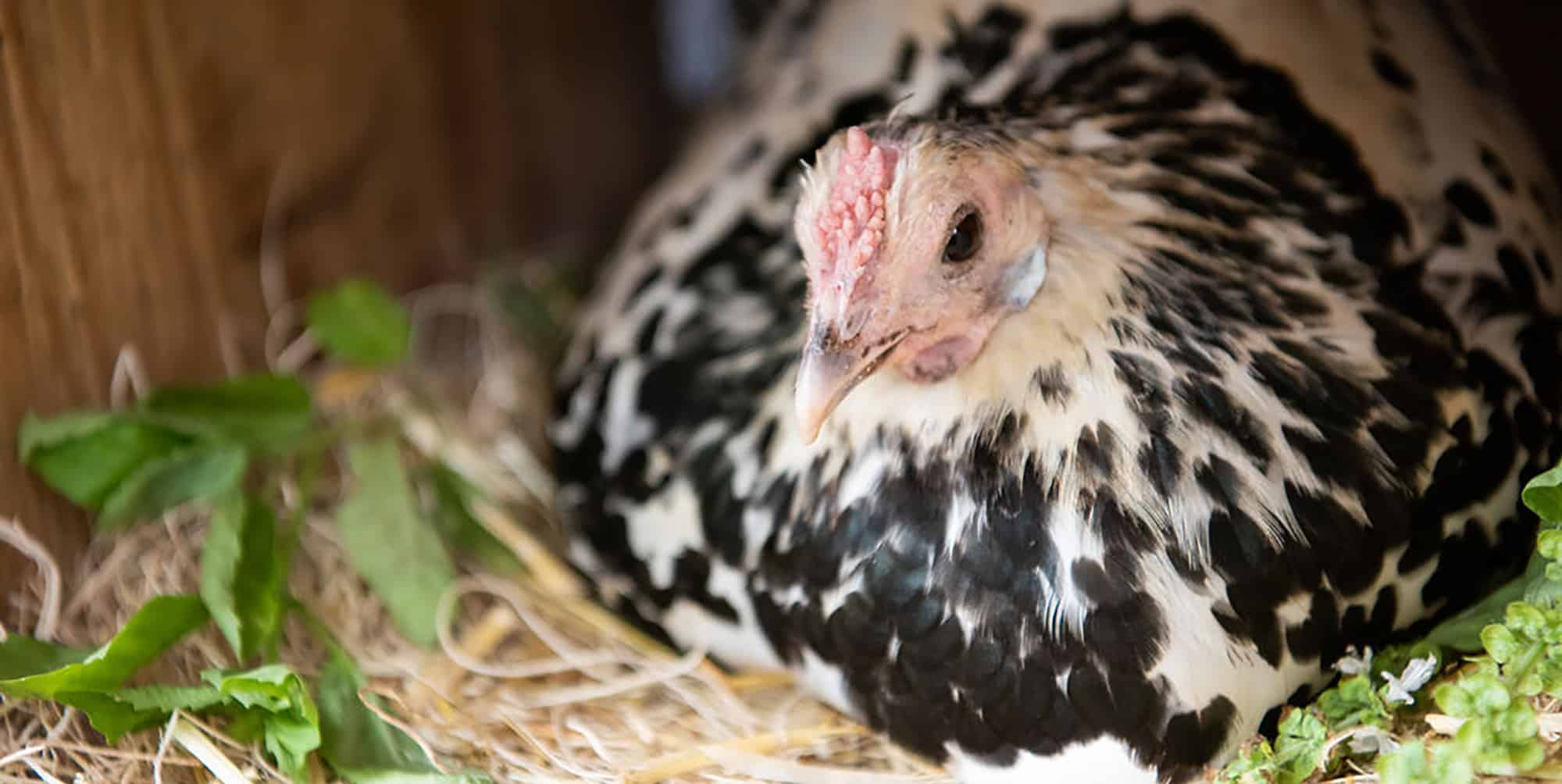
Evaluate the trade-offs between aesthetic breeds like Polish chickens and production breeds like Australorps. Polish chickens offer unique visual interest but often lay fewer eggs. Black breeds like Australorps and Rhode Island Reds provide reliable, high-volume egg production with less maintenance.
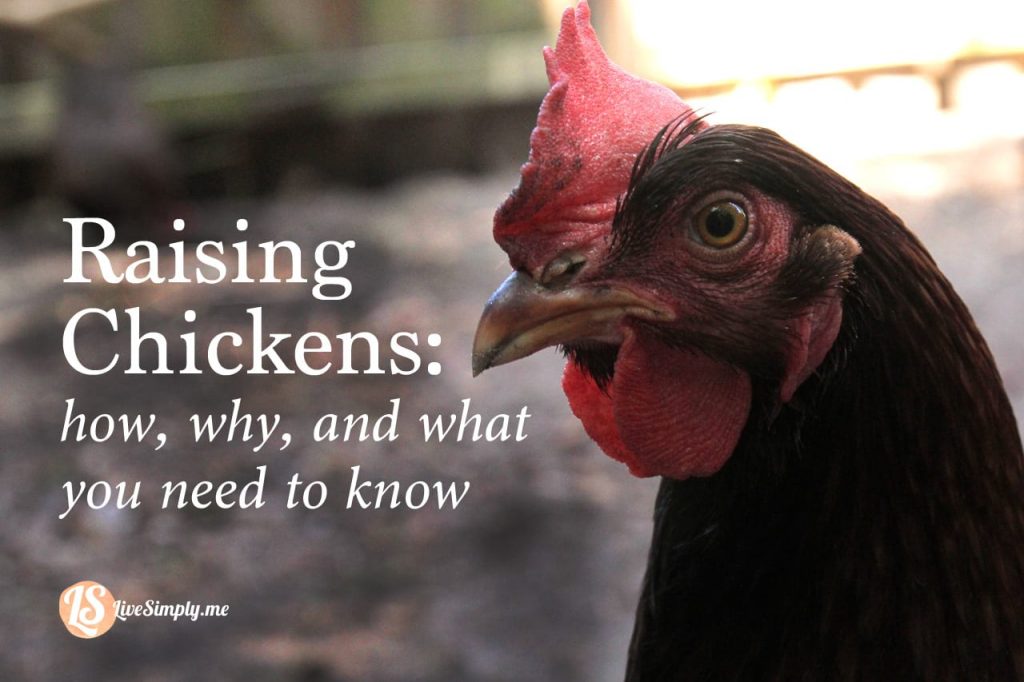
Choose Australorps or Rhode Island Reds for their proven laying records. These breeds are known for their hardiness and ability to produce dark-shelled eggs consistently. Look for birds with clean legs and clear eyes to ensure health and vitality.
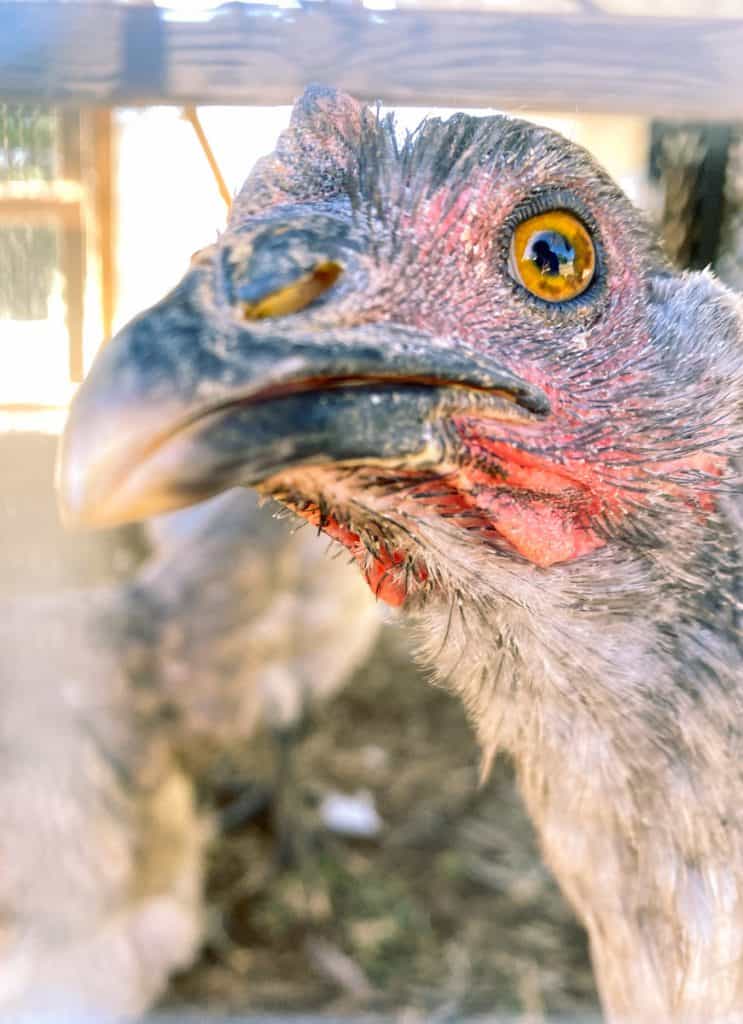
Check for bright eyes, clean vents, and smooth feathers. Avoid birds with excessive cresting if productivity is your main goal. A healthy, unobstructed bird will lay more consistently and require less care than show breeds.
Build a secure, ventilated coop
A secure coop is essential for consistent egg production. The University of Minnesota Extension notes that proper housing protects flocks from weather and predators, directly supporting laying habits.
Start with a clean slate. Remove old bedding, scrub surfaces with a mild disinfectant, and let the structure dry completely. This prevents the buildup of ammonia and harmful bacteria that can stress your flock and reduce egg quality.
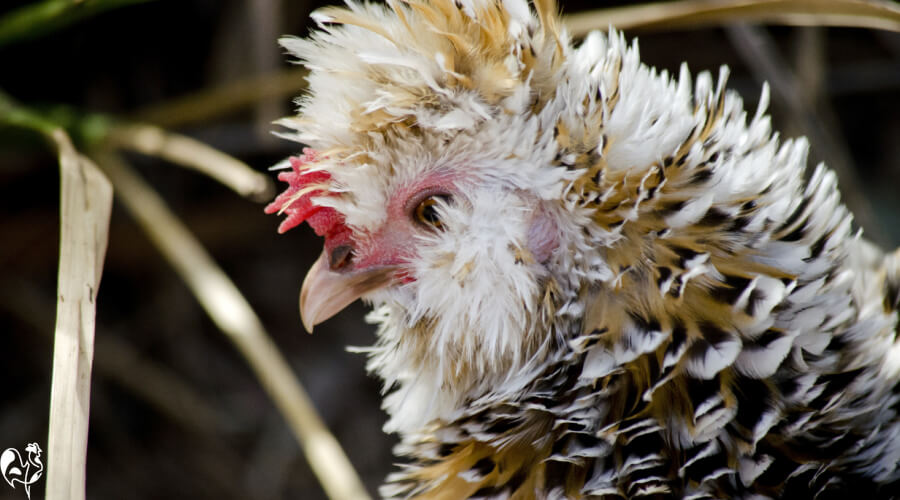
Spread a thick layer of pine shavings or straw. Bedding absorbs moisture and waste, keeping the coop dry and reducing odor. Black and Polish chickens, like all layers, prefer dry conditions to maintain healthy feathers and consistent laying cycles.
Provide one nesting box for every four to five hens. Place them in a dark, quiet corner to encourage use. Secure all doors and windows with heavy-duty locks or latches that raccoons and other predators cannot easily manipulate.
Ventilation is critical. Install vents near the roofline to allow ammonia and excess heat to escape without creating drafts at bird level. Proper airflow prevents respiratory issues and keeps the environment comfortable for your Polish crests, which are sensitive to moisture buildup.
Use hardware cloth instead of chicken wire for windows and vents. Raccoons have dexterous paws and can open simple latches; hardware cloth resists chewing and bending. This security investment directly correlates to the peace of mind needed to manage a high-yield flock.
Feed for consistent laying
Diet is the primary driver of shell quality and laying frequency. A balanced approach prevents the nutritional imbalances that often cause production to drop.
Follow the 90/10 rule
The foundation of your feeding strategy is the 90/10 rule. This guideline states that 90% of a hen's daily intake should come from a complete layer feed, while only 10% can be treats. This ratio ensures they receive the precise balance of protein, vitamins, and minerals required for egg formation.
Complete layer feed is fortified with calcium and other critical elements. It provides the consistent baseline nutrition that keeps production steady regardless of what other foods you offer. Treats should supplement this base, not replace it.
Prioritize calcium for shell strength
Strong eggshells require significant calcium. Older hens, in particular, have a higher demand for this mineral as their efficiency in processing it declines. Without adequate calcium, hens may lay soft-shelled or shell-less eggs, and their own bone health can suffer.
Offer crushed oyster shells as a free-choice supplement. This allows hens to self-regulate their intake based on their current laying needs. It is especially important for Black and Polish breeds, which can be sensitive to nutritional deficits.
Always ensure access to clean water and grit. Water is essential for digesting feed and forming egg whites, while grit helps grind food in the gizzard. These two elements work together with the feed to maximize nutrient absorption and support consistent laying.
Manage Polish chicken crests
Polish chickens are prized for their voluminous head feathers, but that crest requires regular maintenance to keep the birds healthy and laying efficiently. Without intervention, the feathers can obscure the bird’s vision, leading to stress, poor foraging, and vulnerability to predators. More critically, trapped moisture and debris in the plumage create a breeding ground for mites, lice, and bacterial infections that can rapidly decline egg production.
Your primary task is to trim the feathers around the eyes to restore visibility. This process, often called "crest trimming," ensures the bird can see its feed, water, and flock mates clearly. It also prevents the accumulation of droppings and dirt that can cause eye irritation or blindness.
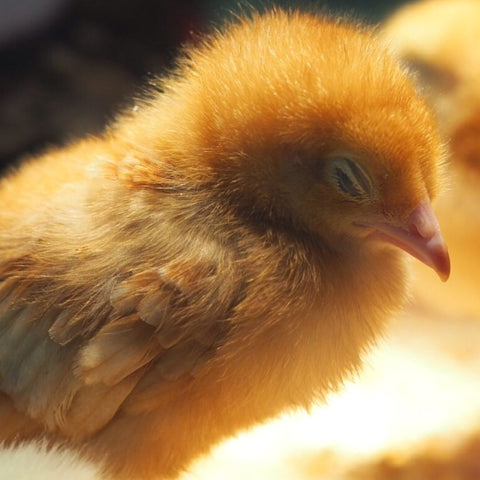
Hold the chicken gently but firmly against your body. Support its weight with one arm while keeping its head steady with your other hand. This prevents sudden movements that could lead to accidental injury from scissors.
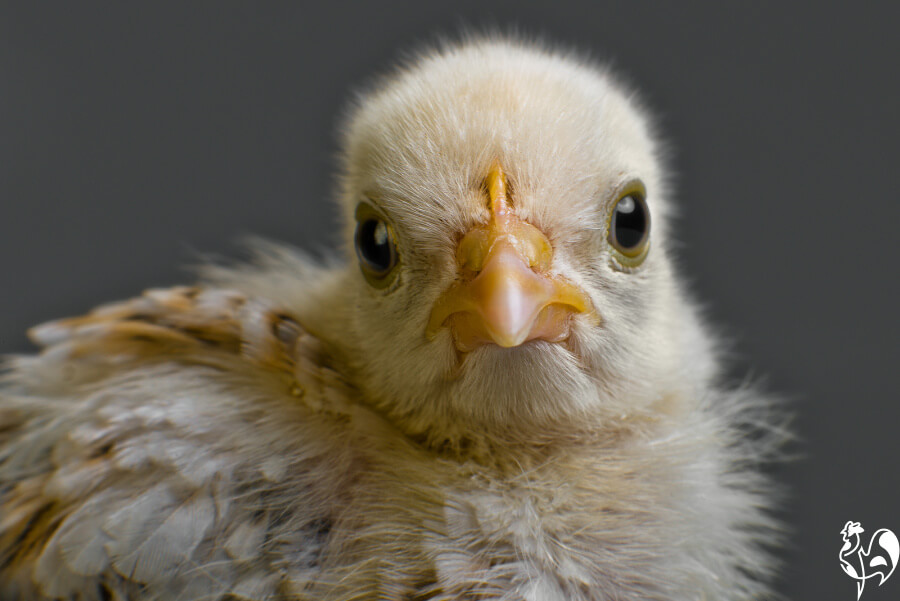
Locate the feathers directly covering the eyes and nostrils. Polish crests often grow so thickly that the eyes are barely visible. Use a comb or your fingers to part the feathers and see exactly where the trimming needs to stop.
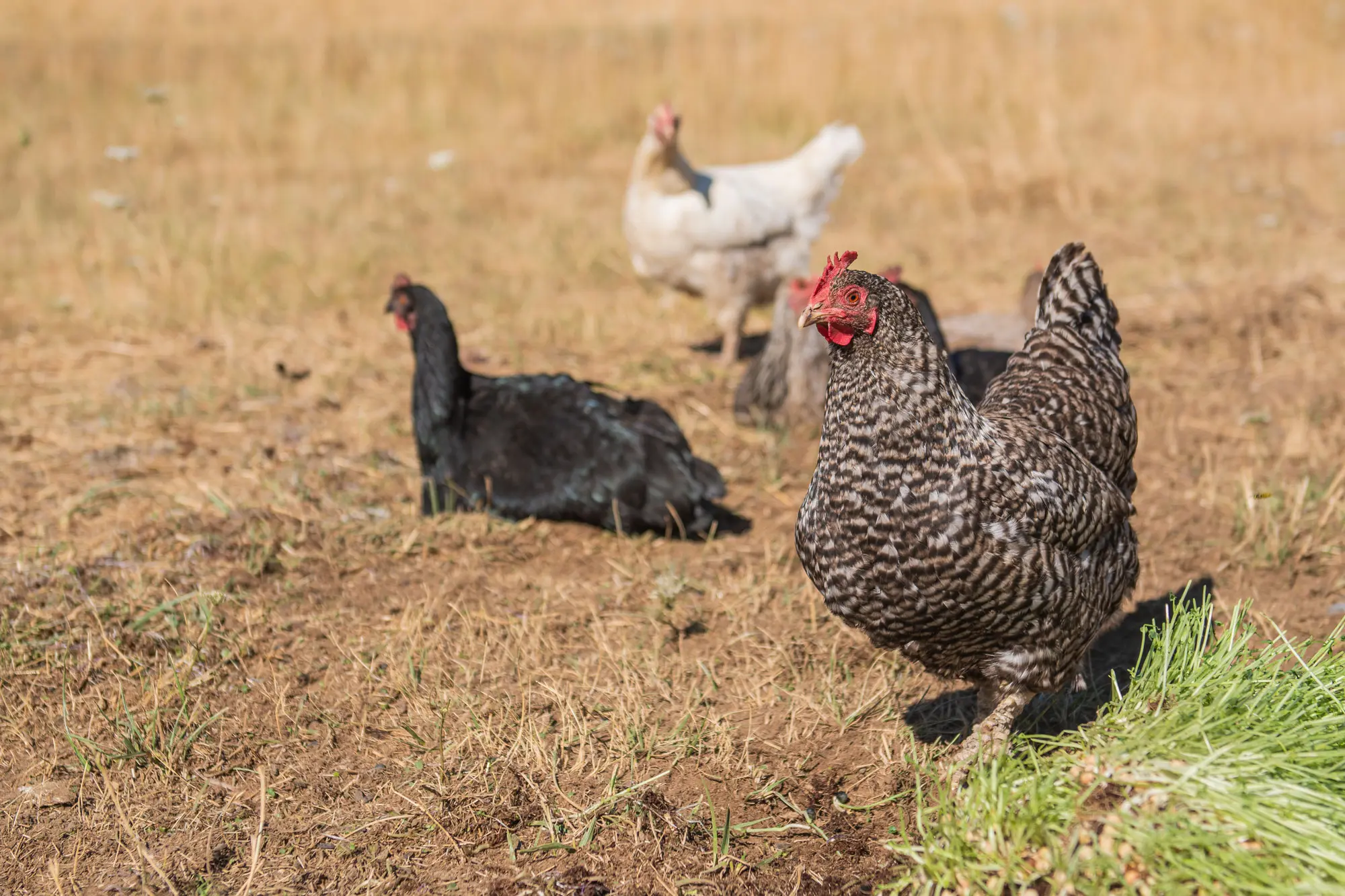
Use blunt-tipped grooming scissors for safety. Cut only the feathers that block vision, leaving a small margin of safety. Avoid cutting too close to the skin to prevent nicking the bird. Trim in small increments, checking vision frequently.
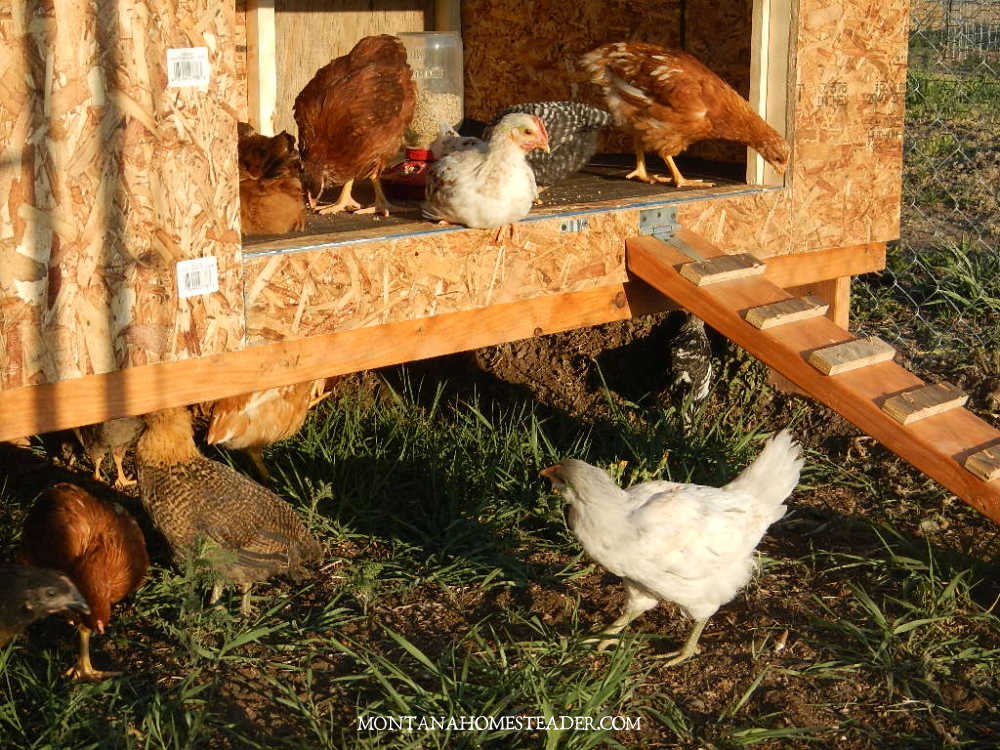
After trimming, check the exposed skin and surrounding feathers for mites, lice, or dirt clumps. Polish chickens are particularly susceptible to pest infestations in their dense plumage. Treat with appropriate poultry dust or spray if necessary.
Perform this trim every 4–6 weeks, depending on how quickly the feathers grow. Regular maintenance not only improves the bird’s quality of life but also supports consistent egg laying by reducing stress and health risks.
Collect and store eggs properly
Collecting eggs from your black and polish chickens every single day is the single most important step in maintaining high egg yields. Daily collection prevents the birds from developing broodiness, a behavioral cycle where a hen decides to sit on and hatch eggs rather than continue laying. It also protects the shells; eggs left in nest boxes for days accumulate dirt, risk cracking under the weight of other hens, or become targets for predators.
When you collect, handle each egg gently to avoid micro-fractures that compromise freshness. Place them pointy-end down in clean, food-safe containers. Avoid washing the eggs immediately after collection. The natural protective coating, or "bloom," seals the pores against bacteria. Washing removes this barrier, significantly shortening shelf life and allowing contaminants to penetrate the shell.
For storage, keep eggs in the coldest part of your refrigerator, ideally in their original carton to prevent odor absorption. They should be stored at 45°F (7°C) or lower. Under these conditions, black and polish eggs maintain peak quality for three to five weeks. If you prefer room-temperature storage, you must wash and refrigerate them within 24 hours, but refrigeration remains the gold standard for safety and longevity.
Troubleshoot Common Laying Issues
If your Black and Polish chickens stop laying, check these three stressors first. Production drops usually signal a physical or environmental problem, not just a random pause.
1. Check for Molting
Chickens naturally shed feathers and stop laying energy to regrow them. This usually happens in late summer or early fall. If you see loose feathers or bald patches, production will pause until new feathers grow in. Ensure they have extra protein to support feather growth.
2. Assess Stress Levels
Noise, predators, or extreme heat can cause hens to stop laying. Polish chickens, with their crests, are especially vulnerable to heat and predator attacks because their vision is impaired. Keep their coop dark, quiet, and secure. If the weather is hot, provide shade and cool water to reduce heat stress.
3. Review Diet and Treats
Overfeeding treats dilutes their nutrient intake. Follow the 90/10 rule: 90% complete layer feed and 10% treats. If you are giving too many scraps, they may skip their calcium-rich layer feed, leading to thin shells or no eggs at all.
Look for loose feathers and bald patches. Increase protein intake to support feather regrowth during this natural pause.

Ensure the coop is dark, quiet, and predator-proof. Polish chickens need extra protection due to their impaired vision.
Limit treats to 10% of their diet. Ensure they eat their complete layer feed to maintain calcium and nutrient levels.
Final prep checklist for new keepers
Before the delivery truck arrives, your setup needs to be complete. Black and Polish chickens are high-maintenance in terms of grooming and space, so a rushed start often leads to stress or health issues. Use this sequence to ensure you are ready to welcome your flock.
1. Secure the coop and run
Polish chickens have large, fluffy crests that can obstruct their vision, making them more vulnerable to predators. Ensure your coop has secure locking mechanisms and that the run is fully enclosed with hardware cloth, not just chicken wire. Verify that roosting bars are wide enough to accommodate their feathered feet.
2. Stock the right feed and water
Black and Polish hens require high-quality layer feed to maintain their egg production. Have chick starter on hand if you are raising them from hatchlings, transitioning to layer feed at 18 weeks. Install two waterers to prevent contamination, and add a grit container to aid their digestion.
3. Prepare for grooming
Polish chickens require regular cleaning around their eyes to prevent debris from matting their crest feathers. Gather cotton balls, saline solution, and a small comb for this routine. Having these supplies ready ensures you can start grooming immediately upon arrival.
4. Final safety check
Inspect the entire enclosure for sharp edges or gaps. Ensure heat lamps (if using) are securely fastened with chains, not just hooks, to prevent fire hazards. Test your lighting setup to ensure it provides the 14-16 hours of light needed for consistent egg laying.
-
Coop cleaned and disinfected
-
Bedding material (pine shavings) ready
-
Feeders and waterers washed and placed
-
High-protein layer feed purchased
-
Grooming supplies (saline, comb) organized
-
Predator-proofing verified
No comments yet. Be the first to share your thoughts!