

Meet the Polish chicken breed
Polish chickens are a distinct European breed known for their large, show-stopping crests. These birds originated in the 17th century, with early depictions appearing in Italian art. The breed’s name comes from the resemblance of their feathered heads to the plumed caps worn by the Polish army. While their appearance is their most defining trait, their temperament makes them a unique addition to any backyard flock.
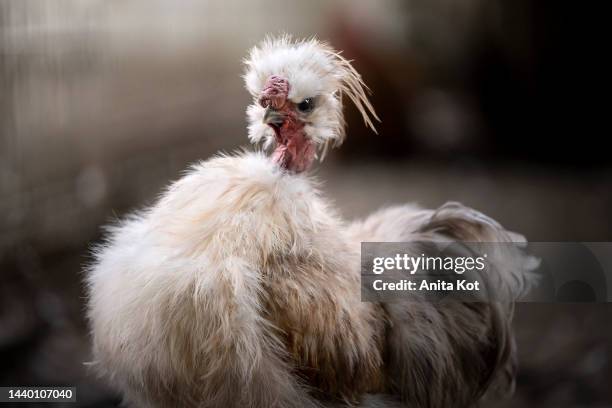
The crest is more than just a visual quirk; it fundamentally changes how these chickens experience the world. The feathers grow directly from a bony bump on the skull, often covering the eyes completely. This physical trait means Polish chickens cannot see predators or feeders as well as other breeds. They rely heavily on their flock mates to know when to eat or when danger is near. Without this social buffer, a Polish chicken is vulnerable.
Despite their visual limitations, Polish chickens are generally calm and non-aggressive. They are not known for being hardy layers, producing only about 150 small white eggs per year. However, their gentle nature makes them excellent for families or hobbyists who prioritize companionship over high egg production. They are birds that demand attention and careful management, rewarding owners with their unique beauty and sweet personalities.
Set up their coop and run
Polish chickens are delicate birds that require a coop tailored to their unique anatomy. Their large, fluffy crests can obstruct vision and trap moisture, making them prone to predator attacks and health issues. A standard coop setup often fails to address these specific needs, so you must modify the interior to keep them safe and dry.
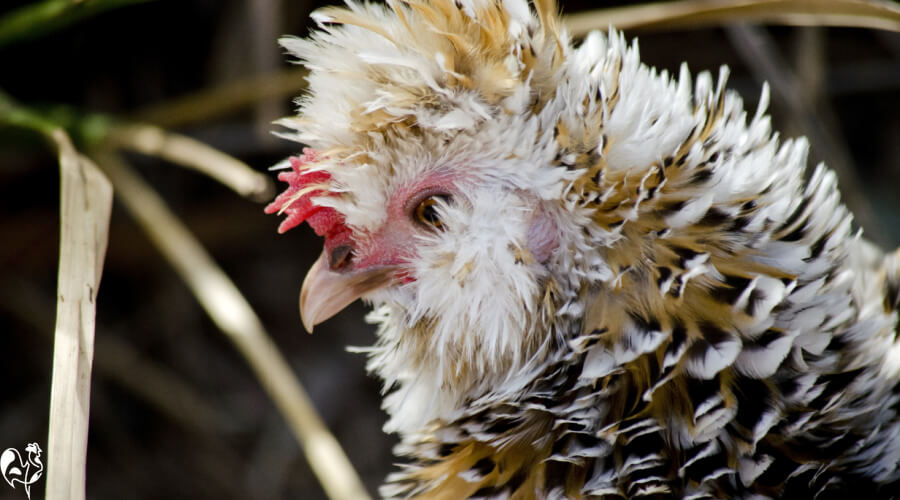
Their crest is their most vulnerable feature. Standard roosts are too high, causing them to jump down from dangerous heights that can damage their eyes or spine. Install roosting bars no higher than 12 to 18 inches off the ground. This allows them to hop up comfortably without the risk of a high-impact landing. Avoid using wide 2x4 lumber; opt for round dowels (1.5 to 2 inches in diameter) so they can wrap their toes fully around the perch for better grip and balance.
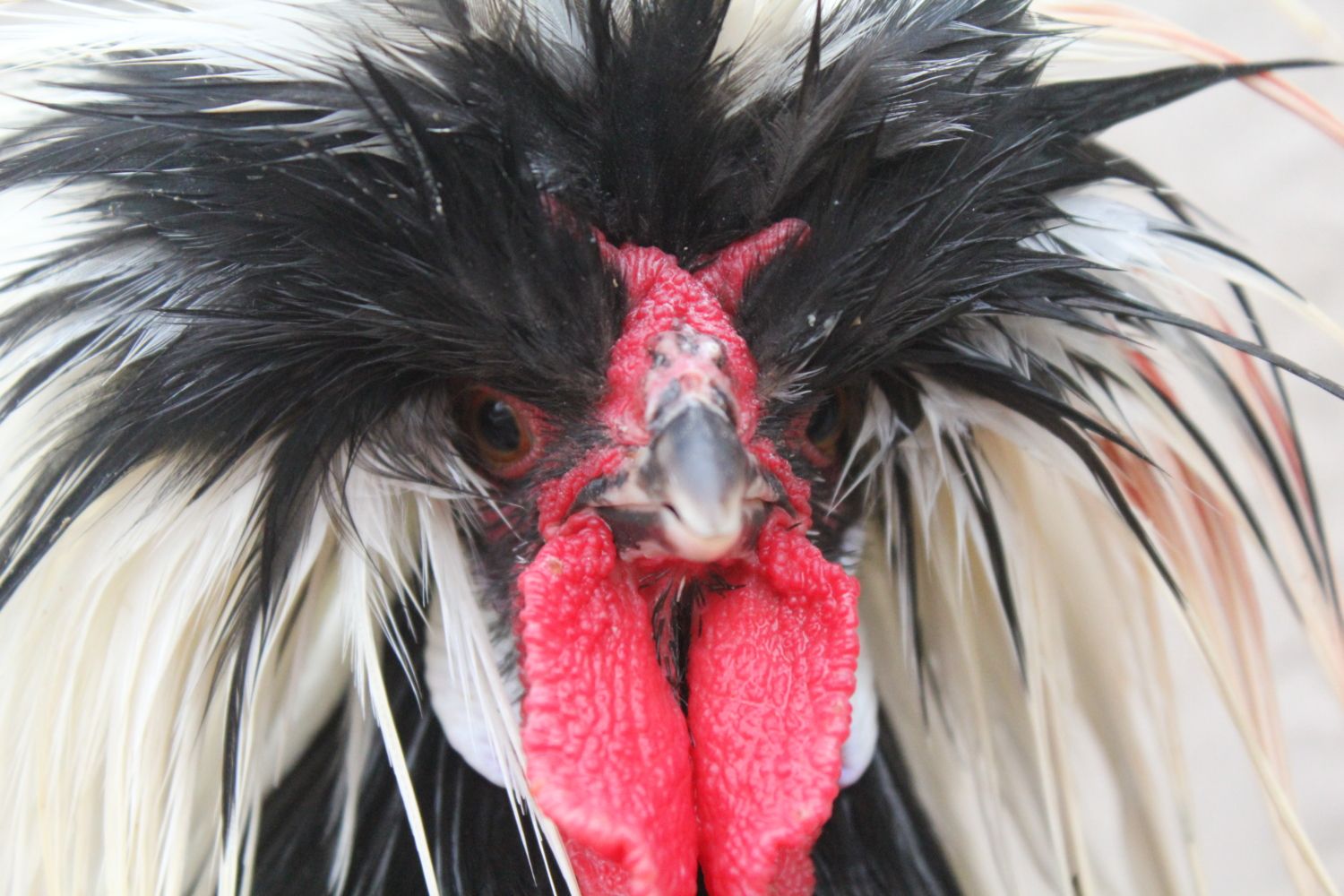
Polish chickens are slow and easily startled due to their limited field of vision. They are easy targets for hawks, foxes, and neighborhood dogs. Your run must be fully enclosed with 1/2 inch hardware cloth, not just chicken wire, which predators can tear through. Bury the fencing at least 12 inches underground or add an apron to prevent digging predators from tunneling in. Ensure the roof is also covered if you live in an area with frequent aerial predators.
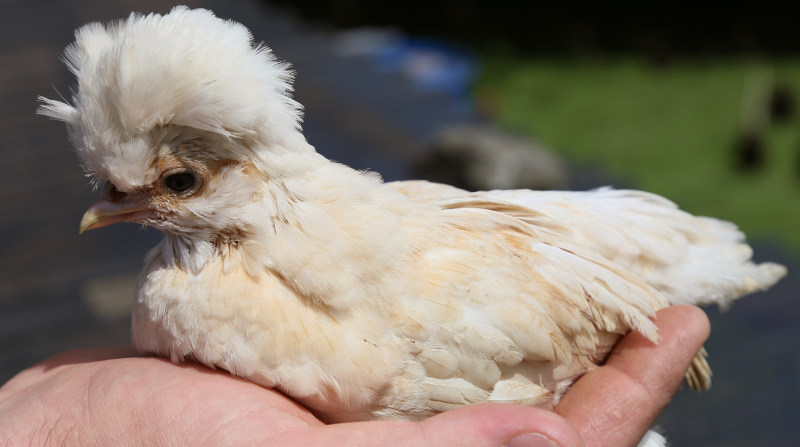
Polish chickens thrive in dry, warm climates and struggle with dampness. Moisture trapped in their feathers can lead to frostbite in winter and fungal infections in summer. Place the coop in a well-drained area away from low spots where water pools. Install high vents near the roof peak to let warm, moist air escape without creating a direct draft on the birds. Keep the bedding deep and dry, using materials like pine shavings that absorb moisture effectively. Avoid covering their heads with bedding; keep the nest boxes and roosting areas clear of loose material.
By prioritizing low perches and robust security, you create an environment where Polish chickens can thrive without the constant stress of vulnerability. Their safety depends on your ability to anticipate their physical limitations and build accordingly.
Manage their distinctive crests
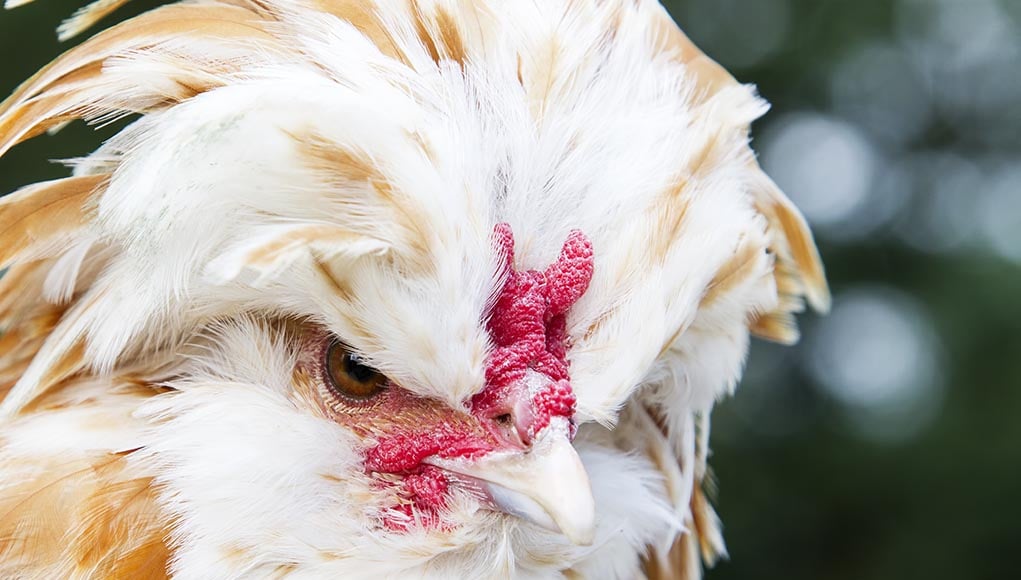
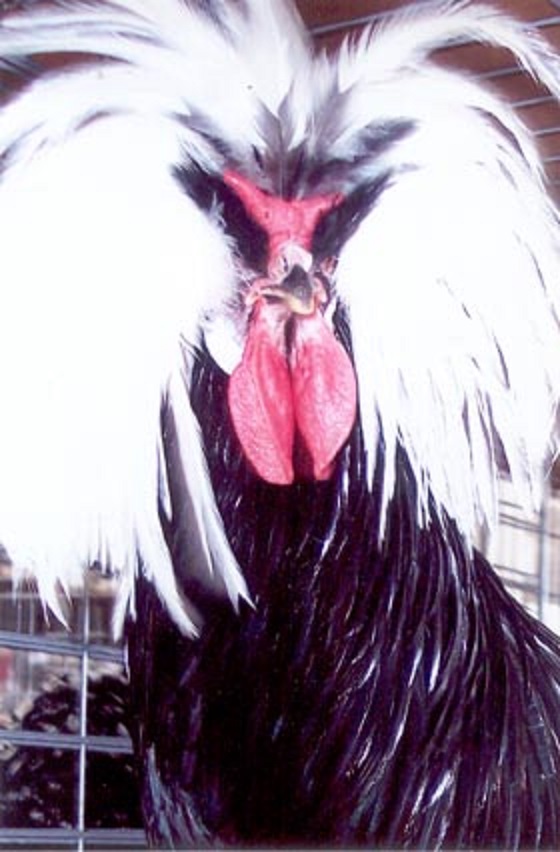
The crest is the defining feature of Polish chickens, but it is also their most vulnerable point. Without the structural support of skull bones, the large feather mass relies on the bird’s daily movements to stay clear of the eyes and free of debris. This unique anatomy creates a high-maintenance grooming requirement that separates Polish chickens from standard breeds.
Treat crest maintenance as a daily ritual rather than an occasional chore. A bird that cannot see is a bird that cannot eat, drink, or defend itself. By integrating these steps into your routine, you protect their welfare and keep the flock healthy.

Feed and monitor egg production
Polish chickens are primarily ornamental birds, so their egg-laying performance differs from high-output production breeds. Understanding their nutritional needs and realistic output helps you manage expectations and keep your flock healthy.
What to expect from Polish hens
A healthy Polish hen will lay approximately 180 to 200 white eggs per year [src-serp-3]. These eggs are typically small to medium-sized with bright, clean shells [src-serp-8]. You can expect your first eggs around 20 weeks of age, though this may vary slightly depending on individual development and seasonal factors.
While the quantity is respectable, the quality lies in the consistency and shell integrity. Polish hens are not the most prolific layers, but they are reliable during favorable seasons. Their egg production may slow or stop entirely during winter or periods of significant environmental stress.
Nutritional needs for optimal laying
To support steady egg production, provide a balanced layer feed containing 16-18% protein. This diet ensures adequate calcium and phosphorus for strong eggshells. Free-choice oyster shell should always be available so hens can self-regulate their calcium intake.
While layer feed forms the foundation, occasional treats like scratch grains or vegetables can supplement their diet. However, limit treats to no more than 10% of their daily intake to prevent nutritional imbalances. Fresh water must always be available, as dehydration immediately impacts egg production.
Monitoring production health
Track egg production weekly to identify any sudden drops. A gradual decline in winter is normal, but a sharp drop in spring or summer may indicate health issues, stress, or predator anxiety. Polish chickens are sensitive to heat and may reduce laying during extreme temperatures.
Regularly inspect the flock for signs of illness or injury. Since Polish hens have large crests that can obstruct their vision, they are more prone to injury and may miss food or water sources. Ensure feeders and waterers are positioned where their vision is not blocked by their head feathers.
Integrate Polish chickens into your flock
Polish chickens are docile and gentle, making them generally peaceful companions for other breeds. Their calm temperament means they rarely initiate conflict, which is a significant advantage when introducing new birds to an established flock. However, their most distinctive feature—their large, ornate crests—creates a serious vulnerability. The feathers around their eyes severely restrict their peripheral vision, turning them into easy targets for bullying by more assertive or aggressive breeds.
When integrating your Polish chickens, treat their poor eyesight as a structural weakness that requires environmental mitigation. They cannot see a bully approaching from the side or above, so they rely entirely on other flock members to detect threats. This makes the social hierarchy of your coop critical. Avoid mixing them with high-energy, dominant breeds like Rhode Island Reds or Leghorns, which will readily exploit the Polish birds' inability to see strikes coming.
To ensure a smooth integration, follow a gradual introduction process. Start by housing the Polish chickens in a separate pen within or adjacent to the main coop for about two weeks. This allows the flocks to see and hear each other without physical contact, reducing the shock of the initial meeting. After the adjustment period, allow supervised free-range time together in a large, open area where the Polish birds can escape and hide if necessary.
Once they are fully integrated, provide multiple low roosting spots and ground-level feeders. Because they cannot see overhead threats or compete for high perches effectively, they need accessible resources that don't require fighting. Monitor them closely during the first few weeks to ensure no one is being pecked or excluded from food. Their docile nature means they will not fight back, so your intervention is the only thing standing between them and injury.
Common care mistakes to avoid
Polish chickens are stunning, but their distinctive crests require specific maintenance that standard breeds do not. Neglecting these details leads to preventable health issues. The following pitfalls are the most common reasons Polish birds struggle in backyard flocks.
Ignoring crest hygiene
A large, fluffy crest creates a warm, dark environment perfect for parasites. Lice and mites often hide deep within the feathers near the skin. If you do not check under the crest regularly, an infestation can spread to the rest of the flock.
Pick up your bird and gently part the feathers around the eyes and neck. Look for moving mites or tiny white eggs (nits). If you find them, treat the bird immediately with an appropriate poultry dust or spray. Regular cleaning keeps the crest healthy and the bird comfortable.
Overlooking vision impairment
The crest grows forward, often completely covering the eyes. This blocks the bird’s vision, making it difficult to see predators, food, or roosting spots. A blind or half-blind chicken is vulnerable to injury and stress.
Trim the feathers directly above the eyes every few weeks to restore visibility. This simple grooming step significantly reduces stress and improves their ability to forage and roost safely.
Polish chicken care checklist
Polish chickens require a specific routine to keep their large crests healthy and their temperament calm. Their unique head feathers trap moisture and debris, making daily observation essential to prevent mites and infections.
Check each bird’s crest for lice or mites every morning. Gently part the feathers to inspect the skin underneath. If you see debris, use a poultry-safe dust or spray specifically designed for crested breeds. Keep the coop clean and dry to reduce the risk of bacterial growth under the feathers.
Weekly, trim any feathers that obscure the bird’s vision. Polish chickens are docile, but poor eyesight can make them vulnerable to bullying from more assertive flock members. Ensure they have a clear line of sight to food and water sources.
No comments yet. Be the first to share your thoughts!