
The Rise of the Smart Coop: What’s Changing in 2026?
Backyard chicken keeping is booming, and with that comes a growing demand for tools that make it easier and more secure. We're seeing a definite shift from simple coops to 'smart coops' – systems that use technology, and increasingly, artificial intelligence, to monitor and manage flocks. This isn't just about convenience; it's about ensuring the health and safety of your birds, and frankly, giving owners peace of mind.
For years, automatic coop doors were the extent of 'smart' technology available. Those are still useful, of course, but the market in 2026 is different. We now have systems that monitor temperature, humidity, and even chicken behavior, alerting you to potential problems before they escalate. The integration of AI is what’s really driving this evolution, moving beyond simple automation to proactive flock management.
I think a lot of this is driven by genuine concern. People are worried about predators – foxes, raccoons, hawks – and the potential for disease. They want to know their chickens are safe, even when they can’t be physically present. These systems offer a layer of security and oversight that wasn’t previously available. It’s a natural progression, really, given how much other aspects of our lives have become connected.
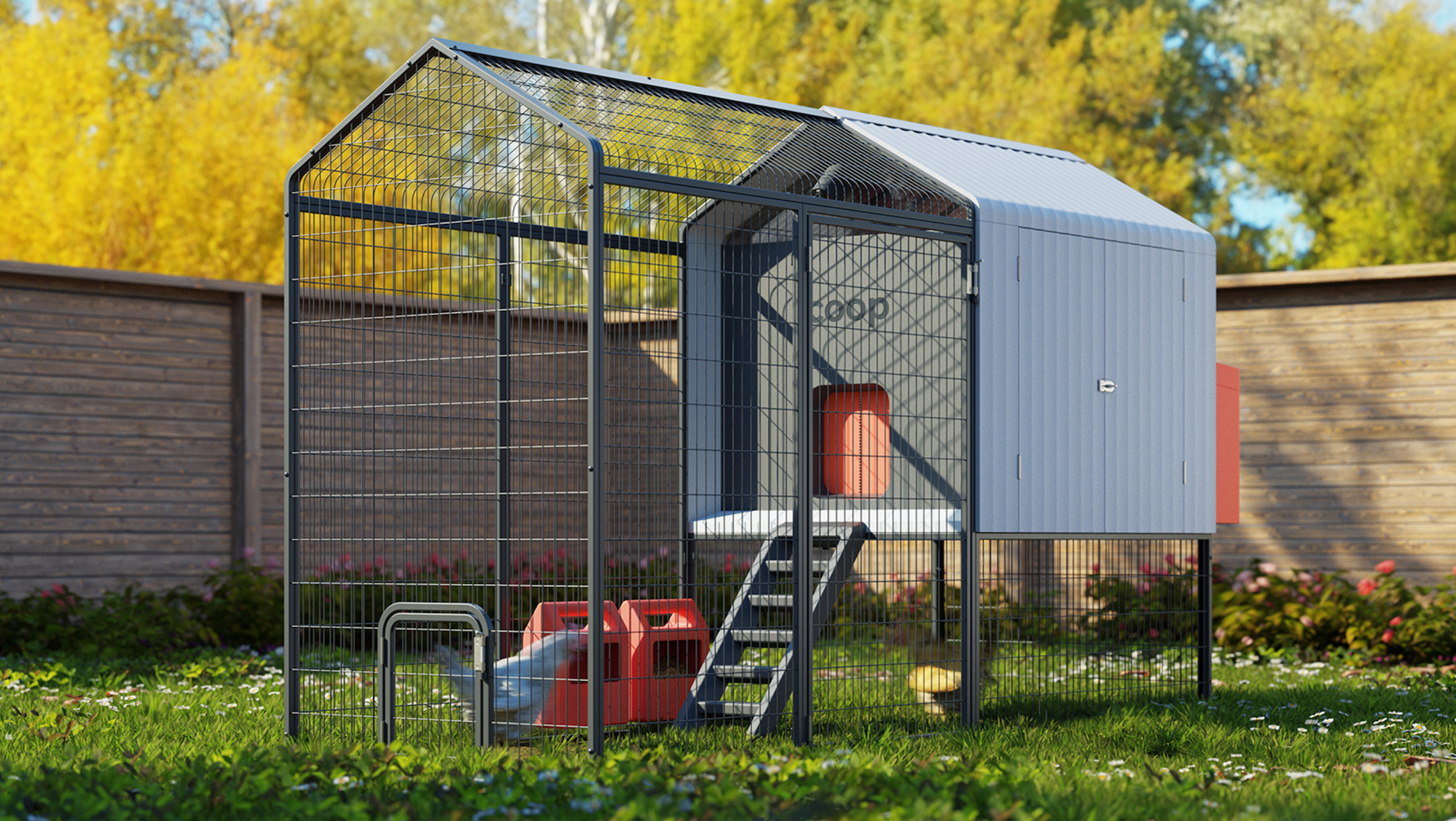
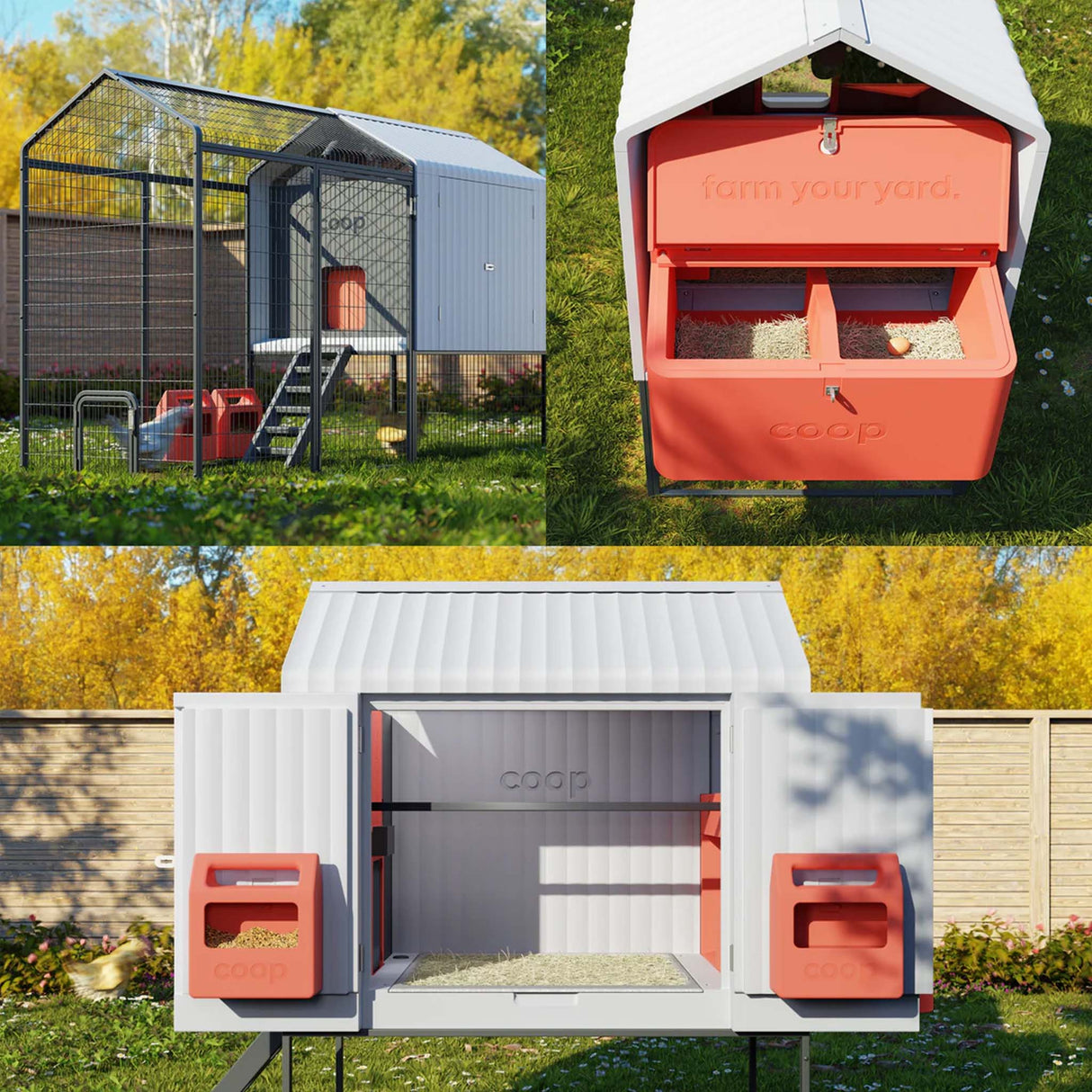
The cost of these systems used to be prohibitive for many, but prices are becoming more competitive. Smart.coop.farm, for example, offers a base model designed for smaller flocks and suburban yards, making the technology accessible to a wider audience. It’s a sign that the smart coop market is maturing and becoming more mainstream.
The largest poultry factory in Europe čornobayiv lost almost four million chickens, because the Russians took out a local power plant which turned off the automated chicken feeding system.
— Egg-Truth (@Egg_Truth) April 11, 2022
via @dodomy.ua (IG)#eggtruth #eggs #ukraine pic.twitter.com/uooCjE7qJa
What Can AI Actually *Do* for Your Chickens?
The core functionality of a smart coop revolves around data collection and automated response. Automatic door control is still a major feature, but it's becoming more sophisticated. Systems can now adjust door opening and closing times based on sunrise/sunset, light levels, or even detected predator activity. This is a big step up from simple timer-based systems.
Temperature and humidity monitoring are necessary. Chickens are sensitive to extreme temperatures, and maintaining optimal conditions is key to their health and egg production. Smart coops continuously monitor these factors and can send alerts if levels fall outside the desired range. Remote camera access allows you to visually check on your flock at any time, providing an extra layer of security and reassurance.
Automated feeding and watering systems are becoming increasingly common, reducing the daily workload for chicken keepers. Some systems even offer egg collection assistance, though this is still a relatively new feature. The most exciting developments are in the realm of health monitoring. While truly accurate disease diagnosis is still a ways off, AI can analyze chicken behavior – activity levels, vocalizations, social interactions – to identify potential signs of illness.
These systems have limits. They aren’t a substitute for good husbandry practices. They're tools to assist you in caring for your flock, not replace you. I'm skeptical about claims of perfectly accurate illness detection, but identifying behavioral changes early on can be incredibly valuable. For example, a sudden decrease in activity or a change in vocalizations could indicate a problem.
- Automatic Door Control: Time, light, or predator-based.
- Temperature & Humidity Monitoring: Alerts for out-of-range levels.
- Remote Camera Access: Visual monitoring of the flock.
- Automated Feeding & Watering: Reduced daily workload.
- Health Monitoring: Behavioral analysis for illness detection.
Decoding Coop Data: What the Sensors Are Telling You
A smart coop generates a lot of data, and understanding what it means is crucial. Temperature fluctuations, for instance, can indicate ventilation issues or a failing heating system. Humidity levels that are too high can contribute to respiratory problems, while levels that are too low can dry out a chicken’s skin. You need to know what constitutes a 'normal' range for your specific climate and breed.
Behavioral patterns are more complex to interpret. A sudden decrease in activity could be a sign of illness, but it could also be due to a change in weather or a temporary disruption. Increased vocalizations might indicate stress or the presence of a predator. The key is to look for trends and deviations from the norm. Most systems present this data through a mobile app or web interface.
Many systems offer customizable alerts, allowing you to set thresholds for specific metrics. For example, you could set an alert to notify you if the temperature drops below 40 degrees Fahrenheit or if humidity exceeds 80 percent. This allows you to proactively address potential problems before they become serious.
I suspect a lot of users will need help interpreting this data. The developers of these systems need to focus on user-friendly interfaces and clear explanations of what the data means. Providing contextual information – such as historical trends and comparisons to typical values – would be incredibly helpful. Without that, it’s just a stream of numbers.
Predator Protection: AI as a Watchful Eye
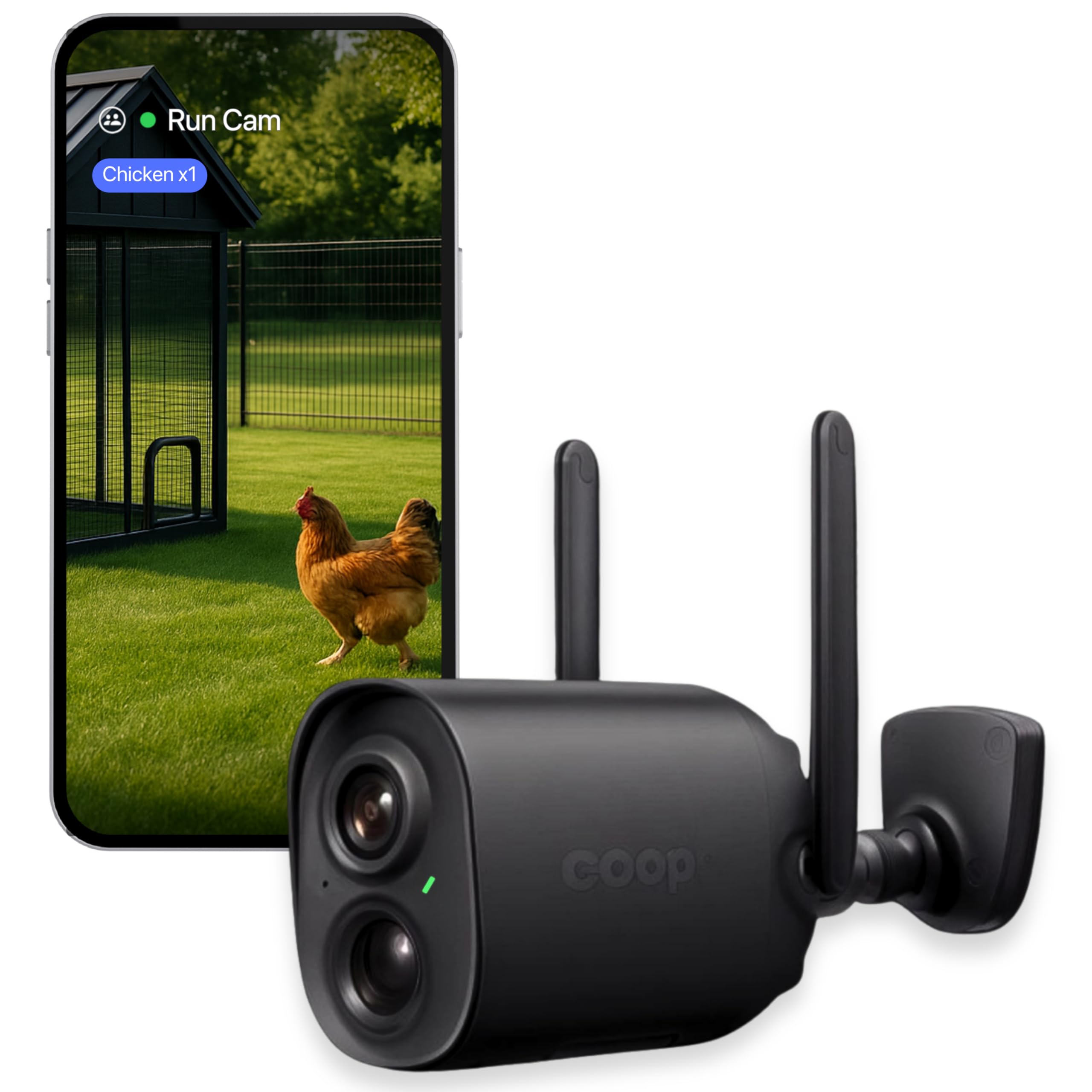
Predator protection is a major selling point for smart coops. Motion sensors, combined with cameras, can detect the presence of potential threats. Automated door controls can then be triggered to close the coop, protecting your flock. Some systems even send alerts to your phone, allowing you to take immediate action.
However, it’s important to understand the limitations of these systems. Motion sensors can be triggered by false alarms – wind, falling leaves, or even small animals. Cameras require adequate lighting to function effectively. And, of course, any system that relies on electronics is potentially vulnerable to hacking. Smart.coop.farm’s antimicrobial designs are a nice addition, but won't help against a determined predator.
These systems should be seen as a supplement to, not a replacement for, physical security measures. A sturdy coop with strong walls and a secure run is still essential. Burying hardware cloth around the perimeter of the run can prevent predators from digging underneath. Regularly inspecting the coop for vulnerabilities is also crucial.
The effectiveness of AI in predator detection is constantly improving. As algorithms become more sophisticated, they will be better able to distinguish between genuine threats and false alarms. But for now, a healthy dose of skepticism and a layered approach to security are essential.
The Leading Smart Coop Systems of 2026: A Comparative Look
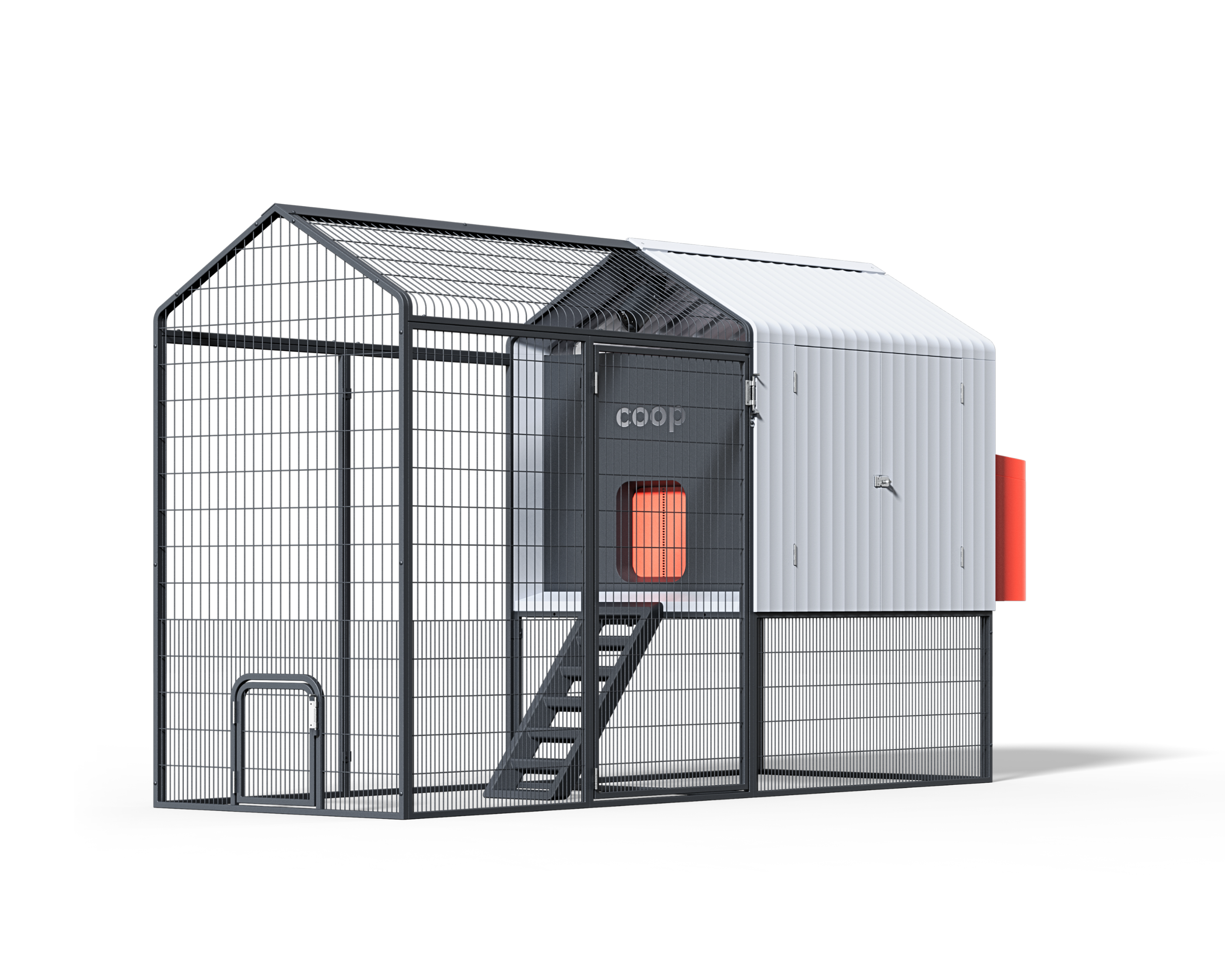
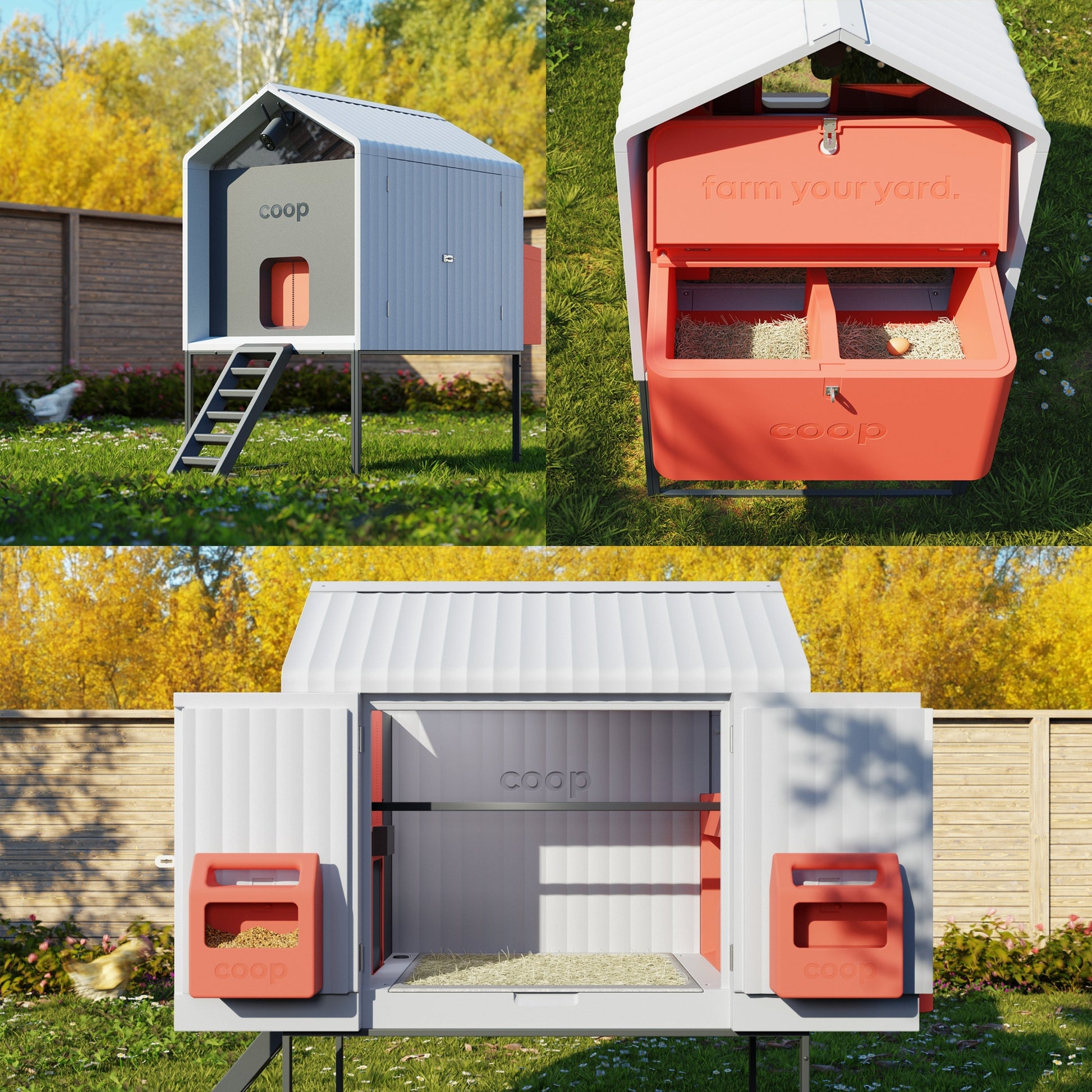
The smart coop market is still relatively young, but several players are emerging as leaders. Smart Coop, as the name suggests, is a dedicated manufacturer focused solely on smart coop technology. They offer a range of models, from basic systems to fully-featured AI-powered solutions. MyPetChicken.com carries the Smart Coop + Base model and provides detailed specifications.
Petsfit is another popular brand, offering a weatherproof chicken coop with nesting boxes and integrated smart features. According to YouTube reviews from 2026 buying guides, Petsfit focuses on durability and ease of assembly. However, their AI capabilities are generally less advanced than those offered by Smart Coop.
Other notable contenders include CoopControl and ChickSmart. CoopControl specializes in retrofitting existing coops with smart technology, while ChickSmart offers a comprehensive system that includes automated feeding, watering, and egg collection. Pricing varies significantly depending on the features and capacity of the system.
Choosing the right system depends on your specific needs and budget. If you want the most advanced AI features, Smart Coop is a strong contender. If you want an affordable option, Petsfit or CoopControl are better choices for smaller budgets.oice. It’s important to read user reviews and compare specifications carefully before making a decision. I recommend checking app.coop.farm for assembly manuals and support documentation as well.
- Smart Coop: Advanced AI features, range of models.
- Petsfit: Durable, easy assembly, less advanced AI.
- CoopControl: Retrofitting existing coops.
- ChickSmart: Comprehensive system with automation.
AI-Powered Chicken Coop Monitoring System Comparison - 2026
| System | Features | Ease of Use | Customer Support | Overall Rating |
|---|---|---|---|---|
| Smart Coop | Automated door control, comprehensive environmental monitoring, integrated feeding options, advanced security features. | Generally user-friendly app, setup can be more involved. | Responsive, with detailed online resources. | Very Positive |
| Petsfit | Basic door control, temperature and humidity monitoring, limited feeding automation. | Easier initial setup, app interface is simpler. | Support is available, but response times can vary. | Positive |
| CoopControl | Focus on door automation and predator detection, basic temperature alerts. | Straightforward installation, geared towards essential functions. | Community forum based support, limited direct assistance. | Neutral |
| FarmBot Coop | Advanced data analytics, customizable alerts, remote camera access, integration with other farm management systems. | Steeper learning curve, requires some technical knowledge. | Dedicated support team, but geared towards larger operations. | Positive |
| PoultryPal | Door control, light control, temperature monitoring, basic activity tracking. | Simple interface, designed for ease of use. | Limited support options, primarily FAQ and email. | Generally Positive |
| RoostSmart | Temperature and humidity monitoring, egg count tracking, basic alerts. | Very easy to set up and use, minimal configuration. | Basic customer support, limited troubleshooting assistance. | Neutral |
Qualitative comparison based on the article research brief. Confirm current product details in the official docs before making implementation choices.
DIY vs. Pre-Built: Can You Smarten Your Existing Coop?
You don’t necessarily need to buy a brand new smart coop to enjoy the benefits of automation. It’s possible to retrofit an existing coop with smart technology, using components like Raspberry Pi-based controllers, sensors, and cameras. This approach requires some technical expertise, but it can be a more affordable and customizable option.
Numerous online resources and tutorials are available to guide you through the process. You can find pre-built kits that include all the necessary components, or you can source the parts individually. Common projects include automating the coop door, adding temperature and humidity sensors, and installing a remote camera.
The pros of a DIY approach include cost savings, customization options, and the satisfaction of building something yourself. The cons include the time and effort required, the potential for technical difficulties, and the lack of warranty support. You’re responsible for troubleshooting any problems that arise.
Compared to buying a pre-built system, a DIY approach offers more flexibility but demands more technical skill. If you’re comfortable with electronics and programming, it can be a rewarding experience. But if you’re not, a pre-built system is likely the better choice. Reddit threads often discuss these projects, providing a good source of real-world experiences.
The Future of AI and Chickens: What’s on the Horizon?
The integration of AI into chicken keeping is still in its early stages, and the future holds exciting possibilities. We can expect to see more sophisticated health monitoring systems that can detect diseases earlier and more accurately. Imagine a system that can analyze a chicken’s droppings to identify potential health problems.
Personalized feeding plans, tailored to the individual needs of each chicken, are also on the horizon. AI could analyze a chicken’s weight, age, and egg production to determine the optimal diet. Automated disease detection is a more ambitious goal, but advances in machine learning could make it a reality.
I’m not sure about fully automated disease diagnosis, but I can see AI helping to identify potential problems earlier, allowing for quicker intervention. We might also see more integration with other smart home devices, allowing you to control your coop from the same app you use to manage your lights, thermostat, and security system.
The development of more robust and reliable sensors will be crucial. And, of course, addressing concerns about data privacy and security will be paramount. As these systems become more sophisticated, it’s important to ensure that your data is protected and that the technology is used responsibly.
Tyson Foods Inc Price Prediction 2026
Bull / Base / Bear scenario analysis
| Timeframe | Bull Case | Base Case | Bear Case | Key Driver |
|---|---|---|---|---|
| 1 Month | $66 | $62 | $57 | Q1 earnings results and protein demand trends |
| 3 Months | $72 | $65 | $54 | Feed cost stabilization and margin recovery |
| 6 Months | $78 | $68 | $52 | Agricultural technology investments and operational efficiency gains |
| 1 Year | $85 | $72 | $48 | Smart agriculture adoption and sustainable protein market expansion |
Price Prediction Summary
Tyson Foods shows moderate upside potential driven by operational improvements and technology integration in agriculture. The company's position in the protein market provides stability, though margin pressures from feed costs and labor remain key risks.
Key Factors Affecting Tyson Foods Inc Stock Price
- Feed cost inflation and commodity price volatility
- Adoption of smart farming and IoT technologies in poultry operations
- Consumer demand for sustainable and traceable protein sources
- Labor market conditions and automation investments
Disclaimer: Predictions are speculative and not financial advice. Stock price predictions are based on current market analysis and may vary significantly due to market volatility, economic conditions, and other unpredictable factors. Always do your own research before making investment decisions.
No comments yet. Be the first to share your thoughts!