

The automated coop in 2026
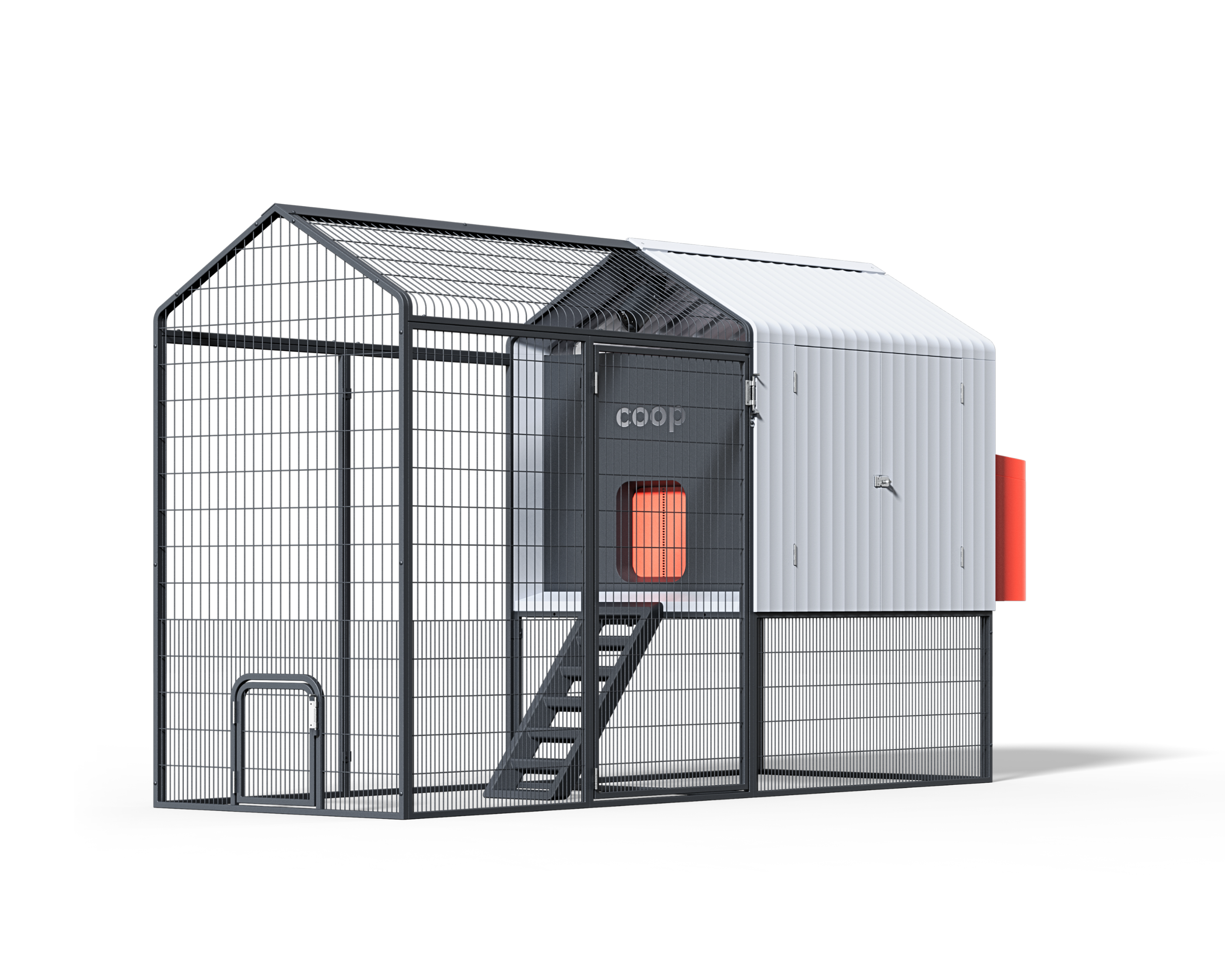
Backyard chicken keeping has seen a remarkable surge in popularity, and with that comes a growing demand for tools to make it easier and more efficient. In 2026, we’re starting to see that demand answered with the emergence of AI-powered chicken coops. These aren’t just traditional coops with a few gadgets slapped on; they’re fundamentally rethinking how we interact with and care for our flocks.
The core idea is simple: leverage artificial intelligence to automate tasks, improve security, and provide deeper insights into chicken health and behavior. For years, chicken keepers have dealt with the same challenges – protecting against predators, collecting eggs, monitoring for illness – and AI offers potential solutions to each of these. It's not about replacing the human element entirely, but augmenting it with technology.
I don't think these systems are for everyone. They are expensive and require you to be comfortable with tech. If you have the budget, you're trading manual labor for data. It changes the hobby from physical chores to managing a small, feathered power plant.

Stopping predators with object recognition
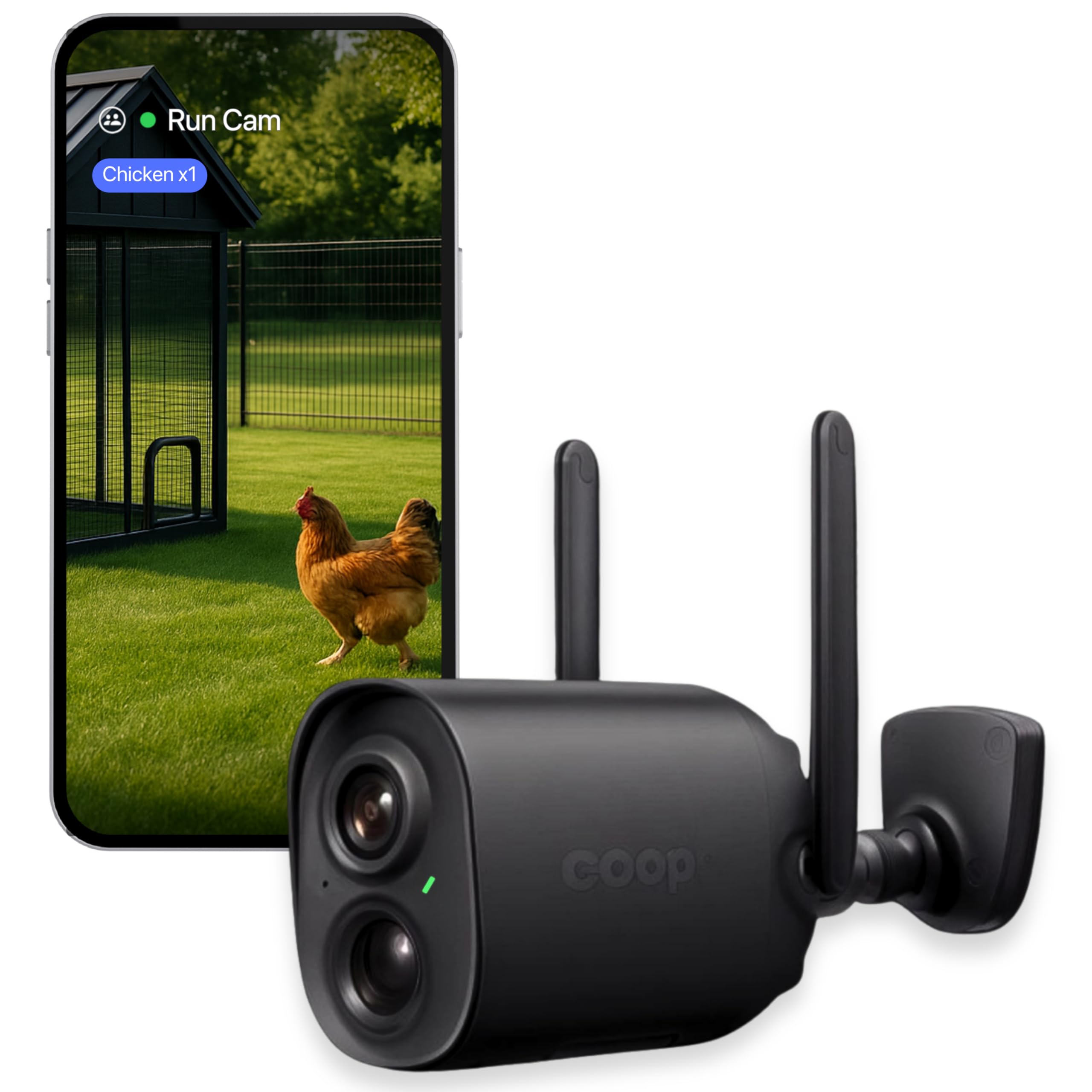
Predator protection is often the biggest concern for anyone raising chickens. Traditional methods – secure fencing, sturdy coops – are essential, but AI takes security to a new level. The key is the integration of cameras with sophisticated object recognition software. These systems can differentiate between chickens, potential predators like hawks, foxes, and raccoons, and even harmless visitors like the mail carrier.
When a predator is detected, the system can trigger automated responses. This most commonly involves closing and locking the coop door, providing an immediate barrier against attack. Some systems, like those offered by smart.coop.farm, allow for remote control and monitoring through a smartphone app, giving you peace of mind even when you're away. The potential for AI to learn predator patterns in a specific area is particularly exciting; the system could anticipate likely attack times and proactively secure the coop.
Of course, this technology isn’t foolproof. False positives – mistaking a shadow for a predator, for example – can be frustrating. Power outages and unreliable internet connectivity are also significant limitations. A system is only as good as its power source and connection. It’s important to have backup systems in place, like battery power and cellular data, to ensure continuous protection. A reliance on constant connectivity is a real drawback for rural areas.
- Position cameras to cover the coop's blind spots and entry points.
- Train the software to recognize your specific birds versus local predators like foxes.
- Set up automated door control: Ensure the door closes reliably when a threat is detected.
- Test the system: Regularly verify that the system is functioning correctly.
Egg Collection & Data Insights
Automated egg collection is still a developing area, but we’re seeing promising advancements. Some higher-end coops, like those from smart.coop.farm, incorporate robotic arms or conveyor belt systems designed to collect eggs as they’re laid. However, these systems are complex and can be prone to malfunctions, so they aren’t yet widespread.
The more immediate benefit of AI in this area is data collection. Smart coops can track egg count, laying frequency per hen, egg size, and even correlate these factors with feed consumption and environmental conditions. This data provides valuable insights into the health and productivity of your flock. For example, a sudden drop in egg production could indicate a health issue or a need to adjust the hens’ diet.
This is where the 'expert' part of Expert Chicken comes into play. Analyzing this data allows you to make informed decisions about flock management. Are certain hens consistently laying larger eggs? Are there seasonal variations in egg production? Understanding these patterns can help you optimize your flock’s performance. Currently, much of this data analysis requires manual input and interpretation, but AI algorithms are being developed to automate this process.
Choosing an Egg Collection System
| System Type | Cost | Complexity | Reliability | Time Savings | Chicken Breed Compatibility |
|---|---|---|---|---|---|
| Manual | Low | Low | High | Low | High |
| Semi-Automated (e.g., conveyor belt) | Medium | Medium | Medium | Medium | Medium |
| Fully Automated (robotic arm) | High | High | Medium | High | Medium |
Illustrative comparison based on the article research brief. Verify current pricing, limits, and product details in the official docs before relying on it.
Health Monitoring: Beyond Visual Checks
Traditionally, monitoring chicken health relies on visual checks – observing their behavior, looking for signs of illness like ruffled feathers or lethargy. AI offers the potential to automate and enhance this process. Cameras equipped with computer vision can be trained to detect subtle changes in chicken behavior that might indicate illness. This could include a decrease in activity levels, changes in gait, or unusual posture.
Beyond visual cues, sensors can be integrated into the coop to measure temperature, humidity, and air quality. These factors can significantly impact chicken health, and maintaining optimal conditions is crucial. AI can analyze this sensor data to identify potential problems, such as excessive ammonia levels or temperature fluctuations. While fully diagnosing illnesses remains a challenge, early detection of anomalies is a realistic and valuable application.
I sometimes wonder if 24/7 surveillance is overkill. Chickens don't have a concept of privacy, but we might lose the 'feel' for our birds if we only look at them through a screen. You still need to get your boots muddy and check on them in person.
Automated Feeding & Environmental Control
AI-powered coops can optimize feeding schedules and amounts based on factors like chicken age, breed, and egg production. Integrating with smart feeders allows for precise portion control, reducing feed waste and ensuring each hen receives adequate nutrition. Omlet’s Eglu coops (omlet.us) showcase this integration, offering automated feeders and drinkers as accessories.
Environmental control is another key area. AI can regulate ventilation, heating, and cooling systems to maintain optimal coop conditions, even in extreme weather. This is particularly important for protecting chickens from heat stress in the summer and frostbite in the winter. Automated systems can adjust settings based on real-time sensor data, ensuring a comfortable and healthy environment.
The benefits extend beyond simply keeping chickens comfortable. Reducing feed waste saves money and minimizes environmental impact. Maintaining optimal environmental conditions improves overall flock health and can increase egg production. It’s about creating a more sustainable and efficient system for raising chickens.
Essential Coop Sensors
- Temperature Sensors - Maintaining optimal temperature is crucial for egg production and hen health. Sensors continuously monitor coop temperature, alerting you to potentially dangerous heat or cold stress.
- Humidity Sensors - High humidity can lead to respiratory issues and frostbite, while low humidity can cause dry skin and brittle eggs. These sensors provide data to adjust ventilation and maintain ideal moisture levels.
- Light Sensors - Chickens require a consistent light cycle to regulate their laying patterns. Light sensors track ambient light levels, allowing for automated supplemental lighting during shorter winter days.
- Air Quality Sensors - Monitoring ammonia and carbon dioxide levels is vital for chicken respiratory health. Elevated levels indicate poor ventilation and the need for improved airflow.
- Motion Sensors - Strategically placed motion sensors can detect unusual activity, potentially indicating predator presence. These sensors can trigger alerts or even activate automated coop security measures.
- Dust Sensors - Chicken coops can generate a lot of dust, which can contribute to respiratory problems. Dust sensors provide data to help manage coop cleanliness and ventilation.
- Sound Sensors - Unusual sounds within the coop can signal distress, predator activity, or equipment malfunction. Sound sensors can provide an additional layer of monitoring.
Coop Connectivity & Data Privacy
Connecting these smart coops to the internet is essential for remote monitoring and control. This typically requires a reliable WiFi connection, which can be a challenge in rural areas. Cellular connectivity is a viable alternative, but it often comes with ongoing data costs. Ensuring a stable and secure connection is paramount.
Data privacy is a critical consideration. These systems collect a significant amount of data about your flock – egg production, feeding habits, health metrics – and it’s important to understand how that data is being used and who has access to it. Read the privacy policies carefully and choose systems from reputable companies that prioritize data security.
Cybersecurity risks are also a concern. A compromised smart coop could be vulnerable to hacking, potentially allowing unauthorized access to your flock or disruption of critical systems. Implement strong passwords, keep software up to date, and consider using a firewall to protect your network. Transparency about data collection and security measures is crucial.
What these systems actually cost
The initial investment in an AI-powered coop is significantly higher than a traditional setup. The coop itself can range from $500 to $2000 or more, depending on size and features. Adding sensors, automation systems, and cameras can easily push the total cost into the thousands of dollars. Ongoing expenses include internet connectivity, software subscriptions (if required), and maintenance.
Compared to a basic coop, which might cost a few hundred dollars to build, the price difference is substantial. However, it’s important to consider potential long-term savings. Reduced feed waste, fewer vet bills due to early disease detection, and increased egg production can offset some of the initial investment. It’s a trade-off between upfront cost and ongoing benefits.
This technology is not accessible to everyone, and that’s a reality we need to acknowledge. However, as the technology matures and becomes more widespread, prices are likely to come down, making it more affordable for a wider range of chicken keepers. The cost-benefit analysis will vary depending on the size of your flock and your individual priorities.


No comments yet. Be the first to share your thoughts!