

The Automated Coop: A 2026 Snapshot
Backyard chicken keeping is changing fast. We've moved past simple coops with automatic doors. By 2026, expect a significant shift towards intelligent coops, powered by AI and the Internet of Things. This isn't just about convenience; it's about improving the health, safety, and efficiency of raising chickens.
The current 'smart coop' market focuses on remote monitoring and automated tasks. Coops with app-controlled doors, temperature sensors, and basic security features are common. The next wave will integrate more sophisticated AI, offering proactive insights and automated responses to changing conditions. This is like preventative care for your flock, guided by data.
Advancements aren't just hardware-based; software plays a huge role. Algorithms are being developed to analyze chicken behavior, detect anomalies, and predict potential health problems. Predicting exact capabilities by 2026 is challenging, but the trend is clear: more automation, more data, and more intelligence.
These systems won't replace good husbandry. A smart coop isn't a substitute for regular observation and care. It's a tool that augments your existing practices, freeing up your time and providing extra security and peace of mind. It's about working with technology, not relying on it entirely.
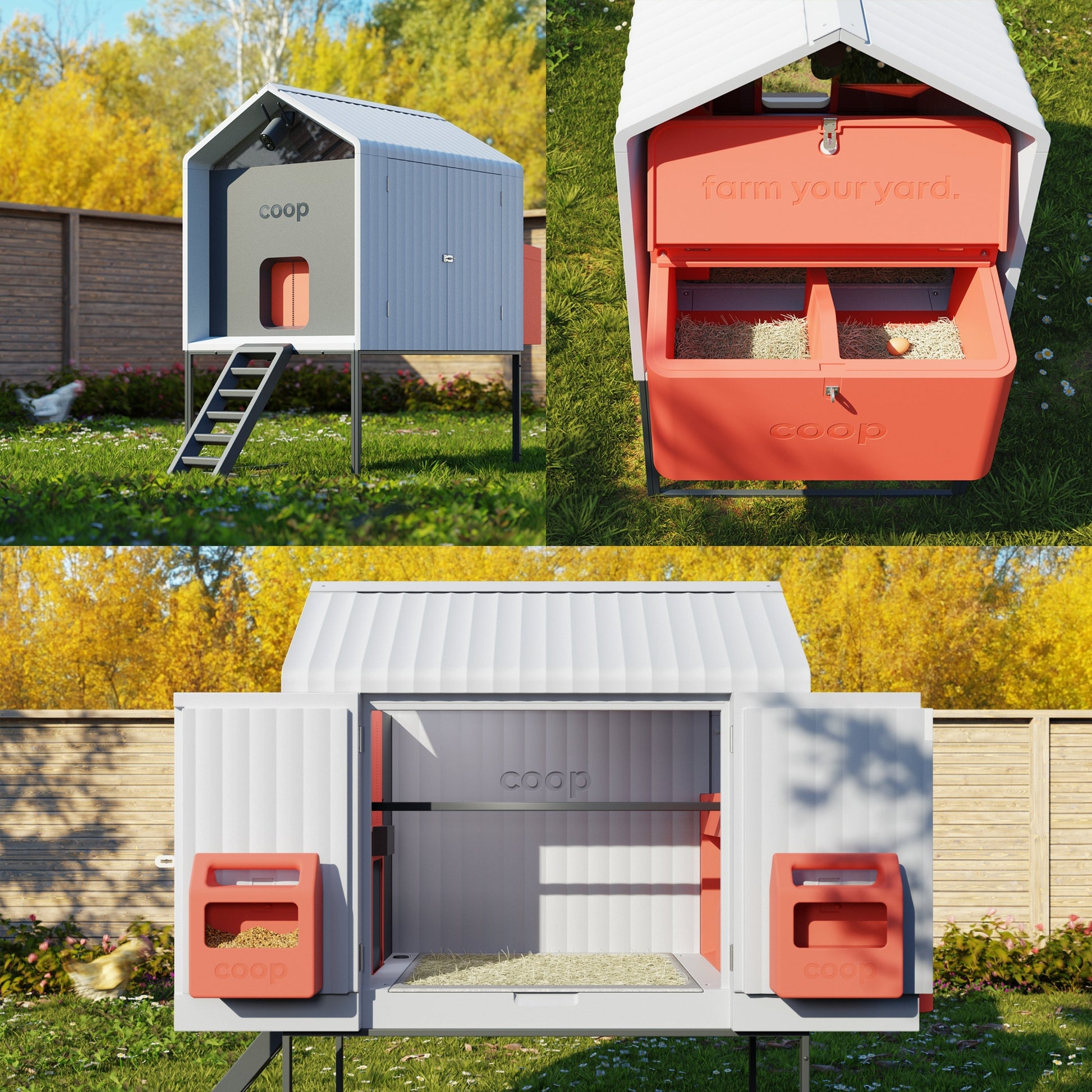
Monitoring Matters: Coop AI and Chicken Health
AI-powered coop technology shows promise in health monitoring. Sensors are becoming sophisticated, tracking metrics like activity levels, temperature, and subtle changes in vocalizations. The goal is to establish a baseline of 'normal' behavior for each chicken and flag deviations.
Early disease detection has enormous potential. A chicken feeling unwell might show subtle behavioral changes before outward symptoms appear. AI algorithms can analyze this data, identify patterns, and alert you to potential problems before they become serious. This can reduce losses from undetected illness and minimize costly veterinary interventions.
Beyond activity tracking, some systems use sound analysis. Different chicken vocalizations can indicate stress, hunger, or the presence of a predator. AI can learn to differentiate these sounds and provide insights into the flock’s well-being. It's like having a virtual chicken whisperer.
The biggest benefit of this monitoring is the ability to proactively address health concerns. Instead of reacting to sick chickens, you can take steps to prevent illness. Adjusting feed, improving ventilation, or isolating a potentially sick bird can be done more effectively with AI-powered monitoring.
- Activity Level Tracking: Monitors how much chickens move, indicating potential illness or stress.
- Temperature Monitoring: Detects changes in body temperature, a key indicator of infection.
- Vocalization Analysis: Identifies different chicken sounds associated with stress, hunger, or predators.
- Behavioral Anomaly Detection: Flags deviations from established baselines, suggesting potential health issues.
Feeding and Resource Management
Automated feeding and watering systems are available, but AI is taking them further. Instead of dispensing feed at pre-set intervals, smart coops can optimize feeding schedules based on factors like the chickens’ age, breed, weight, and weather. This can reduce feed waste and improve flock health.
Personalized feeding plans are becoming a reality. Some systems use image recognition to identify individual chickens and track their feed consumption. This ensures each bird gets the nutrients it needs and helps quickly identify those not eating properly. It's a more precise and efficient approach than traditional flock feeding.
AI can also improve waste management. Automated cleaning systems remove manure and bedding more efficiently, reducing odor and improving hygiene. This makes the coop more pleasant and reduces disease risk. I'm curious about how these systems impact long-term coop maintenance costs.
Water management is also being optimized. Smart waterers monitor water consumption and refill automatically, ensuring chickens always have access to fresh, clean water. Some systems include filtration to remove contaminants and improve water quality.
Predator Protection: Smarter Security
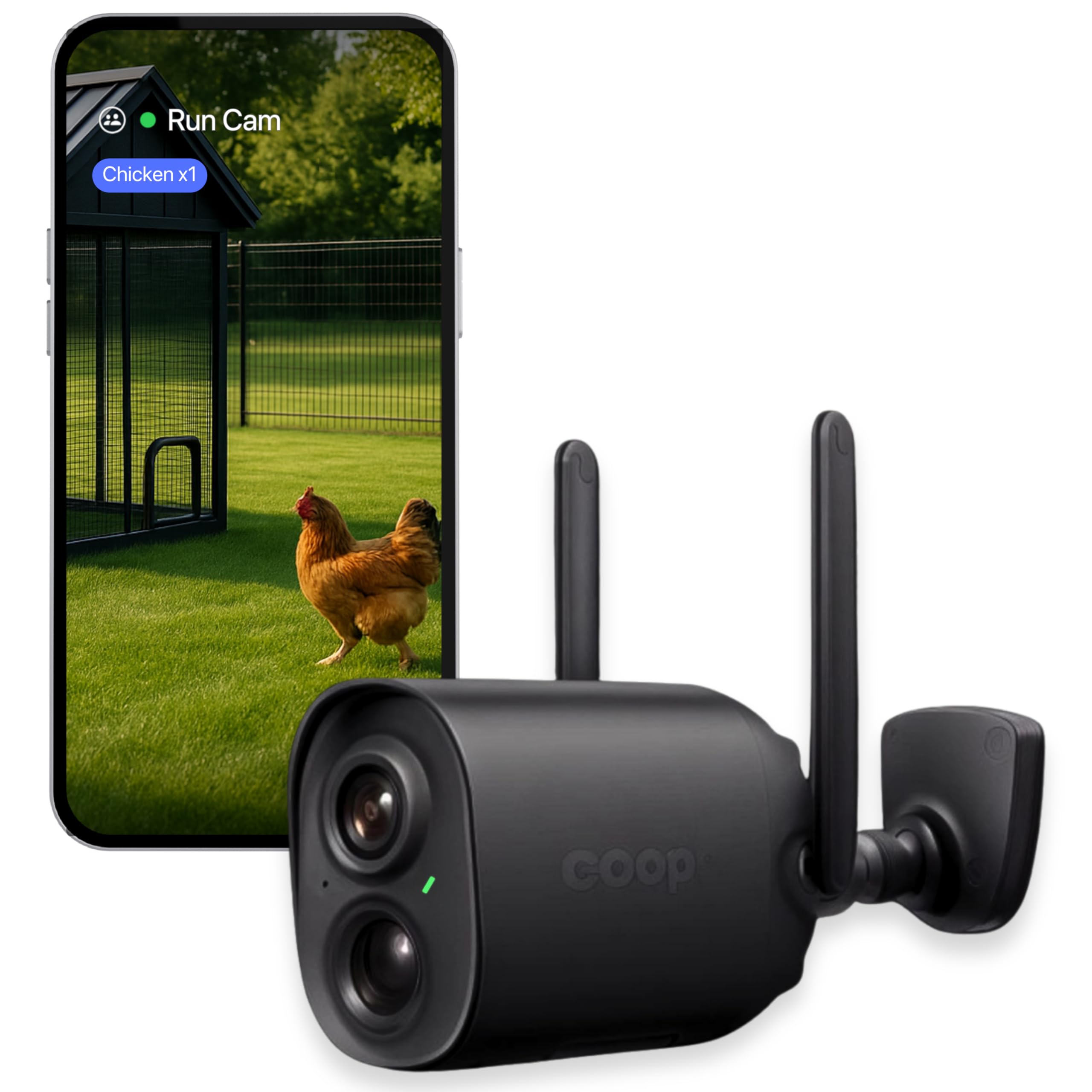
Predator protection is a major concern for chicken keepers, and AI-powered security systems offer a new level of defense. Traditional motion-activated lights and alarms can be prone to false positives. Smart coops use camera systems with object recognition to distinguish between chickens, predators, and harmless animals.
This is an improvement. A standard motion detector might trigger an alarm every time a chicken walks by, but an AI-powered system can ignore those movements and only alert you to a potential predator—a fox, a raccoon, or a dog. This reduces alarm fatigue and ensures you only respond to genuine threats.
Automated door locking and unlocking is another feature. The coop door can be programmed to automatically close at dusk and open at dawn, eliminating manual operation. This is useful if you’re away from home or have a large flock. Many systems allow remote door control via a smartphone app.
More coops should integrate with existing home security systems. Imagine viewing your coop camera feed on your home security app and receiving alerts directly to your smartphone. This integration would provide a
- Motion Detection: Detects movement around the coop.
- Object Recognition: Distinguishes between chickens, predators, and other animals.
- Automated Door Control: Automatically locks and unlocks the coop door.
- Remote Monitoring: Allows you to view the coop camera feed and control the door remotely.
Predator Detection Methods Comparison for Smart Coops
| Method | Effectiveness | Cost | False Alarm Rate | Ease of Installation |
|---|---|---|---|---|
| Motion Sensors | Medium | Low | Medium | High |
| Cameras (with AI) | High | Medium | Low | Medium |
| Ultrasonic Deterrents | Low | Low | High | High |
| Guard Animals (e.g., Livestock Guardian Dogs) | High | High | Low | Low |
| Cameras (without AI) | Medium | Medium | Medium | Medium |
| Combined Motion & Camera System | High | Medium-High | Medium | Medium |
Illustrative comparison based on the article research brief. Verify current pricing, limits, and product details in the official docs before relying on it.
Coop AI in Action: Current Models
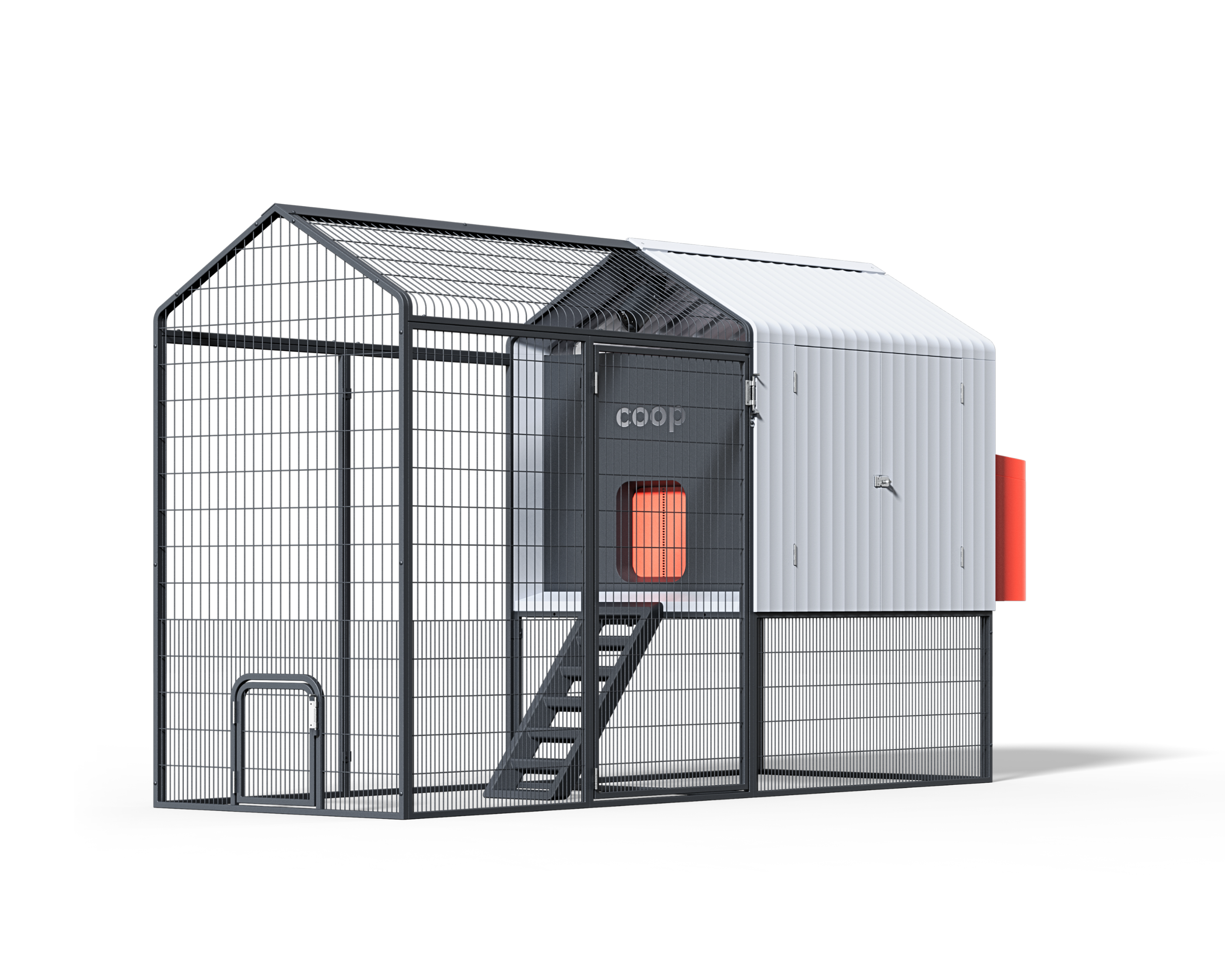
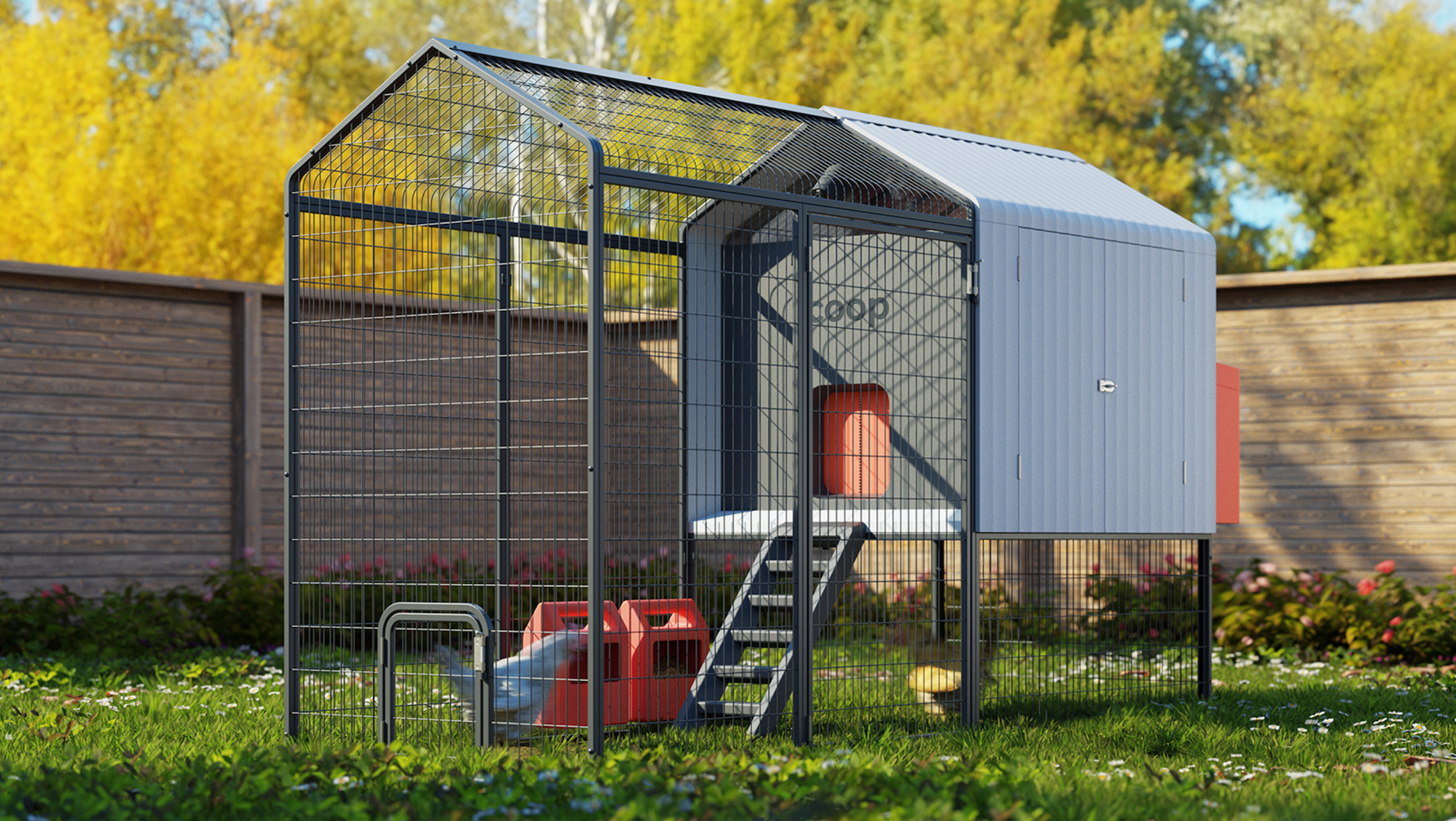
Several smart coop models are currently available, each with its own strengths and weaknesses. Smart Coop, available through smart.coop.farm, is a popular option that offers a range of features, including remote monitoring, automated door control, and temperature sensing. Users consistently praise its ease of use and reliability.
My Pet Chicken also offers the Smart Coop + Base, designed for 4-6 chickens. They focus on providing a complete system, including the coop itself, the base, and all the necessary automation components. Their website, mypetchicken.com, provides detailed information and customer reviews. It’s a good option for those who want a turnkey solution.
The Smart Coop from smart.coop.farm currently features their “Coop AI ChickenBot,” a chatbot designed to assist users with questions and troubleshooting. While it's a nice addition, it’s important to remember that it’s still a relatively new technology and may not be able to answer all your questions. It shouldn’t be considered a substitute for proper research and understanding.
It's important to be realistic about what these coops can do right now. While the technology is impressive, it’s not perfect. Some systems can be buggy, and the AI algorithms are still under development. Don’t expect a completely hands-off experience. Regular maintenance and monitoring are still required.
DIY vs. Pre-Built: Building Your Smart Coop
You have two main options when it comes to building a smart coop: building it yourself or buying a pre-built model. The DIY approach offers more flexibility and customization, but it requires more time, skill, and effort. A pre-built coop is more convenient, but it may not meet your specific needs.
Building a smart coop yourself involves integrating various sensors, microcontrollers, and software components. You’ll need to be comfortable with electronics, programming, and woodworking. Fortunately, there are a number of open-source hardware and software options available, such as Arduino and Raspberry Pi, that can simplify the process. These platforms offer a wealth of resources and support.
The cost of a DIY smart coop can vary widely depending on the components you choose and the complexity of the system. However, it’s generally less expensive than buying a pre-built model. You’ll also have the satisfaction of knowing that you built it yourself.
A pre-built coop is a good option for those who lack the time or skills to build one themselves. However, be prepared to pay a premium. The cost of a smart coop from a reputable manufacturer can range from $800 to $2000 or more. I'm a big fan of DIY for those who are inclined, but it’s not for everyone.
Data Privacy and Coop Security
Connecting a chicken coop to the internet introduces potential data privacy and security risks. Like any internet-connected device, a smart coop is vulnerable to hacking and data breaches. It’s important to take steps to mitigate these risks.
Data encryption is crucial. Ensure that all data transmitted between the coop and the cloud is encrypted, protecting it from unauthorized access. Use strong, unique passwords for your coop’s account and change them regularly. Enable two-factor authentication whenever possible.
Keep the coop’s firmware up to date. Manufacturers regularly release updates to address security vulnerabilities. Install these updates promptly to protect your coop from known threats. Be cautious about clicking on suspicious links or downloading software from untrusted sources.
It's easy to overlook these security considerations, but they are absolutely crucial. A compromised coop could not only expose your personal data but also potentially allow someone to remotely control the coop, putting your chickens at risk.
The Future of Chicken Tech
The future of AI-powered chicken coops is bright. We can expect to see even more sophisticated applications of machine learning, computer vision, and robotics. Imagine a coop that can automatically diagnose and treat common chicken illnesses, or a robotic system that cleans the coop and collects eggs.
Computer vision will play a key role in identifying individual chickens and tracking their behavior. This will enable personalized feeding plans and early disease detection. Machine learning algorithms will become more accurate at predicting potential problems and recommending preventative measures.
Fully autonomous chicken farming is a long-term goal, but it’s not out of the realm of possibility. A fully automated system could manage all aspects of chicken care, from feeding and watering to cleaning and predator protection. This would free up farmers to focus on other tasks, and potentially reduce labor costs.
I’m excited about the potential for AI to truly revolutionize chicken keeping. It’s a rapidly evolving field, and It’s more than just convenience; it’s about improving the welfare of our chickens and making chicken keeping more sustainable.
What is the one feature you would most like to see in a smart chicken coop?
As AI-powered technology continues to reshape backyard chicken raising, we want to hear from you. Which smart coop feature would make the biggest difference in your daily flock management? Vote below and let us know what matters most to your chicken-keeping routine!

No comments yet. Be the first to share your thoughts!