

Choosing the right black breed
Black chickens come in several distinct breeds, each with unique strengths. Some lay dark chocolate eggs, others grow large for meat, and a few are gentle companions for families. Your choice depends on your primary goal, available space, and local climate.
Start by identifying what you want from your flock. Are you looking for a steady supply of eggs, a source of meat, or just friendly pets? This decision will narrow your options significantly. For example, if you want eggs, focus on breeds known for high production. If you want meat, look for heavier, faster-growing birds.
Climate also plays a major role. Some black breeds handle cold winters well, while others thrive in hot, humid summers. Consider your local weather patterns when selecting a breed. A breed that struggles in your climate will require extra care and resources to keep healthy.
To help you decide, here is a comparison of popular black chicken breeds based on egg color, climate tolerance, and primary use.
| Breed | Egg Color | Climate Tolerance | Primary Use |
|---|---|---|---|
| Penedesenca | Dark Chocolate | Hot/Humid | Eggs |
| Ayam Cemani | Cream/Tan | Moderate | Pets/Show |
| Black Copper Marans | Chocolate | Cold/Hardy | Eggs |
| Plymouth Rock (Black) | Brown | All-Temperate | Eggs/Meat |
| Silkie | Cream | Cold (Fragile) | Pets/Show |
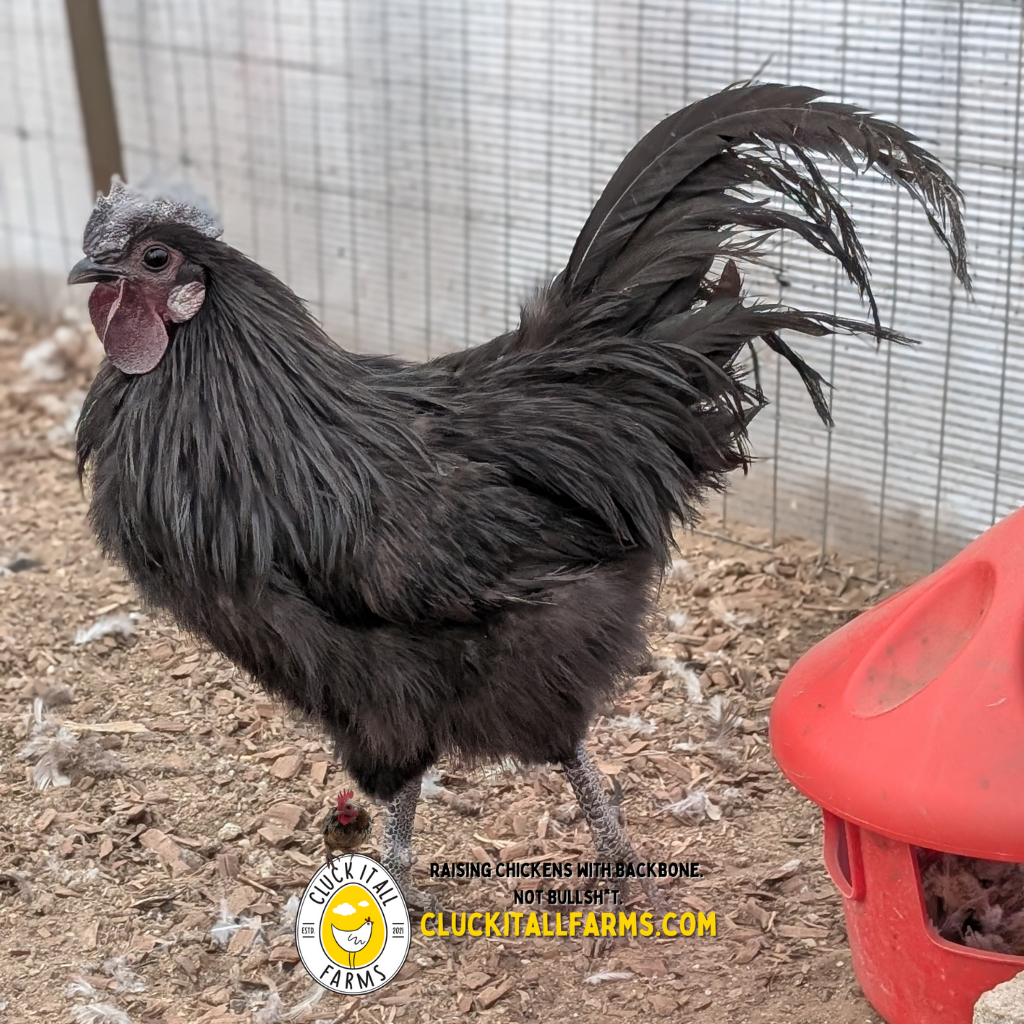
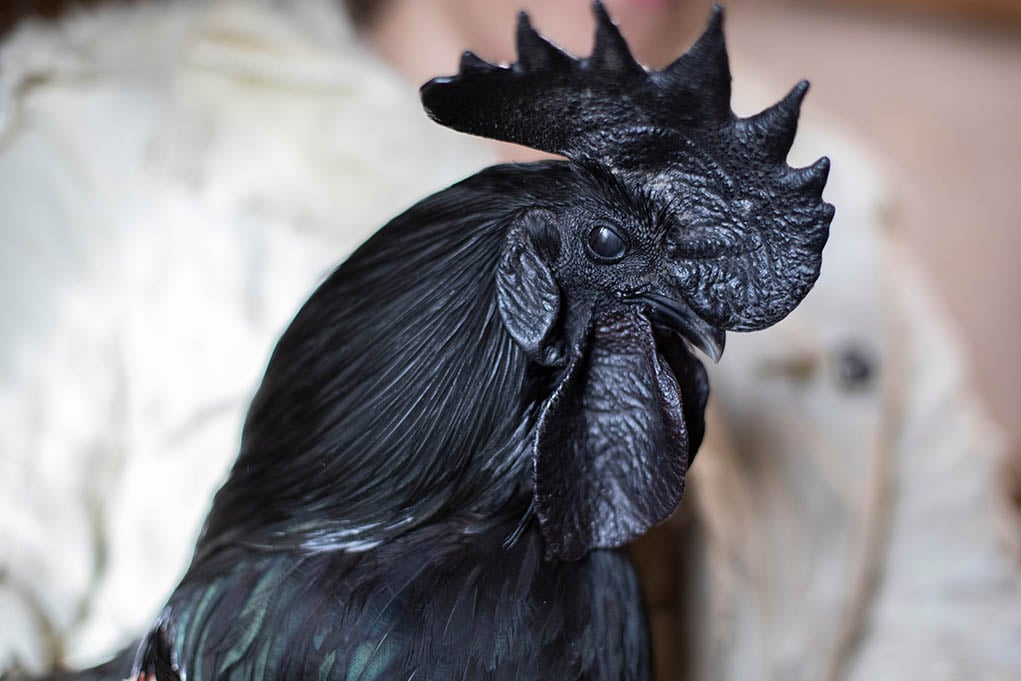
Once you have a shortlist, check local availability. Some breeds, like the Ayam Cemani, are rare and expensive. Common breeds like Black Australorps or Plymouth Rocks are easier to find from local hatcheries. Starting with readily available breeds can save you time and money, especially for beginners.
Remember that individual birds can vary. Even within a breed, some chickens may lay more or less than average. Use the table above as a guide, but be prepared to adapt your expectations based on your specific flock and conditions.
Setting up the coop and run
Building a secure environment is the first step in raising black chickens. Because their dark plumage absorbs more heat than lighter feathers, ventilation becomes even more critical to prevent overheating in warm weather. A well-designed coop protects your flock from predators and keeps waste manageable, ensuring a healthy start for your birds.
Black chickens are prone to overheating due to their dark feathers absorbing solar radiation. Install high vents or ridge vents near the roof peak to let hot air escape. Avoid placing drafty openings directly at bird level, as drafts cause respiratory issues, but ensure enough airflow to keep the coop cool during summer heat waves.
Predators like raccoons and foxes are intelligent and persistent. Use 1/2-inch hardware cloth instead of standard chicken wire, which predators can easily tear through. Bury the fencing at least 12 inches underground or lay an apron outward to prevent digging. Cover the top of the run with netting to protect against aerial predators like hawks.
Chickens prefer to sleep off the ground. Provide roosting bars that are wide enough for their feet to cover their toes when perched, such as 2x4 lumber with the wide side facing up. Space the bars at least 12 inches apart and ensure there is enough vertical space so lower birds don’t get disturbed by those above. Place roosts higher than nesting boxes to discourage sleeping in the nests.
Provide one nesting box for every three to four hens. Boxes should be dark, quiet, and slightly smaller than the chicken to encourage them to stay inside. Line them with clean straw or pine shavings. Place them in a lower, darker corner of the coop away from the highest roosts to prevent chickens from treating them as sleeping spots.
Black chickens produce the same amount of waste as other breeds, but their dark feathers can make droppings less noticeable. Use a deep litter method with carbon-rich bedding like pine shavings or hemp to absorb moisture and break down waste naturally. Turn the bedding regularly to prevent ammonia buildup, which can harm their respiratory systems.
Before moving your chickens in, verify your setup against this checklist:
-
High ventilation vents installed and unobstructed
-
Hardware cloth used on all openings and buried/aproned
-
Roosting bars spaced 12 inches apart and higher than nests
-
Nesting boxes lined with clean, dry bedding
-
Deep litter bedding ready for initial layer
-
Verify ventilation vents are placed high on walls or roof
-
Confirm hardware cloth covers all windows and openings
-
Ensure nesting boxes are dark and accessible
-
Check that roosting bars are secure and spaced correctly
-
Test door latches to ensure predator-proof sealing
A secure, well-ventilated coop sets the foundation for a healthy flock. By addressing the specific needs of black plumage and predator threats early, you create an environment where your chickens can thrive.
Feeding and nutrition basics
Black chickens have the same dietary requirements as other breeds, but their specific needs shift as they grow. The goal is to support healthy feather development and consistent egg production without overcomplicating the routine. A balanced diet starts with the right protein levels and continues with consistent access to clean water and grit.
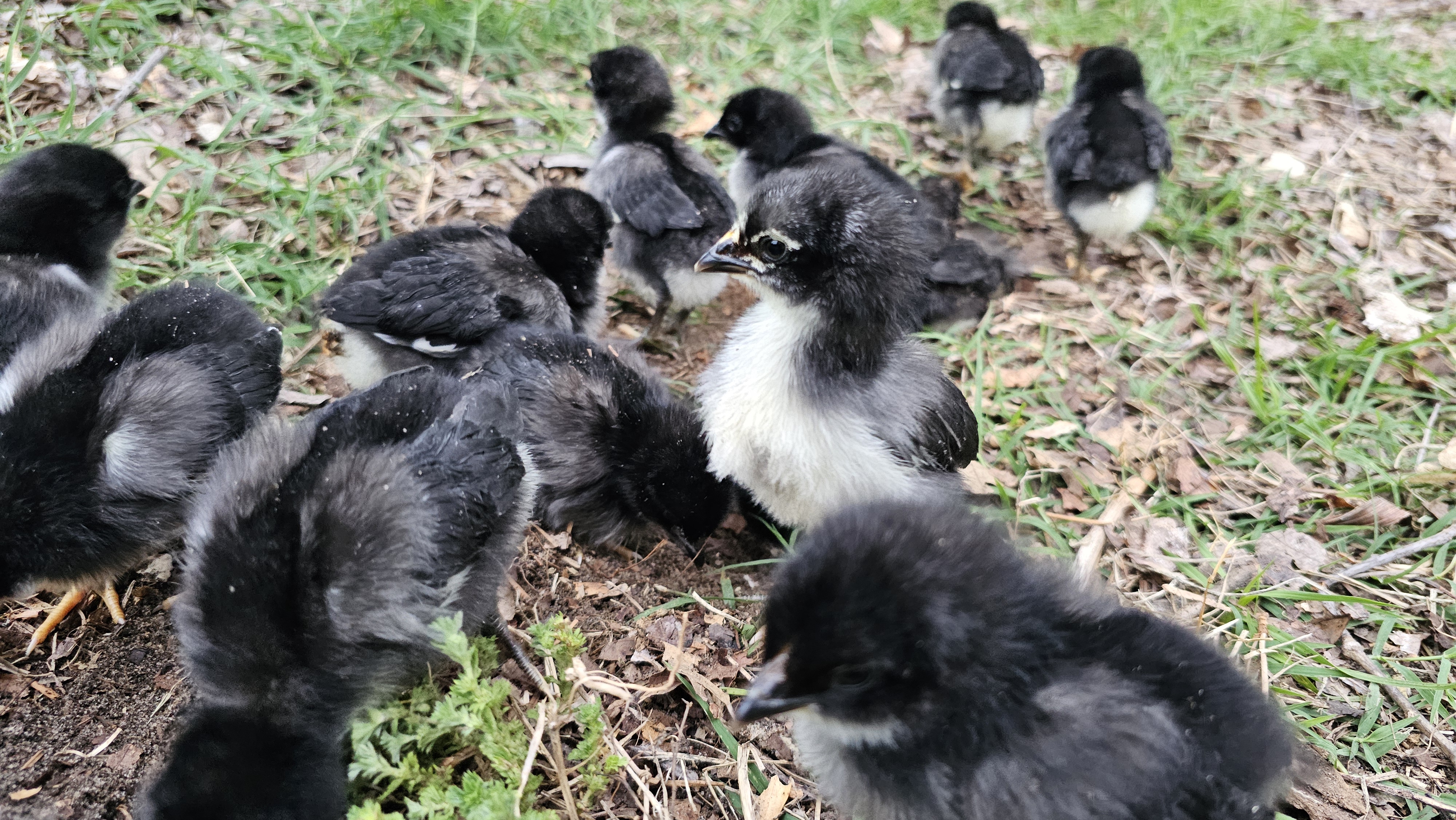
Feather health is a visible indicator of nutritional success. Black plumage can look dull if the diet lacks sufficient protein or methionine, an amino acid critical for feather growth. During molting, increase protein levels by offering mealworms or switching to a higher-protein feed temporarily. This helps them regrow feathers faster and maintain their sleek appearance.
Avoid feeding moldy feed or spoiled scraps, as these can cause respiratory issues or digestive distress. Keep feeders elevated to prevent contamination from droppings and moisture. A clean, consistent feeding routine is the most effective way to keep your black chickens healthy and productive.
Daily care and health monitoring
Black chickens, like Ayam Cemani or New Hampshire Reds, follow the same biological rhythms as other breeds. Their dark pigmentation doesn't change their need for consistent observation, but it does require you to look a little closer during daily checks. The goal is to catch issues early, before they spread through the flock.
Morning health check
Start your day by watching the birds before you open the coop door. Healthy chickens move with purpose, pecking at the ground or preening actively. If you see birds huddled in a corner, fluffed up, or standing with their eyes closed during daylight, something is wrong. Note any changes in appetite or water consumption immediately.
Parasite inspection
Once a week, perform a thorough physical check. Part the feathers around the vent, under the wings, and behind the legs. Look for mites, lice, or red bugs. Black chickens can make it harder to spot pale mites against their dark plumage, so use a bright flashlight. Check the beak and comb for scaly leg mites, which appear as raised, crusty bumps.
Seasonal adjustments
Black feathers absorb more heat, so these birds can overheat faster than light-colored breeds in summer. Provide extra shade and frozen treats to help them cool down. In winter, their dense feathering helps, but you must ensure the coop stays dry. Moisture combined with cold is the biggest threat to respiratory health. Ensure ventilation is high enough to remove humidity without creating drafts.

Watch the flock from a distance. Healthy birds are active and alert. Note any birds that are separated from the group or showing signs of distress.
Gently lift the tail feathers and check under the wings for parasites. Use a flashlight to see clearly against the dark feathers.
Look for scaly bumps on the legs or beak, which indicate mites. Check the comb for color changes or swelling, which can signal respiratory issues.
Provide extra shade in summer and ensure ventilation in winter. Black feathers absorb heat, so cooling measures are critical in warm weather.
Understanding egg production patterns
Black chicken breeds, particularly those with the dominant black gene like the Australorp or Black Copper Maran, are generally steady layers. While they may not match the explosive output of white Leghorns, they offer reliable production throughout the year. Expect an average of four to five eggs per hen weekly during peak seasons.
Shell color varies significantly by breed. Australorps lay brown eggs, while Black Copper Marans are famous for their dark chocolate-colored shells. This variation is genetic and does not indicate health or nutritional quality.
Production cycles are influenced by daylight and age. Hens lay best with 14–16 hours of light. As hens age past two years, egg size increases but frequency decreases. Consistent feeding and clean water remain the most effective ways to maintain steady output.
Common mistakes to avoid
New owners often treat black chickens like any other breed, but their specific traits create unique pitfalls. The most frequent error is overfeeding treats. While scraps are a nice bonus, they dilute the nutritional density of a layer’s feed. Stick to a high-quality 16% protein layer feed as the primary diet and limit treats to less than 10% of daily intake to prevent obesity and egg-laying issues.
Another critical oversight is ignoring ventilation. Black plumage absorbs significantly more solar radiation than lighter feathers, making these birds more susceptible to heat stress. Ensure your coop has ample airflow through windows or vents, especially during summer months.
Finally, many beginners neglect regular flock checks. Black feathers can hide lice, mites, and minor injuries that would be obvious on white birds. Perform a weekly physical inspection under your birds’ wings and around the vent area to catch health issues early. Consistent monitoring is the best way to keep your flock thriving.
No comments yet. Be the first to share your thoughts!