
Choose the right breeds for your flock
Selecting between Polish and black-feathered chickens comes down to what you value more: consistent egg production or distinct aesthetics. Both groups are capable layers, but they serve different roles in a backyard flock. Polish hens are renowned for their dramatic crests and calm personalities, while black breeds like the Australorp or Java offer reliable output and hardiness.
Start by deciding if your priority is visual appeal or practical utility. If you want a show-stopping flock that is gentle and easy to handle, Polish chickens are an excellent choice. They are often described as "fuzzy clouds" due to their abundant plumage. However, their heavy head feathers can obstruct their vision, making them vulnerable to predators and slower to find food. You will need to trim their crests periodically and provide a safe, enclosed run.
Black-feathered breeds generally offer a better balance of production and resilience. They tend to be more active foragers and less prone to the health issues associated with excessive feathering. For year-round egg goals, breeds like the Black Australorp or New Hampshire Red provide sturdy, dark-shelled eggs and adapt well to various climates. They are less likely to freeze in winter or overheat in summer compared to some heavily feathered varieties.
Use the comparison below to weigh the specific traits of each group before making your final selection.
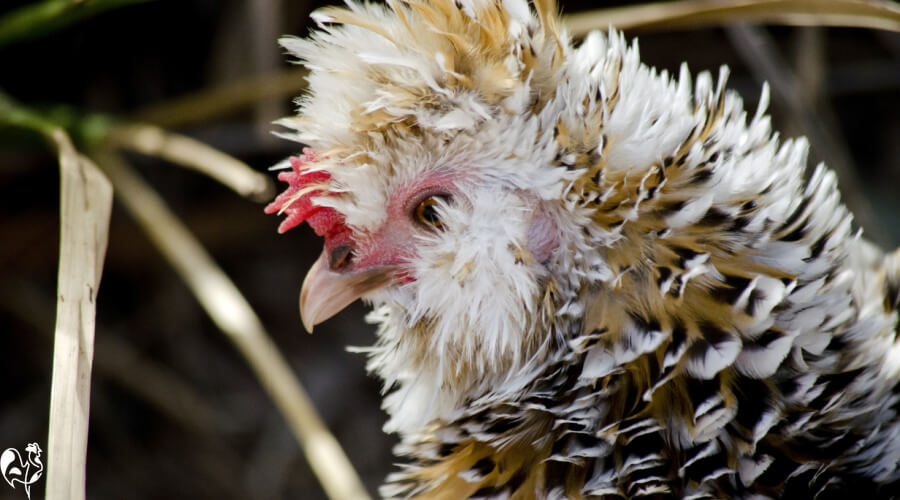
| Trait | Polish Chickens | Black Breeds (e.g., Australorp) |
|---|---|---|
| Egg Color | White | Brown |
| Egg Production | Moderate (150-200/year) | High (200-280/year) |
| Climate Hardiness | Low (sensitive to cold/wet) | High (good cold tolerance) |
| Temperament | Docile, shy, easy to handle | Active, friendly, foragers |
| Maintenance | High (crest trimming needed) | Low (standard care) |
If you decide to raise Polish chickens, consider adding a YouTube tutorial on crest maintenance to your reading list. Proper grooming prevents eye infections and keeps your birds comfortable. For black breeds, focus on providing ample space for their active foraging behavior to ensure they remain healthy and productive.
Set up a predator-proof coop
Polish and Black chickens lay well, but they need a secure base to stay healthy. Polish chickens have large crests that can obstruct their vision, making them vulnerable to predators and aggressive flock mates. Black chickens, depending on the breed, may be more flighty or hardy. Your coop must address both the physical safety of the birds and the structural integrity of the home.
Plan the footprint and ventilation
Start with space. Overcrowding leads to stress, pecking, and disease. Aim for at least 4 square feet of indoor space per bird. Polish chickens are often lighter and more delicate, so slightly more room helps prevent bullying.
Ventilation is non-negotiable, especially for Polish birds. Moisture from breath and droppings builds up quickly. If the air is stale, ammonia damages their respiratory systems. Install vents near the roof peak, covered with 1/2-inch hardware cloth. This lets air flow out without letting in rain or predators. Avoid drafts at bird level; keep the main airflow above their heads.
Secure the structure against predators
Predators don’t care about breed. Raccoons, foxes, and dogs will exploit weak points. Use 1/2-inch hardware cloth, not chicken wire. Chicken wire keeps chickens in; hardware cloth keeps predators out. Reinforce windows, vents, and any gaps around doors.
Use locking latches on all doors. Raccoons can open simple hooks. Bury hardware cloth 12 inches outward from the base or add an apron to prevent digging. For Polish chickens, ensure roosts are wide and low enough for easy access, but secure enough to prevent falls that could injure their delicate crest feathers.
Install nesting boxes and roosts
Nesting boxes should be one for every 4 to 5 hens. Place them in a dark, quiet corner of the coop. Use pine shavings or straw for bedding. Polish chickens may need slightly lower boxes due to their size and crest, but ensure they are high enough to keep eggs clean.
Roosts should be 2 to 4 inches wide, allowing birds to cover their feet with breast feathers for warmth. Position roosts higher than nesting boxes, as chickens prefer to sleep high up. Space roosts at least 12 inches apart to prevent droppings from soiling lower birds or nests.
Add lighting for year-round lay
Polish and Black chickens need consistent light to maintain egg production in winter. Provide 14 to 16 hours of light daily. Use a simple timer-controlled LED bulb. Avoid heat lamps, which are a fire hazard. If you use a heat source, ensure it is safe and separate from the lighting circuit.
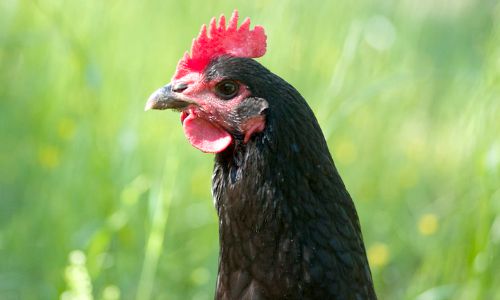
Build the basic structure using pressure-treated lumber for the base. Ensure walls are straight and plumb. Add insulation if you live in a cold climate to protect Polish chickens from frostbite on their combs and wattles.
Cover all openings, including windows and vents, with 1/2-inch hardware cloth. Secure it with staples or washers. This is your primary defense against raccoons and foxes. Chicken wire is not sufficient.
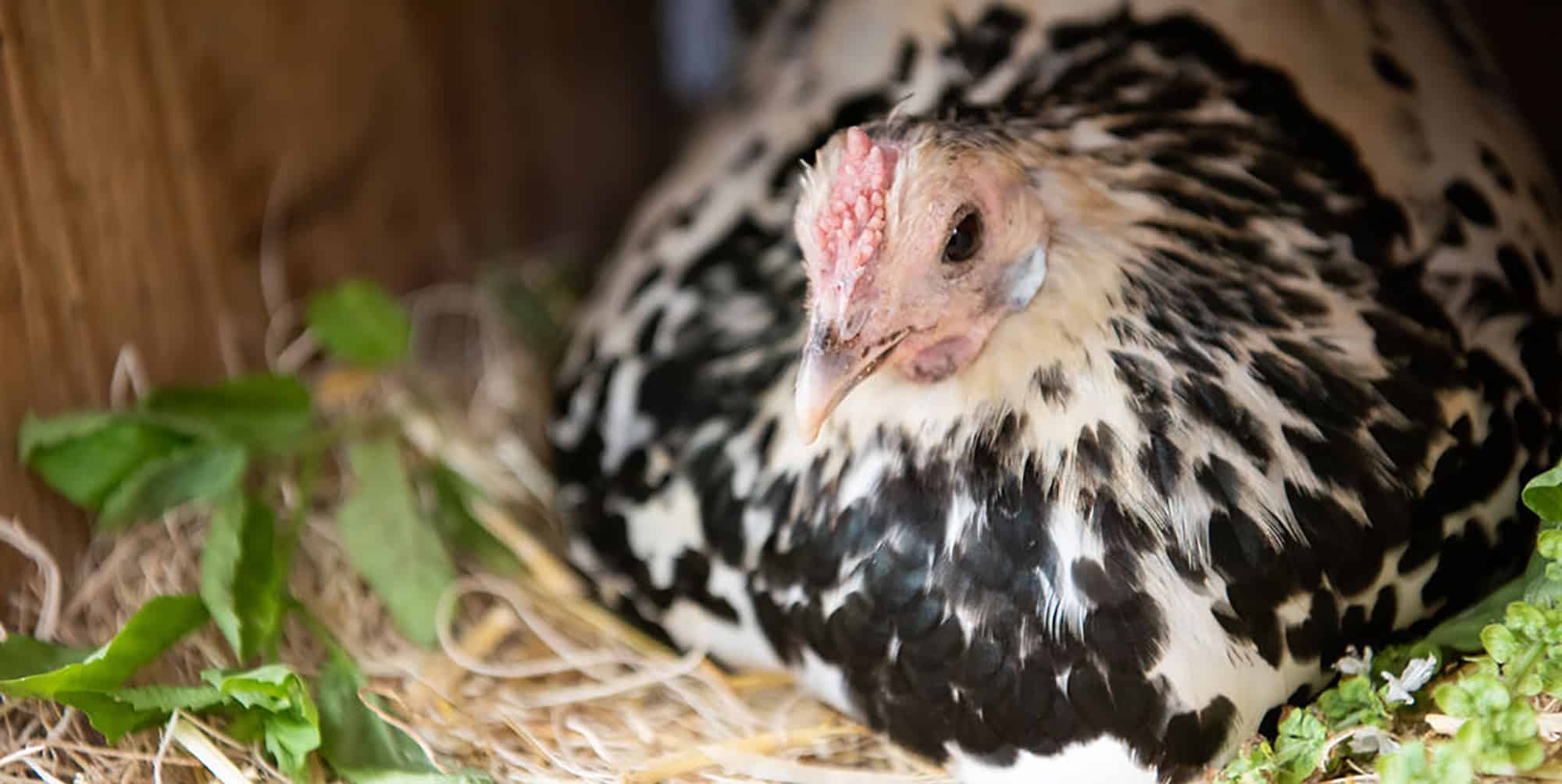
Place roosts higher than nesting boxes. Use 2x4 lumber with the wide side up for roosts. Nesting boxes should be 12x12x12 inches, one for every 4-5 hens. Line with clean bedding.
Install high vents for airflow. Add a timer-controlled light for winter laying. Ensure no heat sources are near bedding or flammable materials.
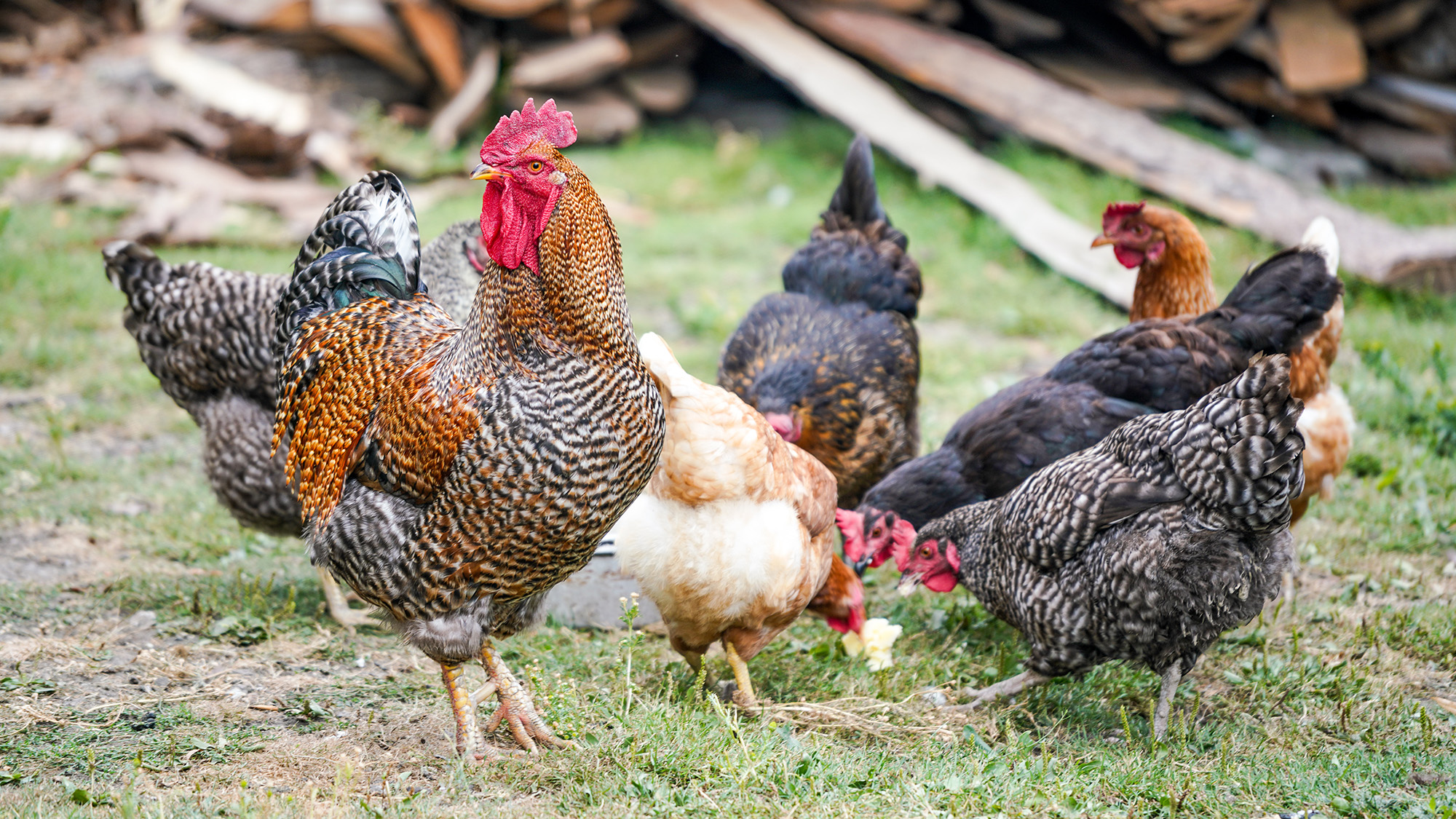
Bury hardware cloth 12 inches out from the coop base or add an apron. This prevents digging predators from entering. Polish chickens may benefit from a covered run to protect their crests from rain and debris.
Feed and water your hens correctly
Polish and Black chickens need a consistent, nutrient-dense diet to maintain year-round egg production. Unlike some breeds that slow down in winter, these birds require precise nutritional support to keep laying through colder months. The foundation of their health is a high-quality commercial layer feed that provides the exact balance of calcium, protein, and energy they need.
Start by offering a complete layer feed as the primary source of nutrition. This feed should contain at least 16% protein and sufficient calcium to support strong eggshells. Ensure the feed is fresh and stored in airtight containers to prevent mold and spoilage. Your hens should have access to this feed throughout the day, allowing them to self-regulate their intake based on their energy needs.
Treats like scratch grains, vegetables, or insects are fine for enrichment, but they must not displace their main meals. If you offer too many treats, your hens will fill up on empty calories and skip their essential layer feed. This imbalance can cause soft-shelled eggs or a drop in overall production. Offer treats in the late afternoon after they have finished their daily ration.
Water is just as critical as food. Hens need constant access to clean, fresh water to digest their food and form eggs. In winter, check waterers daily to prevent freezing, as dehydration can stop egg production immediately. Add a small amount of grit to their diet to help them grind food in their gizzards, ensuring they absorb all the nutrients from their feed.
Manage health and egg collection
Polish chickens are prolific layers, but their distinctive head feathers create a unique maintenance requirement. The crest can grow over their eyes, causing obstruction, stress, and increased susceptibility to injury. Regular trimming is not just cosmetic; it is a health necessity. Use blunt-tipped scissors to carefully trim the feathers around the eyes, keeping them clear for vision and ventilation. Check the birds weekly, especially after rain or mud bathing, to ensure the crest remains manageable.
Egg collection should happen daily, ideally in the morning. Polish hens often start laying early, and leaving eggs in the nest encourages broodiness or provides opportunities for predators and pests to find them. Collect eggs into clean, cool containers. Inspect each egg for cracks or abnormalities before storing. If you find any broken eggs, remove the pieces immediately to prevent the hens from developing an egg-eating habit.
Keep the nesting boxes clean and stocked with fresh bedding. Polish chickens prefer dark, quiet spaces for laying, so ensure the nesting area is separate from the main roosting area to reduce stress. Monitoring egg production can also serve as a health indicator; a sudden drop in laying often signals illness, stress, or nutritional deficiency.
Troubleshoot common laying issues
When Polish and Black chickens stop laying, the cause is usually environmental or physiological. Fix the root cause before assuming the birds are done.
Check for molting
Molting is a natural energy drain. Birds shed feathers to grow new ones, pausing egg production until the process finishes. Ensure high-protein feed (16-18%) to support feather regrowth. Do not add treats during this period.
Reduce stress
Noise, predators, or flock changes disrupt laying. Polish chickens are particularly sensitive to loud sounds and aggressive flock members. Provide a quiet, secure coop with minimal disruption to their routine.
Adjust light and nutrition
Polish hens need 14 hours of daylight to maintain year-round production. Supplement with a heat lamp in winter if natural light drops. Follow the 90/10 rule: 90% complete layer feed and 10% treats to maintain balanced nutrition.
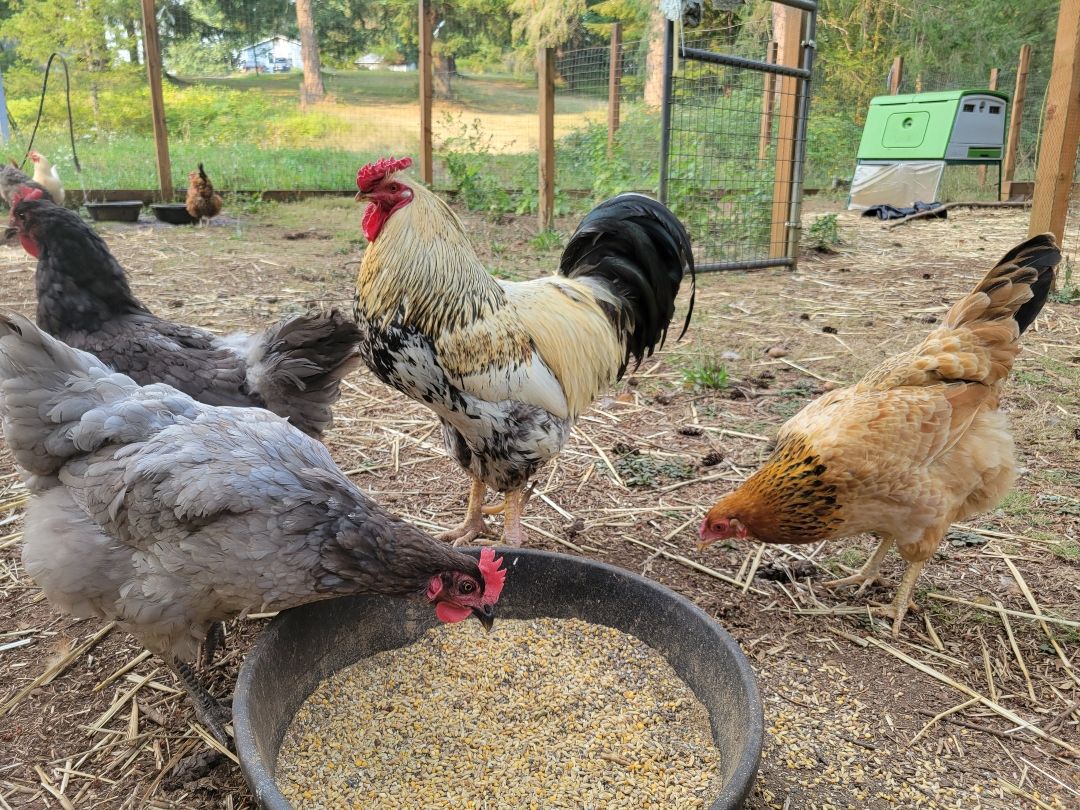
Frequently asked questions about raising chickens
What is the 90/10 rule for chickens?
The 90/10 rule ensures balanced nutrition by limiting treats to 10% of a hen’s daily intake, with the remaining 90% coming from complete layer feed. Overfeeding treats can dilute essential nutrients, reducing egg production and shell quality. Stick to this ratio to keep your Polish and Black chickens healthy and laying consistently.
Do Polish chickens lay well in winter?
Polish chickens are not heavy layers and their head feathers can freeze, making them vulnerable to cold. Provide deep litter for insulation and use a roost cover to protect their combs. Keep water unfrozen and monitor them closely during extreme cold snaps.
Why do Black chickens lay fewer eggs in winter?
Like most breeds, Black chickens slow down production when daylight hours drop. They require 14-16 hours of light for optimal laying. Supplementing with a low-wattage heat lamp or full-spectrum bulb can maintain egg production through the darker months.
No comments yet. Be the first to share your thoughts!