
Meet the Polish Chicken Breed
Polish chickens are distinct from standard layers because of their dramatic appearance and gentle temperament. Originating in Europe, they were known in England during the 1700s and gained popularity in France for egg production before becoming prized show birds [[src-serp-3]]. Their name comes from the resemblance of their large feathered crests to the feathered caps worn by the Polish army [[src-serp-1]].
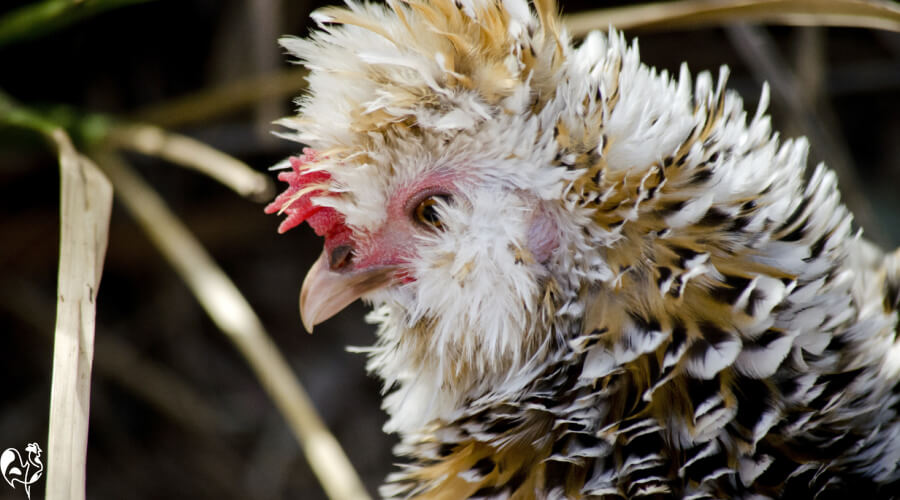
These birds are not your typical backyard layers. While they do lay eggs, their primary appeal lies in their ornamental beauty. The crest is a defining feature, formed by a cluster of feathers on the top of the head. This crest can sometimes obstruct their vision, making them more vulnerable to predators and requiring extra attention from their keepers.
Understanding their history helps set expectations for care. Bred for centuries for their unique look, Polish chickens are generally docile and friendly. They thrive in dry, warm climates and prefer environments where their delicate plumage remains clean and dry. Raising them requires a balance of appreciating their aesthetic value while managing their specific needs.
Prepare the coop for crested birds
Polish chickens are beautiful but fragile. Their large, heavy crests can block their vision, making them clumsy and vulnerable to injury or predator attacks. Their small size and soft feathers also make them easy targets for bullying from larger, more aggressive breeds. To keep them safe and healthy, you need to modify their housing to accommodate these specific traits.
The goal is to create a low-stress environment where they can move freely without hitting their heads or getting trapped. This requires lowering perches, removing sharp obstacles, and ensuring the space is secure but well-ventilated.
Polish chickens are small and often reluctant flyers. Standard-height roosts force them to jump down, which can strain their legs or cause them to land awkwardly. Install roosts at a lower height, ideally no more than 18 to 24 inches off the ground. This reduces the risk of injury and makes it easier for them to get on and off without struggling.
Their crests are prone to collecting dust, bedding, and droppings, which can lead to matting and infections. Keep the coop floor and nesting areas clean and free of sharp objects or protruding nails that could snag their feathers. Use soft bedding like pine shavings rather than straw, which is more likely to tangle in their plumage.
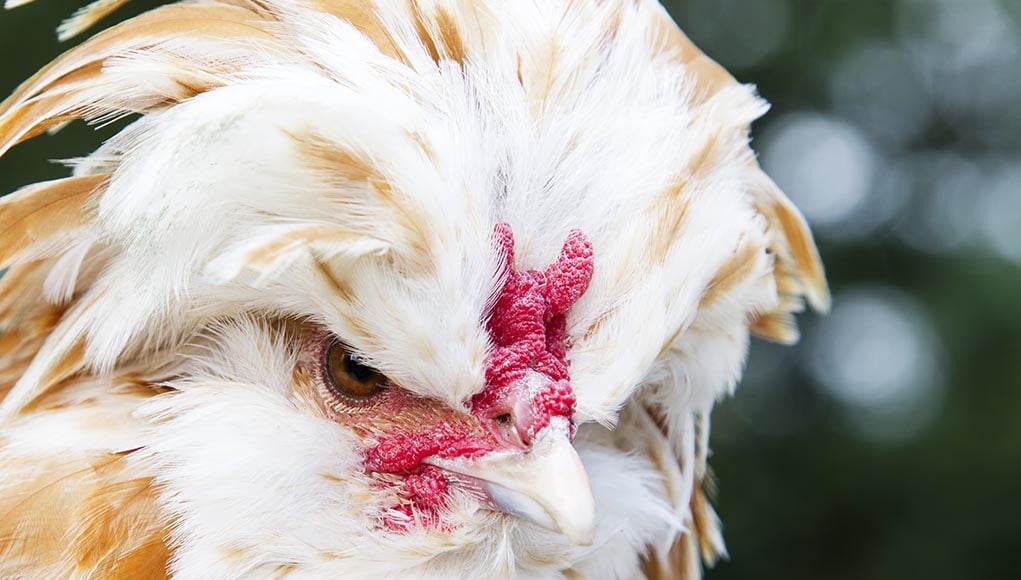
Polish chickens prefer dry, warm climates and are sensitive to dampness and poor air quality. Ensure the coop has adequate ventilation near the top to remove ammonia and moisture without creating drafts at bird level. Good airflow helps prevent respiratory issues and keeps their feathers dry, which is essential for maintaining their crest's health and appearance.
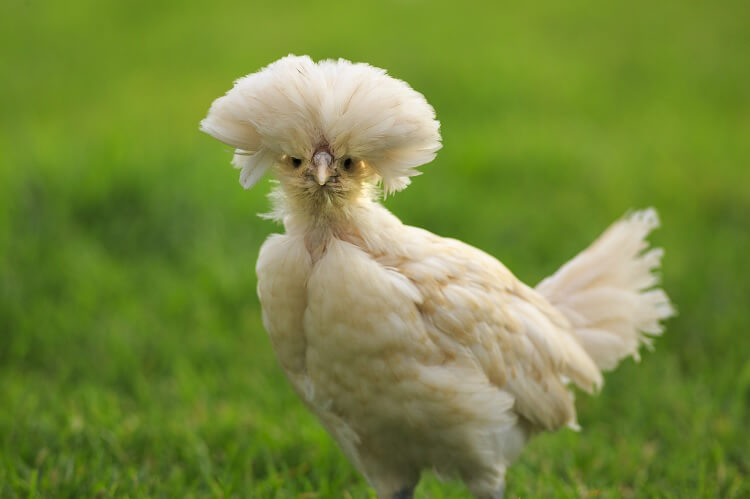
Because their vision is often obscured by their crests, Polish chickens are easily startled and may not notice predators until it is too late. Fortify their run with hardware cloth and secure latches. Consider adding a covered section to the run to provide shade and a sense of security, reducing their stress levels and keeping them safe from hawks and other aerial threats.
Manage crest care and hygiene
The crest is the defining feature of Polish chickens, but it also requires the most hands-on maintenance. Without regular attention, the feathers can trap moisture, debris, and parasites, leading to skin infections or blindness. Treating crest care as a daily habit prevents most common health issues before they start.
Daily visual checks
Start each morning by inspecting the head area. Look closely at the eyes to ensure the crest feathers aren't falling into the eyes, which can cause irritation or corneal damage. If feathers are obstructing vision, you may need to trim them slightly or use small, blunt-tipped scissors to carefully cut around the eye openings. Check for any signs of mites or lice hiding deep within the dense plumage.
Weekly cleaning routine
Once a week, gently brush the crest to remove dust, dirt, and loose feathers. Use a soft-bristled brush or a clean, dry toothbrush, working from the base outward to avoid pulling on the skin. If the crest is muddy or soiled, spot-clean with a damp cloth and mild poultry-safe soap, then dry thoroughly with a low-heat hair dryer held at a safe distance. Never let the crest air-dry completely if it's wet, as dampness invites bacterial growth.
Parasite prevention
Polish chickens are susceptible to mites and lice, which thrive in the thick, sheltered environment of the crest. Apply a poultry-safe dust or spray specifically designed for head areas, ensuring you work it into the feathers near the skin. Avoid getting any products directly in the eyes or beak. Regular grooming sessions provide an opportunity to spot early infestations, such as white specks moving in the feathers or excessive scratching.
Trimming and maintenance
Some Polish chickens benefit from periodic trimming to keep the crest manageable. Use sharp, clean scissors to trim long feathers that hang over the eyes or drag on the ground. Trim only the tips, never cutting too close to the skin. This not only improves visibility but also reduces the risk of the crest getting caught on coop fixtures or becoming matted with droppings.
Hygiene and environment
Keep the coop clean and dry to minimize the buildup of debris in the crest. Replace bedding regularly and ensure ventilation is adequate to reduce humidity. A clean environment means less dirt and moisture for the crest to trap, making daily and weekly maintenance easier and more effective.
Expect modest egg production
Polish chickens are ornamental birds first and egg layers second. While they do produce eggs, you should not expect 300 eggs a year. Their primary value lies in their distinctive appearance and gentle temperament rather than high-volume output.
A healthy Polish hen typically lays between 150 and 200 small to medium white eggs per year. This is a moderate yield, significantly lower than high-production breeds like Leghorns, which can exceed 300 eggs annually. The eggs are usually white and relatively small compared to the hen's body size.
If egg quantity is your primary goal, consider keeping Polish chickens as a companion breed rather than your main flock. They add visual interest and personality to a backyard flock but will not replace breeds dedicated solely to utility. Their eggs are still nutritious and delicious, just fewer in number.
Avoid common handling mistakes
Polish chickens are gentle and docile, but their unique anatomy makes them fragile. Their most distinctive feature—the crest of feathers—can blind them and trap predators. Handling them incorrectly can cause stress or injury. Follow these steps to keep your birds safe and comfortable.
Secure the head and crest
Always support the bird’s head when lifting. Reach under the body with one hand and gently hold the head with the other. This keeps the crest from flopping over the eyes, which disorients the bird. A disoriented Polish chicken will panic, flail, and risk injury to its delicate bones or eyes.
Handle them gently
These birds are not robust. Their large crests make them top-heavy and clumsy. Avoid picking them up by the wings or tail. Instead, scoop them up from below, supporting their full weight. If they struggle, place them back down immediately. Forcing a hold increases stress and can damage their feathers or skin.
Check for debris
Before handling, check the crest for dirt, feces, or parasites. A clogged crest is painful and can lead to infection. Use a soft brush or damp cloth to clean it gently. If the debris is stubborn, trim the feathers carefully with blunt scissors. Regular cleaning prevents irritation and keeps the bird healthy.
Checklist for new Polish owners
Before bringing your flock home, ensure the coop is ready for their specific needs. Polish chickens require low roosts because their large crests can make balancing on high bars difficult. Install roosts no higher than 12 inches off the ground to prevent injury during landing.
| Task | Why It Matters |
|---|---|
| Install low roosts | Prevents crest-related balance issues and injuries. |
| Trim nails regularly | Overgrown nails can get tangled in their feathered feet. |
| Check ventilation | Polish birds prefer dry, warm climates and are prone to respiratory issues in damp coops. |
| Purchase crest-safe feed | Avoids feed getting stuck in their facial feathers, which can attract pests. |
Start a routine for grooming. Their crests are their most distinctive feature but also their biggest vulnerability. Check for mites or debris trapped in the feathers weekly. Keep the area around the feeders clean to prevent their beards and wattles from getting matted with wet feed.
Polish chicken care: what to check next
Polish chickens are charming additions to any flock, but their unique features require specific care. Below are answers to the most common questions about their health, temperament, and productivity.
Do Polish chickens lay well?
Polish chickens are moderate layers. Expect around 150–200 small to medium white eggs per year. They are not high-production birds like Leghorns, but their eggs are consistent. Their docile nature makes them easy to handle during collection.
Are Polish chickens good for kids?
Yes, they are excellent for children. Their flashy crests and calm temperament make them ideal for showing and handling. Meyer Hatchery notes that Polish chickens are particularly good for kids interested in poultry shows due to their gentle disposition. Always supervise young children when handling birds with large head crests to prevent injury to the bird.
How long do Polish chickens live?
With proper care, Polish chickens typically live 5–8 years. Their lifespan depends on predator protection and regular health checks. Because their vision can be impaired by their crests, they are more vulnerable to predators. Secure housing is essential for longevity.
No comments yet. Be the first to share your thoughts!