


Why black and polish breeds stand out
Black and Polish chickens offer two distinct paths for backyard flocks, each excelling in different areas of poultry keeping. Black breeds like the Australorp and Java are prized for their rugged hardiness and consistent egg laying. In contrast, Polish chickens are celebrated for their ornamental beauty and the unique quality of their eggs, though they require more specialized care.
Black-feathered breeds have a genetic advantage in disease resistance and heat tolerance. Their dark pigmentation helps protect their skin from sunburn and provides a natural barrier against certain parasites. These birds are often more robust in varied climates, making them a reliable choice for beginners or those in regions with harsh weather. They lay a steady supply of brown eggs, prioritizing quantity and resilience over showy appearance.
Polish chickens, with their distinctive crests of feathers, are the ornamental stars of the coop. They lay white or cream-colored eggs that are often slightly larger and richer in color than those of standard breeds. However, their elaborate headgear requires attention. Regular trimming or oiling may be needed to prevent matting and eye obstruction, ensuring they can see and eat without difficulty. This maintenance makes them less ideal for low-effort flocks but perfect for enthusiasts who value aesthetics alongside production.
Top black chicken breeds for eggs
Black-feathered chickens are a favorite among backyard flock owners for their striking appearance and consistent egg production. While most hens lay white, cream, or brown eggs, several black breeds produce distinctively colored eggs, ranging from pale olive to deep chocolate. These breeds combine the hardiness of black plumage with reliable laying habits, making them practical choices for high-yield flocks.
The Australian Australorp holds the world record for egg production, proving that black chickens can outperform many commercial hybrids. Meanwhile, breeds like the Black Copper Marans offer premium dark brown eggs, and the Penedesenca provides rare olive-green shells. Below is a comparison of these top performers to help you choose the right bird for your goals.
| Breed | Avg. Eggs/Year | Egg Color | Temperament |
|---|---|---|---|
| Australorp | 250-300 | Brown | Calm, friendly |
| Black Copper Marans | 150-200 | Dark Brown | Active, foraging |
| Penedesenca | 180-220 | Olive-Green | Independent, hardy |
Polish chickens: Beauty and egg yield
Polish chickens are among the most recognizable breeds in the backyard flock, defined by their distinctive, towering crests of feathers. While their appearance is ornamental, their utility as consistent egg layers is often underestimated. They typically produce between 150 and 200 eggs per year, offering a steady supply of small to medium white eggs. This makes them a solid choice for keepers who value both aesthetics and productivity, provided they are managed correctly.
Crested and Standard varieties
The Crested Polish is the most common variety found in backyard flocks. Their large, ball-shaped crests can obscure their vision, making them susceptible to predators and prone to getting tangled in coop fixtures. The Standard Polish is similar but slightly smaller, often preferred in show rings for its compact size. Both varieties require a coop with low perches and smooth surfaces to prevent their crests from snagging on hardware or nesting materials.
Large Polish and production notes
Large Polish chickens are the biggest of the Polish types, weighing significantly more than their Standard counterparts. Despite their size, their egg production remains consistent with the breed average. They are generally calmer and more docile than other large breeds, making them easy to handle. However, their heavy feathering can make them less tolerant of extreme heat, so shade and ventilation are critical in summer months.
Care considerations for high-yield flocks
Polish chickens are not aggressive foragers. They tend to stay close to the coop, which makes them easier to manage but also means they may not find enough natural forage to supplement their diet. Providing a high-quality layer feed is essential to maintain their egg production levels. Additionally, regular trimming of their crest feathers may be necessary to keep their eyes clear and prevent eye infections caused by debris trapped in the plumage.
Essential gear for happy layers
Black and Polish chickens are high-maintenance layers. Polish crests blind them partially, making them vulnerable to predators and less efficient at foraging. Black breeds like Australians or Plymouth Rocks have dense plumage that can hide mites. To keep egg production high, you need equipment that supports their specific physical needs.
The right setup reduces stress, which directly correlates to consistent laying. A well-designed coop keeps the environment stable, while specialized feeders prevent the waste that attracts pests. Think of this gear as the infrastructure that allows their genetics to perform.
Coop and Housing Essentials
Polish chickens are poor fliers but easily startled. They need a secure, predator-proof coop with low roosts to protect their crests from snagging on high branches or hardware. Automated door locks are non-negotiable for overnight security. Inside, provide ample nesting boxes with soft bedding to encourage laying in clean areas.
Feeding and Watering Systems
These birds eat more than they appear to. Use heavy-duty, tip-proof feeders to prevent waste. Black chickens often scatter feed, so a system with a guard or a hanging design keeps the floor clean. Waterers with wide bases prevent tipping, as Polish chickens are clumsy drinkers due to their head feathers.
Health and Maintenance Tools
Regular health checks are critical. Keep a first-aid kit with poultry-safe antiseptic, styptic powder for cut beaks, and a fine-toothed comb for lice and mite removal. A dedicated brush helps keep their crests free of debris and dirt, which can harbor bacteria.
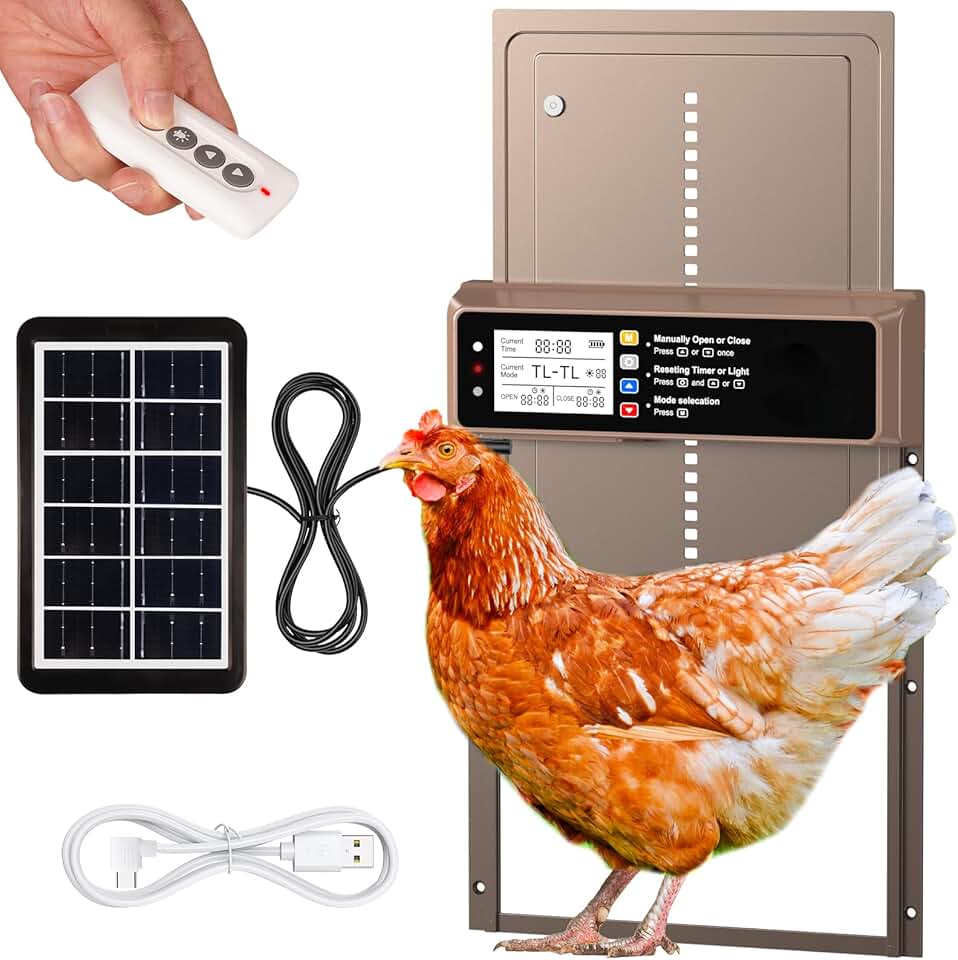


As an Amazon Associate, we may earn from qualifying purchases.
Common Mistakes to Avoid
Keeping black and Polish chickens for high egg production requires specific care that differs from standard layers. Neglecting their unique physical traits often leads to health issues that stall your daily egg count. Focus on these critical areas to maintain a productive flock.
Overlooking Crest Hygiene
Polish chickens have large, elaborate crests that can obstruct vision and trap dirt. If you ignore this, birds may miss feeders or become susceptible to mites and bacterial infections. Check their heads daily for debris and trim feathers around the eyes if necessary to ensure they can see clearly.
Mismanaging Diet for Black Breeds
Black-feathered breeds often have higher metabolic demands to maintain their plumage and laying cycle. Overfeeding high-energy treats or insufficient protein can lead to obesity or shell-less eggs. Stick to a balanced layer feed and limit treats to less than 10% of their daily intake to keep them healthy and laying consistently.
Ignoring Coop Security
Both Black and Polish varieties are often less flighty or aware of their surroundings due to their crest or calm temperament. This makes them easy targets for predators. Secure your coop with hardware cloth, not just chicken wire, and ensure nesting boxes are private and safe to encourage consistent laying.
Frequently asked: what to check next
Which black chicken breeds lay the most eggs?
Black Australorps hold the world record for egg production, often exceeding 360 eggs per year. Plymouth Rocks and Sussex are also reliable layers, though they typically produce slightly fewer eggs annually. These breeds combine high output with calm temperaments, making them ideal for backyard flocks focused on consistent harvests.
Are black chickens better for cold climates?
Their dark plumage absorbs more sunlight, offering a slight thermal advantage in winter. However, the real benefit lies in their robust hardiness. Breeds like the Australorp and Plymouth Rock tolerate cold well, provided they have dry, draft-free housing to prevent frostbite on their combs.
What do you call a chicken expert?
A professional who raises domestic fowls is called a poultryman or a chicken farmer. These experts focus on breeding, health, and production efficiency. For hobbyists, the term "chicken keeper" is more common, emphasizing stewardship over commercial scale.
No comments yet. Be the first to share your thoughts!