

The Heritage Breed Revival
Backyard coops and small farms are seeing a shift away from industrial poultry toward heritage chicken breeds. For decades, chickens were bred for maximum output, often ignoring other qualities. Now, people want something different: breeds with history, flavor, and a connection to traditional ways.
The rise of lab-grown meat, which promises poultry without raising animals, seems to be fueling interest in heritage breeds. These breeds offer an authentic, naturally-raised food source and represent a tangible link to our agricultural past.
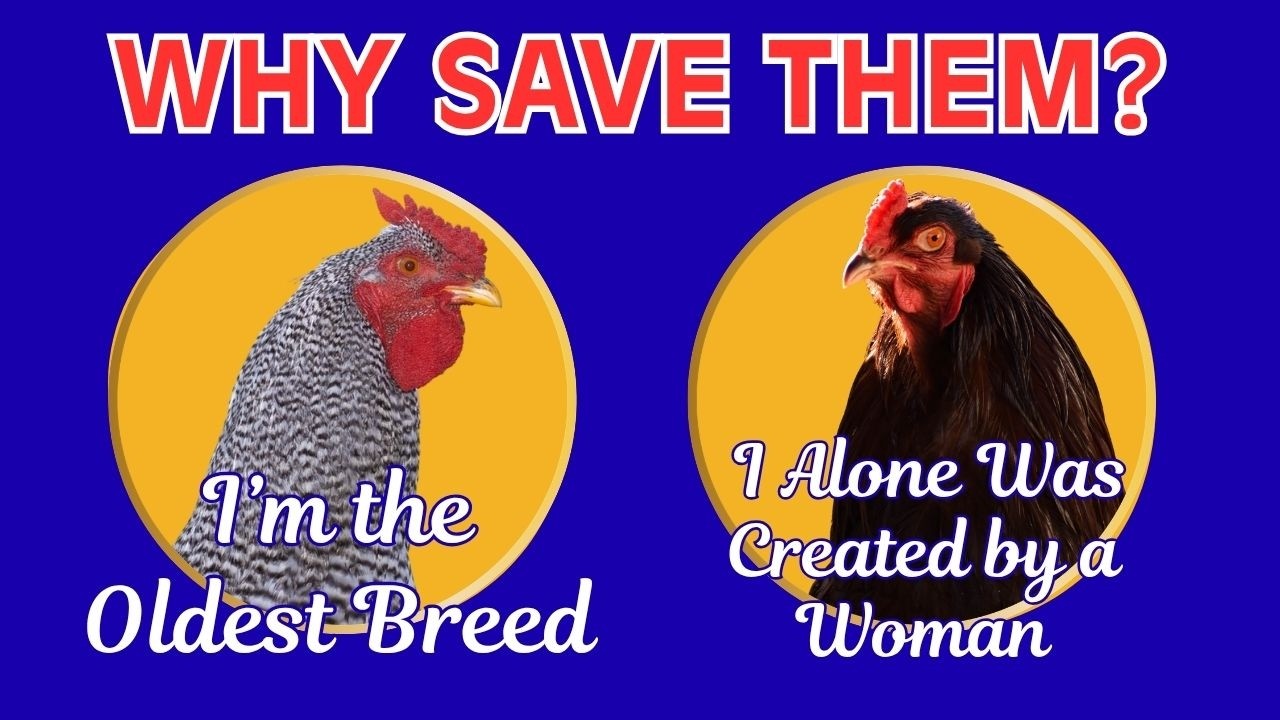
Dedication to preserving older breeds is evident. A YouTube video from A Farmer's Journey, 'Sustaining The 2 Most Unique Heritage Chicken Breeds,' shows the work involved. Active conservation is necessary for these breeds to thrive.
The appeal lies in rejecting the industrial food system for values like sustainability, flavor, and animal welfare. People want to know where their food comes from and support aligned practices. Heritage breeds embody these values, unlike modern industrial breeds.
Lab-Grown Chicken: A 2026 Status Check
As of 2026, lab-grown chicken is a niche product, not the ubiquitous food source some predicted. Scaling production, reducing costs, and gaining consumer acceptance remain significant hurdles.
Cost is a major challenge. Early estimates put lab-grown chicken at several dollars per pound, much higher than conventionally raised chicken. While costs have decreased, price parity with traditional chicken is still a distant goal. Growing meat cells requires specialized equipment, sterile environments, and expensive growth mediums.
Regulatory hurdles also slow progress. The FDA and USDA are establishing a framework for regulating cultivated meat in the US, but the process is complex and evolving. Large-scale production and sale require extensive testing and documentation. Other countries face similar challenges.
Consumer acceptance is another obstacle. Concerns about safety, ethics, and the "naturalness" of lab-grown meat persist, making many consumers hesitant to embrace a lab-grown product. Building trust requires transparent communication and rigorous safety testing.
Lab-grown chicken remains a small-scale operation in 2026, focused on limited restaurant partnerships and specialized markets. It's unlikely to significantly disrupt the poultry market soon, leaving room for heritage breeds to flourish.
Why Heritage Breeds Offer Something Different
Heritage chicken breeds offer qualities valued by consumers and farmers. Unlike modern industrial breeds bred for rapid growth and maximum output, heritage breeds retain traits important before industrial agriculture.
Flavor is a major draw. Heritage breed chicken has a richer, more complex flavor than commercially raised chicken, due to slower growth rates allowing more fat development and varied foraging diets of insects, seeds, and greens.
Their foraging ability is another advantage. Heritage breeds are more active and better foragers than industrial breeds, reducing supplemental feed needs. They suit pasture-raised systems, contributing to soil health and biodiversity, and thrive where modern broilers would struggle.
Hardiness is also a key characteristic. Heritage breeds are more resilient to disease and environmental stressors than industrial breeds, reducing the need for antibiotics and interventions. This is due to their genetic diversity, unlike the narrow genotypes of industrial breeds.
Most importantly, heritage breeds connect us to agricultural history. They are living links to a time when farming was more diverse, sustainable, and tied to local communities. Raising them preserves heritage and supports a resilient food system.
Popular Heritage Breeds for 2026
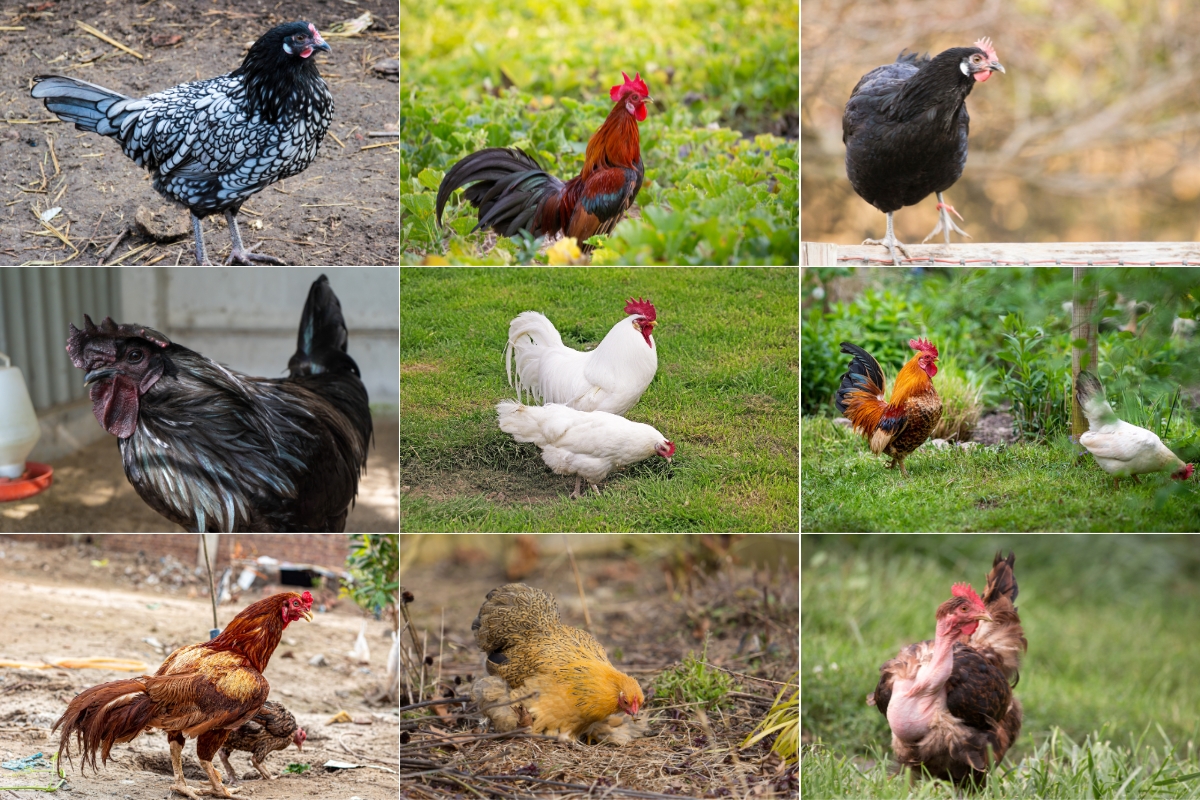
undefined’t just gaining attention from small farmers; they’re also becoming increasingly sought after by backyard chicken keepers.
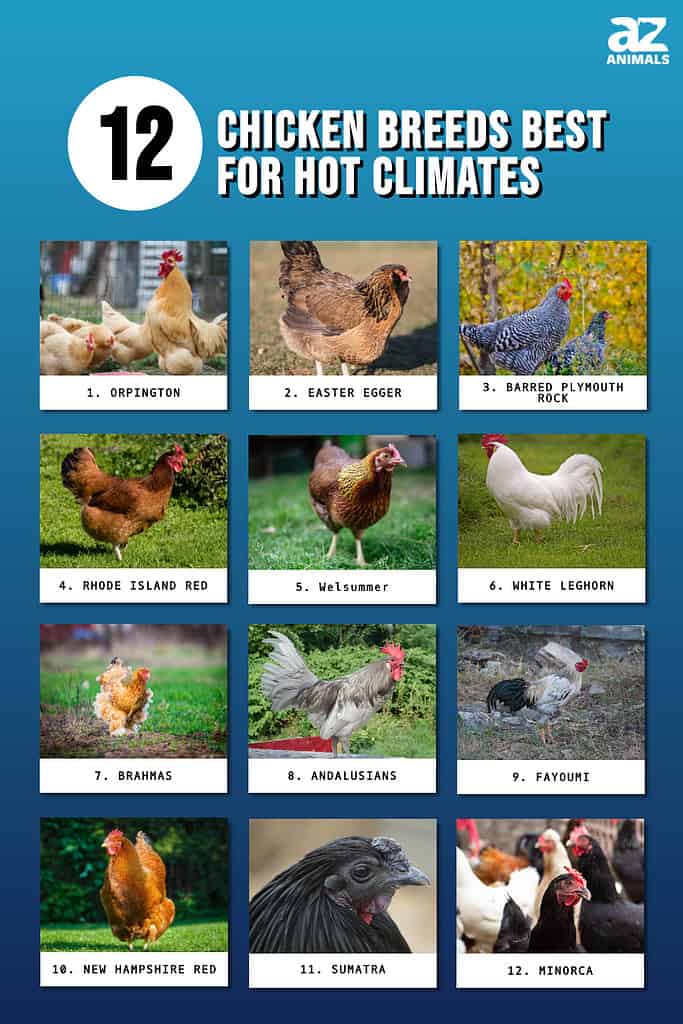
The Plymouth Rock is a classic American breed, known for its dual-purpose qualities – good for both meat and eggs. They’re relatively docile, hardy, and adaptable to a wide range of climates. A hen can reliably lay around 200 eggs per year, and they’re relatively easy to care for, making them a good choice for beginners. They've always been popular, but we're seeing a renewed interest.
The Wyandotte is another excellent dual-purpose breed, prized for its beautiful lacing patterns and its ability to lay eggs even in cold weather. They’re known for their calm temperament and their ability to forage effectively. Wyandottes come in a variety of colors, adding to their appeal. They lay around 200 eggs annually.
The Orpington is a large, fluffy breed known for its gentle disposition and its excellent meat quality. They’re relatively slow-growing, but the resulting meat is incredibly flavorful. Orpingtons are also good layers, producing around 180-200 eggs per year. They are becoming a favorite for those prioritizing meat quality.
The Australorp is an Australian breed developed from the Orpington, and it's renowned for its exceptional egg-laying ability. They can lay over 250 eggs per year. They are a good choice for those who want a reliable source of eggs. They're also known to be fairly quiet birds.
The Delaware is a relatively rare breed that was developed in the 1940s as a commercial broiler. They’ve fallen out of favor with industrial producers, but they’re gaining popularity among heritage breed enthusiasts for their excellent meat quality and their foraging ability. They are a good option for those looking for something a little different.
The Chantecler is a Canadian breed developed to withstand harsh winters. They’re incredibly hardy and adaptable, and they lay a respectable number of eggs – around 200 per year. They are a great choice for colder climates. MyPetChicken.com consistently lists them as a popular choice for colder regions.
Finally, the Buckeye is another American breed that's gaining traction. They're known for their active foraging and their ability to thrive in free-range environments. They're also relatively rare, making them a particularly appealing choice for conservation-minded breeders. They are known for being good at pest control.
Essential Gear for Your Heritage Chicken Flock

Mobile design with wheels for easy relocation · Expandable run provides ample space for 4-6 chickens · Includes two nesting boxes and an easy-clean pull-out tray
This coop offers a secure and convenient housing solution with features designed for ease of maintenance and animal comfort.

Carbon fiber heating element for efficient warmth · Two adjustable heating levels · Waterproof design suitable for outdoor poultry use
Provides essential warmth for young chicks or during colder months, ensuring a safe and comfortable environment.

Corn-free and soy-free whole grain formula · 16% protein content for laying hens · Certified Organic and Non-GMO Project Verified
A nutritious and wholesome feed option that supports the health and egg production of heritage breeds.

Comprehensive guide to flock health · Covers disease prevention and treatment · Updated with the latest information for chicken keepers
An indispensable resource for understanding and managing the health of your flock, crucial for heritage breeds.
As an Amazon Associate I earn from qualifying purchases. Prices may vary.
The Cost of Going Heritage
Raising heritage chickens isn’t necessarily cheaper than buying eggs or meat from the store, or even lab-grown alternatives. In fact, it often requires a significant financial commitment. Heritage breeds typically grow slower than industrial breeds, meaning it takes longer to reach market weight. This translates to higher feed costs and a longer time investment.
The initial cost of chicks is also a factor. Heritage breed chicks tend to be more expensive than industrial breed chicks, reflecting their rarity and the specialized breeding programs required to maintain their genetic lines. Expect to pay anywhere from $5 to $20 per chick, depending on the breed and the breeder. You'll also need to factor in the cost of housing, which should be secure and spacious enough to accommodate the birds’ foraging behavior.
Healthcare costs can also be higher. While heritage breeds are generally hardier than industrial breeds, they’re still susceptible to illness and injury. Regular veterinary checkups and preventative care are essential. Predator protection is another important consideration – you’ll need to invest in secure fencing and potentially guard animals to protect your flock.
Compared to purchasing eggs from the store (around $3-5 per dozen in many areas), or the projected cost of lab-grown chicken (currently higher, but expected to decrease), raising your own heritage chickens is likely to be more expensive. However, the benefits – flavor, sustainability, and animal welfare – may outweigh the financial cost for many people. It’s really about prioritizing values over pure economics.
Sourcing Heritage Chicks: Where to Look
Finding reputable breeders and hatcheries is crucial when sourcing heritage chicks. You want to ensure you’re getting true-to-breed birds from healthy stock. Avoid buying chicks from unreliable sources, such as online marketplaces with no breeder verification, as you risk getting mislabeled or unhealthy birds.
The Livestock Conservancy is an excellent resource for finding breeders of rare and heritage breeds. Their website features a breeder directory and information about breed conservation efforts. MyPetChicken.com also offers a live bird availability chart, which can help you locate hatcheries that carry heritage breeds. Checking local poultry clubs and agricultural fairs is another good way to connect with breeders.
When choosing a breeder, ask questions about their breeding practices. Do they prioritize genetic diversity? Do they test their birds for common diseases? Are they knowledgeable about the breed’s history and characteristics? A reputable breeder will be happy to answer your questions and provide information about their birds.
Be wary of breeders who offer a wide variety of breeds or who seem unwilling to provide detailed information about their birds. It’s also a good idea to visit the breeder’s farm, if possible, to see the birds in person and assess their living conditions. Investing the time to find a reputable source will pay off in the long run.
Sustainability and the Heritage Movement
The resurgence of heritage chicken breeds is closely linked to the growing movement toward sustainable agriculture. Heritage breeds are well-suited to pasture-raised systems, where they can forage for food and contribute to soil health. Pasture-raised chickens help control insect populations, fertilize the soil with their manure, and improve biodiversity.
Unlike industrial poultry operations, which often rely on monoculture feed crops and concentrated animal waste, pasture-raised systems promote ecological balance. Heritage breeds’ foraging habits reduce the need for supplemental feed, reducing the environmental impact of feed production. They’re also better adapted to utilizing local resources, reducing the need for long-distance transportation.
The preservation of heritage breeds is also a form of agricultural heritage conservation. These breeds represent centuries of selective breeding and adaptation to specific environments. Losing these breeds would be a loss of genetic diversity and a weakening of our food system. The Facebook group posts regarding breeds on the Livestock Conservancy watch list highlight this concern.
Compared to lab-grown meat, which requires significant energy inputs and specialized facilities, raising heritage chickens can be a relatively low-impact form of protein production, especially when done using regenerative agricultural practices. While lab-grown meat has the potential to reduce greenhouse gas emissions in the long run, it currently relies on fossil fuels and energy-intensive processes.
Ultimately, the choice between lab-grown meat, industrial poultry, and heritage breeds is a complex one, with trade-offs to consider. However, for those who prioritize sustainability, flavor, and animal welfare, heritage breeds offer a compelling alternative that aligns with a more holistic and responsible approach to food production.
Chicken Production Methods: A Comparison - 2026
| Characteristic | Heritage Chickens | Industrial Chickens | Lab-Grown Chicken |
|---|---|---|---|
| Environmental Impact | Generally lower, especially with pasture-raising. Supports local ecosystems. | Significant impact due to concentrated waste, feed production, and transportation. | Potentially lower, dependent on energy sources and waste management of production facilities. Still under evaluation. |
| Animal Welfare | Better for animal welfare; slower growth rates, more natural behaviors. | Lower welfare standards; often involves crowded conditions and rapid growth. | No living animals involved, eliminating traditional welfare concerns, but raises ethical questions about cellular sourcing. |
| Genetic Diversity | Higher genetic diversity; preservation of traditional breeds. | Lower genetic diversity; relies on a limited number of highly productive breeds. | Limited genetic diversity initially, dependent on the cell lines used. Potential for future diversification. |
| Flavor & Texture | Often described as richer, more complex flavor and varied texture. | Consistent, but often milder flavor and uniform texture. | Flavor and texture still being developed; aim is to replicate conventional chicken. |
| Cost | Generally higher due to slower growth and smaller scale production. | Lower cost due to economies of scale and efficient production. | Currently very high, but projected to decrease with scaling of production. |
| Accessibility | Increasingly available through farmers markets, small farms, and direct-to-consumer sales. | Widely available in most grocery stores. | Limited availability; currently only available in select restaurants and through direct purchase where permitted. |
| Production Scale | Small to medium scale, often family-owned farms. | Very large scale, industrial operations. | Scalable, but currently limited by production capacity. |
Qualitative comparison based on the article research brief. Confirm current product details in the official docs before making implementation choices.

No comments yet. Be the first to share your thoughts!