

Backyard Chickens: A Growing Trend
Keeping chickens in urban and suburban areas is no longer a quirky hobby. People are discovering the benefits of fresh eggs, natural pest control, and the joy of raising their own birds. It's a move towards self-sufficiency and a connection to food sources. Backyards are increasingly viewed as potential micro-farms.
The surge in popularity is undeniable, seen on social media, in local gardening groups, and in inquiries to chicken-keeping resources. This growth brings increased scrutiny and regulation as cities and counties grapple with accommodating the trend while addressing concerns about noise, sanitation, and neighborly conflicts.
What started as an unregulated practice now faces new laws and permit requirements. Keeping up with the evolving situation is a challenge for chicken keepers. This article focuses on anticipated regulations for 2026, helping you understand what's coming and how to prepare.
The laws aim to balance individual freedoms with community well-being by addressing legitimate concerns. However, they can be complex and vary significantly by location. Understanding these regulations is the first step to ensuring your flock remains legal and happy.
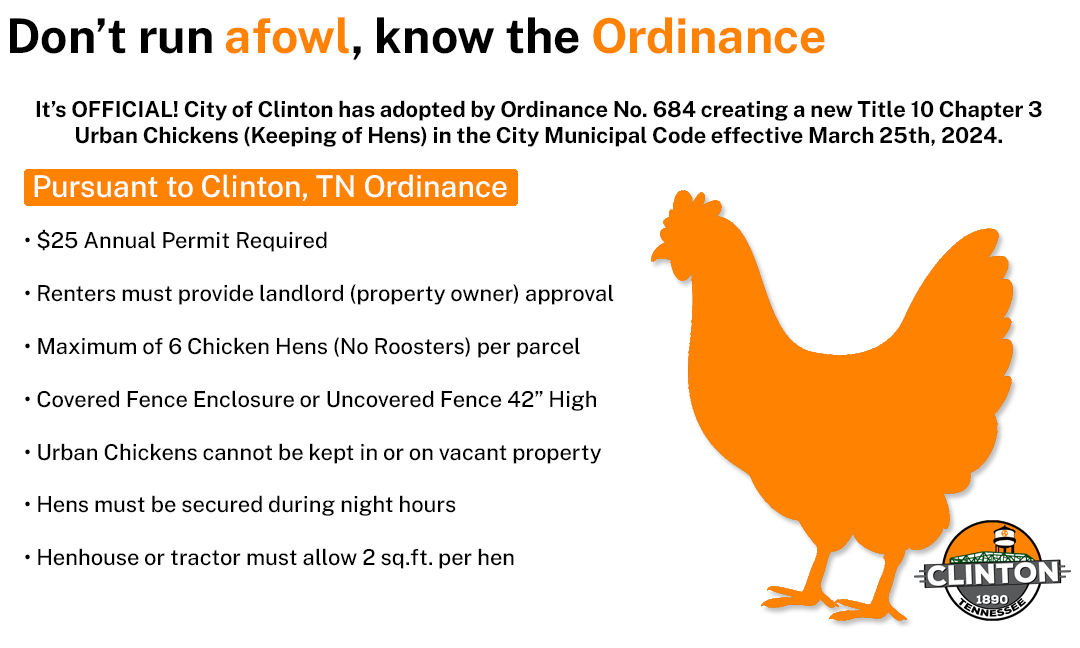
Florida's Evolving Chicken Laws
Florida's urban chicken laws are unique. There are no statewide regulations, meaning rules are determined entirely at the county and city level, creating a patchwork of ordinances. According to CityHubGo, as of March 20, 2026, this localized control remains in place.
Many Florida cities allow chickens with significant restrictions, including limits on hen numbers, coop setbacks from property lines, and prohibitions against roosters. The lack of a statewide standard means what's legal in one city might be prohibited in the next. Checking local ordinances before getting chickens is essential.
This trend of localized control is expected to continue in 2026, with a growing emphasis on coop construction standards. Demand for 'predator-proof coops' is increasing, leading many cities to incorporate this requirement into their ordinances. Protecting chickens from predators is a responsible practice that can prevent conflicts with neighbors concerned about roaming birds.
The CityHubGo guide highlights the importance of permits, covered later. Obtaining a permit can vary widely, from simple online applications to complex procedures involving site inspections. Cities are increasingly using online portals for permit applications, a welcome development for chicken keepers.
Some cities are beginning to address concerns about potential health risks associated with backyard chickens, such as salmonella. This could lead to stricter regulations regarding coop sanitation and biosecurity measures. Staying informed about these developments is crucial for responsible chicken keeping.
Permits: What You'll Likely Need
The permit process is often the biggest hurdle for new chicken keepers. Permit types vary by location. A general animal permit is often the first step, authorizing livestock within city limits. This can be a simple registration or involve a fee and site inspection.
Specific poultry permits are becoming more common, especially in areas with concerns about disease outbreaks. These permits may require information about flock size, coop design, and biosecurity practices. Building permits are almost always required for constructing a chicken coop, ensuring it meets local building codes and safety standards.
Depending on location, a noise permit might be needed, particularly in densely populated areas, to address potential complaints about rooster crowing. Some cities are considering permits related to waste disposal, requiring specific composting or manure management practices.
The application process typically involves submitting a detailed site plan, coop description, and flock information. Fees can range from a few dollars to several hundred, depending on the permit type and location. Processing times vary from a few days to several weeks. Some chicken keepers have experienced significant delays in permit approval.
Garvee.com suggests checking your local government website for specific permit requirements and application forms. Many cities offer online permit applications, saving time and effort. Contact your local animal control office or planning department with any questions.
Setbacks and Restrictions: Your Yard's Limits
Setback requirements dictate how far a chicken coop must be from property lines, dwellings, and neighboring structures, designed to minimize potential noise, odor, and visual impacts. Typical setbacks range from 10 to 25 feet but vary significantly by location. Checking local ordinances for specific setback requirements is crucial.
Restrictions on the number of chickens allowed are common. Many cities limit the total flock size to 3-6 hens. Roosters are often prohibited due to crowing. Some cities also restrict coop size and height, and may specify construction materials.
These rules vary strikingly. What's acceptable in one neighborhood might be prohibited in another. Even within the same city, different zoning districts may have different regulations. Doing research and understanding the specific rules that apply to your property is important.
Chicken keepers have been forced to remove coops for non-compliance with setback requirements. Others have been fined for exceeding flock size. Avoiding these problems requires careful planning and a thorough understanding of local ordinances. Always verify rules with local authorities.
Noise and Nuisance Ordinances
Noise and nuisance ordinances are often the source of conflict between chicken keepers and neighbors. Rooster crowing is a primary concern, but odor and sanitation can also be issues. Cities are increasingly adopting ordinances to address these concerns with varying strictness.
Some cities have specific noise limits for livestock, including chickens, typically measured in decibels and varying by time of day. Other cities rely on general nuisance ordinances, prohibiting activities that unreasonably disturb neighborhood peace.
To mitigate noise concerns, some chicken keepers opt for hens, which are quieter than roosters. Others use soundproofing materials in coops or position them strategically to minimize noise transmission. Maintaining a clean and sanitary coop is essential for preventing odor problems.
I've noticed a trend towards stricter regulations regarding coop cleaning schedules and waste disposal methods. Some cities require chicken keepers to compost manure properly or dispose of it through a designated waste management service. Others are imposing restrictions on the types of bedding materials that can be used in coops.
Cities that have successfully balanced chicken keeping with neighborhood peace often have clear and reasonable ordinances, combined with effective enforcement. They also prioritize education and outreach, helping chicken keepers understand their responsibilities and address potential concerns proactively.
HOA Rules: Another Layer of Complexity
Even if your city or county allows chickens, your Homeowners Association (HOA) can still prohibit them. HOA rules often supersede local ordinances, creating an additional layer of complexity for chicken keepers. Many HOAs have restrictions on livestock, pets, and other activities that could potentially impact property values or neighborhood aesthetics.
Dealing with an HOA can be challenging, but it’s not impossible. The key is to be proactive and present a well-researched plan that addresses the HOA’s concerns. This might include demonstrating how you’ll maintain a clean and sanitary coop, minimize noise and odor, and prevent your chickens from roaming onto neighboring properties.
It’s also helpful to gather support from other homeowners in your community. If you can demonstrate that there’s a significant level of interest in chicken keeping, the HOA might be more willing to consider a waiver or amendment to the rules. I've seen cases where chicken keepers have successfully petitioned their HOAs to allow chickens, but it often requires a significant amount of effort.
If your HOA rejects your request, you might have limited recourse. Some states have laws that restrict the ability of HOAs to prohibit certain activities, but these laws are often narrowly tailored and may not apply to chicken keeping. It’s important to consult with an attorney to understand your rights and options.
State-by-State Snapshot (2026 Outlook)
Beyond Florida, chicken laws vary dramatically across the United States. Garvee.com provides a useful overview of the regulations in each state, but it’s important to remember that these laws are constantly changing. California, for example, tends to have more restrictive laws than states like Maine or Vermont.
In some states, like North Carolina, counties and cities have broad authority to regulate backyard chickens. In others, like Texas, the state legislature has taken a more hands-off approach, leaving it largely up to local governments to decide. This creates a highly fragmented regulatory landscape.
States with large urban populations, such as New York and Illinois, often have stricter regulations than states with more rural populations. This is likely due to concerns about population density, noise, and sanitation. I've noticed a growing trend towards allowing chickens in urban areas, but often with significant restrictions.
A few states, like Rhode Island, have been actively promoting urban agriculture, including backyard chicken keeping. These states often offer incentives and resources to help residents raise their own chickens. However, even in these states, there are still regulations that must be followed.
Generally, the trend is towards increased regulation, as more and more people embrace urban chicken keeping. It is vital to check local laws. Always confirm the current rules with your local authorities before getting chickens.
Urban Chicken Farming Regulations: A State-by-State Comparison (2026)
| State | Permit Required? | Rooster Restrictions | Coop Restrictions | HOA Override Possible? | Overall Difficulty |
|---|---|---|---|---|---|
| Florida | Potentially, by County | Generally Restricted | Specific setbacks and size limits may apply, varying by county | Limited, depends on county and HOA rules | Moderate |
| California | Often Required, varies by city | Generally Restricted | Coop size and location restrictions common | Possible with demonstrated compliance | Moderate to Difficult |
| Texas | Not Generally Required | Often Restricted | Few statewide restrictions, but local ordinances apply | Generally Allowed | Easy to Moderate |
| New York | Often Required, varies by municipality | Generally Restricted | Coop size and setback requirements common | Limited, depends on local laws | Moderate |
| Illinois | Varies by Municipality | Often Restricted | Coop size and distance from property lines are common restrictions | Possible with petition and approval | Moderate |
| Oregon | Varies by City | Often Restricted | Coop size and distance from dwellings are common | Sometimes, depending on local ordinances | Moderate |
| Georgia | Not Generally Required | Often Restricted | Local ordinances may apply regarding coop placement | Generally Allowed | Easy to Moderate |
Illustrative comparison based on the article research brief. Verify current pricing, limits, and product details in the official docs before relying on it.
Resources and Where to Find Help
Navigating the world of urban chicken farming laws can be daunting, but you don’t have to do it alone. There are a wealth of resources available to help you understand your rights and responsibilities. Garvee.com is an excellent starting point for researching the laws in your state. CityHubGo provides detailed information about Florida regulations.
Local poultry clubs and agricultural extension offices can also be valuable sources of information and support. These organizations often offer workshops and educational programs on chicken keeping. Your local animal control office and planning department are also good resources for obtaining permit applications and ordinance information.
Online forums and social media groups dedicated to backyard chickens can provide a supportive community where you can ask questions and share experiences. Just be sure to verify the accuracy of any information you receive from these sources.
And of course, Expert Chicken is here to help. We offer a comprehensive library of articles, guides, and resources on all aspects of chicken keeping, including legal regulations. We're committed to empowering chicken keepers with the knowledge and tools they need to succeed.
- Garvee.com:
- CityHubGo:
- Local Poultry Clubs: Search online for clubs in your area.
- Agricultural Extension Offices: Contact your local extension office.
- Expert Chicken: Visit our website for articles and guides.
State & Local Resources
- California - Many cities within California have their own ordinances. Check with your local city hall for specific regulations regarding flock size, coop setbacks, and rooster restrictions. The California Department of Food and Agriculture provides general poultry information.
- Portland, Oregon - Portland allows backyard chickens with specific requirements, including coop size, location, and a limit on the number of hens. A permit is required; information and the application are available through the City of Portland’s Bureau of Development Services.
- Seattle, Washington - Seattle permits backyard chickens, but with rules about coop construction, distance from property lines, and waste management. The Seattle Municipal Code outlines these regulations. Contact Seattle Animal Shelter for details.
- Denver, Colorado - Denver allows up to three hens, but roosters are prohibited. Coop requirements and permit information can be found on the Denver Department of Public Health & Environment website.
- Austin, Texas - Austin allows hens, but has restrictions on coop placement and size. The City of Austin’s Animal Services department provides information on chicken keeping regulations and required permits.
- New York City, New York - While previously prohibited, NYC now allows backyard chickens in some boroughs. Regulations regarding coop standards and permit acquisition are managed by the Department of Health and Mental Hygiene.
- Local Poultry Clubs - Many states have local poultry clubs or associations that can provide information on regulations and best practices for raising chickens. Search online for “[Your State] Poultry Association” to find local resources.
No comments yet. Be the first to share your thoughts!