
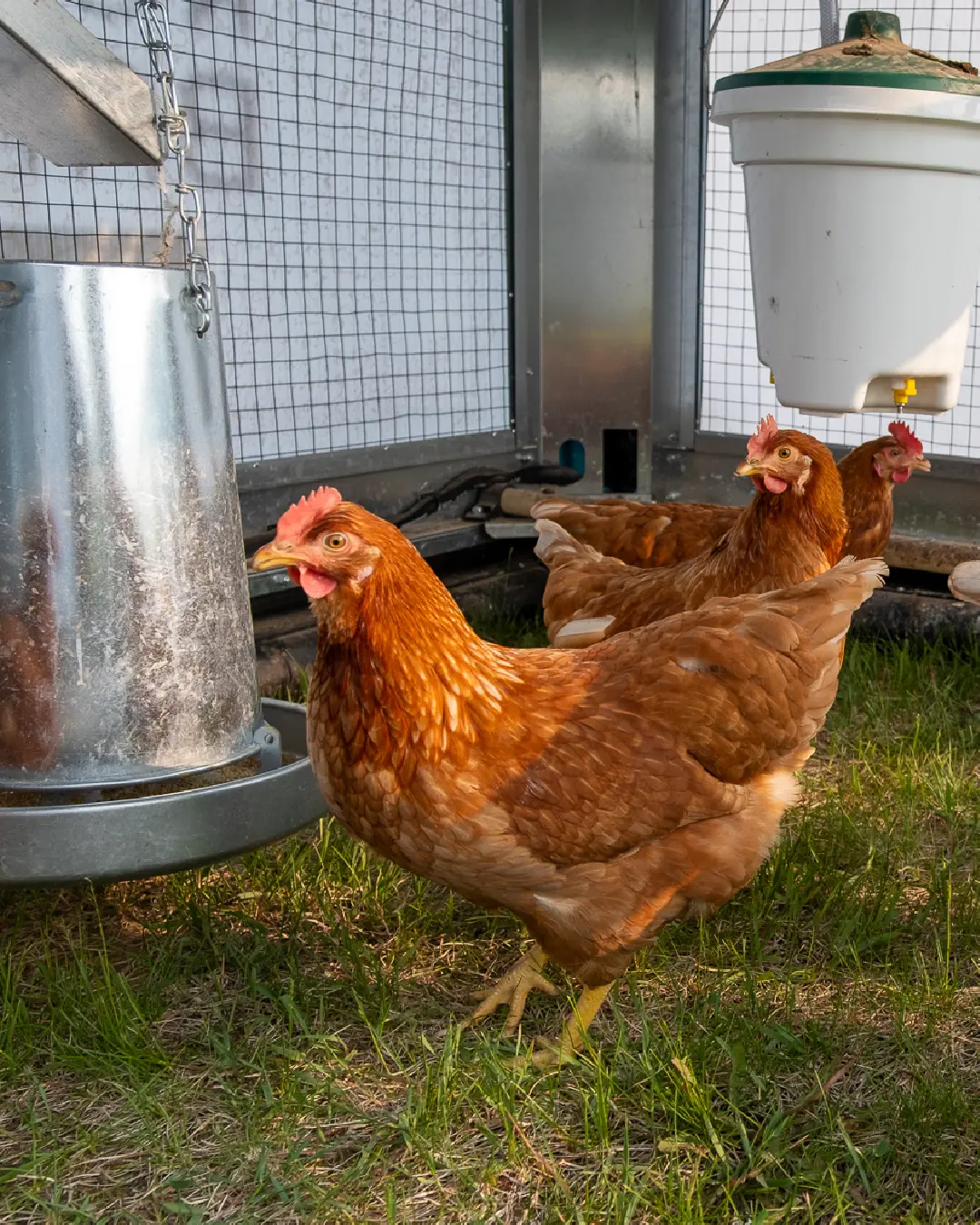

Bantam Chickens: A City Dweller's Dream
The idea of keeping chickens in an apartment might sound outlandish, but it's becoming increasingly popular. It's a trend fueled by a desire for fresh eggs, a connection to nature, and a bit of self-sufficiency, even in the most urban settings. And 2026 appears to be a pivotal year for this movement, with more cities re-evaluating their poultry ordinances. I've noticed a real shift in attitudes, a willingness to consider chickens as pets rather than just livestock.
The key to successful urban chicken keeping isn’t keeping any chicken, it’s keeping the right chicken. That’s where bantam breeds come in. Bantams are miniature versions of standard chicken breeds, typically one-third to one-half the size. This smaller stature makes them far more manageable in limited spaces. They require less room, eat less food, and generally produce smaller, though still delicious, eggs.
There’s a lot of misinformation out there about chickens being messy, loud, and smelly. While standard breeds can certainly live up to those stereotypes, bantams are often surprisingly clean and quiet. Of course, proper care is essential – a well-maintained coop and a consistent cleaning schedule will go a long way. But the notion that chickens are inherently incompatible with apartment living is simply untrue. It's about choosing the right breed and committing to responsible husbandry.
The growing interest isn't just anecdotal. A Facebook group dedicated to 2026 chicken keeping is seeing a surge in members, with people sharing tips and resources. It's clear that a lot of folks are seriously exploring this option. And with more states beginning to consider changes to their backyard poultry laws, as noted by Garvee.com, the legal landscape is becoming more favorable for urban chicken keepers.
2026 City Chicken Laws: A State-by-State Snapshot
Navigating city chicken laws can be tricky, as regulations vary widely from place to place. As of late 2025, heading into 2026, the legal situation is a patchwork of restrictions and allowances. Garvee.com provides a good overview of backyard chicken laws by state, but it's always best to check with your local city or county government for the most up-to-date information. Don't rely solely on online resources.
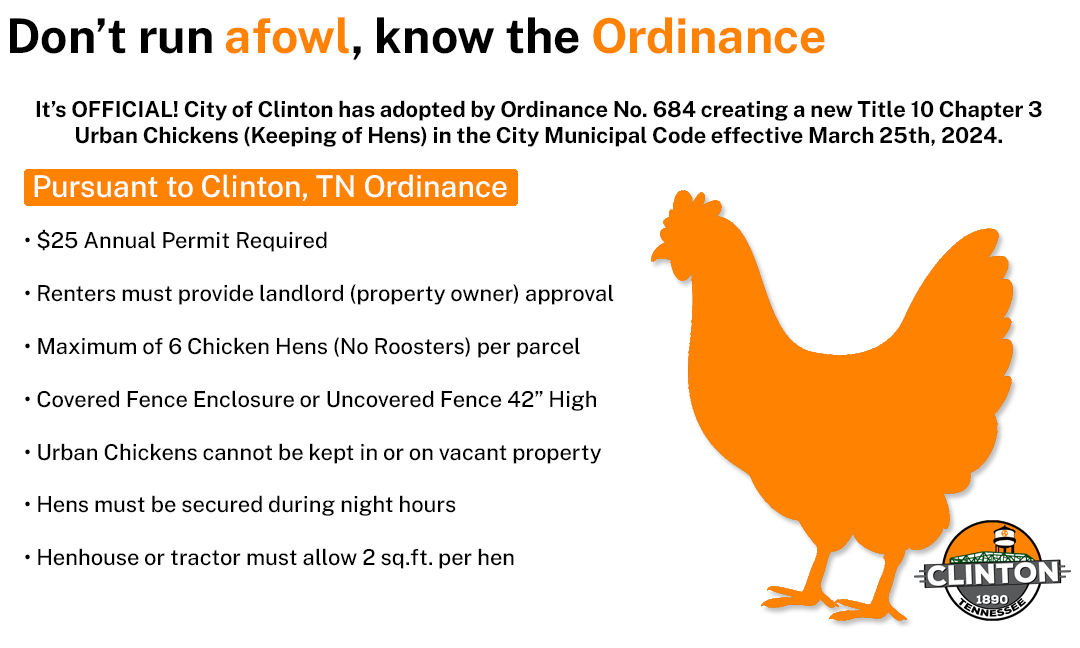
Many cities still prohibit keeping chickens altogether, or limit it to single-family homes with large yards. Others have restrictions on the number of birds allowed – often three to six hens, with roosters generally banned due to noise complaints. Space requirements are another common concern, with some ordinances specifying minimum coop and run sizes. Facebook groups are full of people discussing the challenges of navigating these regulations.
However, there's a growing trend toward liberalization. Several cities are easing restrictions on chicken keeping, recognizing the benefits of local food production and the growing demand from residents. Some municipalities are even offering incentives for residents to raise chickens. It’s a slow process, but the momentum is building. I’ve seen several communities in the Pacific Northwest, for example, significantly loosen their rules in the past year.
Homeowners Associations (HOAs) can also present a hurdle. Even if your city allows chickens, your HOA may have rules prohibiting them. It's crucial to review your HOA covenants before bringing any chickens home. Be prepared to present a well-reasoned case to your HOA, emphasizing responsible chicken keeping practices and addressing any potential concerns about noise, odor, or pests. A proactive approach can often prevent disputes.
- Number of Birds: Many cities limit the number of hens allowed (typically 3-6).
- Rooster Bans: Roosters are almost universally prohibited due to noise.
- Coop Requirements: Ordinances often specify minimum coop size, construction materials, and setback distances from property lines.
- HOA Rules: Check your HOA covenants for any restrictions on poultry.
Choosing Your Bantam Breed: Personality & Space
Once you've confirmed that chicken keeping is legal in your area, it’s time to choose a breed. Not all bantams are created equal. Some are more docile and quiet than others, making them better suited for apartment life. Consider your lifestyle and preferences when making your decision. Do you want a breed that's friendly and cuddly, or one that's more independent?
Silkie Bantams are a popular choice for beginners. They’re known for their fluffy plumage and gentle temperament. However, they require a lot of grooming to prevent their feathers from becoming matted. Dutch Bantams are another good option, being relatively small and active. Cochins are larger bantams, but they’re incredibly docile and make excellent pets. Sebrights are known for their beautiful laced plumage, but they can be a bit shy.
Egg-laying frequency also varies by breed. Silkies lay relatively few eggs, while Dutch Bantams are more productive. Don’t expect a huge egg yield from bantams – their eggs are smaller than those of standard breeds. But the freshness and flavor more than make up for the smaller size, in my opinion. It’s about quality over quantity.
It’s important to be realistic about the downsides of each breed. Some bantams are noisier than others, and all chickens require daily care. I’ve found that researching breeders and talking to experienced chicken keepers can provide valuable insights. Instagram is a great place to find photos and videos of different breeds, and to connect with other enthusiasts.
- Silkie Bantam: Gentle, fluffy, requires grooming, low egg production.
- Dutch Bantam: Small, active, moderate egg production.
- Cochin Bantam: Docile, larger bantam, good pet.
- Sebright Bantam: Beautiful plumage, shy temperament.
Bantam Breed Comparison
- Dutch Bantam - Smallest of the true bantams, requiring approximately 2 sq ft per bird. Known for their calm temperament. Egg Laying: Low. Grooming Needs: Low. Best For: Beginners.
- Silkies - Approximately 3-4 sq ft per bird. Exceptionally docile and fluffy, making them good apartment companions. Temperament: Quiet. Egg Laying: Low. Grooming Needs: High (regular fluffing to prevent matting). Best For: Beginners, families.
- Cochin Bantam - Requires 4-5 sq ft per bird due to their substantial feathering. Very gentle and friendly. Temperament: Quiet. Egg Laying: Low. Grooming Needs: Medium. Best For: Experienced Keepers (due to space and grooming).
- Japanese Bantam - 3-4 sq ft per bird. Active and alert, with a distinctive upright stance. Temperament: Moderate. Egg Laying: Medium. Grooming Needs: Low. Best For: Experienced Keepers (can be flighty).
- Rosecomb Bantam - 4 sq ft per bird. A classic show breed, known for its rose comb. Temperament: Moderate. Egg Laying: Medium. Grooming Needs: Low. Best For: Experienced Keepers (can be broody).
- Sebright Bantam - 3-4 sq ft per bird. Beautifully laced plumage, requiring minimal maintenance. Temperament: Quiet. Egg Laying: Low. Grooming Needs: Low. Best For: Beginners.
- Old English Game Bantam - 4-5 sq ft per bird. Historically a game bird, modern lines are generally calmer. Temperament: Moderate to Active. Egg Laying: Medium. Grooming Needs: Low. Best For: Experienced Keepers.
Indoor Coop Design: Comfort and Containment
Designing an indoor coop requires careful consideration of space, ventilation, and cleanliness. Bantams don’t need a huge amount of room, but they do need enough space to move around comfortably. A good rule of thumb is at least 2-3 square feet per bird, but more is always better. I've found that providing extra space reduces stress and prevents pecking.
Ventilation is crucial for maintaining good air quality and preventing ammonia buildup. A small fan can help circulate air, but avoid drafts. Lighting is also important, especially during the winter months. Chickens need at least 14 hours of light per day to lay eggs consistently. A simple timer can automate this process. I use a full-spectrum LED grow light, which provides both light and warmth.
Bedding materials should be absorbent and easy to clean. Rice hulls, wood shavings, and straw are all good options. Avoid cedar shavings, as they can be harmful to chickens. The coop should be cleaned regularly – at least once a week – to prevent odor and disease. A well-maintained coop is essential for happy and healthy chickens.
Predator-proofing is also important, even indoors. Cats, dogs, and even rodents can pose a threat to chickens. Secure the coop with a sturdy wire mesh and ensure that there are no gaps or openings. I’ve learned the hard way that even a small opening can be exploited by a determined predator. My first coop had a gap under the door – a lesson I won't soon forget.
Feeding & Enrichment: Happy Chickens, Happy Neighbors
Bantams require a balanced diet formulated specifically for chickens. Commercial chicken feed is readily available at most farm supply stores. Choose a feed that’s appropriate for their age and stage of life – starter feed for chicks, grower feed for juveniles, and layer feed for laying hens. Supplementing their diet with treats like mealworms, fruits, and vegetables can provide extra nutrients and enrichment.
Odor control is a key concern for apartment chicken keepers. A well-managed coop and a consistent cleaning schedule will minimize odor. Adding a layer of diatomaceous earth to the bedding can also help absorb moisture and reduce smells. Proper waste management is also essential. Composting chicken manure is a great way to recycle nutrients and reduce waste.
Chickens need mental stimulation to prevent boredom and destructive behaviors. Provide them with enrichment activities such as dust baths, foraging toys, and social interaction. A dust bath is simply a shallow container filled with sand or dirt, where chickens can preen and clean their feathers. Foraging toys can be made from simple materials like cardboard boxes and toilet paper rolls.
Addressing potential pest issues is also important. Chickens can attract flies and other insects, especially if the coop isn’t cleaned regularly. Keeping the coop clean and dry is the best way to prevent pest problems. If you do encounter pests, there are several organic pest control options available. A Facebook group dedicated to 2026 chicken keeping had a great discussion about natural pest control methods.
Health & Hygiene: Preventing Problems
Bantam chickens are generally hardy birds, but they’re still susceptible to certain health problems. Common issues include mites, lice, bumblefoot, and respiratory infections. Regular coop cleaning and biosecurity measures can help prevent these problems. I always disinfect the coop and equipment before introducing new birds.
Mites and lice are external parasites that can cause irritation and feather loss. Bumblefoot is a bacterial infection of the foot that can cause lameness. Respiratory infections can be caused by bacteria, viruses, or fungi. Recognizing the signs of illness early is crucial for successful treatment. Look for changes in behavior, appetite, or droppings.
Finding a vet who treats chickens in urban areas can be challenging. Not all veterinarians are experienced with poultry. It’s important to find a vet who is knowledgeable about chicken health and is willing to make house calls if necessary. I recommend asking local chicken keepers for recommendations. A local poultry club can also be a valuable resource.
I want to emphasize that I am not a veterinarian. This information is for general guidance only and should not be substituted for professional veterinary advice. If you suspect your chicken is sick, consult a veterinarian immediately. Early diagnosis and treatment are essential for a full recovery.
Finding Bantams Locally: Breeders & Rescues
There are several ways to find bantam chickens. Reputable breeders are a good option, as they typically prioritize the health and welfare of their birds. Local poultry clubs can also connect you with breeders in your area. Animal rescues often have chickens available for adoption, providing a second chance for birds in need.
When buying from a breeder, be sure to ask about the bird’s health history and temperament. Visit the breeder’s farm to inspect the birds and their living conditions. Avoid breeders who appear to be overcrowded or unsanitary. I’ve had good experiences with breeders who are passionate about their birds and willing to answer all of my questions.
Adopting a rescue chicken can be a rewarding experience. Rescue chickens may have special needs, but they’re often incredibly grateful for a loving home. Be prepared to provide extra care and attention to a rescue chicken. A local animal rescue can provide guidance and support.
I advise caution when buying chickens online. While there are reputable online breeders, there are also many scams and unscrupulous sellers. Do your research carefully and only buy from sellers with a proven track record. Consider the ethical implications of shipping live animals.
Troubleshooting: Common Apartment Chicken Issues
Keeping chickens in an apartment isn’t always easy. You may encounter challenges such as noise complaints, odor control failures, coop cleaning difficulties, and neighbor disputes. Being prepared to address these issues proactively is essential for maintaining good relationships with your neighbors.
Noise complaints are a common concern. Roosters are obviously the biggest culprits, but even hens can be noisy at times. Choosing a quieter breed and providing them with plenty of enrichment can help minimize noise. I've found that providing a designated dust bathing area helps keep them occupied and less likely to vocalize.
Odor control failures can be a major source of conflict with neighbors. Regular coop cleaning, proper ventilation, and the use of odor-absorbing materials can help prevent odors. Be responsive to any complaints from neighbors and take steps to address the issue promptly. I once had to completely revamp my coop ventilation system after a neighbor complained about a smell.
Ultimately, successful apartment chicken keeping requires communication, compromise, and a commitment to responsible husbandry. It’s about being a good neighbor and demonstrating that chickens can be compatible with urban living. It’s not always easy, but the rewards – fresh eggs, a connection to nature, and a unique pet – are well worth the effort.
No comments yet. Be the first to share your thoughts!