

Backyard Chickens: A Growing Trend
Keeping chickens in urban areas isn’t a new idea, but it's experiencing a significant resurgence. For generations, people raised chickens in cities and towns to supplement their food supply. The recent interest, though, feels different—it’s less about necessity and more about a desire for a closer connection to food sources, a commitment to sustainability, and honestly, the appeal of fresh eggs.
The benefits are pretty clear. Fresh eggs are a major draw, and many people find the eggs from their own chickens to be far superior in taste and quality to those purchased in stores. But it goes beyond that. Chickens are excellent pest control, happily gobbling up insects and garden scraps. They can even provide companionship, exhibiting surprisingly distinct personalities.
This push for locally sourced food is a big driver. People are questioning where their food comes from and how it's produced. Raising chickens offers a degree of control and transparency that’s hard to find elsewhere. The movement is gaining momentum, and as more cities and towns reconsider their regulations, it’s becoming increasingly accessible for people to experience the joys of backyard chicken keeping.
I’ve noticed a real shift in the conversation around urban chickens. What was once considered a quirky hobby is now being seen as a legitimate way to promote self-sufficiency and sustainable living. It’s a trend I expect to continue as more people seek ways to reduce their environmental impact and connect with the natural world.
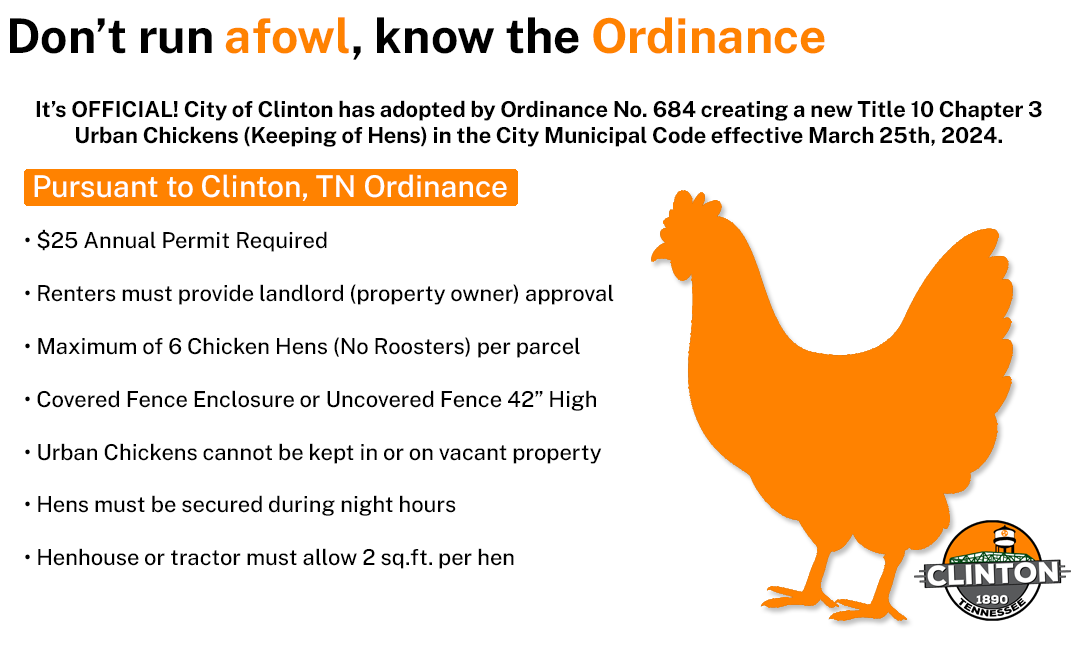
NYC: A Case Study in Restrictions
New York City has some of the strictest rules for urban chicken keepers. While not completely banned, raising chickens here involves complex regulations. The Mayor’s Office of Urban Agriculture offers guidance, but the process is not straightforward. According to nyc.gov's FAQ on Urban Agriculture, livestock is permitted under specific conditions.
Coop size is strictly regulated, with specific requirements for dimensions and construction. Roosters are banned due to noise concerns. An urban agriculture permit is mandatory, requiring details on your setup, waste management, and animal care commitment. The application process involves paperwork and potential inspections.
Sanitation rules are stringent. Proper manure management is required to prevent odors and avoid attracting pests or creating health hazards. Non-compliance can lead to fines and the removal of chickens.
The permit process requires demonstrating knowledge of chicken care, disease prevention, and responsible husbandry to ensure a safe environment for the flock. Penalties for non-compliance, as per nyc.gov, include fines starting at $250, increasing for repeat offenses. Check the 311 website for current information.
Texas: Wide Open (Chicken) Spaces
Texas presents a different approach compared to New York City. Regulations are primarily set by local city and county ordinances, not statewide laws, leading to significant variation across the state. The Texas State Law Library offers guidance on backyard animal rules, reflecting this decentralized system.
Texas lacks a statewide rooster ban, though many cities prohibit them due to noise. While there's no state limit on flock size, local jurisdictions often impose restrictions. Always check local ordinances before getting chickens.
Common local restrictions include setback requirements, specifying the distance coops must be from property lines or neighboring structures. Ordinances may also cover coop size, materials, and sanitation, focusing on responsible husbandry and neighborly relations.
The guides.sll.texas.gov website stresses the need to research local regulations, as rules vary significantly between Texas cities. Understanding and complying with local rules is essential due to the lack of statewide uniformity.
State-by-State Snapshot: 2026 Regulations
Compiling a complete list of state regulations is extensive, and laws change frequently. This snapshot covers early 2026 regulations for states with large populations or notable approaches, offering a starting point for research.
California: Generally allows chickens in most cities, but roosters are often prohibited. Limits on the number of chickens vary by city, ranging from 3 to 8. Permits may be required, especially for larger flocks. Coop requirements typically involve setbacks and predator-proofing.
Florida: Regulations are largely local. Many cities allow chickens, but with restrictions on coop size and location. Roosters are frequently banned. Permits are sometimes required, particularly in homeowner-governed communities.
Illinois: Allows chickens in many municipalities, but restrictions on roosters and flock size are common. Some cities require permits and inspections. Check local ordinances carefully.
Pennsylvania: Similar to Illinois, regulations are primarily local. Many towns permit chickens, but with limitations on flock size and coop placement. Roosters are often restricted.
Ohio: State law allows for backyard chickens. However, local ordinances may impose additional restrictions, such as limits on the number of birds or coop setbacks. Roosters are commonly prohibited.
Georgia: Regulations vary significantly by city and county. Some areas are very permissive, while others have strict prohibitions. Research your local ordinances before getting chickens.
North Carolina: Allows chickens in many areas, but local ordinances may regulate flock size, coop location, and rooster ownership. Permits may be required.
Michigan: Allows chickens in most municipalities, but restrictions on roosters and flock size are common. Some cities require permits and inspections.
Arizona: Regulations are primarily local. Many cities permit chickens, but with limitations on flock size and coop placement. Roosters are often restricted.
Washington: Allows chickens in many cities, but regulations regarding flock size, coop setbacks, and rooster ownership vary widely. Check local ordinances.
- Remember: This is a general overview. Always verify the regulations in your specific city or town before acquiring chickens.
Urban Chicken Farming Laws 2026: State-by-State Overview
| State | Chickens Allowed | Roosters Allowed | Permit Required | Max Number of Chickens | Key Restrictions |
|---|---|---|---|---|---|
| New York | Yes | No | No | Limited to hens only; specific numbers vary by borough. | NYC allows beekeeping and urban agriculture, including hens, but regulations differ by borough. Roosters are prohibited due to noise concerns. |
| Texas | Yes | Yes, with restrictions | Sometimes | Varies by city/county | Texas state law does not prohibit keeping chickens, but local ordinances often do. Some cities permit roosters with stipulations regarding distance from dwellings. |
| California | Yes, generally | No, in many cities | Often | Varies significantly by city/county | California has a growing movement towards urban farming, but local laws are key. Many cities prohibit roosters and have limits on flock size. |
| Florida | Yes, generally | Yes, with restrictions | Sometimes | Varies by city/county | Florida allows chickens in many areas, but local ordinances can restrict the number of birds and prohibit roosters. HOA rules may also apply. |
| Illinois | Yes, generally | No, in many municipalities | Sometimes | Typically 3-6 hens | Many Illinois cities are updating ordinances to allow backyard chickens, often with restrictions on roosters and coop placement. |
| Oregon | Yes, generally | Yes, with restrictions | Sometimes | Varies by city/county | Oregon is generally supportive of urban agriculture, but local regulations dictate specifics, including potential rooster restrictions and coop requirements. |
Illustrative comparison based on the article research brief. Verify current pricing, limits, and product details in the official docs before relying on it.
Permits and HOA Rules: Navigating the Red Tape
Permit applications usually require details on coop plans, flock size, and waste management, along with proof of knowledge in chicken care and disease prevention. Inadequate plans, proximity to neighbors, or sanitation concerns can lead to denial.
Homeowners Associations (HOAs) can add complexity, as their rules may be more restrictive than city or state laws. Even if chickens are allowed by the city, an HOA might prohibit them. Review your HOA covenants and restrictions before acquiring chickens.
If your HOA prohibits chickens, petition the board with a well-reasoned argument that highlights benefits and addresses concerns. Be prepared to compromise and offer solutions. Respecting the HOA's concerns is important.
Neighbor complaints can occur. Proactive communication is advised: discuss your plans with neighbors beforehand and address their concerns. A clean, well-managed coop minimizes odors and pests, reducing complaint likelihood.
Coop Construction & Regulations
Coop regulations aim to ensure chicken health and safety and minimize neighbor conflicts. Coops generally need adequate space, typically 4 square feet per bird inside and 8-10 square feet per bird in the outdoor run.
Setback distances from property lines are common, typically ranging from 10-25 feet, though specifics vary by locality. Some cities also regulate construction materials, requiring durable, weather-resistant options.
Predator-proofing is essential, requiring secure fencing, sturdy walls, and covered runs to protect chickens from predators like raccoons, foxes, and hawks. Proper sanitation and waste disposal, including regular cleaning and manure management, are also critical to minimize odors and pests.
Zoning restrictions can affect coop placement, with some cities prohibiting coops in front yards or requiring them to be a specific distance from dwellings. Always check local zoning regulations before building.
Common Violations & Penalties
Common violations include exceeding flock size limits, owning prohibited breeds (like roosters where banned), failing to get permits, and maintaining unsanitary coops. Ignoring neighbor complaints can also result in violations.
Penalties range from warnings and fines to the forced removal of chickens. Fines vary based on violation severity and local regulations, with repeat offenses often incurring higher penalties.
If you receive a violation notice, review it carefully to understand the alleged violation. You generally have the right to appeal; follow the instructions on the notice and provide supporting evidence.
undefined violations. Regularly inspect your coop, maintain proper sanitation, and be mindful of your neighbors. A little preventative effort can save you a lot of trouble.
Future Trends: What to Expect
I anticipate that the trend of urban chicken keeping will continue to grow in the coming years. As more people become interested in locally sourced food and sustainable living, the demand for backyard chickens will likely increase. This could lead to more cities and towns reconsidering their regulations, potentially becoming more permissive.
However, I don’t necessarily expect to see complete standardization of regulations. Local conditions and community preferences will continue to play a significant role. Some cities may remain highly restrictive, while others may embrace urban chicken keeping more fully. The influence of HOAs will also continue to be a factor.
The local food movement and the growing awareness of the environmental impact of industrial agriculture are likely to drive further changes. Concerns about food security and the desire for greater self-sufficiency will also contribute to the trend. We may even see increased interest in urban beekeeping and other forms of small-scale food production.
Climate change could also play a role. As extreme weather events become more frequent, people may seek ways to increase their resilience and reduce their reliance on long-distance food supply chains. Backyard chickens could become an increasingly important part of that strategy.
No comments yet. Be the first to share your thoughts!