

Meet the Polish chicken breed
Polish chickens are a European breed of crested chicken, though their exact origins are lost to history. Similar birds appear in seventeenth-century images from Italy and the Netherlands, suggesting they were already established in Europe by then. The breed likely developed from crosses between Asian crested breeds and local European fowl.
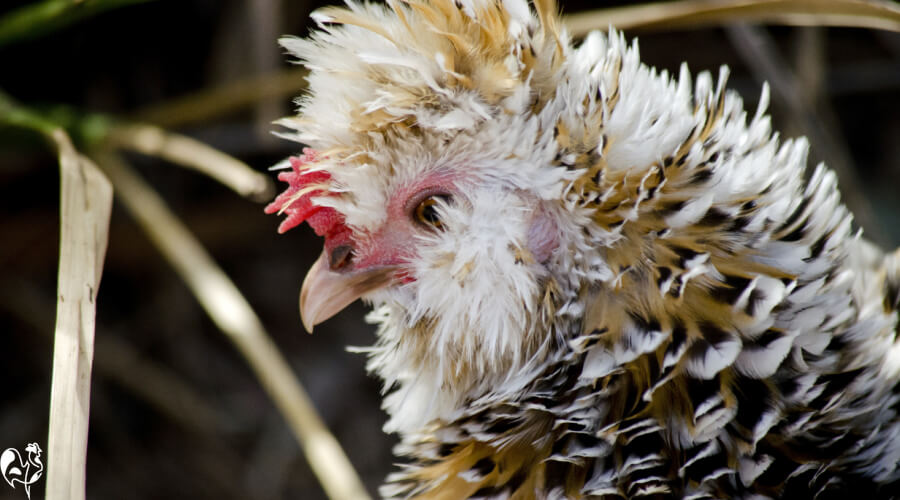
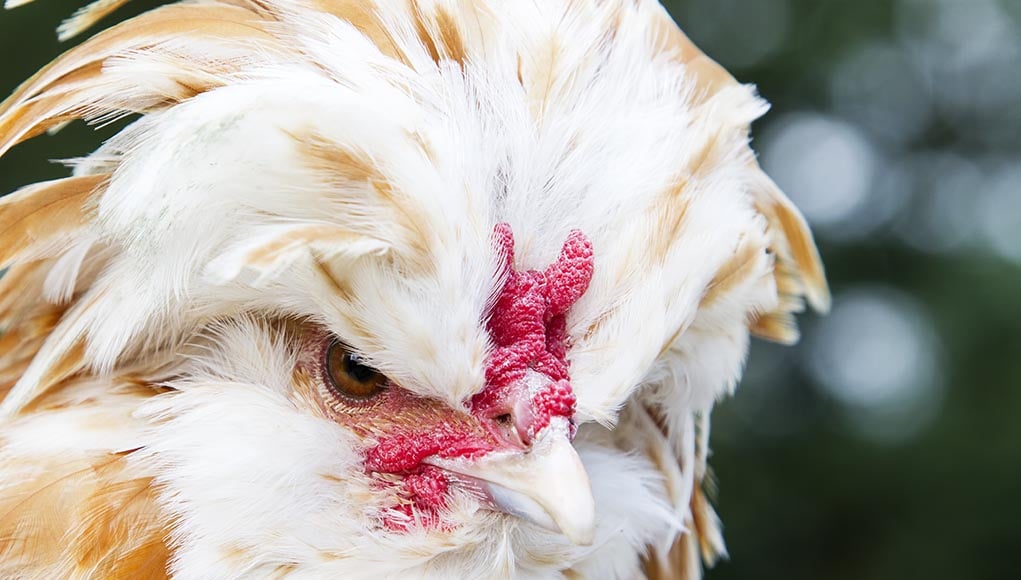
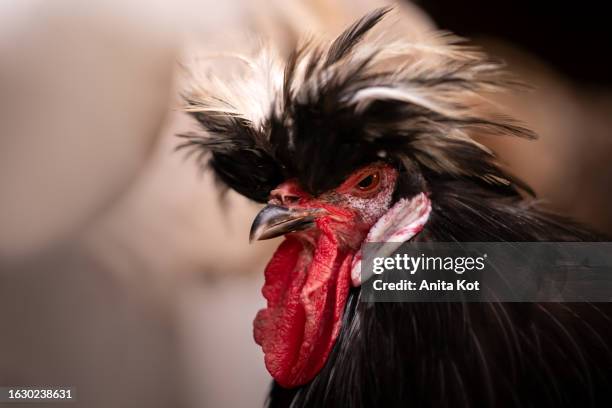
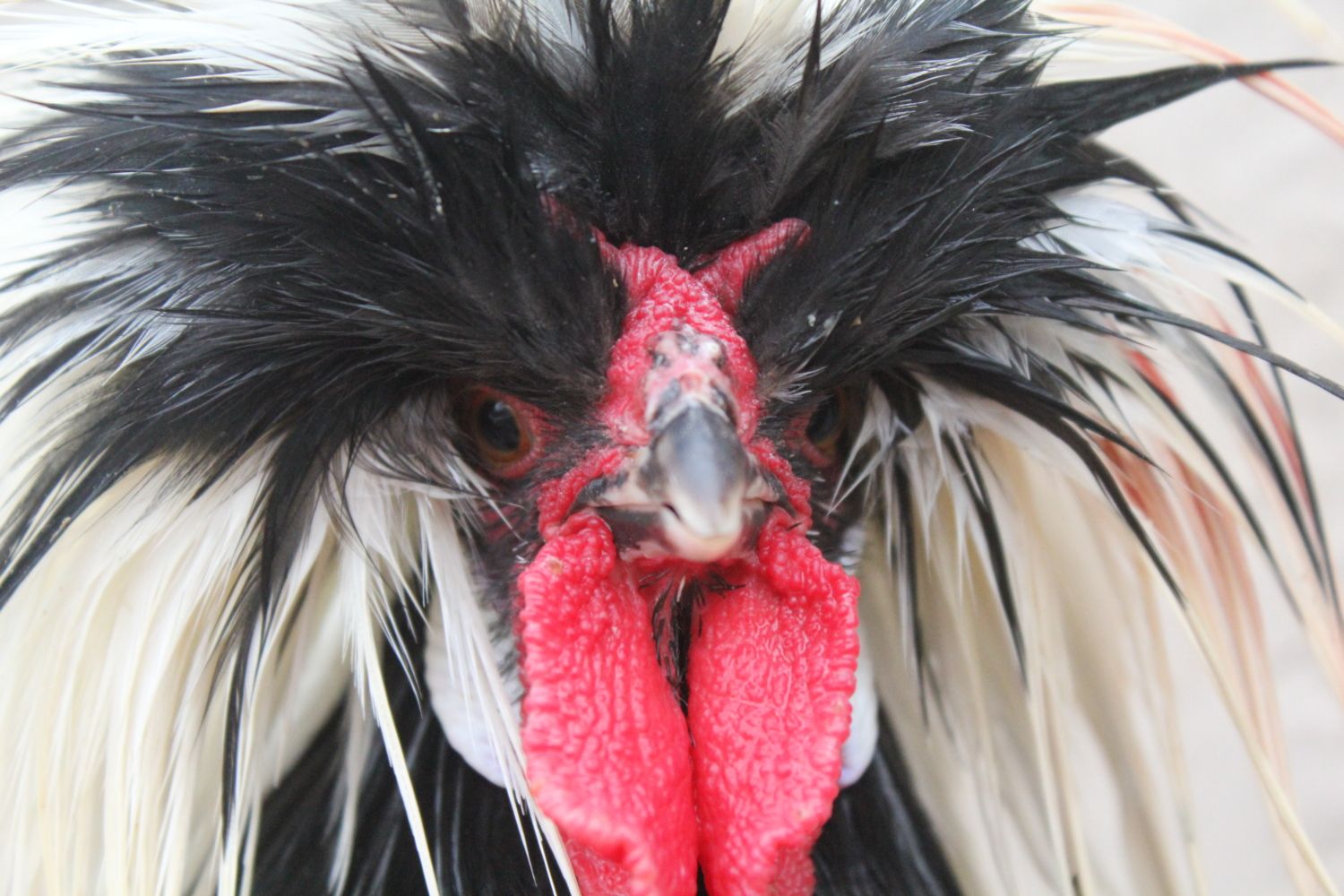
The name comes from the resemblance between their large, fan-shaped crests and the feathered caps worn by the Polish army. This distinctive headgear is the result of a genetic mutation that affects feather follicle placement, causing feathers to grow upward in a tight cluster rather than lying flat against the head.
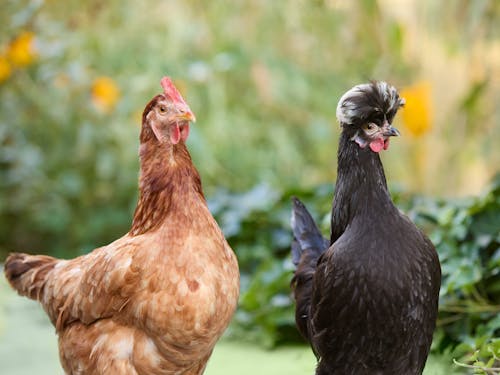
Their popularity in backyard flocks stems from their ornamental value. They are calm, curious, and relatively easy to handle, making them excellent for families and hobbyists. While they are not the most productive layers compared to utility breeds, their unique appearance and gentle temperament make them a favorite for small-scale homesteads and urban coops.
Set up the coop for crested birds
Polish chickens face a unique challenge in the coop: their massive head feathers severely restrict their peripheral and forward vision. A standard coop setup designed for sighted birds often becomes a hazard for crested flocks, leading to pecking injuries, stress, and an inability to navigate safely. Preparing their housing requires adjusting the environment to compensate for these physical limitations.
Start by modifying the roosting area. Polish chickens are heavy birds with large crests, making them clumsy on narrow perches. Install wider, flat-roofed roosting bars (at least two inches wide) to provide stability. Position these bars lower than you would for other breeds, ideally no more than 18 inches from the ground, to reduce the impact of accidental falls. Ensure there is ample space between roosts so birds can hop on and off without bumping into neighbors.
Next, address the feeding and watering stations. Because Polish chickens often cannot see their food clearly, standard elevated feeders can be frustrating. Place feeders and waterers on the ground or on low, stable platforms. Use wide, shallow dishes rather than deep containers to make it easier for them to access water and grain without diving their heads in, which can cause their crests to become matted or dirty.
Finally, create visual barriers and clear pathways. The limited visibility of Polish chickens makes them prone to bullying by flock mates with better sight. Install solid partitions or tall plants within the run to break the line of sight between aggressive birds and vulnerable crested ones. Keep the floor of the coop and run clear of clutter, wires, and uneven surfaces. A smooth, predictable path allows them to move confidently without tripping or colliding with objects they cannot see.
Replace narrow round poles with flat, two-inch-wide roosting bars. Position them at least 18 inches off the ground to minimize fall risks for these clumsy, heavy birds.
Place feed and water on the ground or on low, stable platforms. Use wide, shallow dishes to prevent their crests from getting wet or tangled while they eat.
Install solid partitions or tall plants in the run to break the line of sight. This protects vulnerable crested birds from bullying by flock mates who can see them clearly.
Remove clutter, wires, and uneven surfaces from the coop and run. A smooth, predictable path helps them navigate safely without tripping or colliding with objects they cannot see.
Manage their unique crest care
The crest is the defining feature of Polish chickens, but it also requires the most hands-on maintenance. Without regular attention, the feathers can trap moisture, hide debris, and become a hiding place for pests. Treat crest care as a daily habit rather than an occasional chore.
Daily visual checks
Start your morning routine by inspecting each bird’s head. Look closely at the base of the crest where feathers meet the skin. This area is prone to collecting dust, poop splatter, and moisture from drinking or rain. If you see clumps or dirt, gently pick them out with your fingers or a fine-toothed comb. Do not pull hard; the skin here is sensitive.
Check for signs of mites or lice, which love the dense, protected environment of a crest. Part the feathers carefully and look for tiny moving specks or white eggs attached to the feather shafts. Early detection makes treatment much easier and less stressful for the bird.
Weekly grooming and trimming
Once a week, perform a more thorough grooming session. Polish chickens grow their crest feathers continuously, and they can eventually obstruct the bird’s vision or become matted with burrs. Use blunt-tipped scissors to carefully trim any overly long or tangled feathers. Trim small amounts at a time to avoid cutting the skin or causing the bird pain.
If the crest is particularly dense, consider tying it up with a soft rubber band or a specialized chicken crest tie during feeding time. This keeps the feathers out of the feed and water, preventing contamination and reducing the risk of mold or bacterial growth in the damp feathers.
Keeping the crest dry
Moisture is the enemy of a healthy crest. Wet feathers can lead to skin infections and make the bird susceptible to cold in winter. Ensure your coop has good ventilation to reduce humidity. If your Polish chickens get wet from rain or bathing, gently towel-dry the crest or use a hairdryer on a cool, low setting from a safe distance.
Avoid letting them roost in wet bedding. Change bedding frequently to keep the environment dry. A dry crest is a happy crest, and it will remain fluffy, clean, and free of the debris that can cause discomfort and health issues.
Integrate Polish chickens into the flock
Polish chickens are docile birds, but their flashy appearance and curious nature can make them targets for bullying. Because they often stray from the group and lack the aggression to defend themselves, introducing them requires a careful, step-by-step process to prevent injury.
Quarantine and Health Check
Before any physical introduction, isolate new birds for at least two weeks. This period allows you to monitor for hidden illnesses like respiratory infections or mites that could spread to your existing flock. Use this time to establish a baseline health record and ensure your new Polish chickens are parasite-free.
Neutral Territory Introduction
Never introduce new birds directly into the main coop. The existing flock will defend their territory aggressively. Instead, set up a separate enclosure within the same run or use a partitioned area. This allows the birds to see and hear each other without physical contact. Allow them to adjust to each other’s presence for several days. This neutral space reduces the "intruder" instinct and lowers initial aggression levels.
Supervised Free-Range Time
Once the birds seem calm near each other, allow supervised free-range time in a large, open area. Provide multiple hiding spots and distractions like hanging vegetables to keep their minds busy. Watch closely for pecking or chasing. If aggression occurs, separate the birds immediately and return to the previous step. Polish chickens are excellent for children and show purposes due to their gentle temperament, but they still need protection during the integration phase.
Nighttime Integration
The final step is introducing the Polish chickens to the coop at night. Place the new birds on the roost alongside the existing flock while they are sleepy and less likely to fight. In the morning, they will often accept each other as part of the group because the hierarchy was established while they were unconscious. Monitor the first few mornings closely to ensure no bullying persists.
Polish Chicken Egg Production and Temperament
Polish chickens are primarily kept for their striking appearance rather than their utility. While they are gentle and friendly birds, their egg production is moderate compared to dedicated laying breeds. Understanding these trade-offs helps you decide if they fit your backyard goals.
Egg Production Expectations
You can expect your Polish hens to lay between 180 and 200 white eggs per year. This is a respectable number, but it falls short of high-production breeds like Leghorns or Rhode Island Reds, which can exceed 300 eggs annually. The eggs are medium-sized and white, with a thin shell that can sometimes be prone to cracking, especially as the hen ages.
Hens typically begin laying around 20 weeks of age or later. Their production often dips during the winter months due to reduced daylight, a common trait among most chicken breeds. To maintain consistent laying, ensure your flock receives adequate lighting and nutrition.
Temperament and Flock Dynamics
Polish chickens are known for their gentle and docile nature. They are often described as sweet and friendly, making them easy to handle and suitable for families with children. Their calm demeanor means they rarely cause trouble in the coop or run.
However, their large crests can impair their vision, making them less aware of predators and other threats. This can lead to them being bullied by more assertive breeds. If you plan to mix Polish chickens with other breeds, choose docile companions and provide plenty of space and hiding spots to prevent aggression.
Is a Polish Chicken Right for You?
If your primary goal is maximum egg yield, Polish chickens may not be the best choice. They are better suited for hobbyists who value unique aesthetics and a calm flock. Their moderate production is sufficient for small households, but they are not ideal for large-scale egg production.
Ultimately, Polish chickens offer a balance of beauty and temperament. They are low-maintenance in terms of behavior but require careful management of their vision and social dynamics. If you appreciate their distinctive look and don't need a high-volume egg supply, they can be a rewarding addition to your backyard.
Common mistakes to avoid
Raising Polish chickens requires adjusting your routine to accommodate their unique anatomy. Their heavy crests are not just decorative; they fundamentally change how the bird interacts with its environment. Ignoring these physical traits leads to preventable health issues and stress.
Ignoring vision obstruction
The feather tuft on a Polish chicken’s head often grows over the eyes, severely limiting their peripheral vision. In a flock setting, blind birds become targets for bullying and struggle to find food or water. This is not a minor aesthetic issue; it is a safety hazard. You must manually part the feathers around their eyes daily to ensure they can see predators and flockmates. For breeds with particularly dense crests, consider a "piping" trim to keep the vision clear without compromising the breed standard.
Neglecting crest hygiene
The dense plumage of the crest traps moisture, dust, and droppings, creating a breeding ground for mites and lice. Unlike other breeds, you cannot simply dust a Polish chicken’s head; you must inspect the feathers underneath the crest regularly. Check for signs of infestation or dirt accumulation weekly. If the crest becomes matted with mud or manure, gently wash and dry the area to prevent skin infections. Keeping the crest clean is as important as maintaining clean water sources.
Choosing unsafe perches
Standard roosts can be dangerous for Polish chickens. Their top-heavy build and large crests make balancing on narrow poles difficult. If a perch is too narrow or slippery, the bird may fall, injuring its head or crest. Use wider, flat-roosted perches that allow the bird to settle comfortably without crowding its head against other birds. This simple adjustment prevents head injuries and reduces stress during nighttime roosting.
-
Part feathers around eyes daily to ensure clear vision
-
Inspect crest feathers weekly for mites and dirt
-
Trim matted feathers if hygiene cannot be restored
-
Provide wide, flat roosts to prevent head injuries
Frequently asked: what to check next
Polish chickens are distinctive birds with specific care needs. Here are answers to the most common questions about keeping them.
How many eggs do Polish chickens lay?
Polish chickens typically lay around 180 to 200 white eggs per year. You can expect your first eggs around 20 weeks of age or later. Their production is steady but not as high as commercial breeds.
Are Polish chickens cold hardy?
These birds prefer a dry, warm climate. Their large crests can trap moisture, which increases the risk of frostbite in wet, cold weather. They thrive best in environments where they stay dry.
Do Polish chickens go broody?
Polish chickens are generally not broody. They rarely sit on eggs to hatch them, which makes them easier to manage if you want to collect eggs regularly rather than raise chicks naturally.
No comments yet. Be the first to share your thoughts!