

Choosing the right breed for your goals
Selecting between black, Polish, and blue-egg chickens comes down to what you value most in your backyard flock. Each category offers a distinct balance of aesthetics and utility, so your choice should align with your primary goals, whether that’s maximizing egg production, managing space, or simply enjoying unique visual appeal.
Black breeds like the Ayam Cemani or Black Copper Marans are prized for their striking appearance and often robust health. They tend to be excellent foragers and provide consistent egg layers, though their eggs may vary in color from dark brown to nearly black. These birds are ideal if you want a low-maintenance, hardy flock that doubles as a conversation piece.
Polish chickens are the ornamental stars of the coop. With their distinctive crests of feathers, they are undeniably charming and often docile, making them great for families or show enthusiasts. However, their vision can be impaired by their plumage, requiring extra care to prevent injury or stress. They lay fewer eggs than utility breeds, so they are best suited for hobbyists who prioritize beauty over volume.
Blue-egg layers, such as the Ameraucana or Easter Egger, offer a middle ground. They provide the novelty of blue, green, or olive eggs without the high maintenance of show breeds. These birds are generally friendly, active, and reliable layers, making them a popular choice for backyard keepers who want both utility and a bit of visual interest.
Ultimately, the best choice depends on your specific needs. If you want a hardy, low-maintenance flock, black breeds are a strong contender. If you want visual drama and don’t mind lower egg counts, Polish chickens are a delightful option. For a balance of utility and novelty, blue-egg layers are the way to go.
Black-feathered breeds for dark eggs
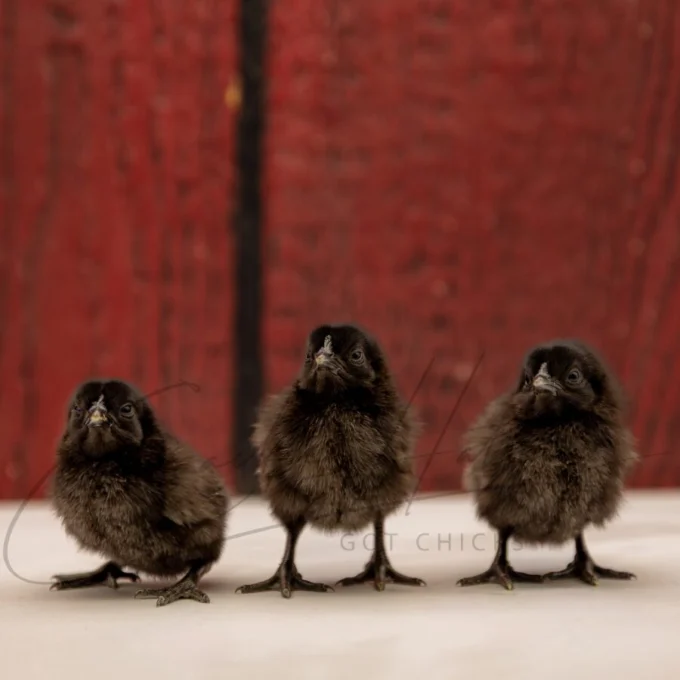
Black chickens are more than just a visual statement for your flock. Breeds with black feathers, skin, and bones often lay eggs in the dark brown to tan spectrum. These birds are generally hardy, cold-tolerant, and excellent foragers, making them a reliable choice for small farms and backyard enthusiasts.
Ayam Cemani
The Ayam Cemani is famous for its hyperpigmentation—every part of the bird, including the meat and bones, is black. Despite their exotic appearance, they are dual-purpose birds that lay small to medium-sized cream or light tan eggs. They are not prolific layers, producing only 60-80 eggs per year, but their unique look and calm temperament make them a favorite among poultry collectors. They are sensitive to cold weather and require careful management.
Marans
Marans are the gold standard for dark brown eggs. Originating from France, these birds lay eggs with a chocolate-like shell color, graded on a scale from 1 to 9. While not all Marans lay the darkest eggs, selective breeding has improved consistency. They are robust, cold-hardy birds that lay 150-200 medium-sized eggs annually. Their friendly nature and steady production make them a top choice for homesteaders who value both aesthetics and utility.
Welsumers
Welsumers are a Swedish breed known for laying rich, dark brown eggs with distinct speckles. They are excellent foragers and lay about 180-200 eggs per year. Their feathers are a reddish-brown, but they are often grouped with black-feathered breeds for their dark egg output. Welsumers are known for their broodiness and are great mothers, which adds to their appeal for small-scale egg producers.


As an Amazon Associate, we may earn from qualifying purchases.
Polish chickens: Beauty and maintenance
Polish chickens are the showstoppers of the backyard flock, prized for their distinctive, oversized crests of feathers. While they offer a striking visual appeal, their unique anatomy requires a specific approach to care. Unlike standard breeds, their headgear can obstruct vision and trap moisture, making them vulnerable to predators and health issues if not managed correctly.
Vision and predator safety
The heavy plume of feathers on a Polish chicken’s head often covers their eyes, significantly limiting their peripheral vision. This creates a blind spot that can make them hesitant to explore new areas or react quickly to threats. In a mixed flock, Polish birds are often bullied because they cannot see incoming pecks or escape routes clearly.
To keep them safe, provide a secure, enclosed run with no gaps for predators to slip through. Since they cannot spot hawks or dogs as easily as other breeds, ground-level security is non-negotiable. Avoid free-ranging them in open fields unless you have strict predator control measures in place.
Crest hygiene and health
The crest is not just decorative; it is a maintenance requirement. Feathers in this area trap dirt, dust, and moisture, creating a breeding ground for mites and lice. Regular inspection is necessary to ensure the feathers remain clean and dry. In wet climates, you may need to trim the crest slightly to prevent matting and keep the bird’s eyes clear.
Social dynamics in the flock
Polish chickens are generally docile and friendly, but their poor vision makes them targets for more assertive breeds. If you are integrating them into an existing flock, introduce them slowly and monitor interactions closely. Provide multiple feeding stations and nesting boxes to reduce competition, as Polish birds may struggle to compete for resources if they cannot see other chickens approaching.
Blue, Green, and Olive Eggs Explained
If you want eggs with color, you are looking at two different genetic paths. One path produces true blue or green shells. The other mixes in brown pigment to create olive or tan shells. Understanding this difference helps you choose the right bird for your flock.
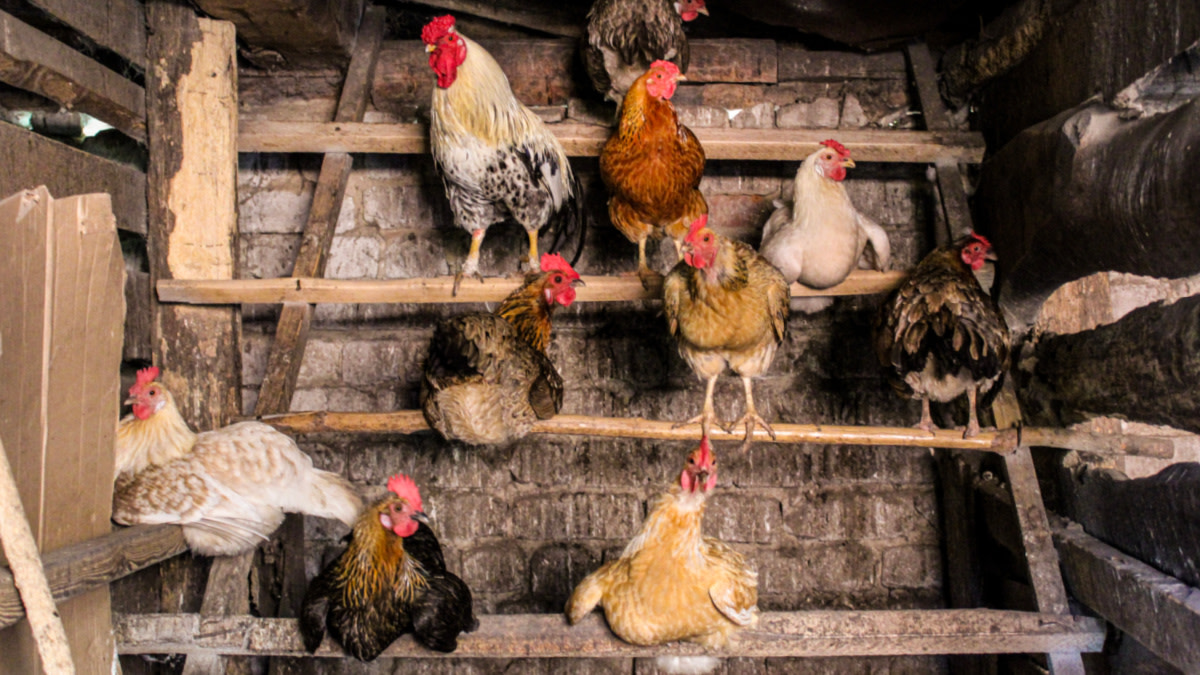
Breeds like the Araucana and Ameraucana carry the oocyanin gene. This gene deposits blue pigment throughout the entire shell, not just on the surface. That is why these shells do not fade or wash off. Ameraucanas are generally more consistent layers than Araucanas, which are often raised more for show. They produce eggs in shades of sky blue to seafoam green.

Olive Eggers are not a specific breed but a hybrid result. They are created by crossing a green-layering rooster (like a Marans) with a brown-layering hen (like a Rhode Island Red). The brown pigment overlays the green base, resulting in an olive or tan shell. The exact shade varies widely depending on the parents. These birds are popular because they combine the blue-green base with the rich color of brown eggs.
| Breed | Egg Color | Production | Broodiness |
|---|---|---|---|
| Ameraucana | Blue-Green | Medium | Low |
| Araucana | Blue | Low-Medium | Low |
| Olive Egger | Olive/Tan | High | Varies |
| Marans | Dark Brown | Medium | High |
Essential Gear for Fancy Breeds
Black, Polish, and Blue-Egg laying chickens have specific needs that standard coops often overlook. Polish chickens need protection for their crests, while dark egg layers benefit from nest boxes that keep their eggs clean and visible. Investing in the right accessories makes daily care easier and keeps your flock happy.
Visors and Crest Care
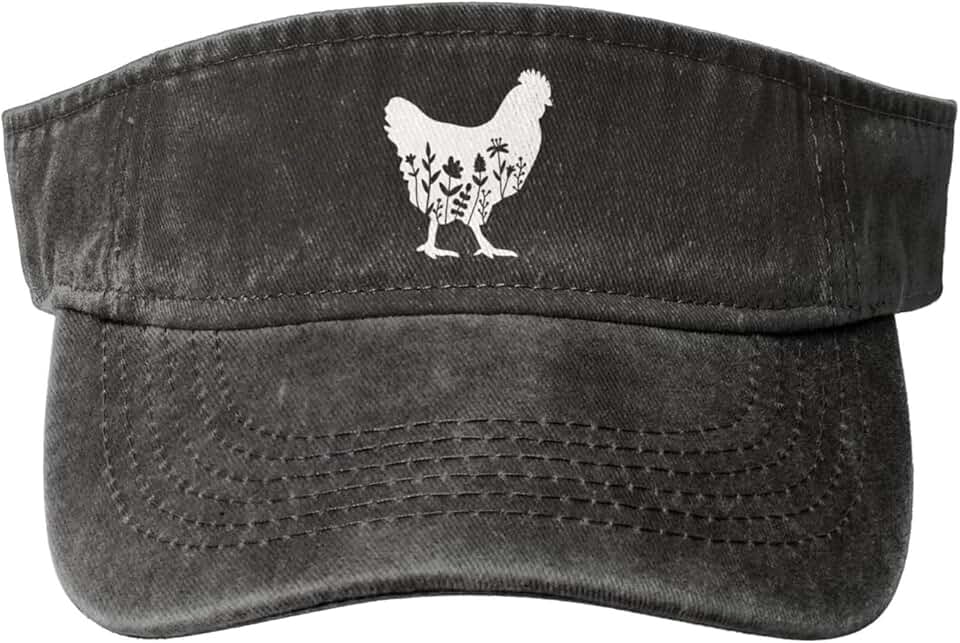
Polish chickens are famous for their feathers, but those feathers can block their vision. A simple visor or brim accessory helps them see predators and find food without removing their crest. Look for soft, adjustable fabric bands that sit comfortably around the head.
Nest Box Liners
Blue egg layers produce eggs with unique shell colors, but the nests themselves need to stay clean. Liners made from rubber or textured plastic prevent eggs from rolling and make cleaning simple. Choose liners that are easy to remove and wash, as regular maintenance prevents disease.
Roost and Perch Setup
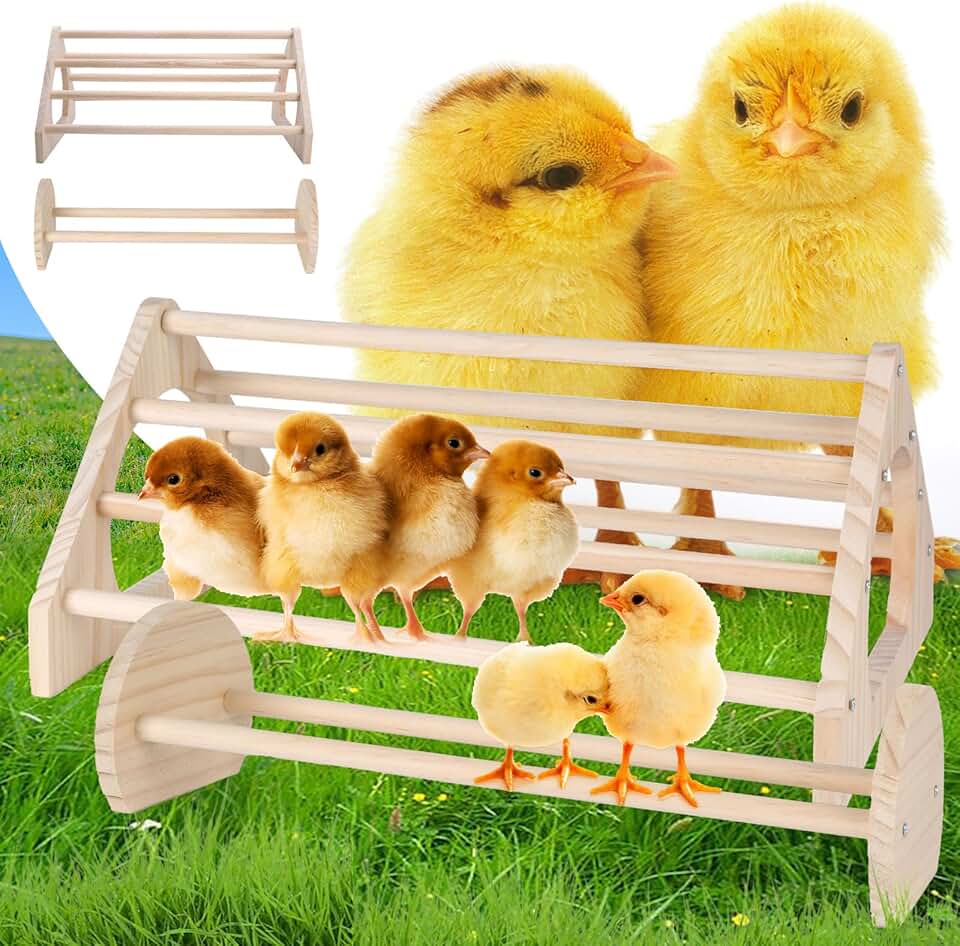
Black chickens often have dark feathers that can hide mites. Provide smooth, sanded roosts that are easy to inspect. Wide perches support their feet, reducing the risk of bumblefoot, a common issue in heavier breeds.

As an Amazon Associate, we may earn from qualifying purchases.
Frequently Asked Questions About Black, Polish, and Blue-Egg Chickens
Are Polish chickens good for beginners? Polish chickens are charming but require specific care due to their large crests. The feathers around their eyes can obstruct vision, making them vulnerable to predators and prone to injury. They are best suited for experienced keepers who can monitor their flock closely and provide a safe, low-stress environment.
Do blue-egg layers lay every day? No breed lays an egg every single day. Even high-production breeds like Ameraucanas or Easter Eggs typically lay 4–5 eggs per week. Genetics, season, and stress levels heavily influence this rate. Expect a drop in winter months regardless of the breed's reputation.
Are black-feathered chickens hard to keep clean? Black chickens, such as Australorps or Penedesenca, can appear dirtier than lighter breeds because dust and debris show up more clearly on dark feathers. However, they are generally hardy and easy to manage. Regular coop cleaning and providing dust baths will keep them healthy and looking their best.
No comments yet. Be the first to share your thoughts!