

The $50 Egg Bill: A 2026 Reality
As of April 10, 2026, eggs remain expensive. Wholesale prices are down from their peak but still higher than pre-2022 levels. A family of four eating a dozen eggs weekly could spend $12-$15, totaling $50-$60 monthly, a significant grocery budget hit.
The Lowering Egg Prices Act of 2025 (H.R.2222) aimed to ease prices by addressing market concentration and boosting supply. However, its impact has been minimal so far, with slow implementation and claims of loopholes favoring large producers. Cheaper eggs haven't materialized for most families.
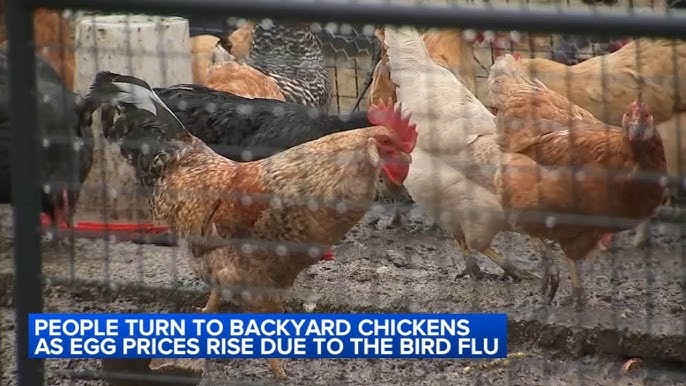
The high price of eggs makes a staple food feel like a luxury. Many are seeking alternatives, and backyard chickens are emerging as a practical solution for families struggling with grocery costs.

Why Are Eggs *Still* So Expensive?
High egg prices in 2026 stem from multiple factors. The 2022-2024 avian influenza outbreaks continue to disrupt supply chains. Though less frequent, rebuilding flocks and the ongoing threat of outbreaks keep prices high. This involves not only fewer chickens but also increased biosecurity costs and disrupted production cycles.
Increased feed costs are another major factor. Fluctuations in corn and soybean prices, driven by weather and global demand, raise chicken feed costs. These higher input costs are passed to consumers, making chickens and subsequently eggs more expensive.
The Lowering Egg Prices Act of 2025, though well-intentioned, has not provided quick relief. Critics argue the act prioritizes supply increases over addressing market concentration. A few large companies dominate the egg industry, retaining significant pricing power. This consolidation allows them to absorb some costs and remain profitable, with consumers ultimately bearing the expense.
Supply chain issues, while easing, persist. Transportation costs and labor shortages continue to increase the expense of delivering eggs from farm to table.
Backyard Chickens: A Cost Breakdown
Getting started with backyard chickens involves an initial investment. A basic coop for 4-6 chickens costs $200 (DIY) to $800+ (pre-built from stores like Tractor Supply Co. or Rural King). Chicks are $3-$7 each, depending on breed and hatchery.
Feeders, waterers, and bedding are also necessary. A feeder and waterer set costs $50-$100. Pine shavings for bedding are $10-$20 per bag, needing regular replacement. Grit for digestion costs another $10-$20 for a lasting supply.
Ongoing costs include feed and bedding. A 50-pound bag of layer feed is $25-$35, with a 4-6 chicken flock consuming about 25 pounds monthly. Bedding replacement adds $10-$20 monthly. Budgeting for potential vet bills ($50-$100 per visit) is also wise, though healthy chickens are resilient.
Chickens aren't free, but a well-managed flock can pay for itself within a year, especially with current egg prices. Framing the upfront cost as a one-time investment for a long-term, cost-effective food source makes it more manageable.
Egg Production: How Many Eggs Can You Expect?
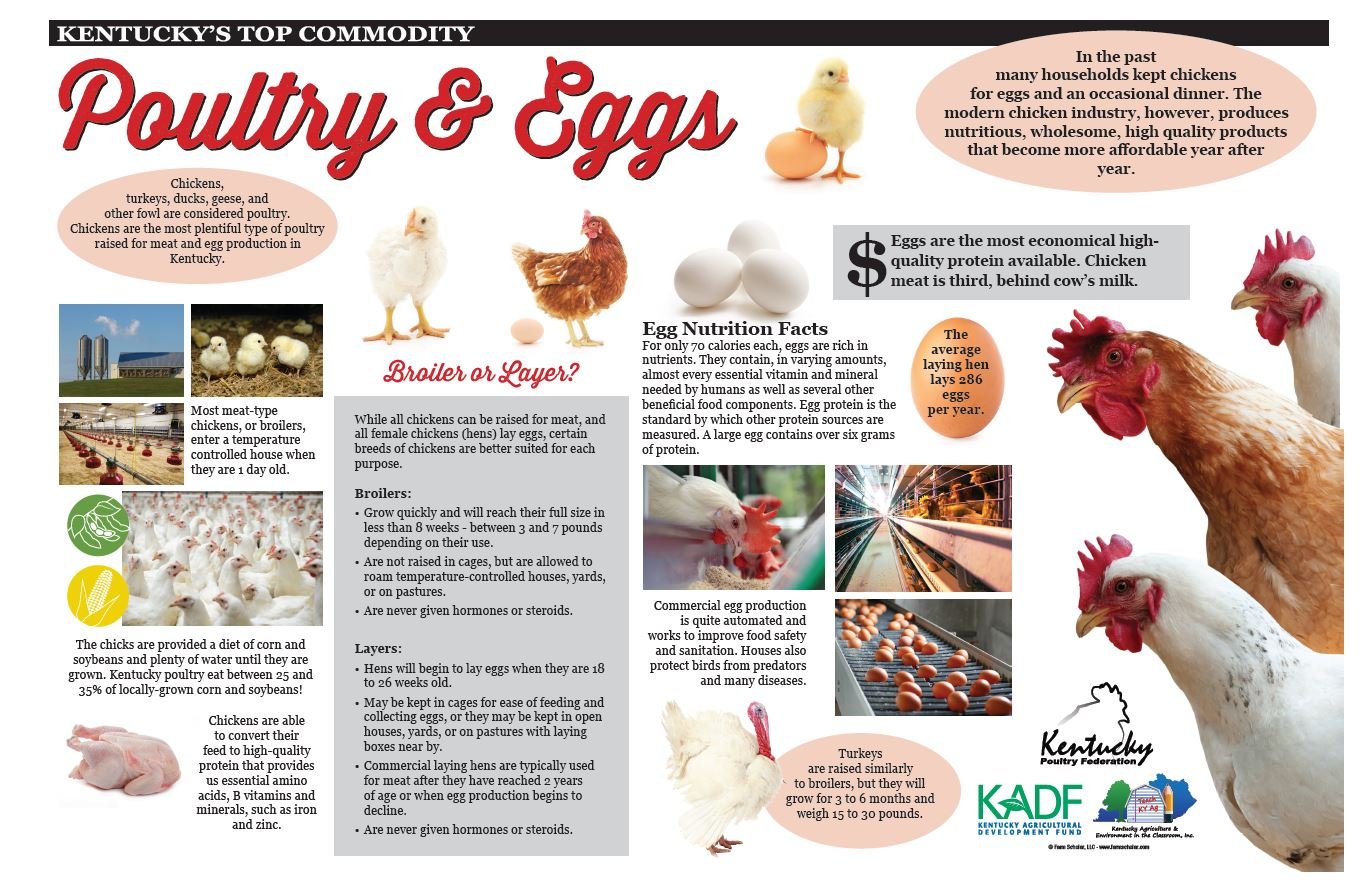
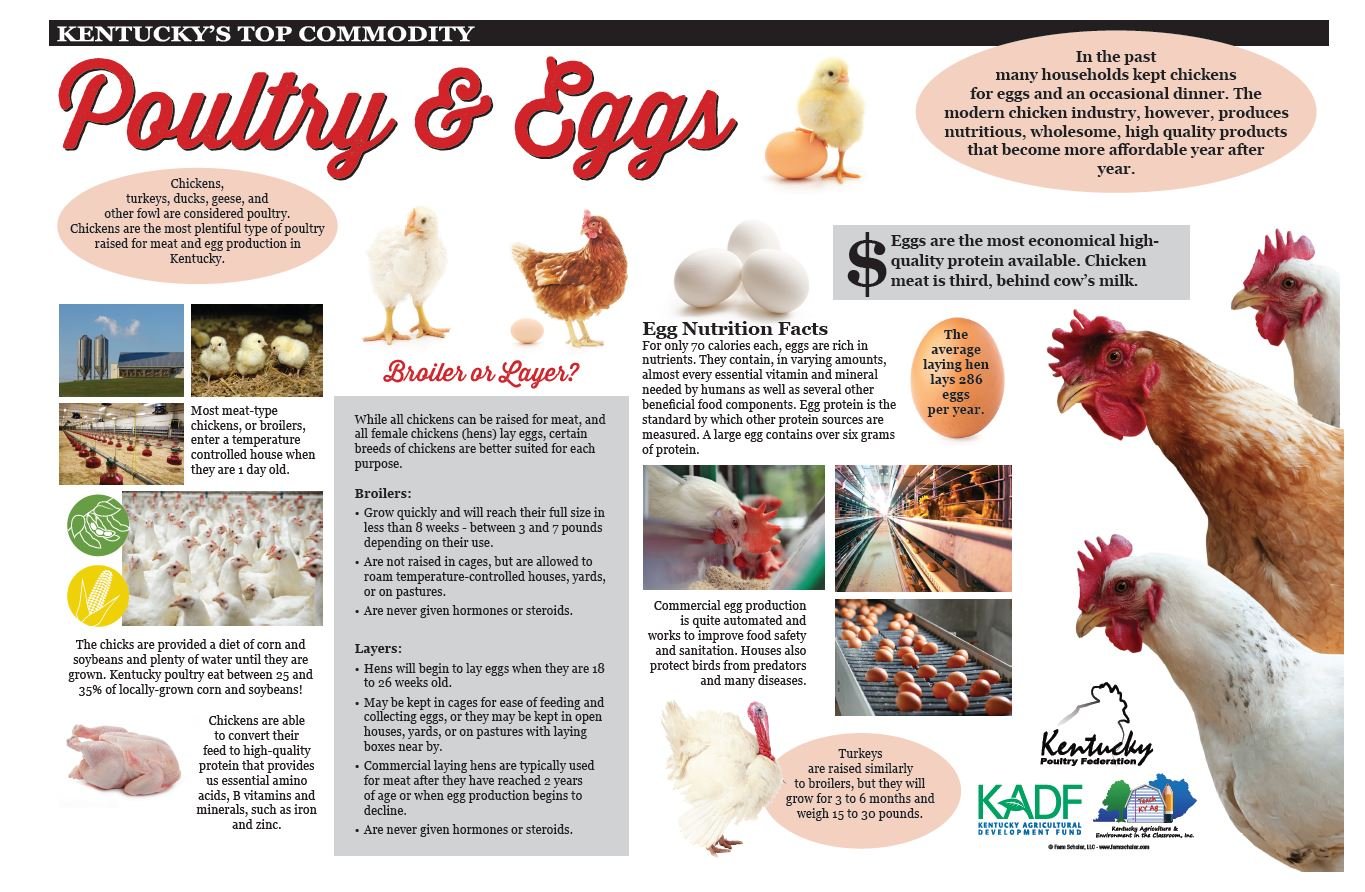
Egg production depends on breed, hen age, season, and health. A good layer, like a Rhode Island Red or Leghorn, can produce 200-300 eggs annually, averaging 4-6 weekly. Younger hens lay more, with production declining with age. Expect fewer eggs during winter's shorter days.
Diet is crucial for egg production. Balanced layer feed is essential, with supplemental treats being secondary. Stress from predators, routine changes, or overcrowding can also halt egg laying.
Egg production slows during molting season as hens regrow feathers. Different breeds also lay different colored eggs: Leghorns lay white, Rhode Island Reds lay brown, and Ameraucanas/Easter Eggers lay blue or green.
Beyond Eggs: The Hidden Benefits
Beyond savings, backyard chickens provide unmatched fresh egg flavor and quality, with richer yolks. Knowing your food's origin and controlling the entire process from feed to coop is satisfying.
Chickens help gardens by eating bugs and weeds, reducing pests and providing manure for fertilizer. Their foraging also aerates the soil.
Raising chickens offers joy, a connection to nature, and self-sufficiency. It's a rewarding hobby that promotes a slower pace of life and a reminder of simple pleasures.
Space & Legalities: Can You Raise Chickens?
You don’t need acres of land to raise chickens. A decent-sized backyard is often sufficient. A flock of 4-6 chickens can comfortably live in a coop and run that’s about 8x8 feet. The key is to provide them with adequate space to roam, scratch, and dust bathe. A secure run is essential to protect them from predators.
However, before you bring home any chicks, it’s crucial to check your local ordinances. Many cities and towns have regulations regarding backyard chickens. These regulations may cover the number of chickens allowed, coop setbacks from property lines, and restrictions on roosters. Some homeowners associations (HOAs) also have rules about livestock.
Resources for finding local regulations include your city or town hall, your county extension office, and online searches for “chicken ordinances [your city/town].” It’s always better to be safe than sorry and ensure you’re complying with all local laws. Ignoring these rules can result in fines or being forced to re-home your flock.
Breed Spotlight: Economical Egg Layers
If you’re looking for consistent egg production, certain breeds stand out. Rhode Island Reds are known for their hardiness and prolific laying—around 250-300 eggs per year. They’re also relatively docile and adaptable. Leghorns are another excellent choice, laying around 280-320 white eggs annually. They’re energetic and can be a bit flighty.
Australorps are gentle giants that lay around 250-300 brown eggs per year. They’re known for their calm temperament and are a good choice for families with children. Plymouth Rocks are a classic American breed, laying around 200-280 brown eggs per year. They’re dual-purpose birds, meaning they’re good for both eggs and meat.
These breeds are all relatively easy to care for and are a good starting point for beginners. Researching each breed’s specific needs and temperament will help you choose the best fit for your lifestyle and preferences. Don't get caught up in the allure of fancy breeds if your primary goal is egg production.
Finding Chickens Near You
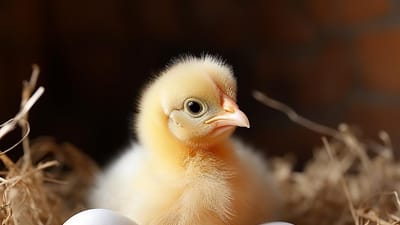
Ready to take the plunge? Finding chicks or started pullets (young hens ready to lay) is easier than you might think. Local hatcheries are a great option, offering a variety of breeds and expert advice. Feed stores like Tractor Supply Co. and Rural King often carry chicks seasonally.
Online breeders can provide a wider selection of breeds, but be cautious about scams. Research the breeder thoroughly and read reviews before making a purchase. Be wary of prices that seem too good to be true. Look for breeders who prioritize the health and welfare of their birds.
Always inspect the chicks or pullets before bringing them home, ensuring they’re active, alert, and free from any signs of illness. A healthy start is crucial for a productive flock. Remember to quarantine new birds for at least 30 days to prevent the spread of disease.
No comments yet. Be the first to share your thoughts!