

Heat waves and your flock
Heat waves are getting more intense. It is a problem for chickens because they don't sweat like we do. They rely on panting and moving blood into their combs and wattles to dump heat. If the air is too hot, those systems fail.
When temperatures soar, chickens can quickly succumb to heat stress, exhibiting symptoms like lethargy, decreased egg production, and even death. Certain breeds are demonstrably more vulnerable than others. While good coop management is essential, selecting a breed predisposed to handle heat is becoming less of a preference and more of a necessity for responsible poultry keeping.
Choosing the right breed isn't about finding chickens that won’t feel the heat – it's about selecting those best equipped to cope with it. This means considering their origins, body size, feathering, and overall hardiness. It's a proactive step towards ensuring the health and well-being of your flock in a changing climate. Ignoring breed characteristics can lead to significant losses during peak heat.
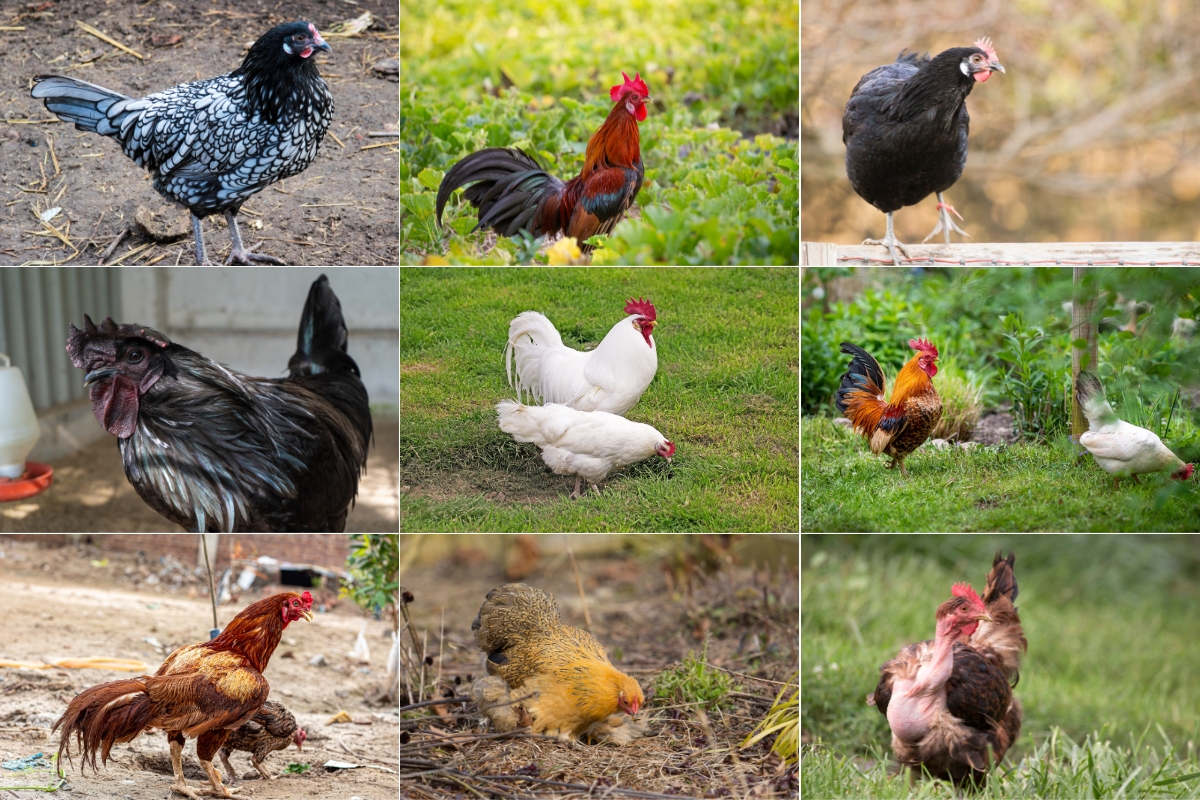
Leghorns: the egg-laying heat champions
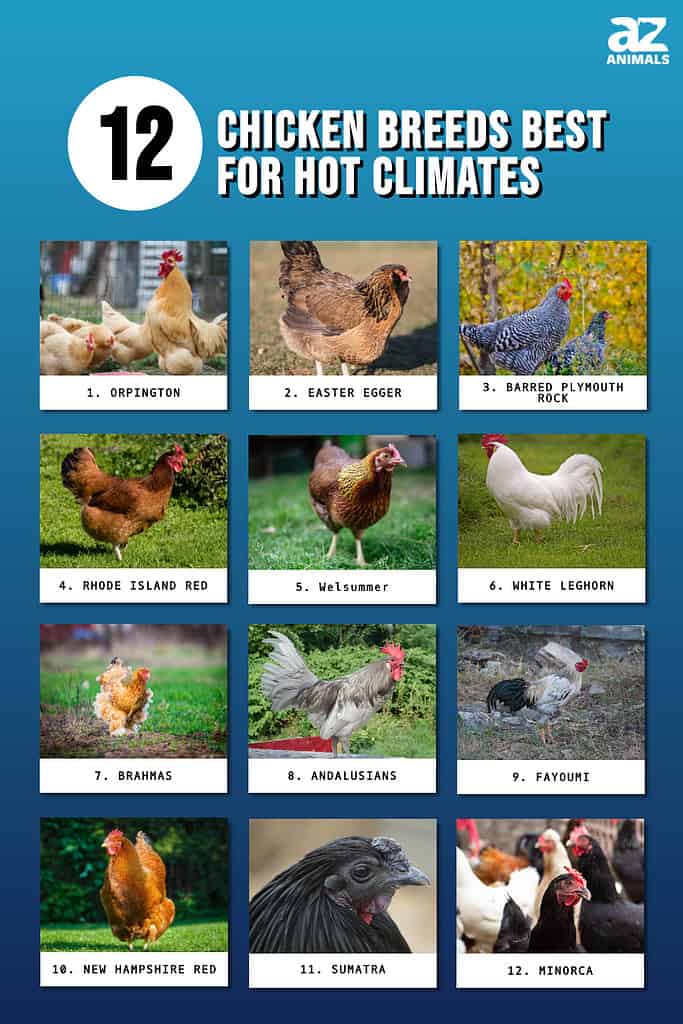
If you’re looking for a heat-tolerant chicken that also delivers a consistent egg supply, the Leghorn is hard to beat. Originating from the Mediterranean region, these birds have developed a natural resilience to warmer climates. Their lighter bone structure and more open feathering allow for better heat dissipation compared to heavier breeds.
Leghorns are renowned for their prolific egg-laying ability, consistently producing around 280-320 white eggs per year, as reported by backyard chicken keepers on Facebook. They are generally active and alert birds, though they can be somewhat flighty. Don’t expect a Leghorn to sit on a clutch of eggs – they aren’t particularly broody.
There’s a good amount of variation within the Leghorn breed itself. White Leghorns are the most common, but you’ll also find Brown Leghorns, Black Leghorns, and others. While all are heat-tolerant, White Leghorns are often considered the most efficient egg layers. Keep in mind their energetic nature means they need a secure run to prevent them from exploring beyond the boundaries of your property.
Rhode Island Reds: reliable and resilient
Rhode Island Reds are a popular choice for a reason: they're hardy, adaptable, and dual-purpose. This means they're good for both meat and egg production. Their ability to thrive in a variety of climates, including hotter regions, makes them a solid option when considering climate resilience. They aren’t quite as specialized for heat as Leghorns, but they are remarkably adaptable.
Their medium size and relatively tight feathering provide some protection from both heat and cold. They aren't prone to overheating as easily as some fluffier breeds. Rhode Island Reds generally have a calm and friendly temperament, making them a good choice for families with children. They tend to be less skittish than Leghorns.
There’s a common misconception that Rhode Island Reds are prone to aggression, but this is often due to overcrowding or poor handling. Compared to Plymouth Rocks, Rhode Island Reds tend to be slightly more heat-tolerant, though both are decent choices. They are a reliably productive breed that can handle a range of conditions.
White Faced Black Spanish: an unexpected choice
Looking for something a little different? The White Faced Black Spanish is a beautiful and surprisingly heat-tolerant breed. Originating from Spain, these chickens have a long history and were once highly prized for their egg-laying ability. They are a bit less common than some of the other breeds we’ve discussed, but they’re gaining popularity.
Despite their striking appearance, these chickens handle heat remarkably well. They lay a good number of large, white eggs – around 180-200 per year. White Faced Black Spanish chickens are generally active and alert, but they can also be a bit reserved. They aren’t known for being overly friendly, but they aren’t aggressive either.
This breed is a good option for those who want a unique and heat-resistant chicken. They’re a bit of a hidden gem in the world of poultry keeping. They’re definitely not the flashiest breed, but their performance and resilience make them a worthwhile consideration.
Does feather color matter?
A common question among chicken keepers is whether black chickens are more susceptible to heat stress due to their dark feathers absorbing more sunlight. The science is fairly straightforward: dark colors absorb more heat than light colors. However, the extent to which this impacts a chicken's well-being is a bit less clear.
Black feathers absorb more solar radiation, but a chicken's ability to pant and move heat through its comb matters more. I'm not convinced color is a dealbreaker. If you provide deep shade and moving air, a black bird can stay just as cool as a white one.
Breeds like the Black Australorp are known for their heat tolerance despite their dark feathers. This suggests that other factors, such as body size, feather type, and overall health, play a more significant role. A checklist for mitigating heat stress in black chickens would include ample shade, fresh water, and good airflow. Don’t discount the breed based solely on color.
- Provide ample shade with trees, shrubs, or tarps.
- Ensure constant access to fresh, cool water.
- Maintain good ventilation in the coop.
- Consider a dust bath area to help chickens regulate their temperature.
Building a climate-resilient coop
Choosing a heat-tolerant breed is only part of the equation. Proper coop management is essential for protecting your flock during heat waves. Ventilation is paramount – ensure there’s adequate airflow to remove hot, stagnant air. This can be achieved through windows, vents, and fans.
Shade is another crucial element. Position your coop to take advantage of natural shade from trees or buildings. If natural shade isn’t available, provide artificial shade with tarps or shade cloth. The orientation of your coop matters too – ideally, it should be oriented to minimize direct sunlight exposure during the hottest part of the day.
Access to cool water is non-negotiable. Provide multiple water sources and ensure they are shaded to prevent the water from becoming too warm. Consider adding cooling aids like misters or frozen treats (frozen fruits or vegetables) to help your chickens stay cool. Coop materials also play a role; metal roofs can get extremely hot, so consider alternatives like wooden roofs with good insulation. A step-by-step guide for coop cooling could include a daily check of water sources, ensuring vents are clear, and providing a shaded dust bathing area.
- Install vents high and low in the coop to promote airflow.
- Use reflective materials on the roof to reduce heat absorption.
- Provide a shaded dust bathing area with cool, dry soil.
- Offer frozen treats like watermelon or berries.
Where to find heat-tolerant chicks
Once you’ve decided on a heat-tolerant breed, the next step is finding chicks. Reputable hatcheries like Murray McMurray Hatchery and Cackle Hatchery offer a wide selection of breeds, including many of those we’ve discussed. Local breeders and poultry shows are also excellent resources.
When sourcing chicks, it’s important to choose breeders who prioritize heat acclimation. Chicks raised in warmer climates are likely to be better equipped to handle heat stress than those raised in colder regions. Biosecurity is also crucial – ensure the breeder follows proper sanitation practices to prevent the spread of disease.
Order early. Popular breeds sell out by March. You should also check your city ordinances; some towns allow hens but ban the more heat-tolerant (and loud) roosters.
- Murray McMurray Hatchery (Webster City, IA)
- Cackle Hatchery (Lebanon, MO)
- Local poultry clubs and shows
Essential Coop Cooling Solutions for Extreme Heat

12-inch shutter exhaust fan · 8 speeds with remote control · Energy-efficient DC motor with 1200 CFM airflow
This fan provides essential ventilation for chicken coops, helping to regulate temperature and remove moisture, which is crucial for comfort during hot weather.
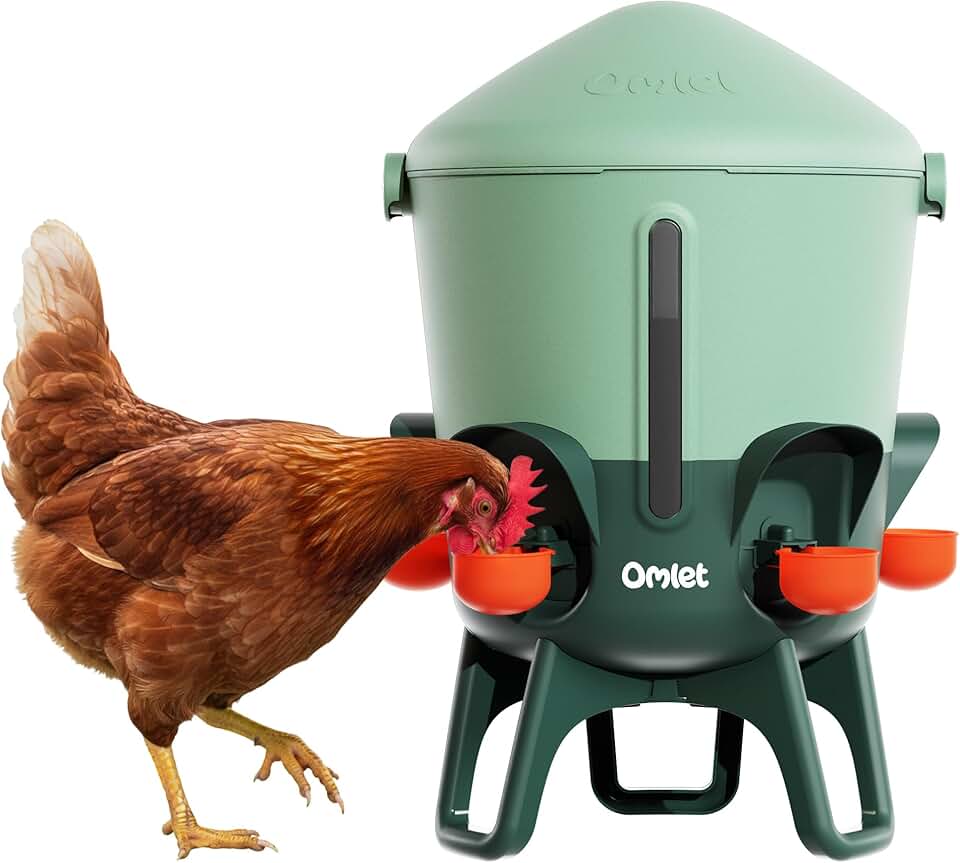
3-gallon insulated waterer · Automatic water dispensing with anti-roost lid · BPA-free construction
Keeping water cool and clean is vital in extreme heat; this insulated waterer ensures a consistent supply of fresh water for your flock.
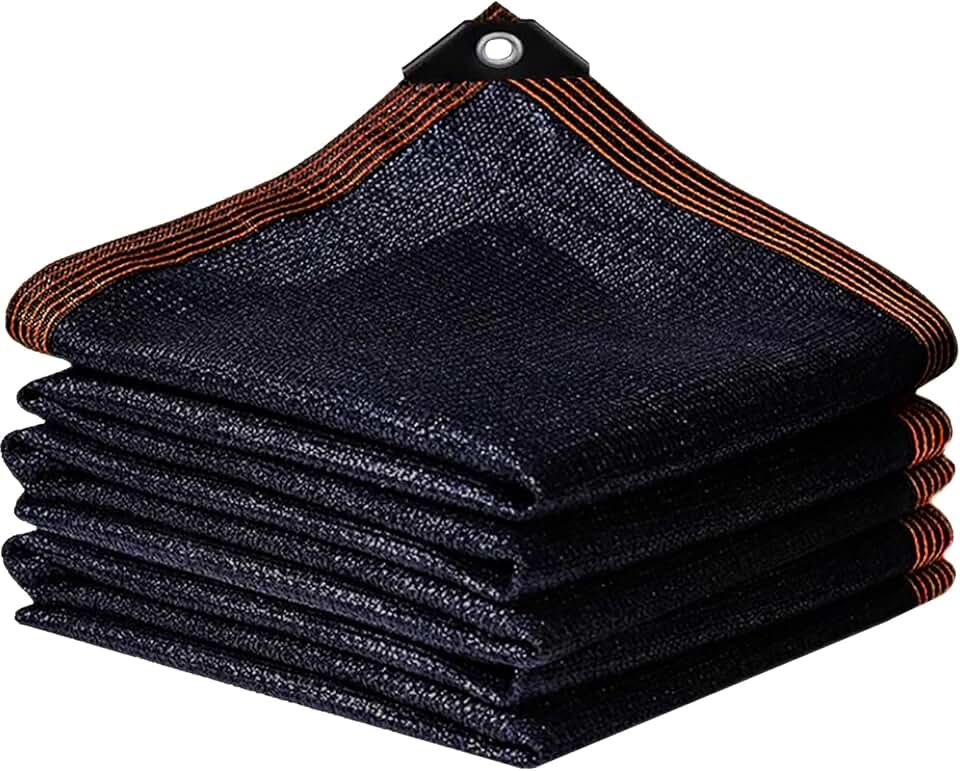
90% shade cloth · Durable mesh with reinforced grommets · Provides significant sunblock for protection
This shade cloth can be easily installed over chicken coops to create a cooler microclimate, shielding birds from direct, intense sunlight.

26-foot misting line · 7 brass mist nozzles · 3/4-inch brass adapter for easy connection
A misting system can dramatically lower ambient temperatures around the coop, offering a refreshing cooling effect for chickens during heatwaves.

Soft gel sheets for cooling relief · Designed for migraine and fever relief · Provides up to 8 hours of cooling effect
While not directly for chickens, these cooling sheets can be a lifesaver for coop caretakers needing personal relief while tending to their flock in extreme heat.
As an Amazon Associate I earn from qualifying purchases. Prices may vary.


No comments yet. Be the first to share your thoughts!