
Heat waves and your flock
We’re seeing more frequent and intense heat waves, and that’s a serious concern for chicken keepers. Chickens are surprisingly vulnerable to heat stress, which can quickly become fatal. It’s not just about discomfort; a hen struggling with the heat will stop laying, and a prolonged heatwave can wipe out a significant portion of your flock. Recognizing the signs of heat stress – panting, spreading wings, lethargy, pale combs – is the first step, but proactive breed selection is becoming increasingly important.
Summers are getting hotter. If you live in a region where 100-degree days are the new normal, you can't rely on heavy, cold-hardy breeds anymore. Choosing a bird that can actually breathe in the heat is the most practical way to keep your coop from becoming a graveyard.
Heat stress happens because chickens don’t sweat. They rely on regulating their body temperature through their respiratory system and blood flow to the comb and wattles. When the air temperature exceeds their body temperature, these mechanisms become overwhelmed, leading to hyperthermia. The right breed can make all the difference in their ability to cope.
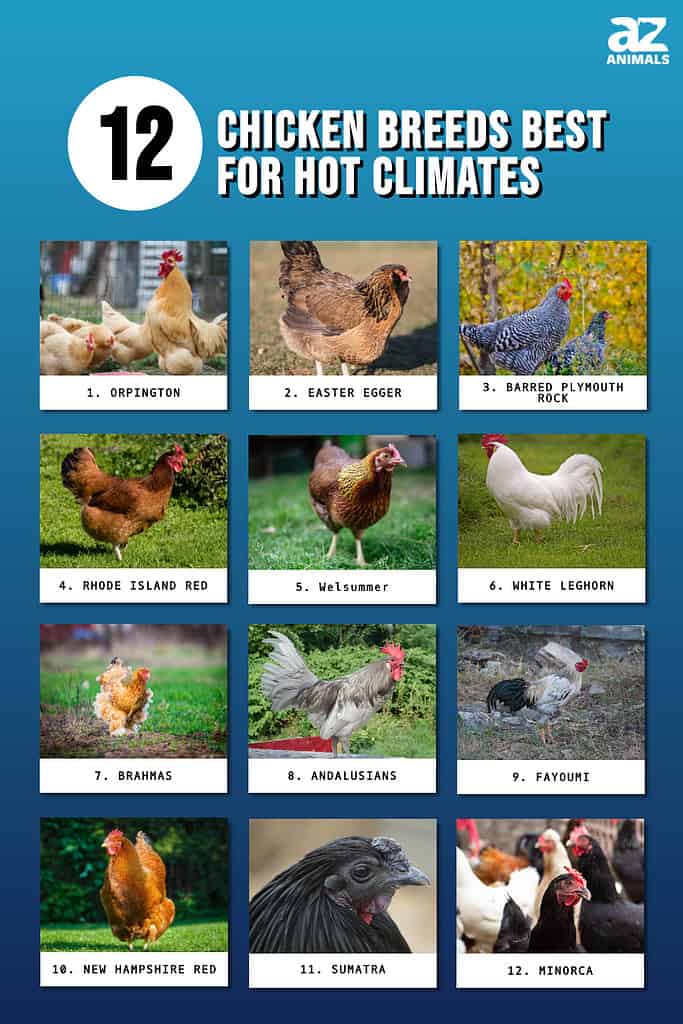
Leghorns: built for the sun
Leghorns are the standard for hot climates. They come from Italy, so they evolved for Mediterranean summers. You can expect about 300 white eggs a year from a healthy hen. Their ability to keep laying when other birds quit is why they're the backbone of most commercial egg farms in the south.
Their smaller body size is a major advantage. A smaller surface area to volume ratio means they lose heat more efficiently. They also have a relatively efficient metabolism, generating less internal heat. Leghorns are able to effectively regulate their body temperature through increased blood flow to unfeathered areas like their combs and wattles, dissipating heat quickly. This is a key difference compared to heavier breeds.
Temperament-wise, Leghorns aren’t known for being cuddly. They’re active, flighty birds that prefer to forage and explore. This isn’t necessarily a drawback – their independence makes them less prone to stress in a busy backyard. Just don’t expect them to be lap chickens. They’re workhorses, built for production and resilience, not affection.
Rhode Island Reds: Surprisingly Adaptable
Rhode Island Reds often get overlooked in conversations about heat tolerance, but they’re surprisingly adaptable. While they aren’t as heat-resistant as Leghorns, they handle warmer temperatures better than many people assume. A common misconception is that their heavier build automatically disqualifies them, but their feathering plays a role in their ability to regulate temperature.
RIRs have relatively loose feathering compared to some breeds, allowing for better air circulation and heat dissipation. Their dual-purpose nature – meaning they’re good for both eggs and meat – also contributes to their hardiness. They’re robust birds that have been bred for general resilience, not specialized production. This overall hardiness extends to their ability to cope with varying weather conditions.
RIRs aren't invincible. They have more bulk than a Leghorn, so they'll be the first ones panting when the humidity spikes. They work well for keepers who want a dual-purpose bird but live somewhere with a real summer.
Can black chickens handle the heat?
The conventional wisdom is that dark-feathered chickens absorb more heat, making them less suitable for hot climates. While there's truth to that, it’s not the whole story. Some black chicken breeds, like Black Australorps, have demonstrably adapted to warmer conditions. The key lies in understanding how feather structure and blood vessel distribution contribute to heat regulation.
Feathers aren’t just about color; they provide insulation and play a role in thermoregulation. Black Australorps, for example, possess a feather structure that allows for some air circulation, preventing overheating. The distribution of blood vessels near the skin surface also influences heat dissipation. It’s possible that melanin, the pigment responsible for dark feather color, may offer some protection against UV radiation, which can exacerbate heat stress, though I'm not sure about this one.
However, there are trade-offs. Dark feathers can make it more difficult to spot mites and other parasites, as they blend in with the plumage. Regular checks are essential. Furthermore, while these breeds may be more heat-tolerant than some, they still require careful management in extreme heat. Providing shade and ensuring adequate ventilation are crucial.
Here's a quick comparison of some black breeds and their relative heat tolerance:
| Breed | Heat Tolerance | Notes |
|-------------------|----------------|-----------------------------------------|
| Black Australorp | Moderate | Adaptable, requires shade and water |
| Black Minorca | Low | More susceptible to heat stress |
| Black Copper Maran| Moderate | Similar to Australorp, needs management |
Heat Tolerance & Characteristics: Black vs. White Chicken Breeds
| Breed | Heat Tolerance | UV Protection | Mite Visibility | Egg Color |
|---|---|---|---|---|
| Australorp | Medium | Medium | Low | Brown |
| Java | Medium | Medium | Low | Brown |
| Minorca | High | Medium | Low | White |
| Leghorn | High | High | High | White |
| White Plymouth Rock | Medium | High | High | Brown |
| Orpington (Buff) | Medium | Medium | Medium | Light Brown |
Illustrative comparison based on the article research brief. Verify current pricing, limits, and product details in the official docs before relying on it.
Fancy & Functional: Blue Egg Layers in the Heat
Ameraucanas and Easter Eggers are beloved for their beautiful blue eggs, but how do they fare in hot weather? The answer is…it depends. Their fluffier feathering, while aesthetically pleasing, can be a disadvantage in high temperatures, trapping heat close to the body. They don’t necessarily struggle, but they require more diligent management than some other breeds.
To mitigate heat stress in these breeds, providing ample shade is paramount. Consider using shade cloth or allowing access to trees. Ensuring a constant supply of cool, clean water is also critical. You might even consider adding electrolytes to their water during peak heat to help them stay hydrated. Good ventilation in the coop is essential to remove hot, stagnant air.
Don't let the unique egg color fool you into thinking these breeds are inherently less hardy. They’re perfectly capable of thriving in warmer climates with proper care. It just requires a bit more attention to their needs than, say, a Leghorn. Their eggs are a bonus, not an indicator of their resilience.
The trouble with Polish crests
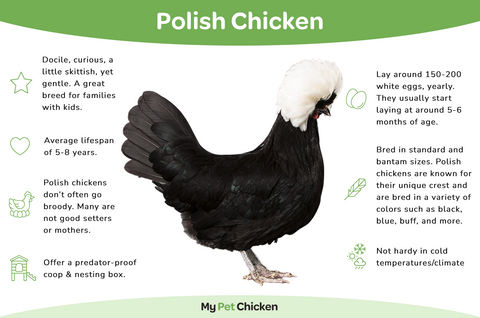
Polish chickens are undeniably striking with their elaborate crests, but those crests come with a significant drawback in hot climates. The crest interferes with their ability to regulate body temperature, making them particularly susceptible to overheating. They require significant management to survive in warmer regions.
Specific cooling strategies are essential. Misting the birds with cool water, providing a cool, dark space for them to retreat to, and ensuring constant access to fresh, cool water are non-negotiable. You might even consider providing frozen water bottles for them to sit near. Regularly checking for signs of heat stress is crucial.
Frankly, Polish chickens aren’t a good choice for beginners in hot climates. They demand a level of attention and proactive management that can be overwhelming for those new to chicken keeping. While their appearance is captivating, their heat sensitivity makes them a high-maintenance breed.
Space, Shade & Water: Essential Management
Breed selection is only part of the equation. Regardless of the breed, providing a suitable environment is crucial for preventing heat stress. Adequate space is paramount. A minimum of 4 square feet per bird inside the coop is a good starting point, but more is always better. Overcrowding exacerbates heat stress and increases the risk of disease.
Shade is equally important. Whether it’s provided by trees, tarps, or shade cloth, chickens need a place to escape the direct sun. Allowing access to a shaded run during the hottest part of the day is vital. Consider the orientation of your coop and run to maximize shade throughout the day.
A constant supply of cool, clean water is non-negotiable. Chickens need to drink more water in hot weather to stay hydrated. Providing multiple water sources and checking them frequently is essential. You can even add ice cubes to the water to keep it cooler. Don't forget the benefits of dust bathing – it helps chickens regulate their body temperature.
Here’s a simple DIY cooling solution: create a "swamp cooler" by placing a wet towel over a fan. The evaporation of the water will cool the air, providing some relief for your flock. You can also freeze water bottles and place them near their roosting area. These small steps can make a big difference.
Essential Cooling Solutions for Your Flock in Extreme Heat
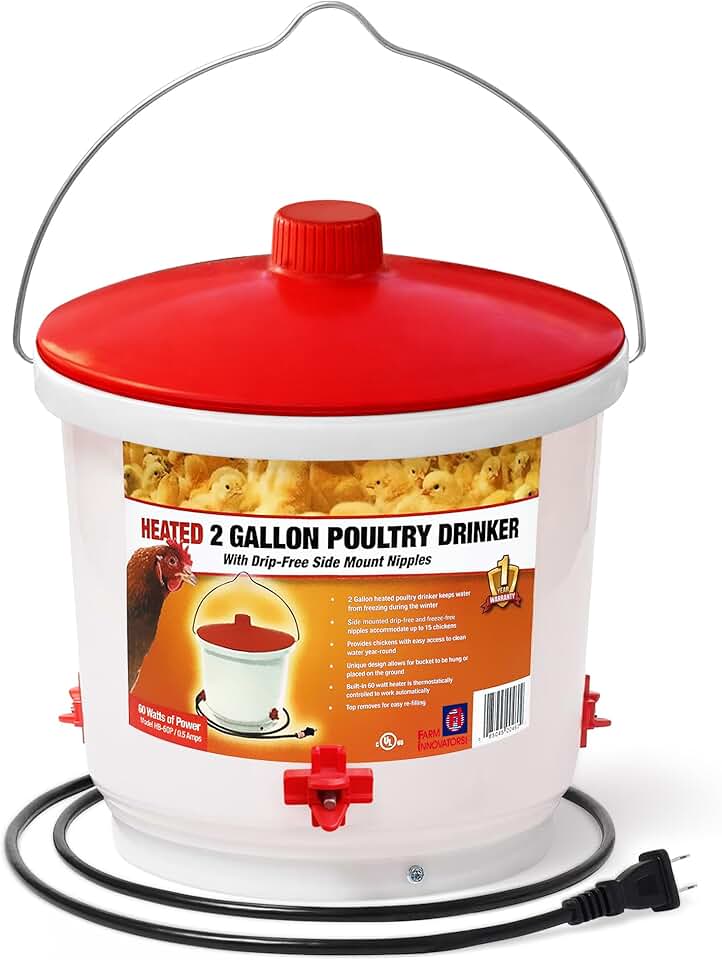
Maintains water temperature to prevent freezing · 2-gallon capacity · Durable construction with a red top for visibility
Ensures a constant supply of unfrozen water, vital for hydration even in colder conditions that can accompany extreme weather shifts.

Solar-powered for energy efficiency · Waterproof design for outdoor use · Provides airflow for ventilation and cooling
This solar-powered fan actively circulates air within the coop, reducing heat buildup and improving ventilation to keep chickens cool.

Creates a cooling mist to lower ambient temperature · Leak-resistant design · Includes 26ft line, adapter, and 7 brass nozzles
This misting system offers direct cooling relief for chickens by lowering the temperature around their coop during intense heat waves.
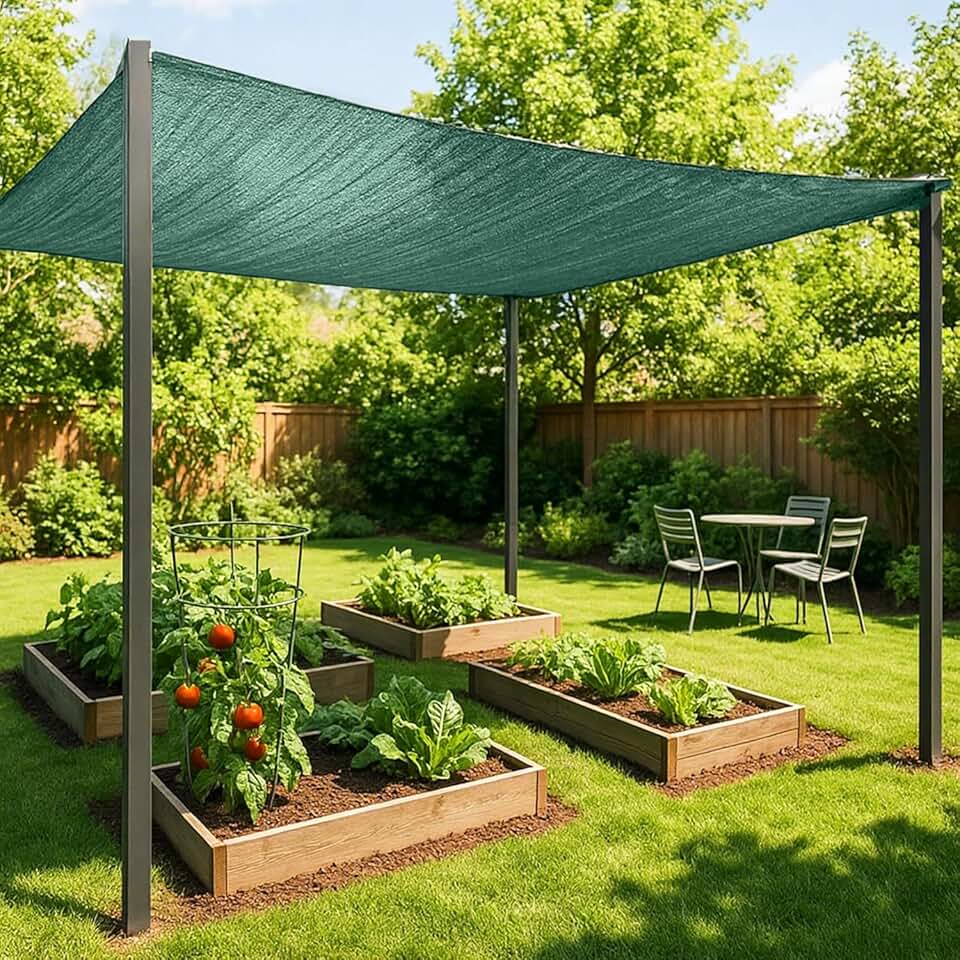
Blocks 35-45% of sunlight · Breathable HDPE mesh material · Durable and UV-resistant
Provides essential shade to reduce direct sun exposure within the coop, creating a cooler microclimate for heat-sensitive poultry.
As an Amazon Associate I earn from qualifying purchases. Prices may vary.


No comments yet. Be the first to share your thoughts!