

Heat is changing how we raise chickens
Raising chickens used to be predictable. You gave them food and water and got eggs in return. Now, frequent heat waves are changing that. It isn't just about the birds being uncomfortable; high temperatures kill productivity and make small-scale farming a lot harder than it used to be.
Chickens don't sweat. They rely on panting and blood flow through their combs to stay cool. When it gets too hot, they stop eating, which means fewer eggs and slower growth. In the Southwest and Southeast, farmers are already losing young or weak birds to heat stroke during the peak of summer.
The impact isn’t limited to backyard flocks. Commercial poultry operations are also facing increased costs associated with cooling systems and heat mitigation strategies. This pushes up the price of eggs and poultry meat, impacting consumers. The need for chicken breeds that can thrive in warmer climates isn’t just a matter of preference anymore; it’s becoming a necessity for a resilient food system. It's a challenge, yes, but also an opportunity to adapt and ensure the future of chicken keeping.
I've spoken with numerous farmers recently who are reporting a significant drop in egg production during heat waves, even with careful management. They’re actively seeking out breeds that can better withstand these conditions, and the demand is only going to increase as summers continue to get hotter. This isn't a distant threat; it's happening now, and it's why focusing on heat-tolerant breeds for 2026 is so important.
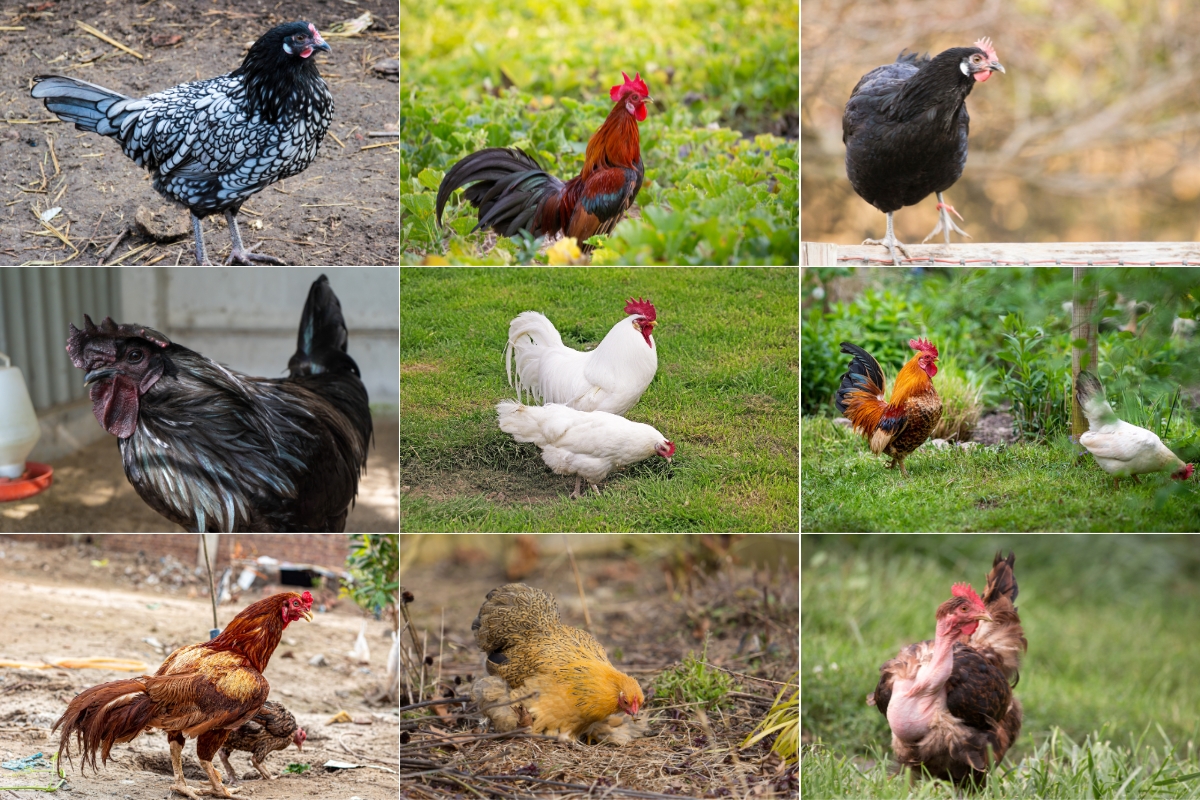
Eight breeds that handle the heat
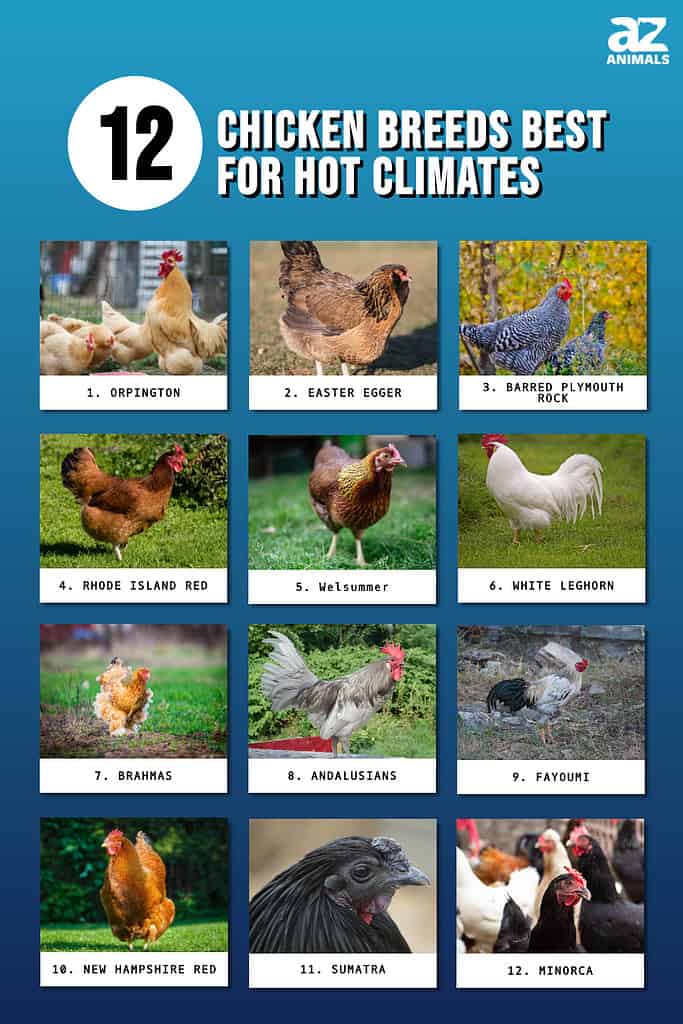
Choosing the right breed is the first line of defense against heat stress. Some breeds are simply better suited to warmer climates than others, thanks to factors like body size, feathering, and metabolic rate. Here are eight breeds that consistently rank high in heat tolerance, with a look at their strengths and weaknesses.
White Leghorn: This is often the first breed people think of when discussing heat tolerance, and for good reason. Developed in Italy, Leghorns are known for their large combs, which help dissipate heat. They’re active foragers and relatively lightweight, which also aids in cooling. Expect prolific egg layers – around 300 eggs per year – but they can be a bit flighty and aren't known for being particularly broody. They need secure housing to prevent them from wandering.
Rhode Island Red: A classic American breed, Rhode Island Reds are robust and adaptable. They handle heat reasonably well due to their moderate size and efficient metabolism. They lay a good number of large brown eggs – around 200-250 per year – and are generally docile, making them a good choice for beginners. They can become a bit bossy in a mixed flock, though. They’re readily available from most hatcheries.
Andalusian: Originating in Spain, Andalusians are well-adapted to hot, dry climates. They are known for their striking black and white plumage and their active, alert nature. They lay a respectable number of white eggs – around 180 per year – and are relatively low-maintenance. They need plenty of space to roam and can be prone to broodiness. They're not as common as some other breeds, so you may need to search for a reputable breeder.
Minorca: Another Spanish breed, Minorcas are large, majestic birds with black plumage and large white earlobes. They’re known for their impressive size and their relatively good heat tolerance. They lay large white eggs – around 150 per year – and have a calm temperament. They need a lot of space and can be susceptible to leg problems if kept in cramped conditions. They aren't the most prolific layers, but their eggs are prized.
Penedesenca: This Catalan breed is a true heat-lover. It’s a dark, almost black chicken with a distinctive, upright stance. Penedesencas are incredibly hardy and thrive in hot, dry conditions. They lay a moderate number of dark brown eggs – around 130-150 per year – and are known for their excellent foraging abilities. They’re a relatively rare breed, so finding chicks can be challenging, but the effort is worth it if you live in a hot climate.
Nera di Sicilia: Hailing from Sicily, this breed is built for the Mediterranean sun. It’s a small to medium-sized black chicken known for its hardiness and heat tolerance. They lay a good number of medium-sized brown eggs – around 180-200 per year – and have a docile temperament. They’re also excellent foragers. Like the Penedesenca, they’re not widely available outside of Europe, but interest is growing.
Sultan: A truly unique breed, the Sultan is known for its profuse feathering, including feathers on its feet and face. Surprisingly, despite its heavy plumage, the Sultan is relatively heat tolerant. The feathers provide insulation, protecting the bird from both heat and cold. They lay a small number of white eggs – around 80-100 per year – and are primarily ornamental. They require careful management to keep their feathers clean and dry. Their rarity makes them a show-stopping addition to any flock.
Buckeye: Developed in Ohio, the Buckeye is a hardy, dual-purpose breed that surprisingly does well in heat. They have a dense, pea comb which aids in heat dissipation. Buckeyes are known for their reddish-brown plumage and their active, foraging nature. They lay around 150-200 large brown eggs per year and have a calm, friendly disposition. They're also relatively rare, but gaining popularity with homesteaders.
Essential Gear for Keeping Your Flock Cool: Heat-Tolerant Chicken Supplies

12-inch shutter exhaust fan with remote control · 8 speeds and 25W energy-efficient DC motor · 1200 CFM airflow with an 8-hour timer
This fan provides essential ventilation to regulate temperature and remove moisture in chicken coops, creating a more comfortable environment during hot weather.
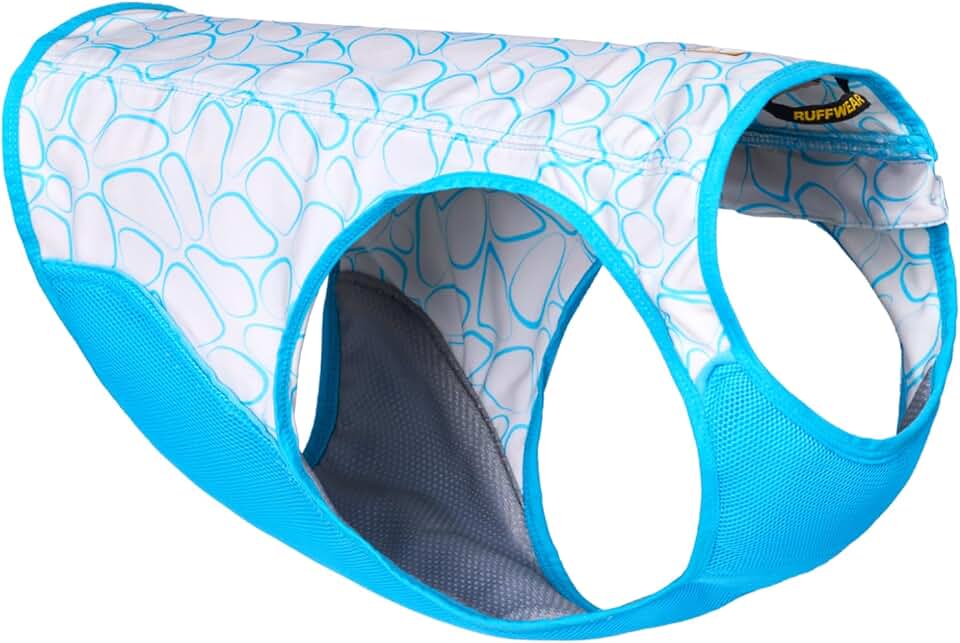
Evaporative cooling vest for dogs · Designed for hot weather · Biolumin Blue color
While designed for dogs, this evaporative cooling vest can offer a similar principle of heat relief for individual chickens if adapted, demonstrating a concept for direct cooling.
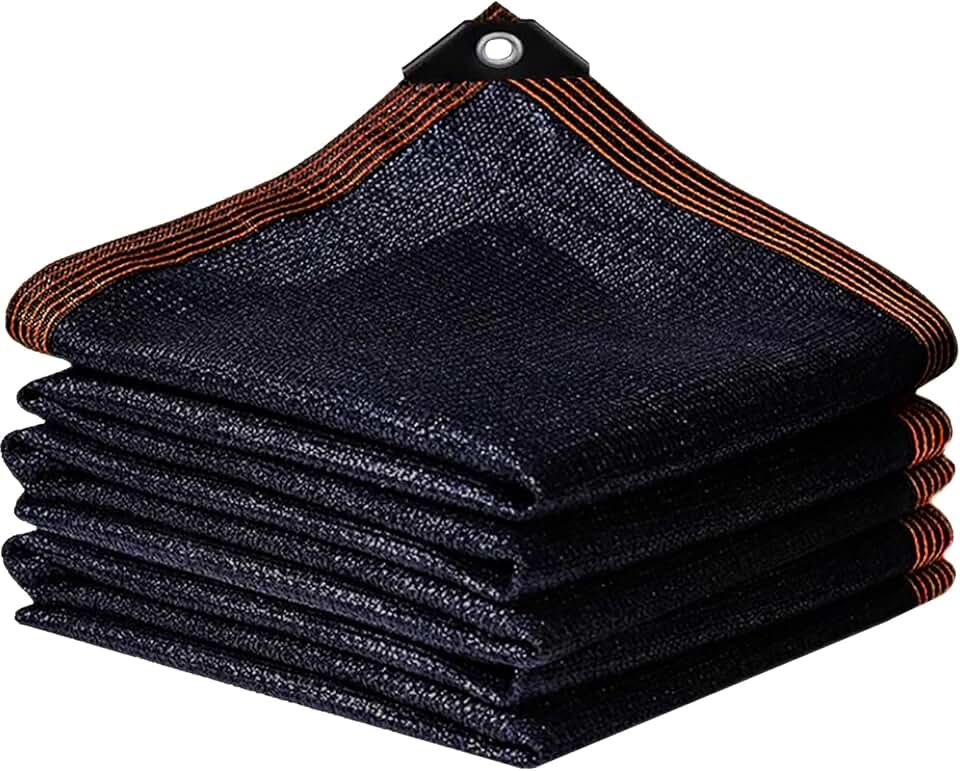
90% shade cloth · Sturdy sunblock mesh tarp with grommets · Dimensions: 5x10FT
This shade cloth effectively reduces direct sunlight and heat within the chicken coop or run, providing a cooler microclimate for the birds.

Heated base for double wall metal founts · 125W outdoor water bowl heater · Suitable for chickens, turkeys, ducks, and geese
While primarily for preventing freezing, the heated base can also help maintain a consistent, cooler water temperature by preventing it from becoming excessively hot in direct sun.

Solar-powered automatic chicken coop door · LCD screen with timer and light sensor · Aluminum construction
This automatic door allows for controlled access to the coop, helping to manage internal temperature by keeping the coop closed during the hottest parts of the day and opening it when temperatures are more favorable.
As an Amazon Associate I earn from qualifying purchases. Prices may vary.
Building coops for high temperatures
The best breed in the world will still die in a stifling coop. You have to manage the space as much as the genetics. I focus on airflow and shade to keep the internal temperature lower than the outside air.
Ventilation is paramount. A coop with good airflow allows hot air to escape and cooler air to circulate. Consider adding vents high up on the walls to release rising heat. Avoid overcrowding, as this reduces airflow and increases humidity. Shade is also crucial. Plant trees or shrubs around the coop, or use shade cloth to block direct sunlight. Reflective roofing materials, like white metal or shingles, can also help reduce heat absorption.
Simple, low-cost solutions can make a big difference. Providing ample access to cool, fresh water is essential. Consider adding a mister or sprinkler system to the run to create a cooling mist. Frozen water bottles or blocks of ice placed in the coop can provide localized cooling. A dust bath area allows chickens to cool themselves by wallowing in cool earth. Sometimes, the simplest solutions are the most effective.
Feeding for hydration
A chicken’s diet plays a significant role in its ability to cope with heat. Maintaining hydration is the top priority. Ensure chickens have constant access to fresh, cool water. Adding electrolytes to the water can help replenish those lost through panting. Consider offering watery fruits and vegetables, like watermelon or cucumbers, as a supplemental source of hydration.
During hot periods, it may be beneficial to switch to a lighter, more digestible feed. Avoid feeds high in protein, as protein metabolism generates heat. Providing a cool, shady place to feed can also encourage chickens to eat, even when they’re feeling sluggish. I've found that offering feed in the early morning and late evening, when temperatures are cooler, can help ensure they get adequate nutrition.
Regional Heat Tolerance Reports
Chicken keepers in different regions are reporting varying levels of success with different breeds. In the Southwest US, many are finding that White Leghorns and Andalusians perform well, but require careful management to prevent dehydration. In the Southeast, Rhode Island Reds and Penedesencas seem to be gaining popularity, with keepers praising their hardiness and egg-laying ability.
Online forums and Facebook groups dedicated to backyard chickens are a treasure trove of anecdotal evidence. I've noticed a recurring theme in Australian groups: the Nera di Sicilia is frequently mentioned as a top performer in the hot, dry climate. Several keepers in Florida have reported good results with Buckeyes, despite their origins in a cooler climate. It's important to remember that these are individual experiences, but they can provide valuable insights.
It's clear that there's no one-size-fits-all answer when it comes to heat tolerance. The best breed for your flock will depend on your specific location, climate, and management practices. Talking to local chicken keepers and learning from their experiences is invaluable.
Breeds Worth a Closer Look
While the breeds listed above are well-established, there are a few lesser-known options that show promise in terms of heat tolerance. The Fayoumi, an Egyptian breed, is incredibly hardy and well-adapted to hot, arid climates. They are active foragers and lay a decent number of small white eggs. However, they can be quite flighty and aren't known for being particularly docile.
The Shamo, originating from Thailand, is a game breed known for its strength and resilience. They are surprisingly heat-tolerant and can thrive in hot, humid conditions. They are not prolific layers, but they are prized for their meat. Sourcing these breeds may require some effort, as they are not as widely available as more common varieties. Always purchase from reputable breeders to ensure you're getting healthy, well-bred birds.


No comments yet. Be the first to share your thoughts!