

Polish Chickens: A Visual Showcase
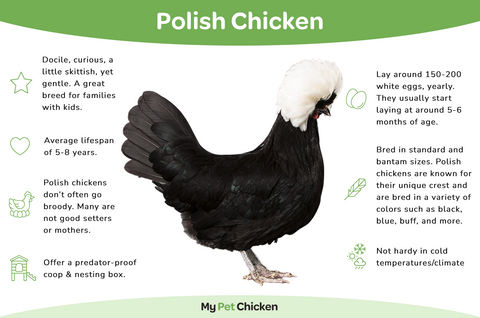
Polish chickens are striking birds, easily recognized by their full crest of feathers that gives them a regal, almost comical appearance. This unique look sets them apart from typical barnyard fowl.
While their exact origins are unclear, Polish chickens are believed to have originated in the Netherlands during the Middle Ages. They gained popularity across Europe for their distinctive appearance and were often kept as ornamental birds on noble estates.
Polish chickens aren't known for prolific egg-laying or hardiness, but their popularity persists due to their captivating looks and docile temperament. They are a breed that sparks conversation and appeals to many chicken keepers.

Blue Egg Layers: Beyond the Novelty
Collecting eggs in shades of robin's egg blue, olive green, or even pinkish hues is exciting. The story behind these colorful eggs involves a single gene: the Oocyan gene.
This dominant gene doesn't create blue pigment itself. Instead, it influences how the pigment biliverdin, normally responsible for brown eggs, is deposited in the shell. When the Oocyan gene is present, it prevents biliverdin deposition, resulting in a blue-toned shell.
Easter Eggers, a mix of breeds including Araucanas and Ameraucanas, are well-known for carrying the Oocyan gene. Cream Legbars are consistent blue egg layers, and Araucanas also lay blue or greenish eggs. Egg color can vary even within a breed, depending on inherited genes, meaning a single flock might produce a range of shades.
Temperament & Personality: Which Fits You?
Polish chickens are generally docile and gentle, though they can be flighty and easily startled. They aren't the most confident birds and prefer a calm, predictable environment, often described as sweet but a little aloof.
Blue egg layers vary significantly by breed. Cream Legbars are active and independent, while Easter Eggers are often more laid-back. Araucanas tend to be more assertive and can be prone to bullying in a mixed flock, requiring more space to avoid squabbles.
Breeder Martha Peterson from Iowa notes, “Polish chickens are like little ladies – they need gentle handling and a secure space. The blue layers? They’re more like teenagers, always getting into something!” Owner David Chen from California shared that his Easter Eggers are friendly and enjoy following him around the yard. While individual birds and their upbringing play a role, breed tendencies are noticeable.
- Polish Chicken: Docile, gentle, can be flighty, prefers calm environments.
- Cream Legbar: Active, independent, good foragers.
- Easter Egger: Variable, often friendly and curious, adaptable.
- Araucana: Assertive, can be prone to bullying, needs ample space.
Temperament and Personality Comparison: Polish vs. Blue Egg Layers
| Breed | Docility | Activity Level | Friendliness Towards Humans | Susceptibility to Stress |
|---|---|---|---|---|
| Polish | Medium | Low | Medium | High |
| Easter Egger | Medium | Medium | Medium | Medium |
| Cream Legbar | Low | High | Medium | Medium |
| Araucana | Medium | Medium | Low | Medium |
Illustrative comparison based on the article research brief. Verify current pricing, limits, and product details in the official docs before relying on it.
Egg Production: Numbers & Consistency
Polish chickens aren’t known for prolific egg-laying. Expect around 80-100 eggs per year, significantly less than many other breeds. They are more of a hobby layer than a commercial one, with their small size and tendency to brood contributing to lower numbers.
Blue egg layers offer a wider range of production rates. Cream Legbars consistently lay around 200-280 eggs per year. Easter Eggers are more variable, with some hens laying over 200 eggs and others closer to 150. Araucanas typically lay 150-180 eggs annually.
Egg production is influenced by age, with younger hens laying more frequently. Season also plays a role, with production slowing in winter. Diet is critical; a high-quality layer feed is essential for maximizing output, and supplemental calcium during peak laying season is beneficial.
Care Requirements: The Daily Grind
Polish chickens require more specialized care due to their distinctive head crest, which obstructs vision and makes them vulnerable to predators and the elements. They need a dry, sheltered coop to prevent the crest from becoming muddy or frostbitten. They also struggle to find food and water, so careful placement of feeders and waterers is key.
Blue egg layers generally have standard care requirements: a secure coop, fresh water, and quality layer feed. Araucanas can be more sensitive to cold weather, requiring extra bedding and shelter in winter. They also benefit from a dust bath area for feather health.
Adequate coop space is important for both breeds, with a minimum of 4 square feet per bird inside the coop and 8-10 square feet per bird in the run recommended. Regular cleaning prevents disease, and vigilance in checking for mites and lice, especially around the vent area, is advised. A good preventative health routine is always best.
- Polish Chicken Checklist:
- Ensure a dry, sheltered coop.
- Provide easy access to food and water.
- Protect from predators.
- Monitor for head injuries.
- Blue Egg Layer Checklist:
- Secure coop with adequate space.
- Fresh water and quality layer feed.
- Dust bath area.
- Winter protection (especially for Araucanas).
Health Concerns: What to Watch For
Polish chickens are prone to head injuries because their crest obstructs vision, leading to bumps, cuts, or abrasions. Providing a clutter-free environment and close monitoring is essential. Bumblefoot can also occur, likely due to their tendency to walk on muddy ground.
Blue egg layers can have breed-specific health concerns. Araucanas are known for being prone to leg problems and skeletal abnormalities. This is thought to be due to a genetic mutation that affects bone development. Careful breeding practices can help to minimize these issues. Easter Eggers, being a mixed breed, are generally healthier, but can still be susceptible to common poultry diseases.
Preventative care is essential for both breeds. Regular deworming, vaccination, and parasite control are crucial. Watch for signs of illness, such as lethargy, loss of appetite, or respiratory problems. Early detection and treatment can significantly improve the outcome. A good vet who understands poultry is a valuable asset.
Cost & Availability: Finding Your Flock
The cost of purchasing Polish chickens and blue egg layers varies depending on the hatchery or breeder. Generally, you can expect to pay around $8-15 per chick for Polish chickens, and $10-20 per chick for blue egg layer breeds like Cream Legbars or Araucanas. Pullets (young hens ready to lay) will be significantly more expensive, ranging from $30-60 each.
Polish chickens are typically easier to find than some of the rarer blue egg layer breeds. Hoover's Hatchery (hoovershatchery.com) consistently offers Polish chickens, as do many other large hatcheries. Finding purebred Araucanas can be more challenging, requiring you to seek out specialized breeders.
Shipping costs can add a significant amount to the overall price, especially if you're ordering chicks. Be sure to factor in these costs when comparing prices from different hatcheries. Biosecurity is also important – only purchase chicks from reputable sources that follow strict health protocols. This minimizes the risk of introducing disease to your flock.
- Reputable Hatcheries: Hoover's Hatchery, Murray McMurray Hatchery, Cackle Hatchery
- Online Breeders: Search on websites like Backyard Chickens Classifieds for local breeders.
- Cost Estimate: Chicks: $8-$20, Pullets: $30-$60
Essential Supplies for Your Polish and Blue Egg Layer Chickens

140 W radiant heat panel provides steady warmth for winter‑time coops · ETL‑certified safety ensures reliable operation around birds and small pets · Quiet, light‑free design lets the heater run unnoticed under a coop or desk
Keeps Polish and blue‑egg layers comfortably warm during cold snaps, boosting health and egg production.

Stainless‑steel construction resists rust and corrosion · Eight guarded drinking ports prevent spillage and keep water clean · Automatic water flow eliminates the need for daily refilling
Provides a reliable, mess‑free water source for a mixed flock of chickens, ducks, geese, and pigeons.

16 % high‑quality protein supports peak laying performance · Added prebiotics and probiotics aid digestion and nutrient absorption · Formulated to strengthen eggshells and increase daily egg output
Feeds both Polish and fancy blue layers a balanced diet that maximizes egg quality and quantity.

Comprehensive set of bandages, antiseptic wipes, and ointments for common injuries · Includes medication and tools such as tweezers and syringes for quick treatment · Portable, organized case lets you respond to emergencies anywhere in the coop
Ensures you’re prepared to handle health issues promptly, keeping your flock thriving.

Step‑by‑step guide written for beginners and seasoned hobbyists alike · Covers nutrition, coop setup, disease prevention, and daily care routines · Illustrated with photos and checklists for easy reference
Offers clear, practical advice to help you raise healthy, happy Polish and blue‑egg chickens.
As an Amazon Associate I earn from qualifying purchases. Prices may vary.
2026 Breed Trends: What's Gaining Popularity?
Predicting breed trends is always a bit of a gamble, but several factors suggest continued interest in both Polish chickens and blue egg layers heading into 2026. There's a growing demand for ornamental chickens, and the Polish chicken's unique appearance makes it a strong contender in that market. We're also seeing new color varieties being developed, such as silver laced Polish chickens.
On the blue egg layer front, crosses between Cream Legbars and other breeds are becoming increasingly popular, offering a wider range of egg colors and temperaments. Social media platforms like Instagram and TikTok are playing a significant role in driving these trends, with users showcasing their colorful egg baskets and unique flocks.
It's important to remember that trends can shift quickly. However, the enduring appeal of both Polish chickens and blue egg layers suggests they will remain popular choices for chicken keepers in the years to come. The desire for something a little different, a little special, seems to be a driving force in the backyard chicken world.

No comments yet. Be the first to share your thoughts!